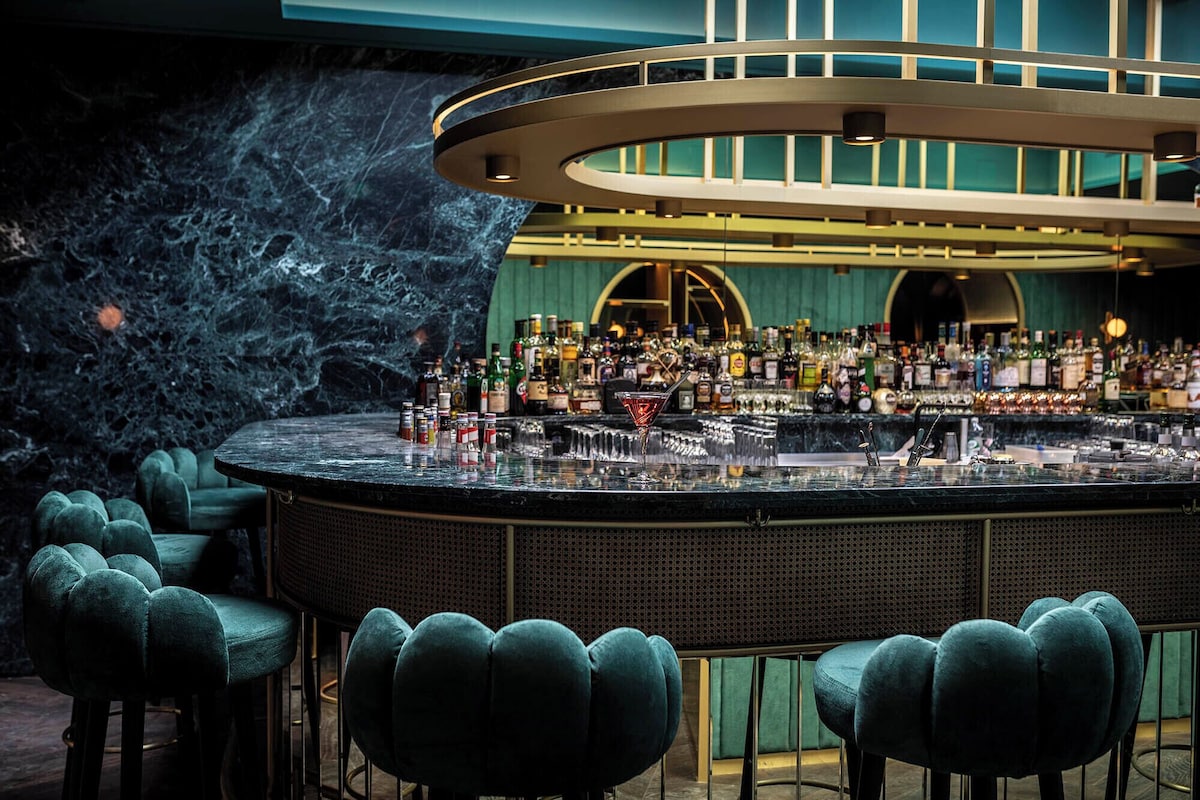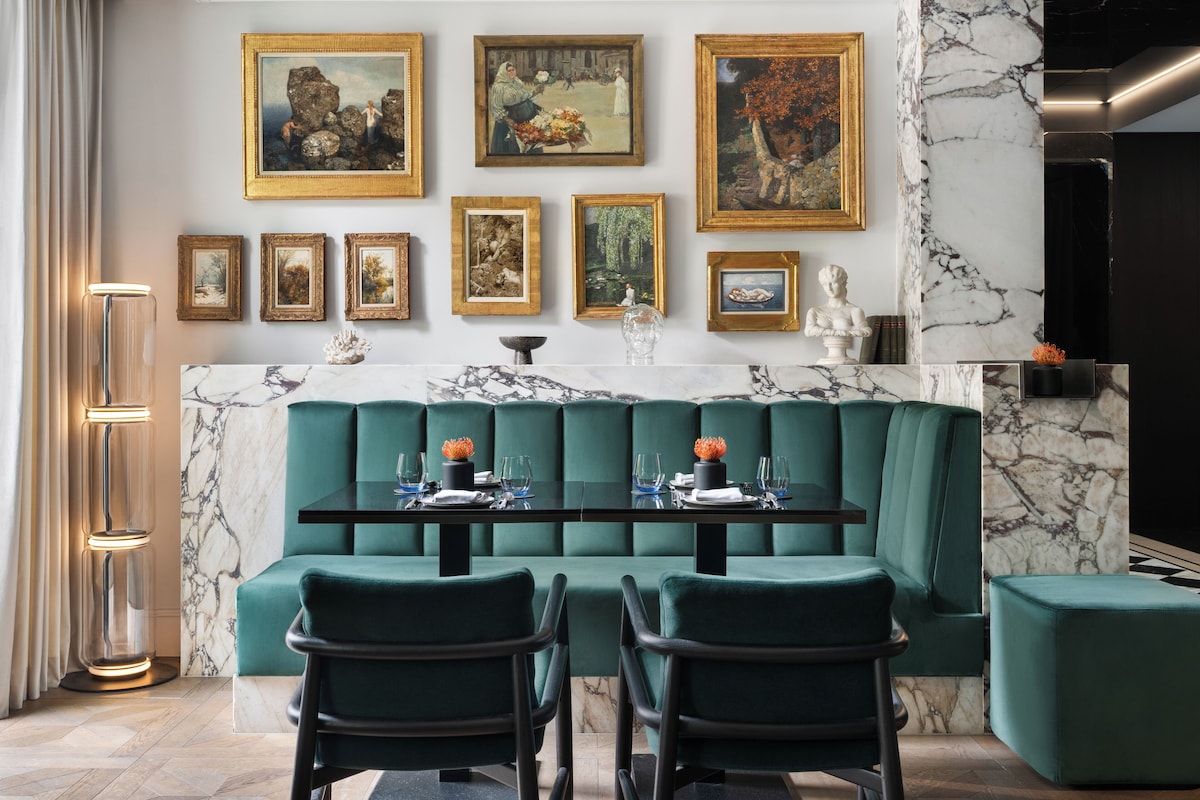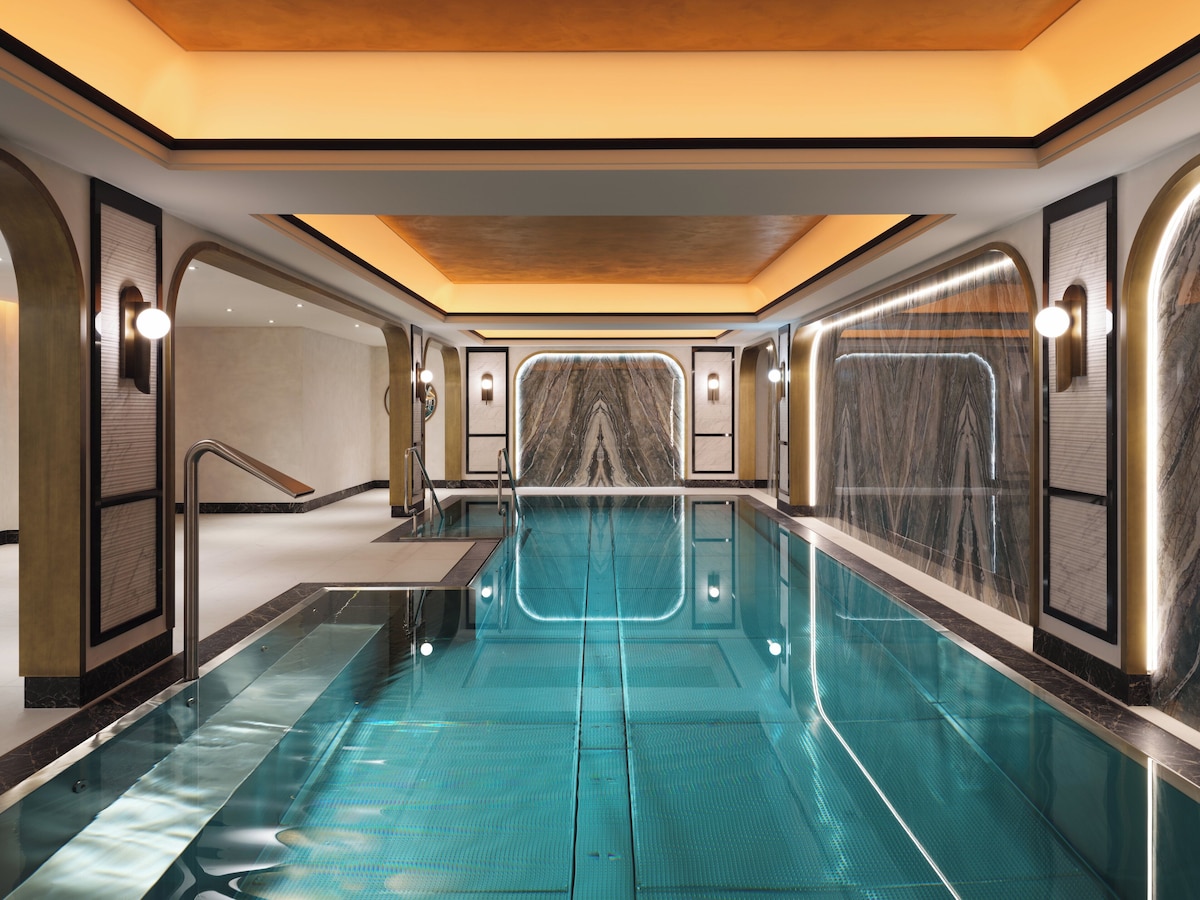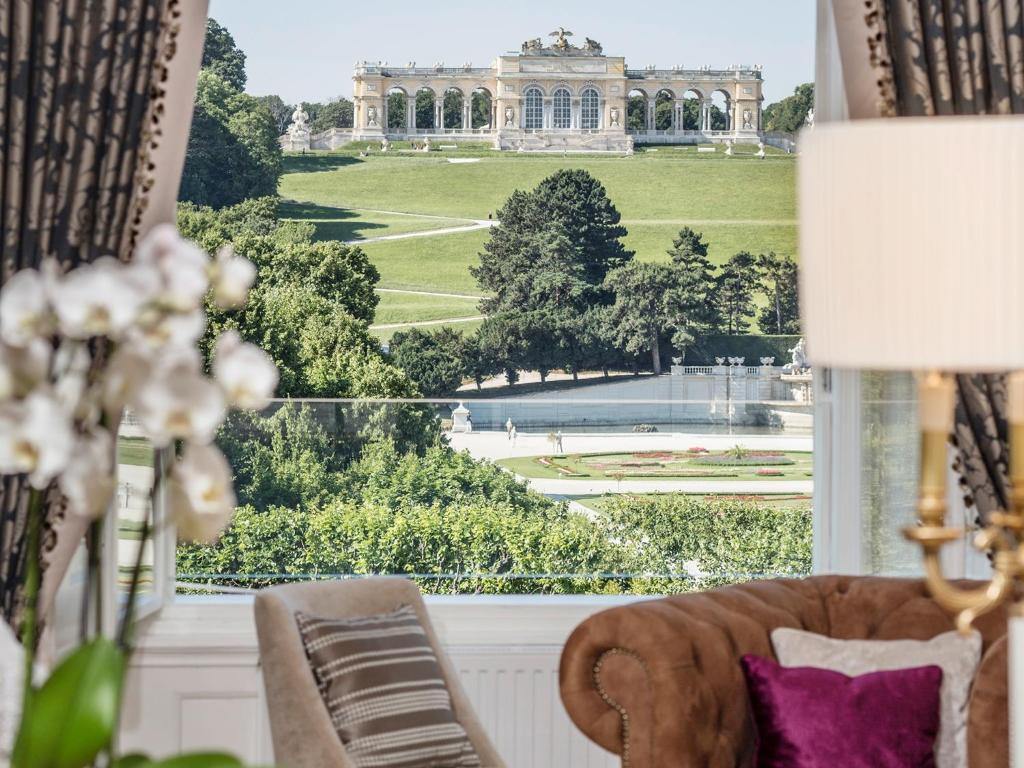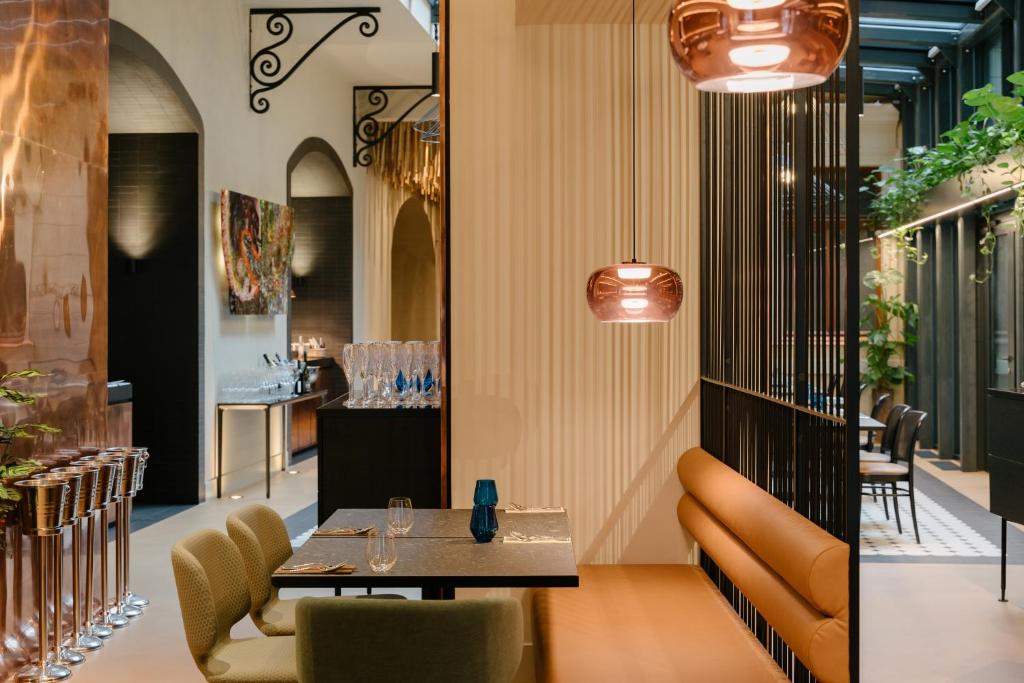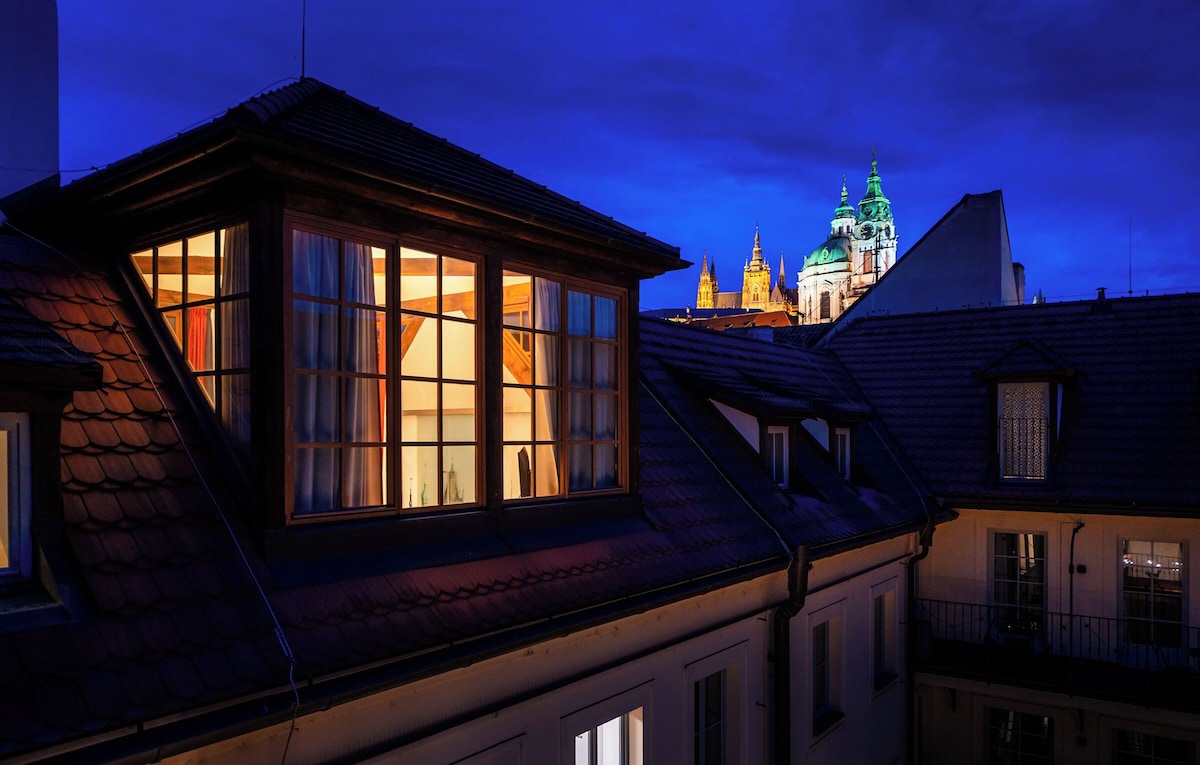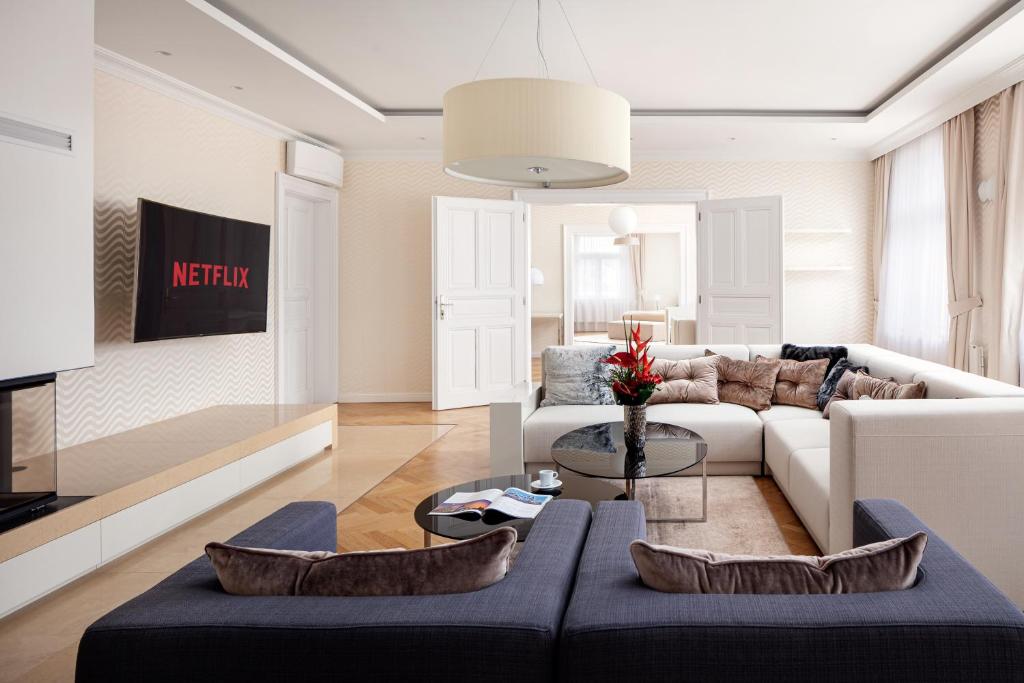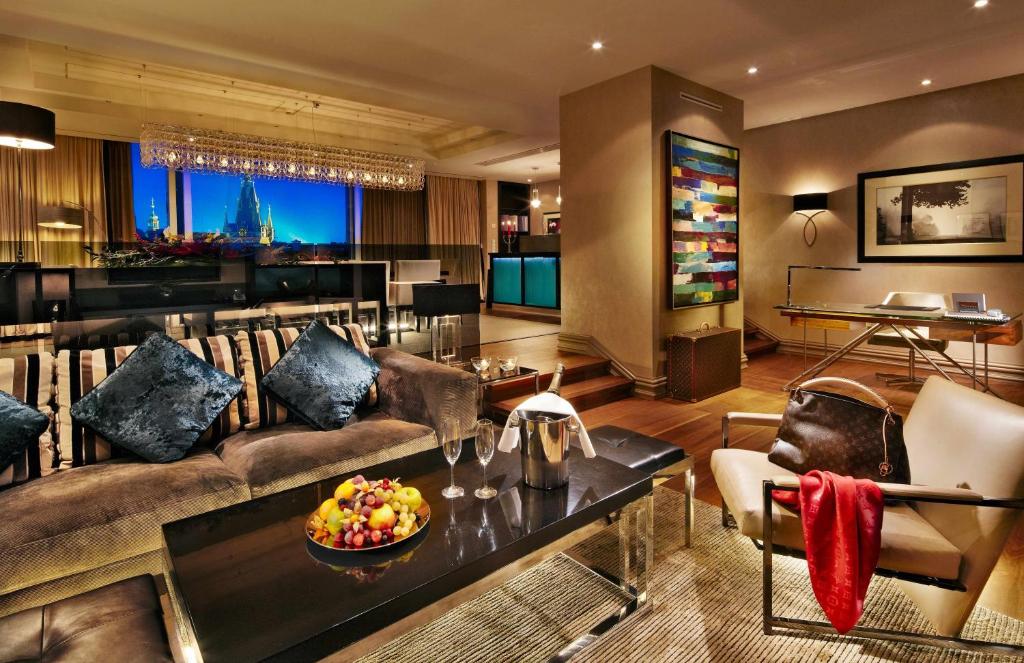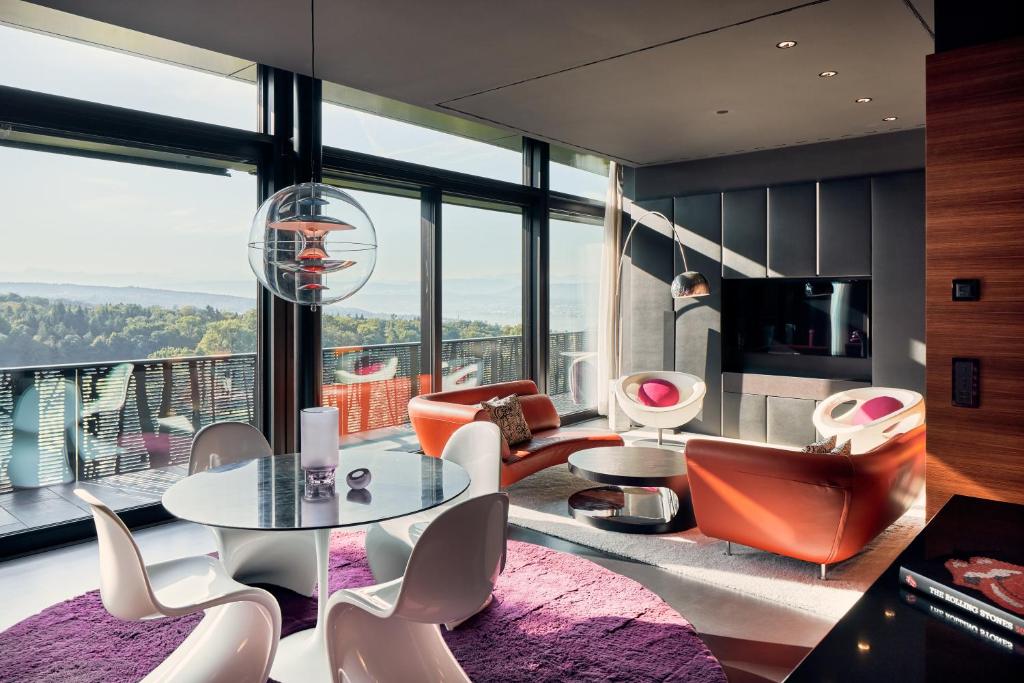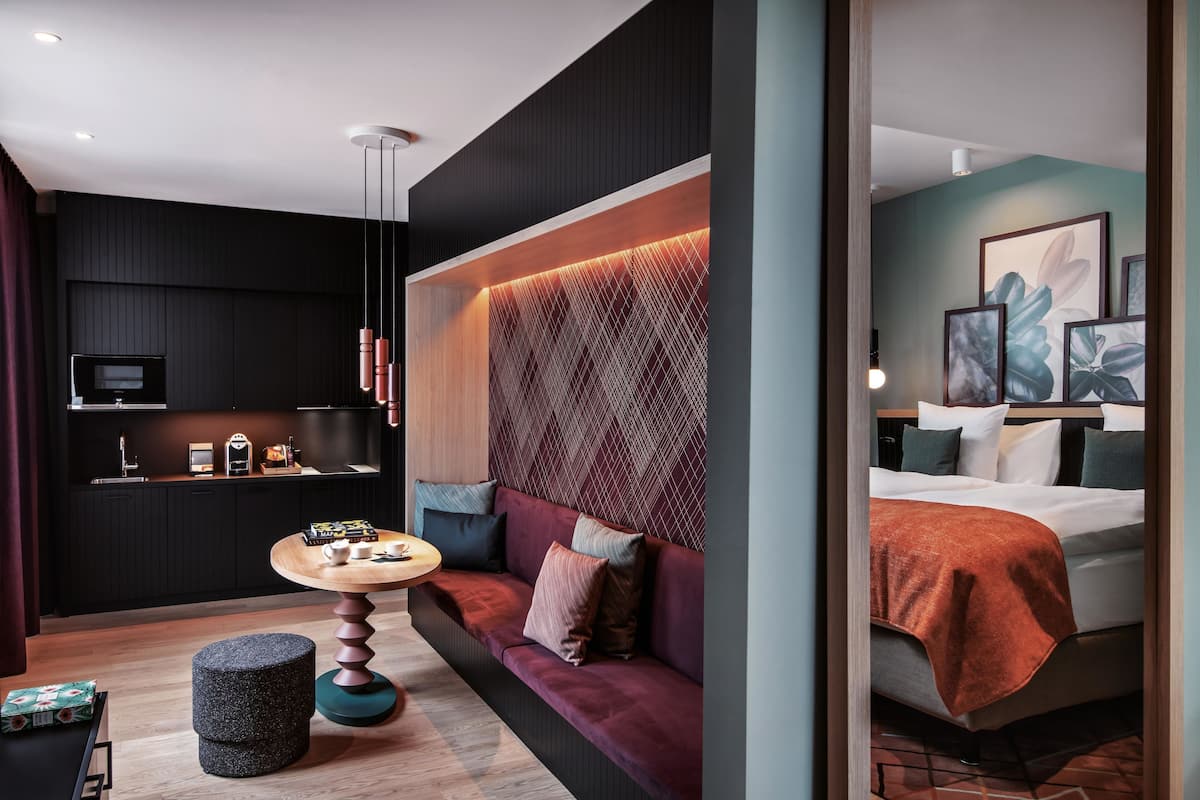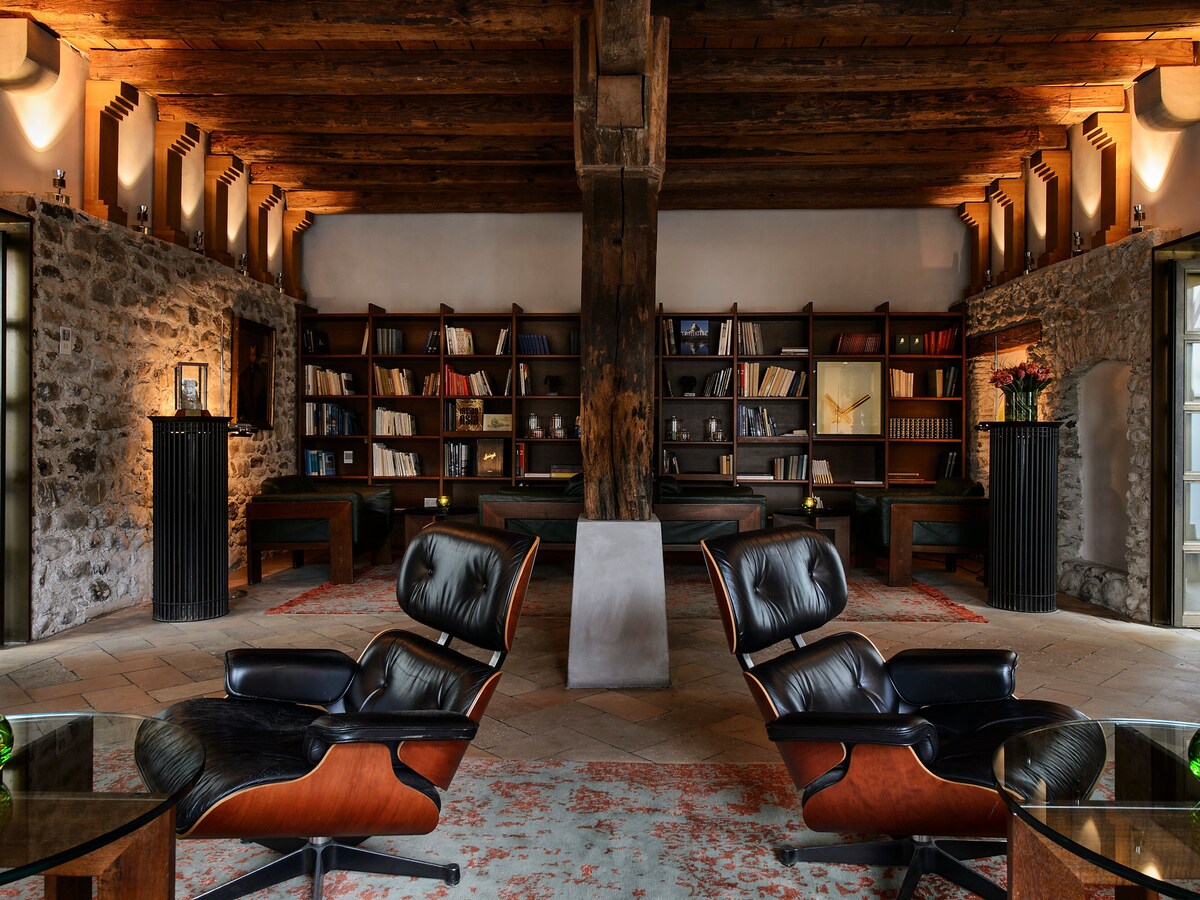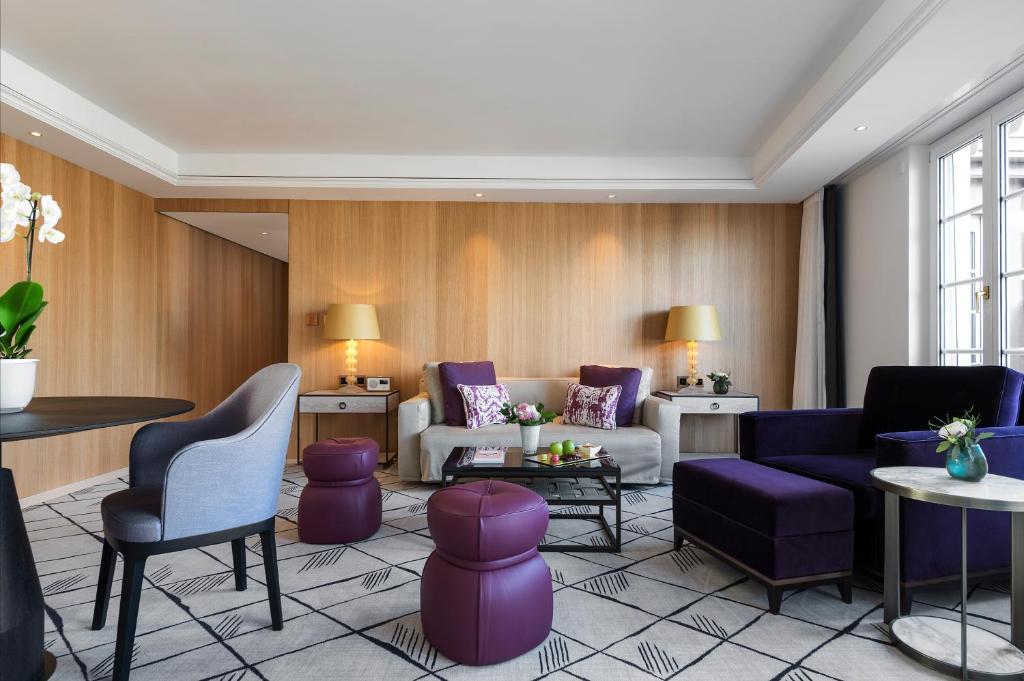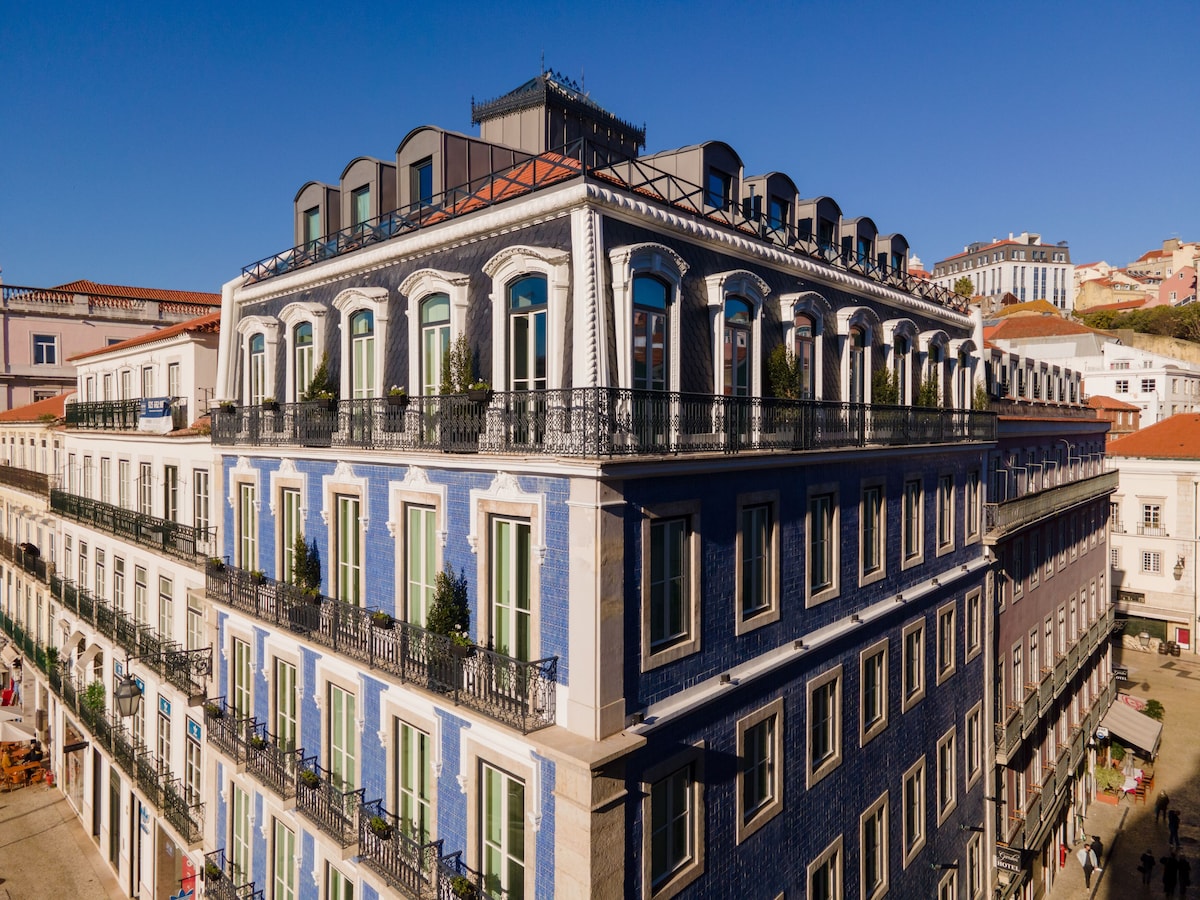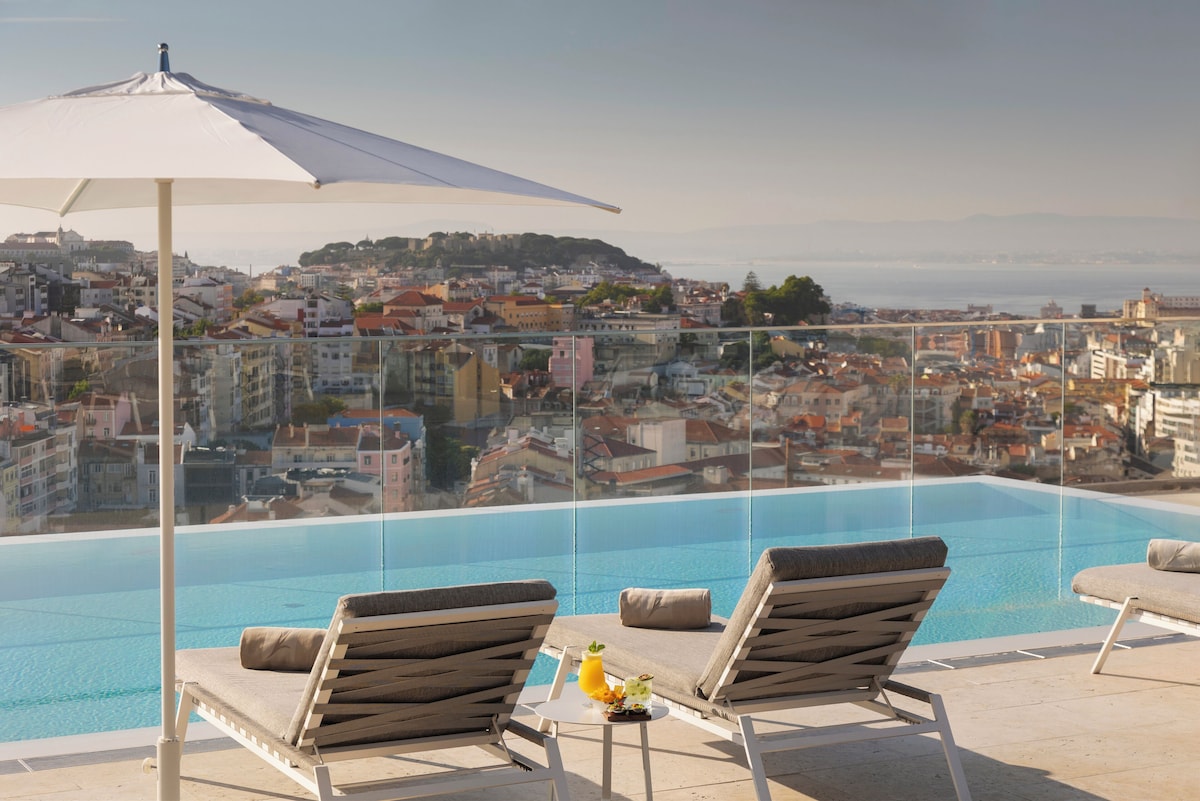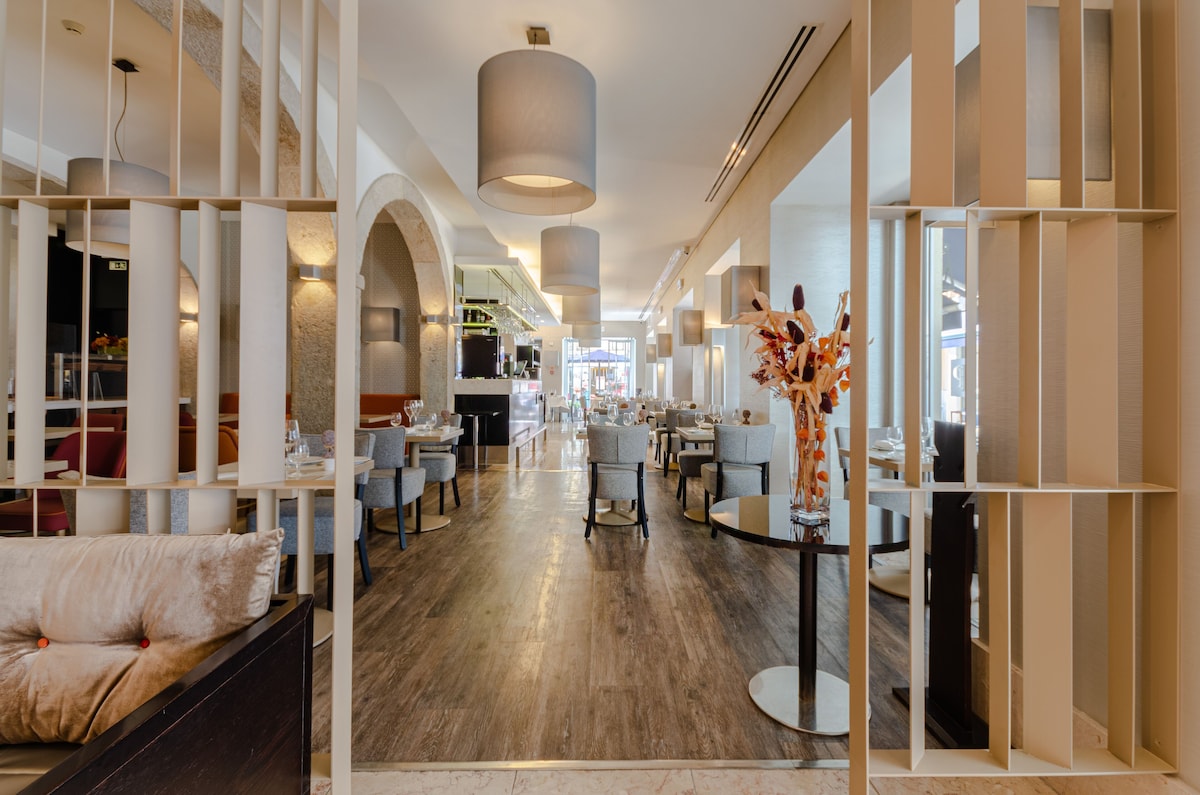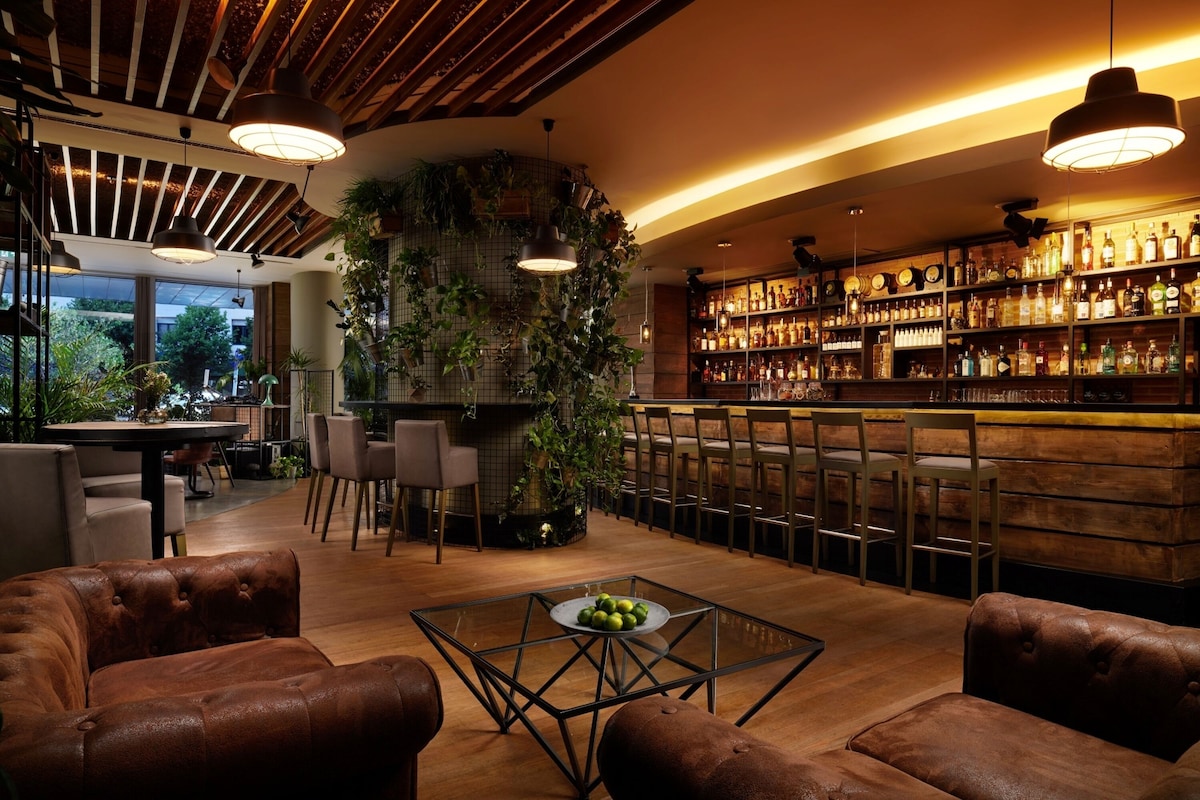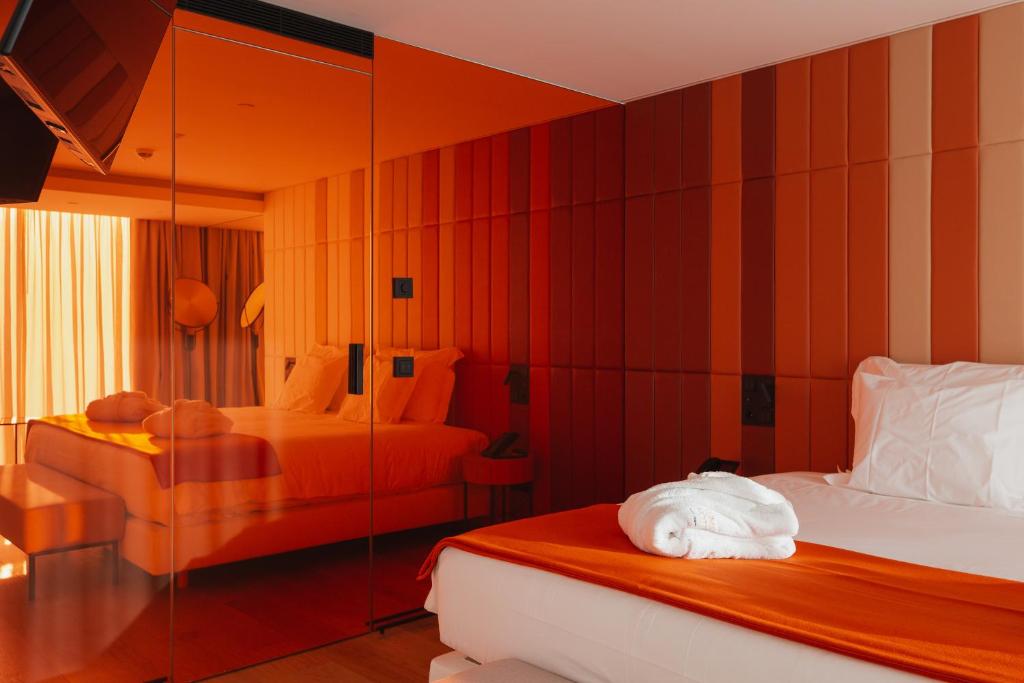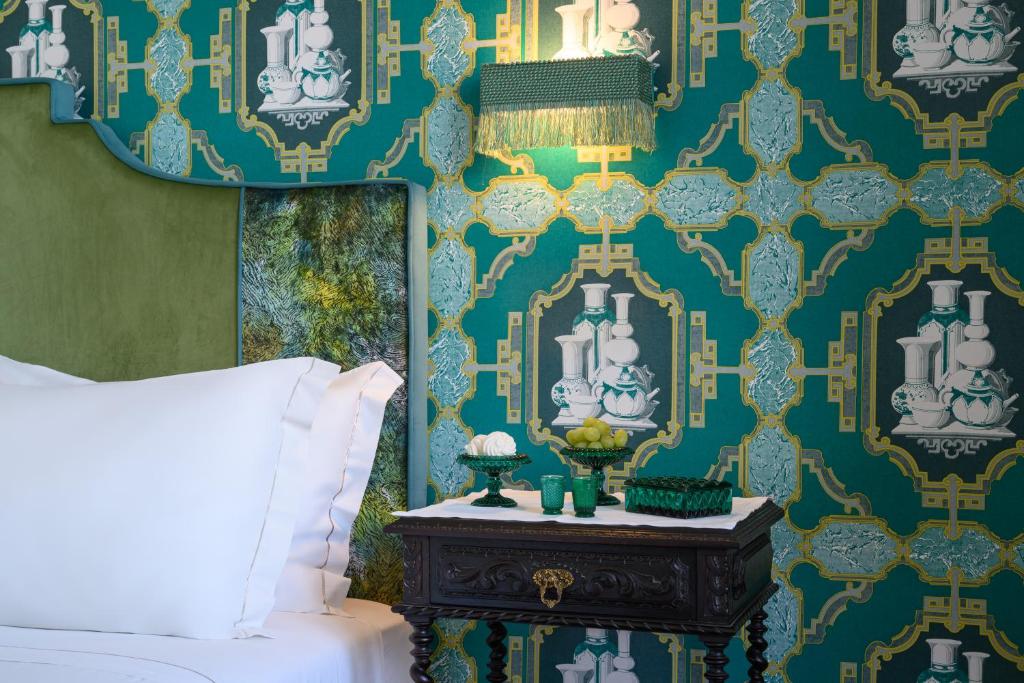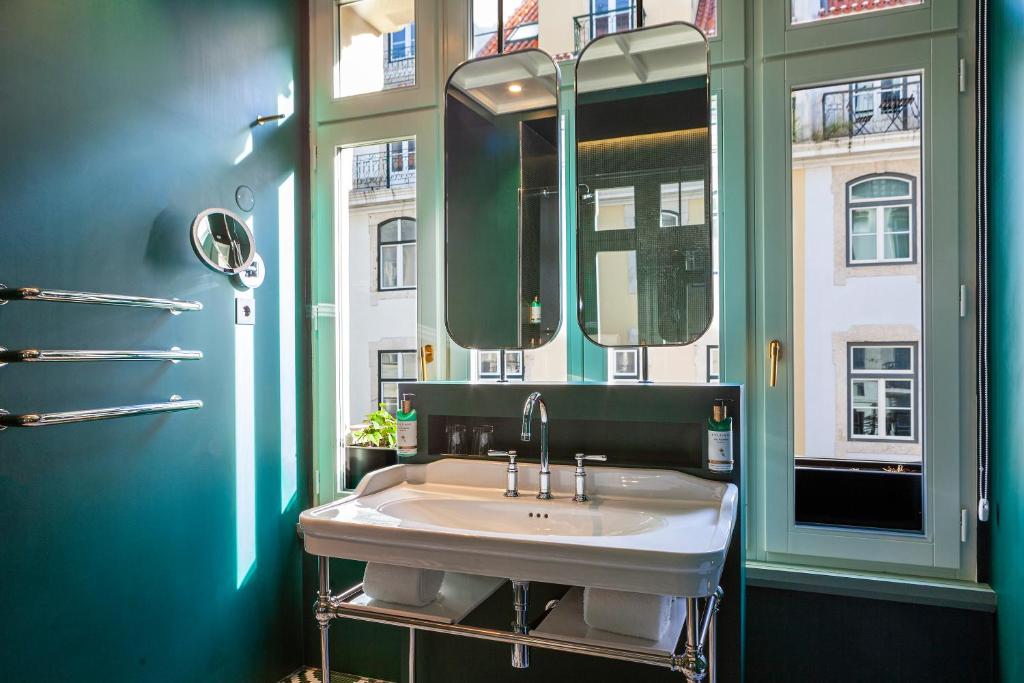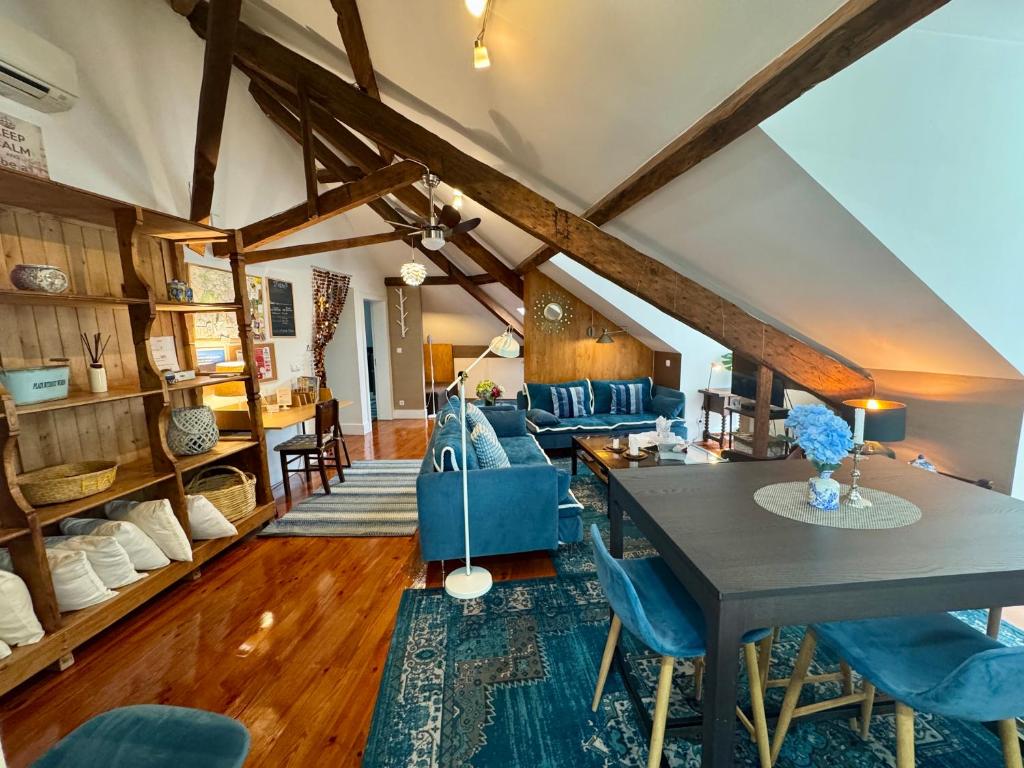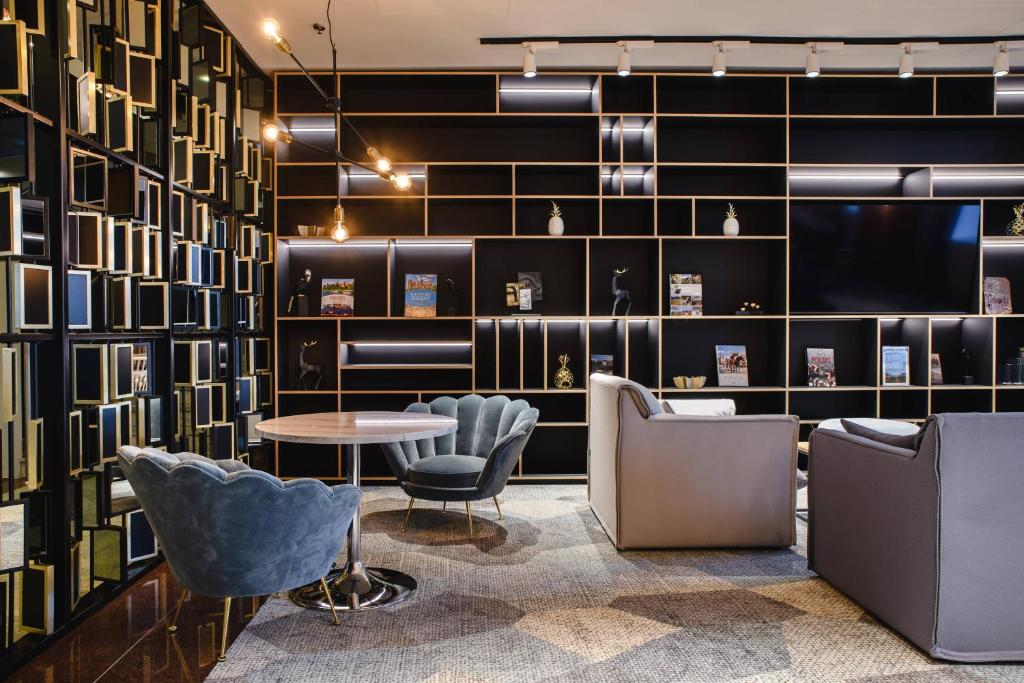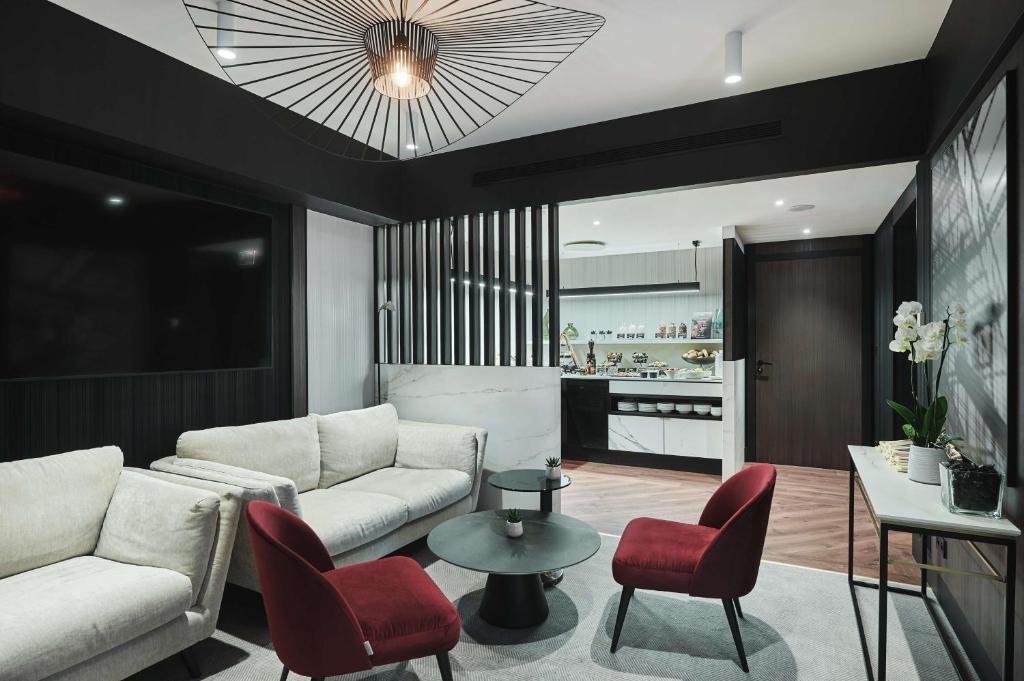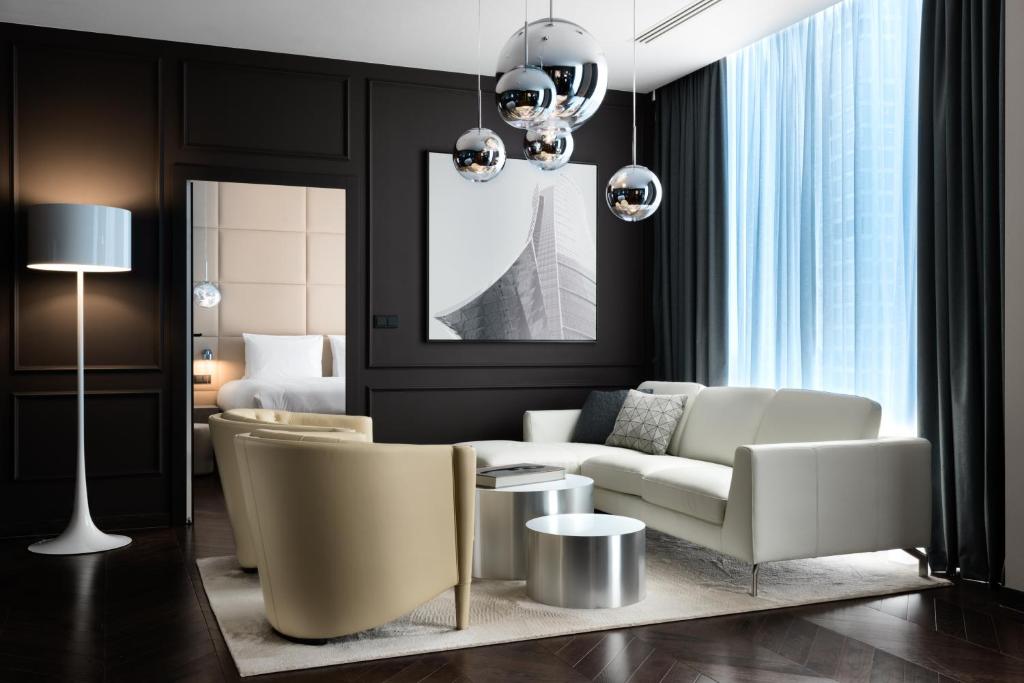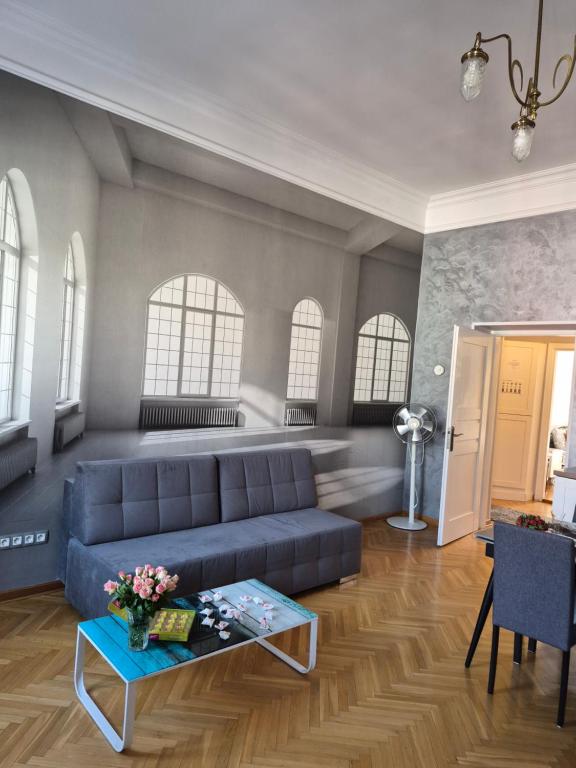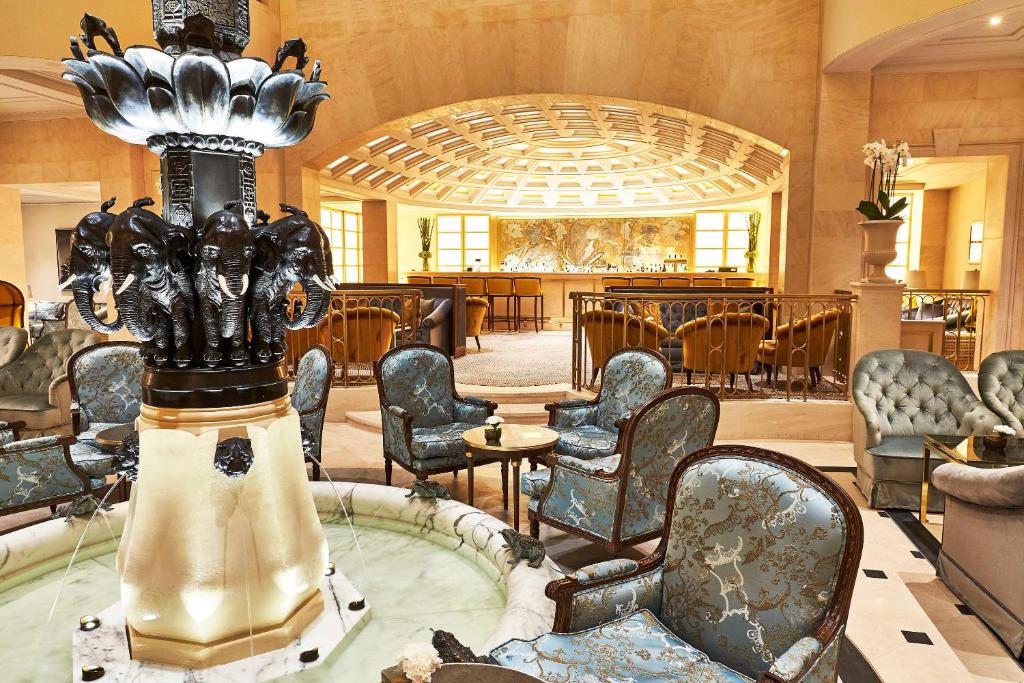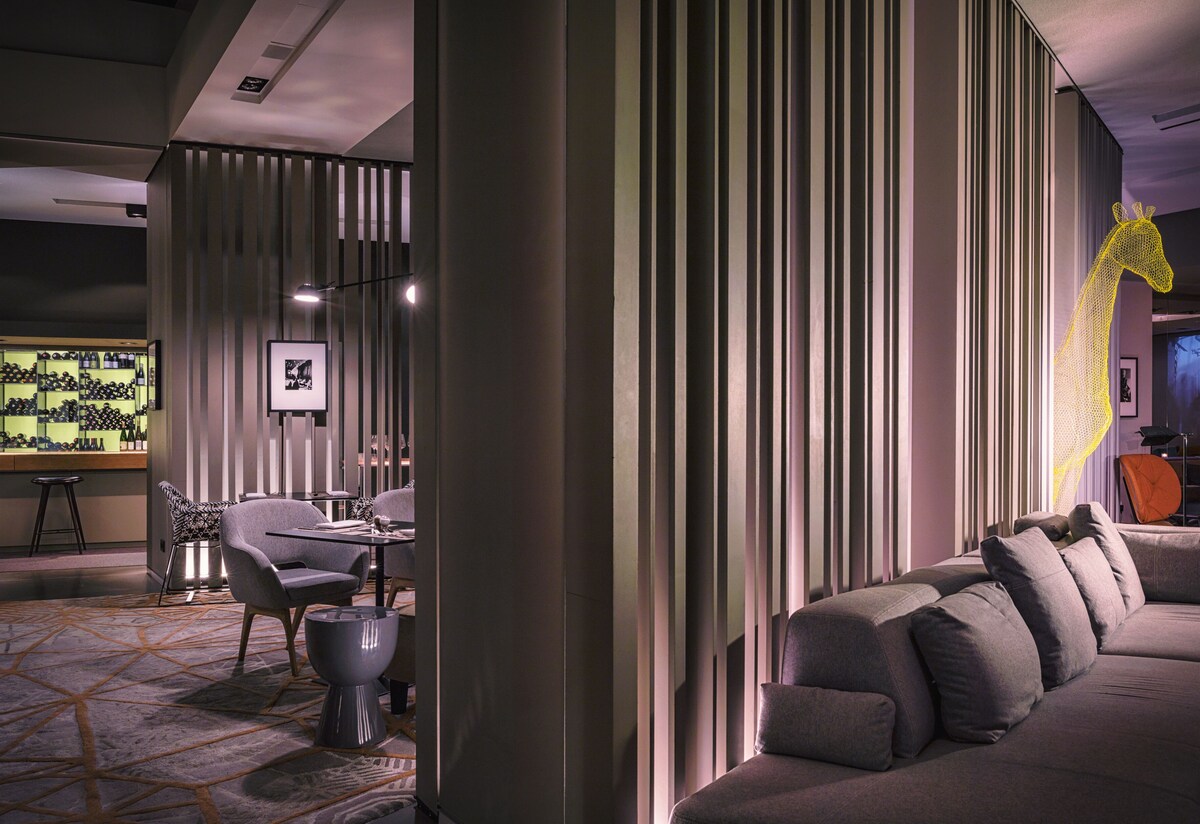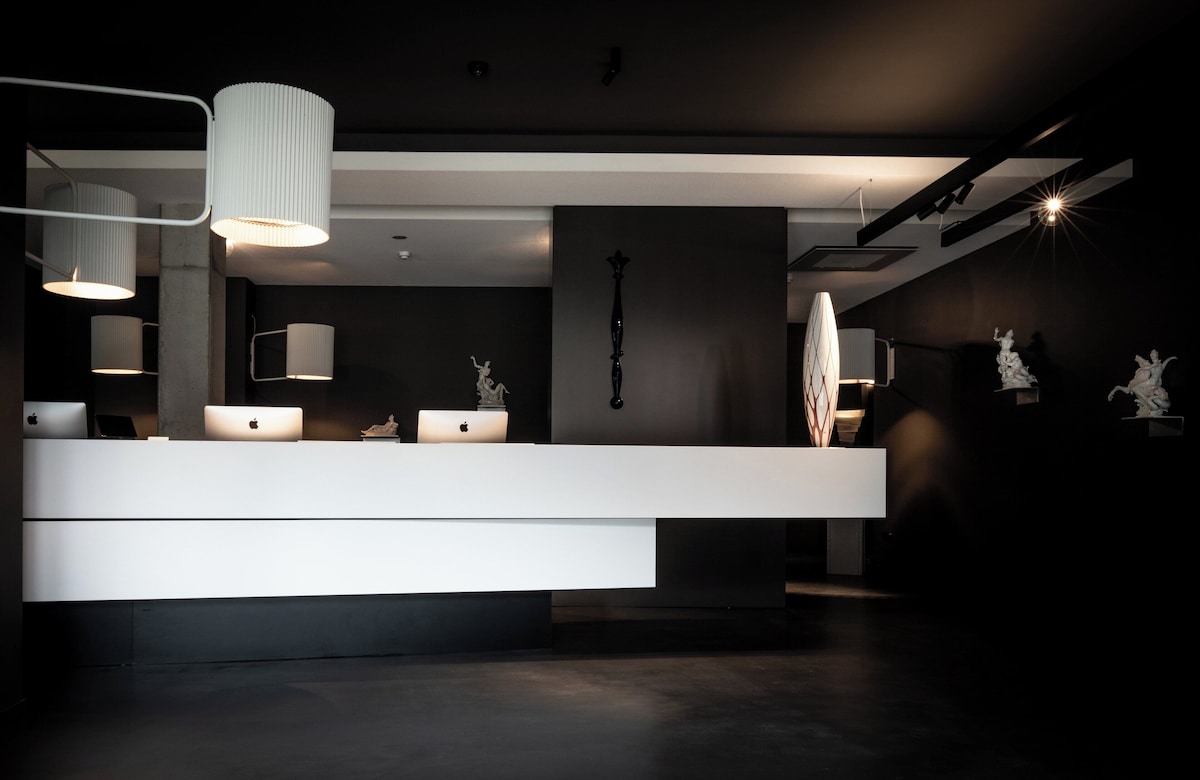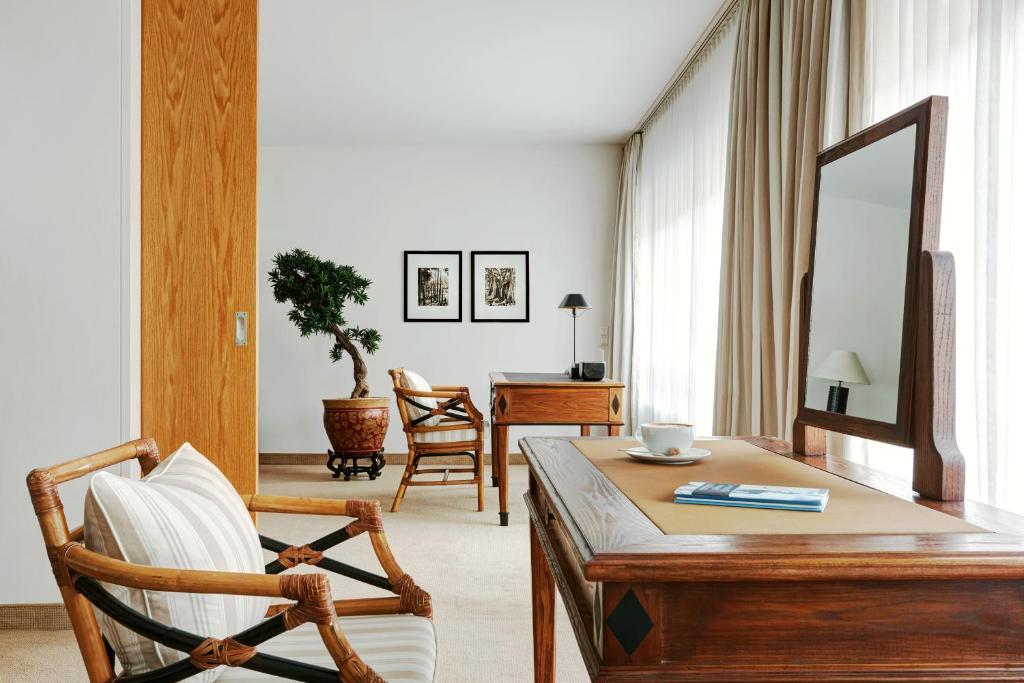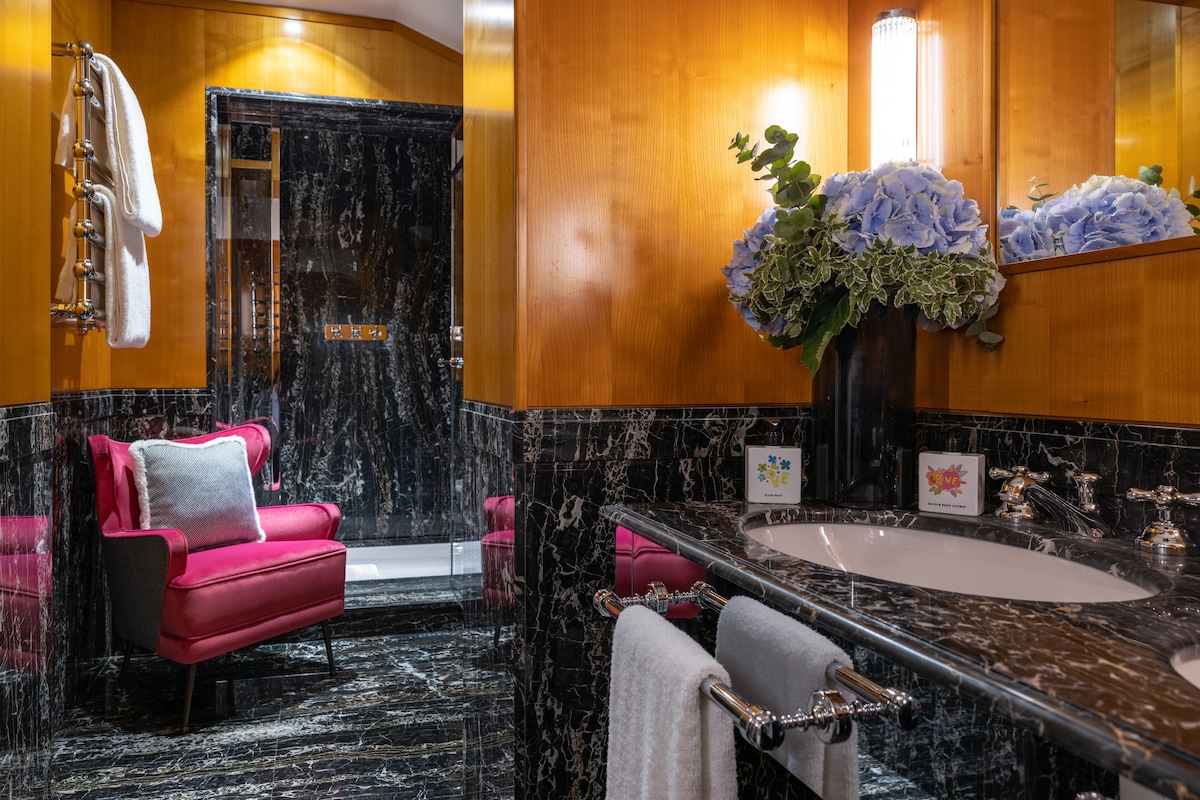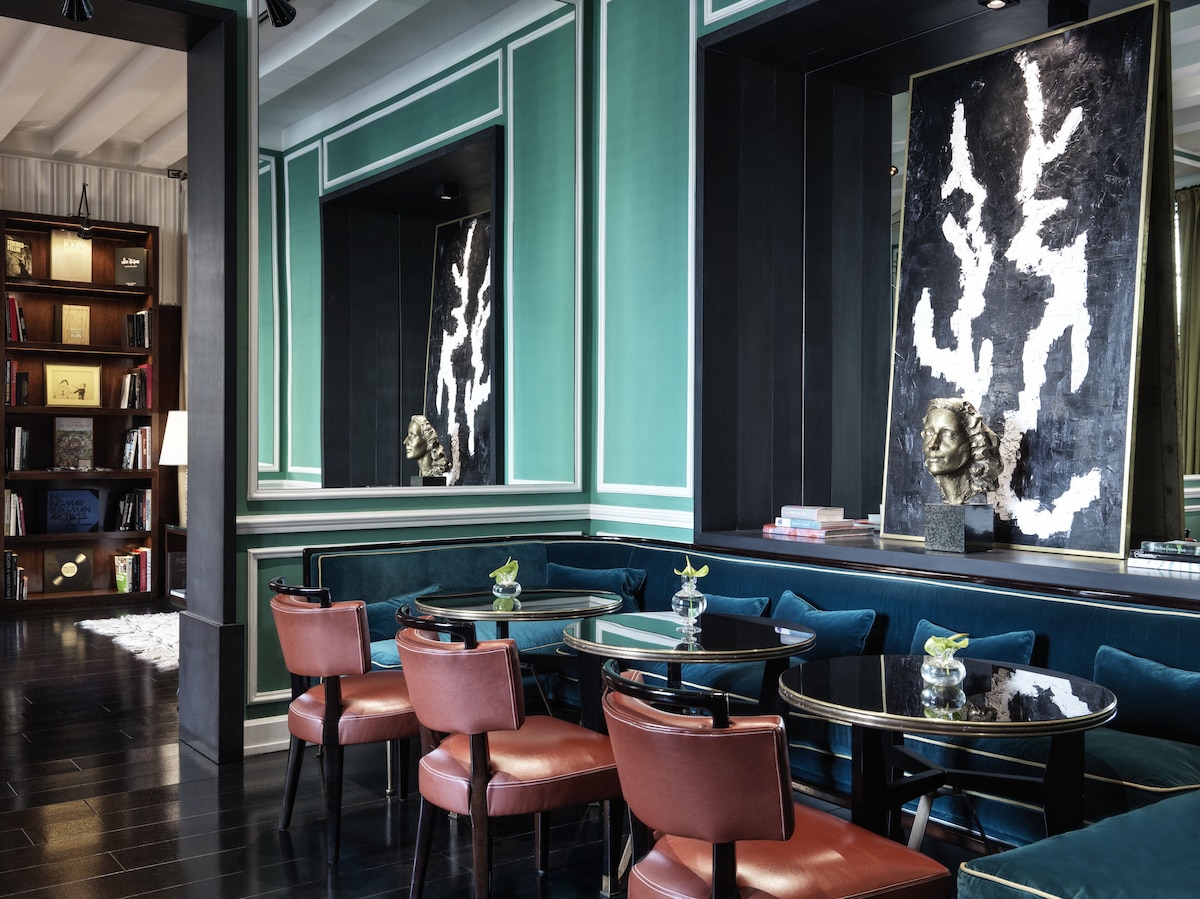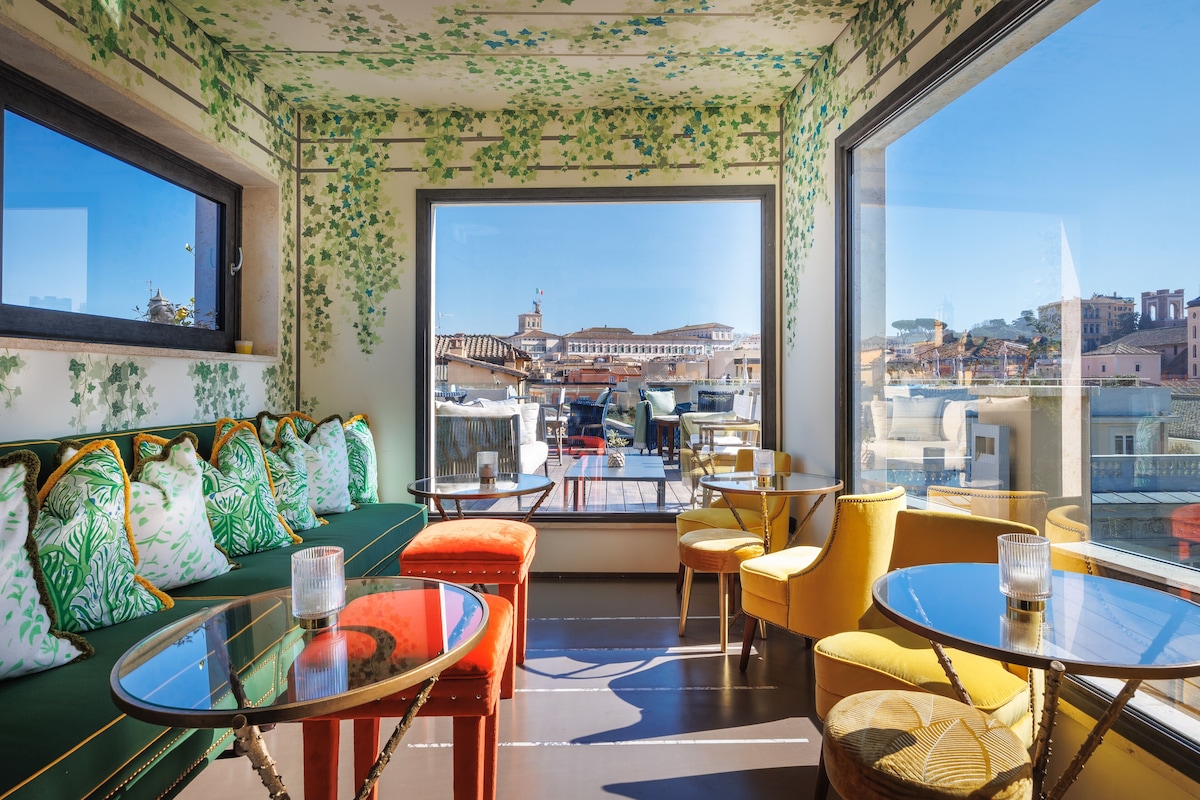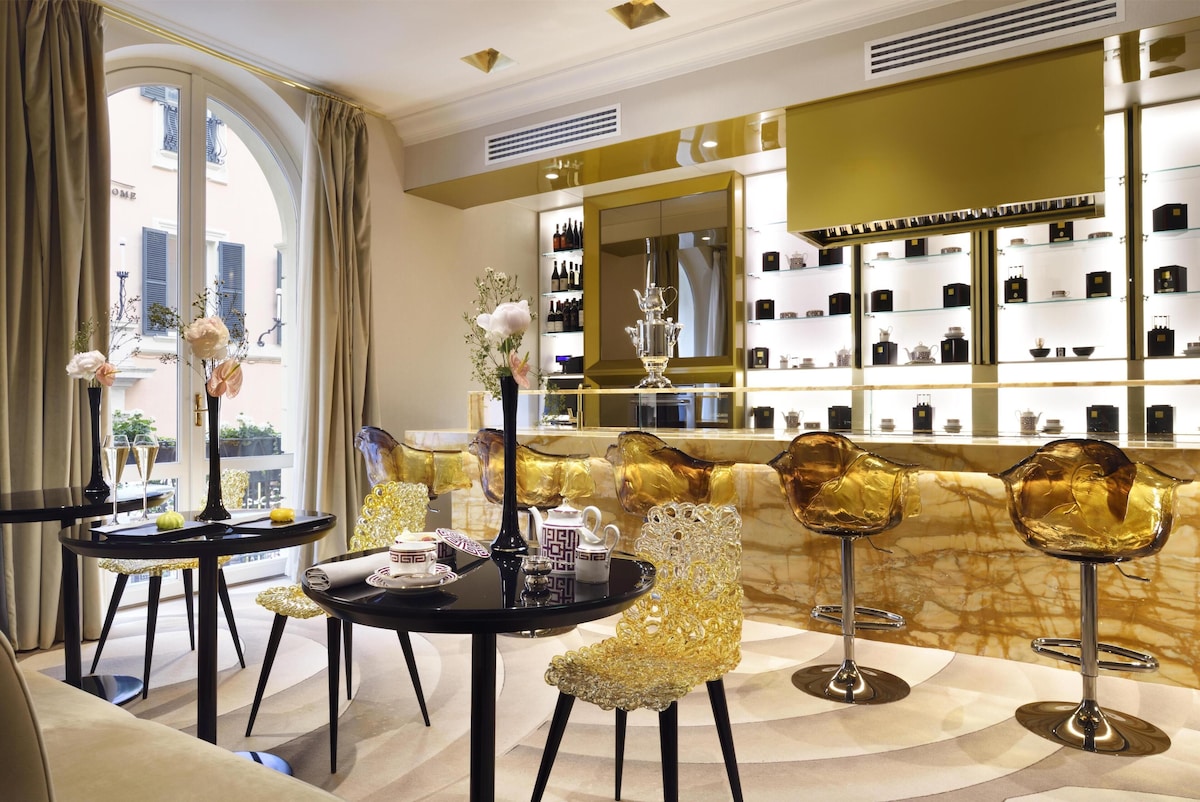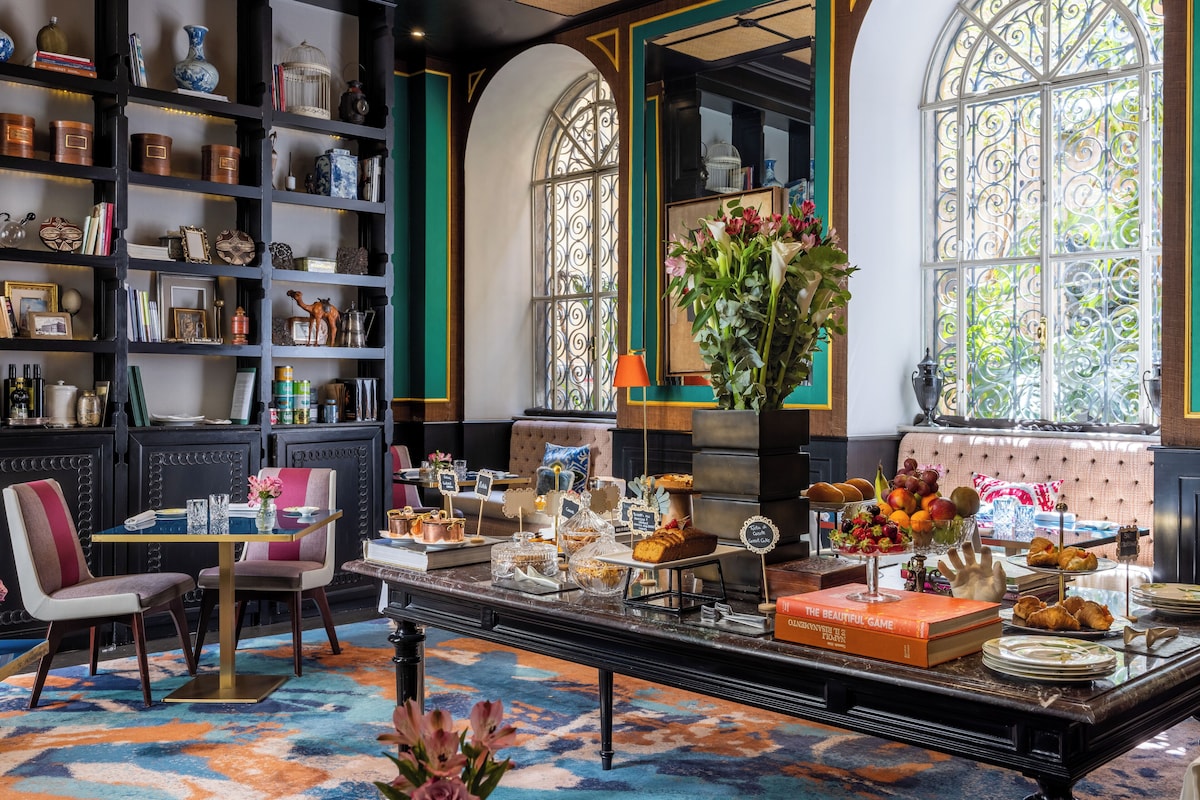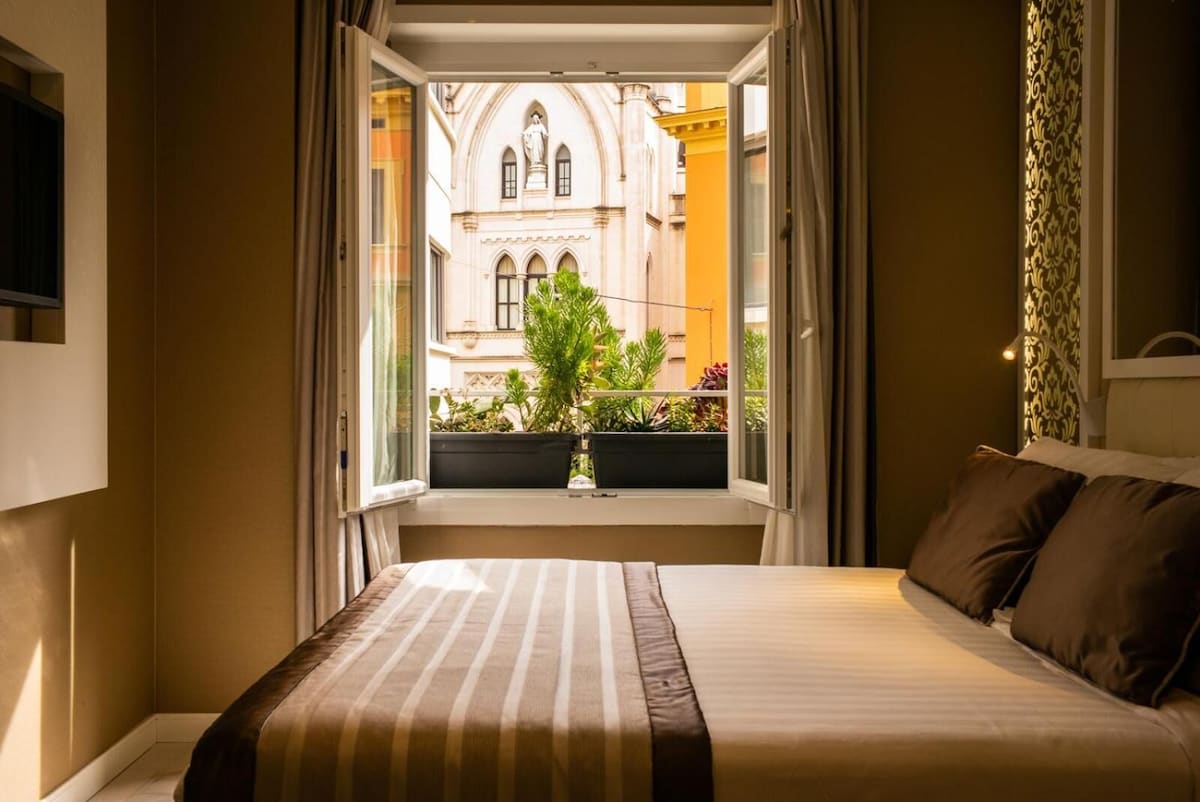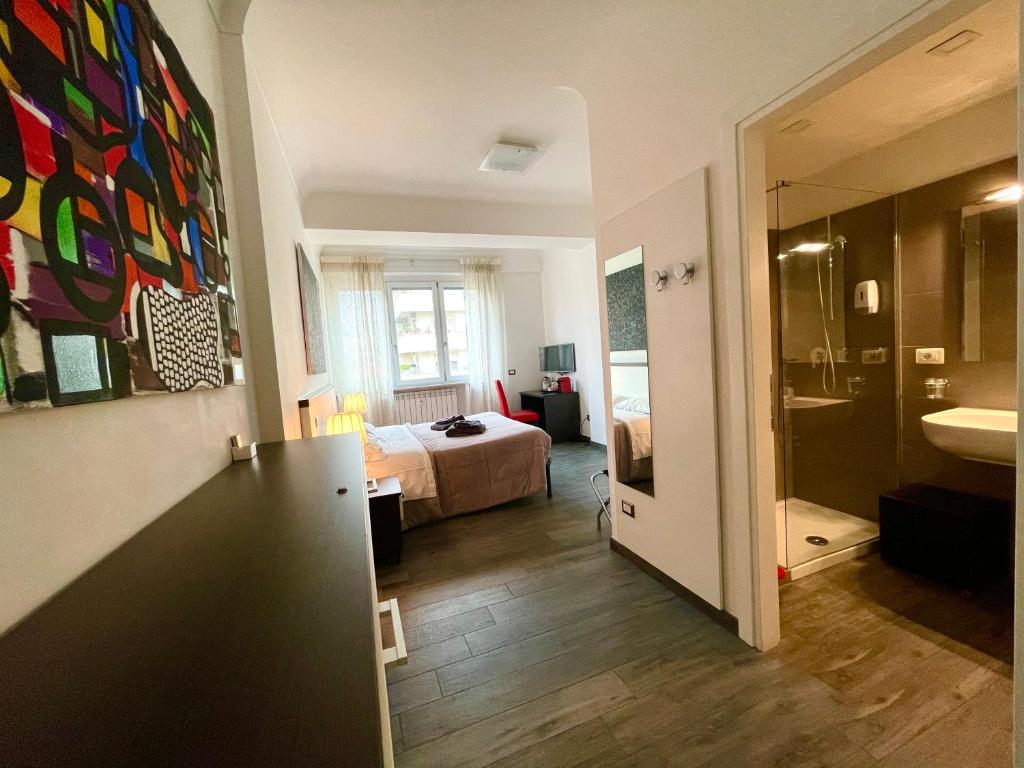
Kuala Lumpur accommodations welcome you to a destination nicknamed “The Garden City of Lights”.
Kuala Lumpur known for: iconic towers, temples, shopping malls, museums, convention centers, street markets, parks, gardens, squares, skyline, observation decks, natural surroundings, hiking trails, waterfalls
The Federal Territory of Kuala Lumpur is located in central-western Malaysia. Founded at the Gombak and Klang Rivers’ confluence, Kuala Lumpur means “muddy confluence”. 400 million years old and also the site of Hindu temples and shrines, the limestone Batu Caves are located just north of the city.
Bordering / surrounding Kuala Lumpurpoints of interest: Kemensah Trail, Dam Stop (scenic spot), Bukit Kembara Trailhead (hiking area), KL-View in Ampang (tourist attraction), Bukit Saga via Taman Saga (hiking area), Ketumbar Hill (hiking area), National Stadium Bukit Jalil, Wawasan Hill Trail (hiking area), Sunway Lagoon (theme park), Taman Rimba Bukit Kerinchi (park), Thai Buddhist Chetawan Pagoda (Buddhist temple), Taman Tasik Metropolitan Kepong (park), Pisang Waterfall, Lepoh Waterfall
Kuala Lumpur top events: Thaipusam, Wesak Day, Kaamatan and Gawai Harvest Festivals, Chinese New Year, Dragon Boat Festival, Malaysia Water Festival, Control World Expo,ARCHIDEX
Kuala Lumpur’s professional football club is Kuala Lumpur City F.C.Keep in mind that the Kuala Lumpur region is mostly Muslim. Women travelers, however, will have no problem wearing dresses in tourist areas or bikinis at the beach. In temples. women will need to dress more conservatively. While in public, couples should refrain from PDA (public displays of affection). Kuala Lumpur’s currency is the Malaysian ringgit, cars travel on the left-hand side and the drinking age is 21 years old.Kuala Lumpur accommodations are some of Southeast Asia’s best. Before we get to Kuala Lumpur accommodations, let’s take a look at some more background information on the area to help you along the way.
A relatively young city, Kuala Lumpur is thought to have been founded in 1857 by the Malay Chief of Klang, Raja Abdullah, who sent Chinese tin miners to the area. Just prior to that time, in the 1820s, settlements likely existed at the Gombak-Klang river confluence. Chinese tin mining actually started in the area circa the 1840s. Originally, Kuala Lumpur was a small hamlet with a few houses and shops. The first relevant tin mine was opened at Ampang in eastern Kuala Lumpur. Despite setbacks from malaria, the Ampang tin mines proved successful. Hiu Siew and Yap Ah Sze, two traders from Luku, set up shops to trade provisions for tin. Thereafter, the city developed around Old Market Square. As competition for productive tin mines grew fierce, tin miners formed gangs, which fought frequently. Important leaders and groups in the 1860s were Yap Ah Loy, third Chinese Kapitan of Kuala Lumpur, Haji Mohamed Tahir, the Dato Dagang “chief of traders”, the Minangkabaus of Sumatra, who established tobacco plantations in the area, and Haji Mohamed Taib, who was involved in the early development of the Kampung Baru Malay enclave. Early Kuala Lumpur buildings, like in many other cities, were made of wood and thus were prone to catching fire. Flooding also became a problem. From 1867-1874, the Selangor Civil War, or Klang War, between Raja Abdullah loyalists (aided by the United Kingdom near the war’s end) and Raja Mahdi loyalist Sumatran groups resulted in a Raja Abdulla-faction victory, British residency of Selangor, and Selangor’s becoming part of the Federated Malay States circa 1895. British colonial administrator Frank Swettenham improved the city by cleaning up and widening the streets, and replacing wooden buildings with brick and tile. Shophouse architecture became a distinct characteristic of the area. In 1886, Swettenham initiated and completed a railway line between Kuala Lumpur and Klang. As the population increased, a Sanitary Board was created on May 14, 1890, which helped assuage diseases such as cholera. Between 1895 and 1903, Kuala Lumpur expanded from 0.25 square miles to 7.7 square miles. By 1924, the city spanned 20 square miles. In Selangor, the rubber industry developed in the early 20th century. Demand for car tires led to an economic boom. The Imperial Japanese Army, during World War II, captured the city on January 11, 1942. Following the atomic bombings of Hiroshima and Nagasaki, General Seishirō Itagaki surrendered the city to British administration. In 1957, Malaysia gained independence from British rule by way of the Malayan Declaration of Independence. The 1946-1960 Malayan Emergency between British Empire / Commonwealth forces and Communist forces resulted in a Commonwealth forces victory. Communist forces retreated to the Malayan-Thai border. Becoming a Federal Territory in 1974, Kuala Lumpur reached 94 square miles. From 1968 to 1989, the Second Malayan Emergency led to the Peace Agreement of Hat Yai, which marked the end of the Communist insurgency in Malaysia. From the 1990s onward, major developments in the Klang Valley further extended the Kuala Lumpur metropolitan area. On March 1, 1996, the Petronas Towers were completed, followed by Merdeka 118 in November, 2023.
Commonly called KL and officially known as the Federal Territory of Kuala Lumpur, Kuala Lumpur is home to around 2 million “Kuala Lumpurians”. Malaysia’s national capital and largest city, Kuala Lumpur draws in around 9 million tourists annually. At street markets, haggling can result in lower prices. Kuala Lumpur’s most common monkey species is macaques, which will interact with visitors at tourist sites. While generally not harmful, macaques have been known to try and steal peoples’ belongings. The Parliament and Monarch of Malaysia are both based in Kuala Lumpur. Three of the world’s top-ten largest shopping malls can be found in The Garden City of Lights. Located in the Klang Valley, the larger Kuala Lumpur area is bordered by the Titiwangsa Mountains to the east, smaller mountain ranges to the north and south, and the Strait of Malacca to the west. Sumatra Island is also westward. Kuala Lumpur was once a Selangor State Government territory, but in 1974 split to form Malaysia’s first Federal Territory. Home to a tropical rainforest climate, Kuala Lumpur experiences warm-to-hot temperatures throughout the year. The low temperature has never fallen below 64 °F. Monsoon season occurs between October and March. Additional points of interest include Kuala Lumpur City Centre (KLCC), National Museum of Malaysia, St. John’s Cathedral, Sri Mahamariamman Temple, Merdeka 118, Sultan Abdul Samad Building, Bukit Bintang (shopping, entertainment, red-light district), Petaling Street (Chinatown), Tugu Negara (National Monument), Titiwangsa Lake Gardens and Saloma Link (pedestrian bridge). Local foods are durian, nasi lemak (rice dish cooked in coconut milk and pandan leaves), Ikan bakar (charcoal-grilled fish), char kway teow (flat noodles stir-fried with shrimp, sausage, oyster sauce, bean sprouts, chives, soy sauce and other ingredients) and roti canai (flatbread). Teh tarik (hot milk tea drink), toddy (palm wine), samsu liquor and tuak (rice wine) are popular drinks.. With some background information on the area, we’re ready for Kuala Lumpur accommodations that will help make for a memorable trip.
Hotel amenities: outdoor infinity pool, poolside cabanas / daybeds, city / park views, spa, fitness center, air conditioning, free Wi-Fi, Smart TVs, marble bathrooms, indoor golf area, tennis courts
Nearby restaurants / bars: M Marini Grand Caffè & Terrazza (Italian restaurant), Marble 8 (steakhouse), Mandarin Grill (bar and grill), Mosto Wine Bar & Restaurant, WIP On The Park (restaurant), Mosaic (buffet restaurant), Aqua Restaurant & Bar (tapas restaurant), Lai Po Heen (Chinese restaurant), Lai Po Heen Cantonese Restaurant, WET® Deck, W Kuala Lumpur (bar), Lounge on the Park (cocktail bar), MariGin (bar)
Hotel amenities: restaurant, bar, buffet breakfast, air conditioning, free Wi-Fi, flat-screen TVs, iPads (control room lights, black-out blinds, curtains, temperature, TV & radio channels), safety deposit boxes, desks, 24-hour front desk, business center, free private parking
Nearby: Blue Boy Vegetarian Food Court – Bukit Bintang (vegetarian restaurant), Daawat Restaurant (Indian restaurant), Dury Dury (fruits wholesaler)
Hotel amenities: restaurant, bar, outdoor swimming pool, city views, fitness center, air conditioning, free Wi-Fi, flat-screen TVs, coffee machines, desks, 24-hour front desk, currency exchange, tour arrangements, ticketing / concierge service
Nearby: Little Rara Thai Noodle House, Fuze Club, Paramount Club, Kuala Lumpur Convention Centre
Hotel amenities: multiple dining options, bar, afternoon tea, outdoor swimming pool, city views, sauna, steam room, hot tub, fitness center, large windows, stylish décor, free Wi-Fi, flat-screen TVs, tea / coffee making facilities, mini-bars, bathrobes, 24-hour front desk, currency exchange, laundry services
Hotel amenities: 4 dining options, outdoor swimming pool, panoramic city, lake & garden views, large windows, free Wi-Fi, flat-screen TVs, safes, workstations, 24-hour front desk, currency exchange, luggage storage, laundry service
Nearby: PRIME (steakhouse), Latest Recipe (restaurant), Skin Master (medical spa), National Mosque of Malaysia
Petronas Twin Towers | Kuala Lumpur Convention Centre
Hotel amenities: 3 restaurants, bar with Petronas Twin Towers views, outdoor swimming pool, city / park views, terrace, spa, 24-hour fitness center, floor-to-ceiling windows, free Wi-Fi, 42-inch flat-screen TVs, coffee machines, 24-hour front desk, currency exchange, luggage storage, business center, meeting rooms, airport transfers for an extra charge
Hotel amenities: restaurant, bar, buffet / American breakfast, outdoor swimming pool, city views, garden, spa, sauna, hot tub, fitness center, air conditioning, free Wi-Fi, flat-screen TVs, kettles, desks, hairdryers, 24-hour front desk, free private parking, airport transfers
National Museum of Malaysia | Orang Asli Craft Museum Kuala Lumpur | National Planetarium Kuala Lumpur
Hotel amenities: multiple restaurants, bar, breakfast, outdoor swimming pool, spa, sauna, fitness center, floor-to-ceiling windows, air conditioning, free Wi-Fi, 24-hour front desk, concierge services, luggage space, meeting room facilities, private parking, shuttle service
Nearby:Iketeru (Japanese restaurant), USHI (fine dining restaurant), Astor Bar, EST BREW (coffee shop)
National Textiles Museum | Sultan Abdul Samad Building
Hotel amenities: restaurant, bar, à la carte breakfast, outdoor swimming pool, sun terrace, fitness center, air conditioning, free Wi-Fi, flat-screen TVs, electric tea pots, mini-bars, safety deposit boxes, 24-hour front desk, concierge service, ironing service, business center
Nearby restaurants / bars: Raw (restaurant), Coupe De Vin (wine bar)
Nearby misc.: AOOO Melbourne Cafe, Pucks Coffee (coffee shop), Wong Mee Coffee Stall (coffee shop), NEW FLOWER MARKET, Guan Di Temple Chinatown (Taoist temple)
Approximate cost per night (Apartment, 3 Bedrooms, Park View): $472
Cost per person (seven people): $67
So there they are, Kuala Lumpur accommodations that will help make for a memorable trip. We hope you have found this information valuable and most importantly, that you enjoy your time in Malaysia!
Cape Town is located on Africa’s southwestern coastline. Cape Town’s two main bays are Table Bay (Atlantic side) and False Bay (southerly). False Bay typically is about 6 °C warmer due to its proximity to the Indian Ocean’s Agulhas Current. Once prevalent in False Bay, great white sharks have decreased in numbers significantly since about 2018. Part of the reason for great white disappearance is the presence of two apex killer whale predators named Port and Starboard, who are known to eat great white shark livers by ramming them and flipping them into a tonic state.
For American travelers, Cape Town makes for a fine layover stop & gateway to Australia.
Cape Town’s main sports are cricket, rugby and football. The city’s professional sports teams are MI Cape Town (cricket), DHL Stormers (rugby) and Cape Town City FC. When in South Africa, keep in mind that rolling blackouts, or load-shedding, can happen. Caused by a monopoly on the power supply, outdated power facilities and/or worker strikes, load-shedding occurs when power demand exceeds the power supply. Good accommodations, such as those found herein, should have a back-up power supply / generator, so that a power outage will not interrupt your stay. During load-shedding, cellphone towers should continue to operate normally, as they also should have a backup power supply. Be sure to keep your cellphone charged and keep in mind that ATMs will not be operable during load-shedding. The smartphone app EskomSePush (ESP) (should be available in a smartphone app store) allows the user to see Cape Town’s load-shedding schedule in advance.Cape Town tourist areas generally are safe. Places to avoid, however, are nearby townships, or “flats”, which are located southeast of the central business district. In addition to poverty, flats are known to have gang activity. When in Cape Town, one should consume bottled water, though tap water should be fine for brushing teeth. Cape Town’s currency is the South African rand, the drinking age is 18 years old and cars travel on the left-hand side.Cape Town accommodations are some of Africa’s best. Before we get to Cape Town accommodations, let’s take a look at some more background information on the area to help you along the way.
Discovered at Fish Hoek (Peers Cave), archaeological evidence suggests that humans have inhabited the Cape Town area for at least 12,000 years. Written history of the region does not exist until an account by Portuguese mariner and explorer Bartolomeu Dias, who, in 1488, became Europe’s first navigator to round Africa’s southern tip. Dias first named the area “Cape of Storms”, which was later renamed to “Cape of Good Hope” by Portugal’s King John II. En route to India, Portuguese explorer Vasco da Gama in 1497 recorded his sighting of the Cape of Good Hope. The Battle of Salt River on March 1, 1510 between the Portuguese Empire and the indigenous ǃUriǁʼaekua nomadic tribe resulted in a decisive ǃUriǁʼaekua victory. Prior to the advent of gunpowder, the Portuguese arrived armed with crossbows, spears and swords, while the ǃUriǁʼaekua, anticipating the Portuguese’s advances inland, awaited with poisoned arrows, spears, stones and cattle shields. Table Bay became an important stop-over for late-16th century European ships traveling to the Indies. Ships, mainly Portuguese, but also English, Dutch, French and Danish, traded iron, copper and tobacco with the region’s Khoekhoe clans in exchange for meat and other traveling provisions. Dutch navigator Jan van Riebeeck of the United East India Company established a way-station at Fort de Goede Hoop, which would later become Castle of Good Hope, in 1652. Van Riebeeck and his successors introduced a range of agricultural plants such as grapes, apples, citrus, potatoes, ground nuts and cereals. In 1795, Britain captured Cape Town, though it was returned to the Dutch by way of treaty circa 1803. The January 1806 Battle of Blaauwberg between the United Kingdom and the Batavian Republic and the First French Empire resulted in a British victory, with the United Kingdom subsequently controlling the Dutch Cape Colony throughout the Napoleonic Wars. In 1814, the Anglo-Dutch Treaty granted Britain possession of the Cape Colony, or Cape of Good Hope, indefinitely. Uniting with three other colonies, Britain would control Cape Colony from 1806 until 1910. Throughout the 1800s, Cape Colony’s territory expanded substantially. Britain engaged in nine wars with the ethnic Xhosa Kingdom on the colony’s eastern frontier. In 1849, the Convict crises, caused by Britain’s prospect of creating a penal colony in the area, were marked by civil upheaval and protests. Carrying 288 “ticket of leave” Irish convicts, The Neptune merchant ship sought to moor at Cape Town in 1849. Ultimately, the Convict crisis proved successful for Cape Town’s protestors, as they were able to thwart the penal colony system to places such as Hobart, Tasmania. These events triggered a nationalistic sense of self-government, and the Cape attained its own parliament in 1854, followed by a locally accountable Prime Minister in 1872. Britain introduced more plant species such as rooikrans and eucalyptus during the 1850s-60s. Cape Government Railways built the area’s first railway line circa 1859. In 1867, diamonds were discovered in Northern Cape Province’s Griqualand West area. The 1886 Witwatersrand Gold Rush flooded South Africa with immigrants. In 1895, Cape Town’s first public power station, the Graaff Electric Lighting Works, opened. The Second Boer War (October 11, 1899 – May 31, 1902) between the United Kingdom and the South African Republic, Orange Free State and Cape Boers resulted in a British victory, dissolution of the South African Republic and the Orange Free State and the Treaty of Vereeniging, which officially ended the Second Boer War. The Treaty granted self-government to the Boer colonies. On May 31 1910, the Union of South Africa was created, with Cape Town becoming the Union’s legislative capital. Johannesburg overtook Cape Town as the Union of South Africa’s largest city in 1936. 480 acres of developed land were added to Cape Town’s City Bowl area circa 1945. In 1950, Cape Town ‘s new apartheid government introduced the Group Areas Act, which classified and segregated urban areas according to race. The District Six suburb was declared whites-only in 1965, housing was demolished therein, and residents were forcibly removed, mostly to the Cape Flats area (remember to avoid). Since the end of the 17th century, the area’s Robbin Island had been used not as a penal colony, but as a place of incarceration for political prisoners. One of Robben Island’s most infamous prisoners was anti-apartheid activist, lawyer and eventual president Nelson Mandela, who served 18 of his 27 years of imprisonment therein. On April 27, 1994, Cape Town’s first democratic election was held. Following apartheid, Cape Town experienced economic growth, mainly from international investment and tourism, though the city has been affected negatively by water and power shortages, turf wars and gang activity outside of tourist areas.
South Africa’s capital and oldest city, Cape Town is home to around 430,000 “Capetonians”. With its Portuguese roots, over 80% of Mother City’s population identifies as Christian. Cape Town welcomes around 3 million visitors annually. Food and fashion retailer Woolworths is headquartered in the city. Over 3,300 feet high, Table Mountain, with its characteristic flat top, is one of the world’s most distinguishable mountains, accessible by cableway or on foot. Around 2,200 different plant species exist on Table Mountain. Many types of Table Mountain’s proteas, or flowering plants known also as sugarbushes, are found nowhere else in the world. As introduced by Europeans throughout its history, Cape Town’s biodiversity is one of the world’s highest-ranking. Apart from penguins and seals, otters, ostriches and baboons are some of the area’s other types of wildlife. Although Great White Sharks are not as abundant as they once were, wintertime is still considered the best time to go Shark Cage Diving due to better visibility. A warm, Mediterranean climate accounts for mild winters and warm summers. Similar to Melbourne, Cape Town may experience rapid weather changes during winter months, which last from June to September. Aside from Table Mountain and other peaks, Cape Town is absent from snow and frost during winter. For much of the year, Mother City’s high temperatures average above 70s degrees Fahrenheit, with cool to warm evenings. Additional points of interest include Robben Island Museum, St. George’s Cathedral, Grand Parade (square), Central Business District (City Bowl), Devil’s Peak, Signal Hill, Clifton Beach, Sandy Bay (nudist beach), Cape Floristic Region, Simon’s Town, Cape Town City Hall, Houses of Parliament, Port of Cape Town and University of Cape Town. A common cooking method in Cape Town is barbecue, especially when the power goes out. Local foods include various seafoods of course, the Gatsby sandwich (submarine sandwich filled with French fries, known as chips, and choice of fillings / sauces), Bobotie (baked spiced minced meat, topped with egg, French fries, various other fillings – steak, fish, calamari, chicken, sausage), koeksisters (cake-like pastry), Malva pudding and Cape Brandy Pudding. Beer and of course wine are popular alcoholic beverages. Equipped with some background knowledge on the area, we’re ready for Cape Town accommodations that will help make for a memorable experience.
Hotel amenities: restaurant with a glass roof, outdoor pool, garden / mountain views, balconies, patios, indoor pool, spa, gym, South African artwork décor, flat-screen TVs, tea / coffee making facilities, mini-bars, free private parking
Guesthouse amenities: daily breakfast in the garden under palm trees / on the veranda, saltwater swimming pool, terraces, lush gardens, air conditioning, free Wi-Fi, flat-screen TVs with German channels, tea / coffee making facilities, mini-bars, assistance with scheduling tee times at nearby golf courses
Nearby: The Setup for Hair (hairdresser), The Hair Cafe (beauty salon), Bodies in Balance (Pilates studio), Ballet Steps (dance store)
Guesthouse amenities: bar, lounge, pool with a view, mountain views, terraces, garden, air conditioning, free Wi-Fi, flat-screen TVs, safety deposit boxes, desks, a la carte / continental breakfast, luggage storage space, free private parking, full-day security
Hotel amenities: restaurant, bar, poolside bar, free English breakfast, outdoor pool, rooftop terrace, air conditioning, free Wi-Fi, 24-hour front desk, concierge services, luggage storage, laundry facilities, meeting room, conference center, free parking, airport transfer
Hotel amenities: bar, poolside bar, outdoor pool, terrace, library, gym, air conditioning, free Wi-Fi , 24-hour front desk, concierge services, luggage storage, laundry facilities, car rentals, free parking, airport transfer
Two Oceans Aquarium | Cape Town Stadium | Greenpoint Market
Hotel amenities: restaurant, bar, outdoor pool, rooftop terrace, garden, spa, air conditioning, free Wi-Fi, 24-hour front desk, concierge services, luggage storage, laundry facilities, car rentals, free parking, airport transfer
Hotel amenities: bar, 2 pools (1 heated), sundecks, fitness center, contemporary décor, free Wi-Fi, flat-screen TVs, Bluetooth sound bars, kitchens, daily-stocked refrigerators (breakfast items), airport shuttle service for an extra charge
Nearby misc.: Mirror Number 9 Color and Blonde Specialist (hairdresser), Theatre on The Bay (performing arts theater), Camps Bay Tidal Pool (public swimming pool), Up Cycles Camps Bay (bicycle rental service)
Hotel amenities: 2 restaurants, bar, poolside bar, free English breakfast, winery, outdoor pool, terrace, garden, library, spa, sauna, steam room, gym, air conditioning, free Wi-Fi, 24-hour front desk, concierge services, luggage storage, laundry facilities, bike rentals, free parking, airport transfer
Hotel amenities: restaurant, bar, free full breakfast, outdoor pool, rooftop terrace, lobby fireplace, air conditioning, free Wi-Fi, 24-hour front desk, concierge services, luggage storage, laundry facilities, free parking, airport transfer
Hotel amenities: bar, poolside bar, outdoor pool, terrace, garden, spa, air conditioning, free Wi-Fi, front desk (limited hours), concierge services, bellhop, luggage storage, laundry facilities, bike rentals, free parking, airport transfer
Hotel amenities: restaurant, bar, outdoor pool, terrace, outdoor furniture, garden, air conditioning, free Wi-Fi, laundry facilities, front desk (limited hours), concierge services, luggage storage, free parking, airport transfer
Nearby: Kommetjie Public Beach, The Green Room (restaurant), Kommetjie Pizzeria (pizza restaurant), Good Riddance Coffee Co. (café), Wax Pretty (waxing hair removal service), Kommetjie Surf (surf lifesaving club)
Hotel amenities: high Victorian pressed ceilings, original features, decorative antique fireplaces, free Wi-Fi, coffee machines, mini-bars with complimentary water, a la carte breakfast
Hotel amenities: bar, swimming pool, sea views, sauna, air conditioning, free Wi-Fi, flat-screen TVs, iPad docking stations, bathrobes, slippers, free private parking, shuttle service
Nearby:The Bungalow (restaurant), Cédric French Pastry (pastry shop), Glen Country Club (event venue), Parapax Lion’s Head Paragliding Site, Cape Trekking Guided Hikes (tour agency), Biskop Steps (fitness area), Maiden’s Cove, Glen Beach, Clifton Beaches, Fives Futbol Clifton (sports complex), Lila Bank (observation deck), Pipe Track Trail Run (tourist attraction), Lion’s Head Hiking Trail, Lions Head Peak (hiking area), The Glen Tree Circle (hiking area)
Hotel amenities: bar, free full breakfast, outdoor pool, terrace, garden, library, air conditioning, free Wi-Fi, luggage storage, laundry facilities, meeting room, free parking, airport transfer
Nearby:The Source (yoga studio), Kirstenbosch Stone Cottage (market)
Hotel amenities: restaurant, bar, walnut-colored floors, elegant rooms, leather-back beds, flat-screen TVs, airport shuttle service for an extra charge
Blinkwater Villa is 12 miles from Cape Town International Airport.
Approximate cost per night: $1,279
Cost per person (eight people): $159
So there they are, Cape Town accommodations that will help make for an excellent trip. We hope you have found this information valuable and most of all, that you enjoy your time in South Africa!
Singapore is an island-country and city-state located on the Malay Peninsula’s southern tip in maritime Southeast Asia. Acting as Singapore’s northern border and separating the island-country from Malaysia to the north, The Johor Strait stretches east-to-west for 30 miles, with a maximum width of 3 miles. Surrounding the country are the Malaysian state of Johor Bahru to the north and the Singapore Strait to the south. Across the Singapore Strait, Indonesia’s Riau Islands include the largest island of Batam.
English is Singapore’s most commonly spoken language, especially around tourist areas. Outside of tourist areas, one should dress more conservatively. Do not smoke or chew gum in public, as these acts are actually illegal. Strict rules are also enforced against littering. Gratuity is often included on restaurant bills. Nightclubs sometimes have their own minimum-age for entry, though the minimum of 18 years old is most common. Singapore’s currency is the Singapore dollar, cars drive on the left-hand side and the drinking age is 18 years old. Singapore accommodations are some of Southeast Asia’s best. Before we get to Singapore accommodations, let’s take a look at some more background information on the area to help you along the way.
In the 14th century, Temasek (Singapore) existed as a Majapahit Empire (Java island) and Siamese kingdom (present-day Thailand) trading port. One of the area’s first settlements was located at Fort Canning Hill. By the 17th century, Singapore was part of the Johor Sultanate, which controlled much of the Malay Peninsula along with a part of Sumatra to the southeast. Portuguese raiders burned down the settlement circa 1613, and the island was largely abandoned for the next two centuries. The Dutch took control of the area’s maritime trade following their 1641 conquest of Malacca (a southern Malaysian state). Dutch Malacca lasted from 1641 to 1825, the longest period under which Malacca remained under foreign control. On January 28, 1819, British lieutenant-governor Stamford Raffles arrived in Singapore. Raffles quickly recognized the island’s potential as a new port. At this time, Singapore was ruled nominally by Johor’s 18th Sultan, Tengku Abdul Rahman, who presided under Dutch and Bugis control. Capitalizing on a division of power between Sultanate brothers, Stamford Raffles smuggled Abdul Rahman’s elder brother Tengku Long, who had been exiled to the Riau Islands, into Singapore, where Raffles recognized Tengku as the rightful Sultan of Johor. In exchange, Britain was granted a trading post on Singapore. Signed on February 6, 1819, the Treaty of Singapore marked the official founding of modern Singapore, and allowed the British East India Company to open a trading post on the island. Naturally, the entire island was absorbed into the British Empire by 1824, and became part of the Straits Settlements by 1826. In 1836, Singapore became British India’s regional capital. By 1860, the island’s population had reached 80,000. Over half of the population was Chinese, who had immigrated to work on the island’s pepper and gambier plantations. The Straits Settlements came under direct control of Britain circa 1867, and in the 1890s Singapore’s rubber exports came into prominence. Singapore’s only significant World War I event was the 1915 Singapore mutiny initiated by Indian Muslims, who believed they would be sent to fight against the largely Muslim Ottoman Empire. Following World War I, Britain built Singapore Naval Base. During the Second World War’s Pacific War, Japan captured Singapore from Britain following the invasion of Malaya and the Battle of Singapore. On August 15, 1945, Japan surrendered Singapore to the Allies, at which time a brief state of disorder, looting and revenge-killing ravaged the island. On April 1, 1946, the island’s British Military Administration ended and Singapore became a separate Crown Colony, governed again by Britain. Chinese communists waged guerrilla warfare against the government during the 1950s. The Malayan Emergency (1948-1960) between British Empire /Commonwealth forces and the Malayan Communist Party resulted in a Commonwealth victory, the Federation of Malaya on August 31, 1957 and a communist retreat to the Malayan-Thai border. Subsequent to Britain allowing Singapore to be largely (apart from militarily) self-governed, the People’s Action Party won Singapore’s May 30, 1959 election handily. Tunku Abdul Rahman, Malaya’s prime minister, proposed a new Federation called Malaysia on May 27, 1961, which Britain believed would prevent Singapore from becoming a communist haven. Singapore, Malaya, North Borneo and Sarawak joined to form the Federation of Malaysia on September 16, 1963 through the Malaysia Agreement, which granted Singapore a high level of autonomy relative to other states. On August 9, 1965, though, stemming from trade restrictions and race riots, Singapore was expelled from Malaysia. The expulsion ironically and ultimately would help to bolster Singapore, however, as it became the newly independent Republic of Singapore. Singapore’s first prime minister and a member of the People’s Action Party, Lee Kuan Yew would serve to shape Singapore’s outlook for the next half-century. During the 1980s, with unemployment dropping to 3%, water fabrication helped Singapore remain competitive in manufacturing with neighboring countries. Around this time, Changi Airport opened, Singapore Airlines formed and the Port of Singapore became one of the world’s busiest ports. Service and tourism industries grew rapidly. Singapore’s real GDP growth would average around 8% until the turn of the millennium. Iconifying modern Singapore, Resorts World Sentosa opened on January 20, 2010, followed shortly thereafter by Marina Bay Sands on April 27, 2010.
Today, Singapore is home to around 6 million “Singaporeans”. Singapore’s name is believed to have originated from Sumatran prince Sang Nila Utama ‘s observation of a “lion” (most likely a Malayan tiger) upon his arrival to the area. The lion, along with the tiger, are displayed on Singapore’s National Coat of Arms. Singapore’s mascot, the Merlion statue, with its fish body and lion head, can be observed at Merlion Park spouting water relatively far into Marina Bay. Lion City attracts over 17 million visitors per year, which naturally accounts for a significant percentage of the country’s GDP. Upscale shopping centers and restaurants are particularly prominent in the Orchard Road (colloquially and simply known as Orchard) shopping belt, located in the Central Area. An important animal sanctuary, the Singapore Zoo attracts around 2 million visitors per year, while Bird Paradise cares for and exhibits around 500 different bird species, totaling around 3,500 birds, from around the world. Universal Studios Singapore receives around 4 million visitors annually. Home to a tropical rainforest climate, Singapore remains consistently warm throughout the year. Average summer highs stay in the upper-80 degrees Fahrenheit, while winters average only a few degrees cooler. Monsoon season occurs from November to February. Additional points of interest include Downtown Core, Port of Singapore, The Victoria Theatre, Jewel Changi Airport, National University of Singapore, The Istana, Parliament House, The Speakers’ Corner and Chinatown. Singapore dishes tend to have some spice to them. Local foods include hainanese chicken rice (poached chicken with seasoned rice, served with spicy chili sauce and cucumber garnishes), chili crab, BBQ stingray, fish head curry, laksa (spicy noodle soup), char kway teow (a stir-fry noodle dish) and hokkien prawn mee (spicy, noodle-based). Singapore’s national drink is the gin-based Singapore Sling, while beer is also popular. With a little background information on the area, we’re ready for Singapore accommodations that will help provide for an incredible experience.
Marina Bay Sands Casino | Cloud Forest | Singapore Flyer
Hotel amenities: casino, 20 different dining options, panoramic skyline views, world’s largest rooftop infinity pool, spa, dark wood décor, carpeted floors, floor-to-ceiling windows, free Wi-Fi, flat-screen TVs, electric kettles with Grand Jasmine tea, slippers, 24-hour front desk, currency exchange, luggage storage
Nearby restaurants: Waku Ghin (modern European restaurant), Chinoiserie (restaurant)
Nearby misc.:The Shoppes at Marina Bay Sands (shopping mall), Sands Expo & Convention Centre (exhibition and trade center), Rain Oculus (tourist attraction), Salon 360 Degree (beauty salon), Christian Louboutin (shoe store), Club Monaco (clothing store), Tory Burch (women’s clothing store), Tom Ford (clothing store), Bath and Body Works
Hotel amenities: multiple dining options, skyline / bay views, mineral water pool, 24-hour fitness center, elegant décor, floor-to-ceiling windows, flat-screen TVs, tea / coffee making facilities
Hotel amenities: multiple dining options (including Michelin-starred), outdoor lap pool, outdoor tennis courts, spa, 24-hour gym, high ceilings, large bay windows, free Wi-Fi, flat-screen TVs, portable Bose Bluetooth speakers, universal sockets / USB charging ports, bathrobes
Hotel amenities:top-floor lounge, panoramic city views, swimming pool, spa, 24-hour gym, contemporary art collection, air conditioning, free Wi-Fi, flat-screen TVs, walk-in closets, marble bathrooms, rain showers, concierge service, complimentary limousine transfer within the vicinity
Hotel amenities:swimming pool, spa, fitness center, teak wood flooring, fine oriental carpets, verandas, separate dining, bedroom and dressing areas, elegant furnishings, free Wi-Fi, 24-hour butler service
Hotel amenities:rooftop bar, rooftop landscaped pool, city views, hot tub, fitness center, rosewood / chrome textures, floor-to-ceiling windows, free Wi-Fi, Nespresso coffee machines, Bluetooth speakers, Balmain toiletries, free parking
Nearby misc.:Sentosa Golf Club, Auriga Spa (spa and health club), Big Bridge (pedestrian bridge), Palawan Viewing Tower (observation deck), Southernmost Point of Continental Asia (scenic spot), 90 Degree Coconut Tree (cultural landmark), Curious Sue (sculpture)
Hotel amenities: outdoor swimming pool, balconies, patios, fitness center, air conditioning, free Wi-Fi, flat-screen TVs, coffee machines, electric tea pots, mini-bars, safety deposit boxes, desks, à la carte breakfast, 24-hour front desk, concierge service, currency exchange, luggage storage space, free private parking
Approximate cost per night (Two Bedroom Deluxe Terrace): $926
Cost per person (four people): $231
So there they are, Singapore accommodations that will help make for an incredible trip. We hope you have found this information valuable and most importantly, that you enjoy your time in Singapore!
Sydney is located on Australia’s southeastern coast, about half-way between the coastal cities of Brisbane (northerly) and Melbourne (southerly). Flowing through northern Sydney, the Parramatta River mixes with salt water (becoming estuarine) near the Parramatta Central Business District’s Charles Street Weir (westerly), continuing past Sydney Opera House and into Sydney Harbour.
Football, rugby and cricket being the city’s main sports, professional teams include Sydney FC, Western Sydney Wanderers, Macarthur FC, Sydney Roosters (rugby), New South Wales Waratahs (rugby) and The Sydney Sixers (cricket). When in Sydney, keep in mind that the weather and traffic both can be unpredictable at times. During nesting season, Magpies, or “Swoop Birds”, can be aggressive, and are known to swoop at pedestrians and cyclists who enter their territory. The best way to avoid sharks is by not swimming at dusk or dawn. Topless sunbathing is common on Sydney beaches. Prostitution is legal in Sydney, with Kings Cross historically being the city’s red-light district. Residents generally are friendly, though they are not reserved when it comes to using swear words. Tipping in restaurants typically is not customary except for outstanding service, though of course is appreciated. Sydney’s currency is the Australian Dollar, cars travel on the left-hand-sideand the drinking age is 18 years old. Sydney accommodations are some of Australia’s best. Before we get to Sydney accommodations, let’s take a look at some more background information on the area to help you along the way.
Possibly evidence of early weaponry, flaked pebbles discovered in Western Sydney suggest that humans may have settled in the Sydney-area for around 50,000 years. Naturally, seafood was an important food source for early coastal clans, while clans in the hinterland most likely hunted and gathered. An estimated 4,000-8,000 Aboriginal people lived in the Sydney area prior to British arrival . On April 29, 1770, Lieutenant James Cook landed at Botany Bay and encountered the Gweagal clan of the Dharawal people, marking the first meeting between Aboriginal clans and British explorers. Resulting from the Treaty of Paris and from Britain’s loss of its American penal colony, Britain sought to establish a new penal colony at Botany Bay. Notably, punishment at this new penal colony would entail more manual labor than incarceration. In January 1788, Captain Arthur Phillip arrived at the Sydney area with 11 ships, known as the First Fleet, carrying over 1,000 settlers and 736 convicts. Port Jackson would become a more suitable place than Botany Bay to settle, particularly at Sydney Cove. On February 7, 1788, now-Governor Phillip formally proclaimed the colony of New South Wales. A fresh water supply and safe harbor, Sidney Cove was described by Philip as “the finest harbour in the world”. In April 1789, smallpox killed about half of the area’s indigenous population. Meanwhile, agriculture proved difficult for the British settlers at first due to poor soil quality around the initial settlement. British Second and Third Fleets arrived between 1790-1791. Former convicts received small grants of land, which were farmed successfully in the Parramatta, Windsor and Camden areas on the Cumberland Plain. Phillip Departed in December 1792, when the colony’s military officers acquired land and began importing goods from visiting ships. Former convicts opened small businesses and engaged in trade. “Sydney town” became a place where soldiers and former convicts, with or without official permission, built homes on Crown land. The new colony had become self-sufficient in food by 1804. New Governor William Bligh, restricting commerce and ordering demolition of the buildings erected on Crown land (some including active and non-active military officers), came head-on with the Rum Rebellion of 1808. The Rum Rebellion between the New South Wales Corps (rebels with a stake in the rum trade) and the Colony of New South Wales resulted, initially, in a rebel victory circa 1808, which deposed and arrested William Bligh, imposed martial law, and installed Luitentant-Colonel George Johnston as Governor, followed by a rebel defeat in 1810, when the New South Wales Corps was disbanded, and Major General Lachlan Macquarie was appointed as new Governor. Macquarie established a bank, a currency and a hospital, and employed a planner to design the city’s street layout. Public buildings, churches, wharves and roads were commissioned at this time. Between 1811-1815, roads were built between Sydney and Parramatta, across the Blue Mountains, and beyond the Great Dividing Range, allowing for large-scale farming and grazing. Free British settlers emigrated to New South Wales following Macquarie’s departure. Between 1826-1840, the area’s free settler population increased from 900 to 29,000. Sydney was declared a city in 1842, when the New South Wales Legislative Council became a semi-elected body. In 1851, gold was discovered in New South Wales and Victoria, which, in actuality, disrupted Sydney, as men moved to the goldfields. Subsequently, Melbourne overtook Sydney as Australia’s largest city, which led to tensions between the two cities. Ultimately, though, the gold rush proved beneficial for both cities, as demand for housing, consumer goods, services and urban amenities increased in both places. Between 1861-1891, Sydney’s population grew from 95,600 to 386,900. Terrace houses in narrow streets became characteristic of Sydney. Abundant Sydney sandstone was used to construct new buildings, including the University of Sydney, the Australian Museum, the Town Hall and the General Post Office, respectively, between 1854 and 1892. In the late-19th century, “coffee palaces” and hotels were erected, while daylight sunbathing was banned at beaches. Designated ocean “baths”, however, remained popular for some. Throughout the 1890s, economic depression struck Sydney. George Reid of the Free Trade Party served as the 12th premier of New South Wales from 1894-1899. Wharves were modernized and inner-city slums were demolished as a result of a 1900 bubonic plague. On January 1, 1901, Australia’s six colonies federalized, and Sydney became New South Wales’ capital. Sydney males volunteered in droves for the First World War armed forces, which reduced unemployment. Following World War I, “homes fit for heroes” in new suburbs such as Daceyville and Matraville, along with “Garden suburbs” and mixed industrial and residential developments, led to a population boom that reached 1 million in 1926. Around this time, Sydney’s rail network became electric and Sydney Harbour Bridge was built. The 1930s Great Depression, particularly in Sydney, stymied new building, and by 1933 the city’s unemployment rate had reached almost 30%. In May and June 1942, during the Second World War, Sydney was attacked by Japanese submarines, resulting in 21 fatalities. Sydney Harbour’s World War II defense system was relatively slight and consisted only of the Garden Island Tunnel System, Bradleys Head Fortification Complex and Middle Head Fortifications. Following World War II, immigration and a significant baby boom ensued in Sydney. Suburbs throughout the Cumberland Plain became populated. Between 1947 and 1971, children accounted for over 75% of Sydney’s population growth. Manufacturing, retail and other service industries bolstered the city’s work force. All three events being controversial, high-rises developed in the 1950s, trade unions imposed “green bans” (a form of strike) in the early-1970s, and Danish architect Jarn Oberg Utzoh designed the Sydney Opera House, which opened in 1973. Sydney transformed from a manufacturing center to a “world city” as a result of tariff protection reductions in 1974, and starting in the 1980s, the city’s overseas immigration grew rapidly.
Oceania’s most traveled city, Sydney is home to around 5.5 million “Sydneysiders”. Sydney is Oceania’s most populous city, and New South Wales’ state capital. The Harbour City is tucked inside Sydney Harbour, an inlet of the Tasman Sea, which is part of the South Pacific Ocean. To the city’s west, the Blue Mountains extend north-to-south for 60 miles with a highest peak of 3,901 feet. Sydney is one of the world’s most livable cities, although also one of the most expensive. An Alpha city, Sydney’s advanced market economy is bolstered by tourism, manufacturing and finance. In 2013, The Harbour City welcomed around 2.8 million international visitors. One of Sydney’s best surf breaks is found at North Narrabeen, a suburb in northern Sydney. Home to a Köppen–Geiger climate, Sydney experiences warm-to-hot summers and mild-to-cool winters. Due to variations in wind patterns and oscillating sea surface temperatures, the city’s weather may change relatively rapidly. Summer high temperatures can reach over 100 degrees Fahrenheit while winters average in the high 60s. Additional points of interest include Bondi Beach, The Domain, Centennial Parklands, York Street, Pitt Street, George Street, Darlinghurst Road, Circular Quay, State Theatre, Parliament House, Government House, Sydney Town Hall, General Post Office, Anzac War Memorial, Archibald Fountain, Sydney CBD, Central Station, State Library of New South Wales, University of Sydney, Accor Stadium, Allianz Stadium, CommBank Stadium and Chinatown. Local foods are barramundi (fish), Yellowfin tuna, Sydney rock oyster, Australian prawns, chicken parmigiana, barbecued sausages and seafood, fish and chips, meat pies, potato cake, bacon and egg rolls, avocado on toast, lamington cake (sponge cake) and Tim Tams (chocolate biscuits). Drinks include red wine, beer, Bundaberg Rum (sugar cane rum that can be found on tap), Espresso martinis, bottled cocktails, ginger beer and lemon, lime and bitters (mostly soft drink, with bitters). Beer is often served by the schooner, or “schooey”, which is a 425 milliliter type of beer glass. With some background information on the area, we’re ready for Sydney accommodations that will help make for an exciting trip.
Hotel amenities: bar, restaurant, panoramic views, swimming pool, therapeutic spa, sauna, fitness center, free Wi-Fi, flat-screen TVs, Chinese tea, slippers, free Christian Lacroix toiletries, airport transfers upon request
Hotel amenities: restaurant, bar, buffet breakfast, balconies, indoor pool, hot tub, air conditioning, free Wi-Fi, flat-screen TVs, coffee machines, electric tea pots, mini-bars, safety deposit boxes, desks, 24-hour front desk with Arabic, German, English and Spanish-speaking staff, currency exchange, business center
Hotel amenities: restaurant, bar, buffet, continental or vegetarian breakfast, garden, terrace, air conditioning, free Wi-Fi, safety deposit boxes, 24-hour front desk, ATM
Nearby:Me-Gal Restaurant, Wild Ropes (high ropes course), Seal Show (zoo), QBE Free Flight – Bird Show, Whiting Beach, Curlew Camp Artists’ Walk (national reserve), Taronga Zoo Wharf (ferry terminal), Little Sirius Point (tourist attraction), Roar and Snore Taronga Zoo, Taylor’s Bay Beach, Bradleys Head (city park), Athol Hall (event venue), Athol Beach, Bradleys Head Walking Track (tourist attraction), Rifle Wall (historical landmark), Military relics at Bradleys Head (tourist attraction), Bradleys Head Fishing Spot (tourist attraction), Bradleys Head Amphitheatre, Bradleys Head Rd (notable street), H.M.A.S. Sydney I Memorial Mast (historical place), Bradleys Head Lighthouse (historical landmark)
Hotel amenities: restaurant, bar, buffet / à la carte breakfast, city views, indoor pool, spa, sauna, hot tub, wellness center, fitness center, air conditioning, free Wi-Fi, flat-screen TVs, hairdryers, 24-hour front desk, car rental service, business center
Hotel amenities: bar, terrace, fitness center, air conditioning, free Wi-Fi, flat-screen TVs, coffee machines, mini-bars, safety deposit boxes, desks, 24-hour front desk, car rental service
Hotel amenities: casino, 20+ bar & restaurant options, city views, day spa, Turkish bath, scented outdoor pool, pool bar, air conditioning, flat-screen TVs, iPod docking stations, mini-bars, safety deposit boxes, Egyptian cotton sheets, bathrobes, 24-hour reception, valet parking
Nearby restaurants: Flying Fish (seafood restaurant), BLACK Bar & Grill (steakhouse), Sokyo (Japanese restaurant), Bar Tikram (bar)
Hotel amenities: restaurant, bar, panoramic city / bay views, swimming pool, day spa, hot tub, sauna, tennis court, fitness center, mahogany furniture, stylish décor, flat-screen TVs, marble bathrooms
Nearby misc.:Cafe Bondi, Jacks North Bondi (coffee shop), Body By Berner Bondi (wellness center), Lets Go Surfing (surf school), North Bondi Beach (beach pavillion), North Bondi Outdoor Gym, Biddigal Reserve (park), Ray O’Keefe Reserve (park), Ben Buckler Point (scenic spot)
So there they are, Sydney accommodations that will help make for an unforgettable trip. We hope you have found this information valuable and most of all, that you enjoy your time in Australia!
Melbourne accommodations welcome you to a destination nicknamed “Garden City”.
Melbourne known for: museums, theaters, historic prisons, art galleries, shopping areas, salons, produce markets, beaches, parks, gardens, reserves, street art, sporting events, nightlife, business district
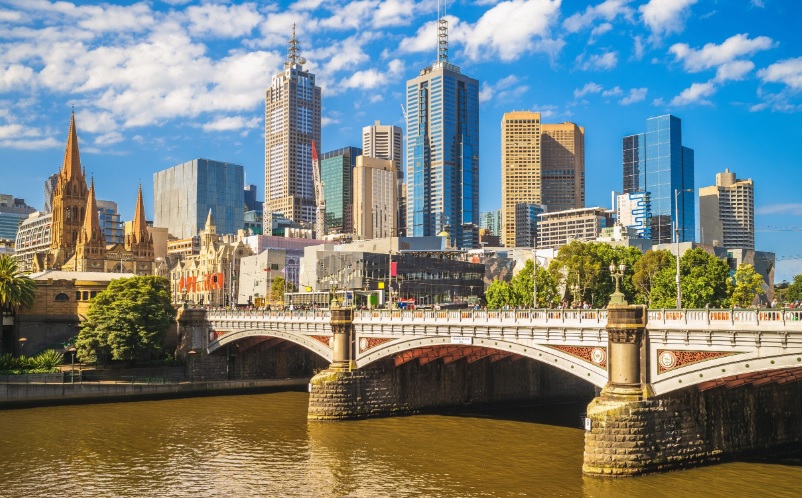
Melbourne is located in southeastern Australia, about half-way between Adelaide and Sydney in a bow-line shape. Southward across the Bass Strait, the island of Tasmania is about 300 miles from Melbourne. Brown in coloration due to clay deposits, the Yarra River flows through central Melbourne near the Docklands area. The Yarra River’s characteristic zig-zag course is sourced by the Upper Yarra Reservoir.
Melbourne’s professional football clubs are Melbourne City FC and Melbourne Victory FC (central Melbourne – AAMI Park) A semi-professional club, South Melbourne FC has recorded the most competitive honors of all Australian clubs. After 14 years in the Super Rugby Pacific competition, the Melbourne Rebels sadly will no longer be participating as of the 2025 season. The Melbourne Stars (cricket) play at Melbourne Cricket Ground, or “The ‘G”, which is the Southern Hemisphere’s largest stadium (100,024 capacity). When in Melbourne, keep in mind that it can get cool in the winter months. Tipping in restaurants generally is not customary unless service is exceptional, though of course is appreciated. While Melbourne generally is safe, one should nevertheless remain vigilant at night particularly in the Central Business District. Locals generally are friendly, but be sure not to block the tram exits. Melbourne’s currency is the Australian dollar, cars travel on the left-hand side and the drinking age is 18 years old. Melbourne accommodations are some of Australia’s best. Before we get to Melbourne accommodations, let’s take a look at some more background information on the area to help you along the way.
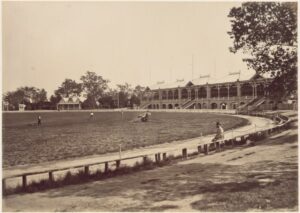
For 40,000 years Aboriginal Australians are thought to have lived in the Melbourne area. In October 1803, Colonel David Collins established Victoria’s first British settlement, located at Sullivan Bay near Sorrento, which was part of New South Wales’ penal colony. Due to a perceived lack of resources, the settlers moved to Van Diemen’s Land, or Tasmania, where they founded the city of Hobart. Australian grazer, entrepreneur and explorer, and a Port Phillip Association member in Van Diemen’s Land, John Batman explored the Melbourne area in May and early-June of 1835. The June 6, 1835 Batmans Geelong deed resulted in John Batman’s purchasing of 600,000 acres of land near the Yarra River’s northern bank, where he intended to establish a village. Batman returned to Van Diemen’s Land following execution of the deed. Two months after Batman’s deed was signed, another group of settlers from Van Diemen’s Land arrived in the Melbourne area. A month after the second group of settlers’ arrival, Batman returned to the Melbourne area, and the two groups agreed to share the settlement, known in the native language as Dootigala. New South Wales’ Governor Sir Richard Bourke annulled Batman’s deed, and in 1836 Bourke declared the city the Port Phillip District of New South Wales’ administrative capital. A year later, the Hoddle Grid (street grid) was laid out. For a brief time the settlement was known as Batmania. Bourke renamed the city Melbourne on April 10, 1837 in honor of British Prime Minister, William Lamb, 2nd Viscount Melbourne. The first general post office, located on the corner of Elizabeth and Bourke streets, opened in Melbourne’s first year. On June 25, 1847, Queen Victoria’s Letters patent (a monarch’s published written order) declared Melbourne a city, thus effectively making it a corporation. The Port Phillip District, becoming the Colony of Victoria with Melbourne as its capital, separated from New South Wales on July 1, 1851. In mid-1851, gold was discovered in Victoria. The ensuing gold rush naturally resulted in rapid growth for Melbourne, the colony’s major port. Slums, such as Chinatown and a tent city on the Yarra River’s southern bank, developed as a result of an influx of European and Chinese migrants. Political changes occurred following the Eureka Rebellion. Many of Melbourne’s most significant buildings were constructed during the 1850s and 60s, a time when the inner suburbs were also laid out. In 1853, the Melbourne Cricket Ground opened. Although the gold rush had subsided by 1860, Melbourne continued to mine gold and also export wool. By 1865, Melbourne overtook Sydney as Australia’s most populous city. During the 1880s, a land boom occurred. A high-pressure piped water system, established by the Melbourne Hydraulic Power Company circa 1886, allowed for hydraulically powered elevators and the construction of the city’s first high-rise buildings. In the late-1880s, boosterism, or the deceptive promoting of a city, led to a bursting of local financial and property industry bubbles, and a severe economic depression ensued. Banks and building societies collapsed, and limited companies went into liquidation. A depression in the early-1890s, followed by a banking crisis in 1893, stymied new construction until the late-1890s. On January 1, 1901, Australia’s six British self-governing colonies united to form the Commonwealth of Australia, known as the Federation of Australia. For about 25 years, Melbourne became the seat of the federation’s government, with the first federal parliament convening at the Royal Exhibition Building on May 9, 1901. During the Second World War, Melbourne hosted American military forces, who were fighting the Empire of Japan, at Melbourne Cricket Ground. Following World War II, post-war immigration boosted Melbourne and the “Paris End” of Collins Street saw to the opening of boutique shops and open-air cafes. In 1958, height limits in the Central Business District were lifted, and skyscrapers were introduced. History coming full-circle, financial and mining booms occurred around the turn of the 1970s, followed by economic decline at the turn of the 1990s. In 2018, Melbourne achieved Alpha-city status. During the COVID-19 pandemic, Melbourne was Australia’s worst-affected major city, as a consequence of six lockdowns totaling 262 days.
Nestled inside the horsehead-shaped, enclosed bay of Port Phillip, Melbourne is home to around 5 million “Melburnians”. The Australian state of Victoria’s capital and most populous city, Melbourne has been named one of the world’s most livable cities, and also one of the top-5 safest. Nearly 12 million tourists and travelers per year visit Garden City. Melbourne’s oldest area is known as the Hoddle Grid, laid out in 1837, where today stands the CBD, or Central Business District. 77 skyscrapers, measuring at least 490 feet tall, create the city’s skyline. Melbourne became one of the world’s premier Victorian-era cities as a result of an 1850s gold rush. Many great examples of Victorian architecture can be found to this day in the city’s inner suburbs. In 2004, Melbourne’s Royal Exhibition Building became Australia’s first UNESCO World Heritage building. The area’s wildlife includes kangaroos, emus, echidnas (spiny anteater), crimson rosellas (red bird), wallabies and wedge-tailed eagles. Melbourne summers are warm-to-hot while its winters are cool-to-mild. Summer highs average in the upper 70s degrees Fahrenheit, whereas winters remain in the high 50s. As it is located between hot inland areas and the cool southern ocean, Melbourne’s weather can be unpredictable at times. An abrupt wind change, unique to the area, is known colloquially as a “southerly buster”. Spring and summer cold fronts can bring gales, thunderstorms and hail. Additional points of interest include Federation Square, St Patrick’s Cathedral, Shrine of Remembrance, Kings Domain, Parliament House, East End Theatre District, Princess Theatre, Regent Theatre, Comedy Theatre, Forum Melbourne, Athenaeum Theatre, Her Majesty’s Theatre, Arts Centre Melbourne, Melbourne Recital Centre, Southbank Theatre, Palais Theatre, Wheeler Centre, University of Melbourne, Melbourne Central, Coop’s Shot Tower, Eureka Tower (Melbourne Skydeck), Flinders Street Station, Southern Cross Station, Chinatown, Princes Bridge, Bolte Bridge. Local foods include lamb roast, meat pie, chicken parma, spag bol (spaghetti Bolognese), salt and pepper calamari, barramundi (fish – smooth/buttery/sweet flavor), pippies in XO (clams in sauce made from dried seafood), dim sim, banh mi (Vietnamese bread), Anzac biscuits, gozleme (Turkish flatbread and pastry dish), fairy bread (a children’s food – bread with sprinkles), Tim Tam (biscuit candy) and hot jam doughnuts. Interestingly, rum was one of Australia’s first forms of payment for goods, while today wine, beer, craft beer, martinis, margaritas, mojitos, Pina coladas, Negroni, various other cocktails and coffee are among Melbourne’s favorite drinks. With a little background information on the area, we’re ready for Melbourne accommodations that will help make for an exciting trip down under.
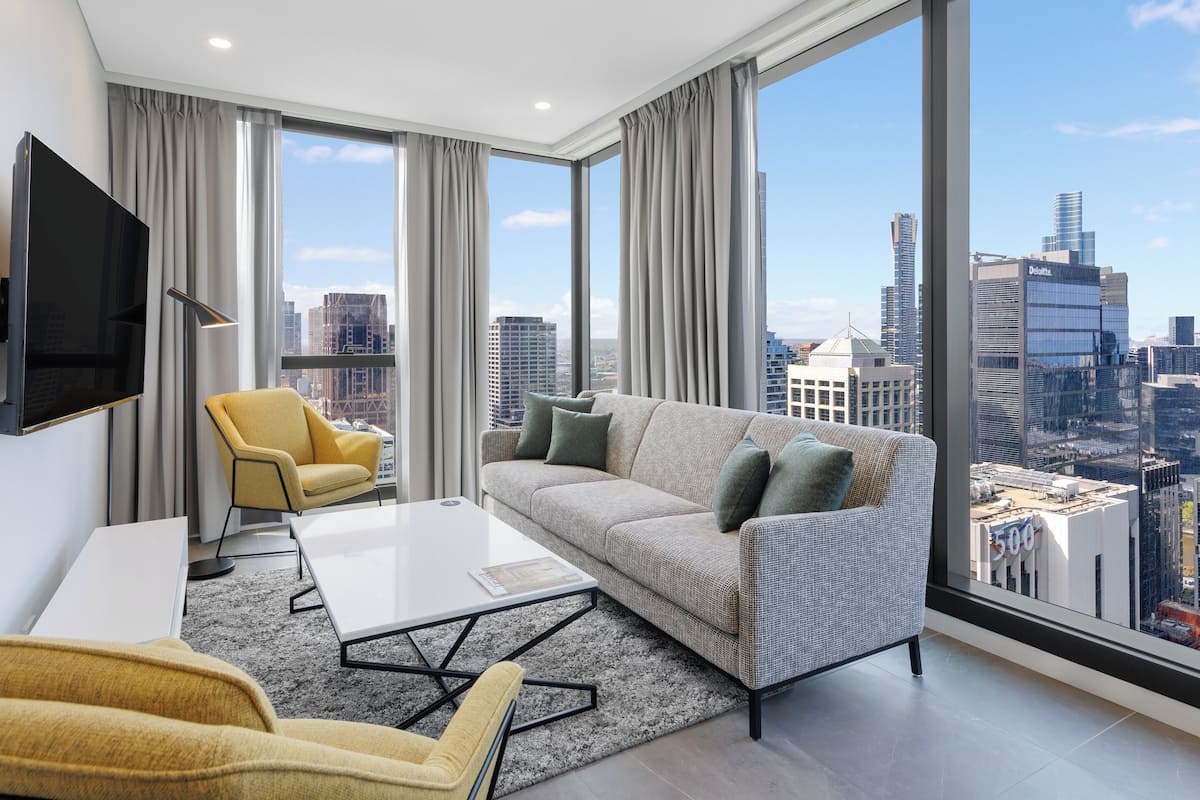
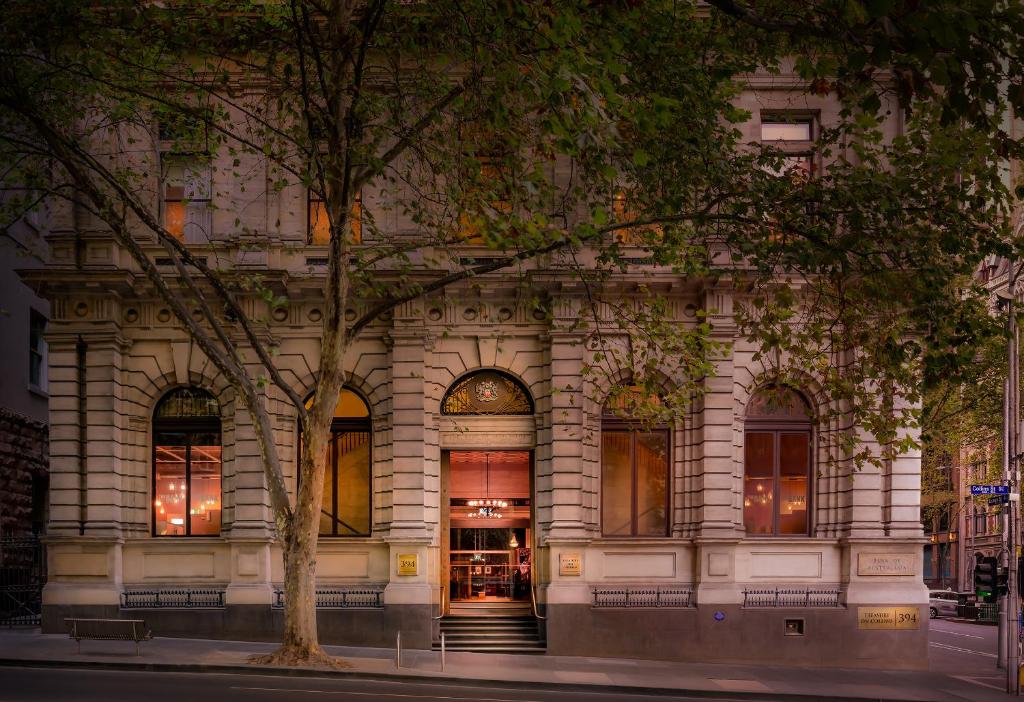
Hotel amenities: restaurant, bar, à la carte, continental or vegetarian breakfast, fitness center, air conditioning, free Wi-Fi, flat-screen TVs, coffee machines, mini-bars, safety deposit boxes, desks, 24-hour front desk, private parking
Nearby restaurants / pubs:Kazuki’s Restaurant (fine dining restaurant), Da Guido La Pasta (Italian restaurant), Lord Lygon (restaurant), Epocha Restaurant (European restaurant), Kantin (Indonesian restaurant), Osha Thai Carlton (Thai restaurant), Panda Hot Pot (hot pot restaurant), Hi Chong Qing (Chinese noodle restaurant), Torissong (Syokudo and Teishoku restaurant), Fattie Prince (Middle Eastern restaurant), THE CURTIN (pub), The Lincoln (pub)
Hotel amenities: restaurant, à la carte breakfast, indoor pool, hot tub, fitness center, air conditioning, free Wi-Fi, flat-screen TVs, safety deposit boxes, hairdryers, Arabic, Mandarin, Greek and English-speaking front desk staff, currency exchange, concierge service
Marvel Stadium | Melbourne Convention and Exhibition Centre
Hotel amenities: restaurant, bar, breakfast (surcharge), garden, indoor pool, spa, sauna, steam room, hot tub, gym, free Wi-Fi, 24-hour front desk, concierge services, bellhop, luggage storage, laundry facilities, meeting rooms, conference center, electric vehicle charging point, parking
St Kilda Road | Shrine of Remembrance | Royal Botanic Gardens | Albert Park Lake
Hotel amenities: restaurant, bar, outdoor furniture, lobby fireplace, gym, air conditioning, free Wi-Fi, 24-hour front desk, concierge services, bellhop, luggage storage, laundry facilities, business center, conference center, parking
So there they are, Melbourne accommodations that will help make for an excellent trip. We hope you have found this information valuable and most of all, that you enjoy your time in Australia!
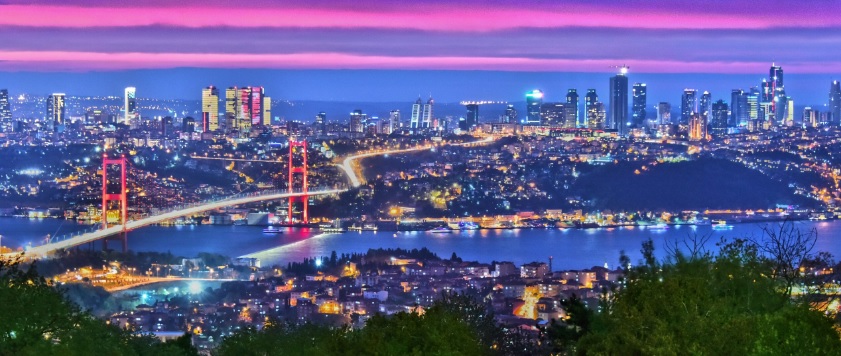
Istanbul accommodations welcome you to a destination nicknamed “The City on Seven Hills”.
Istanbul known for: museums, mosques, Orthodox churches, palaces, Yalı houses, Turkish baths, parks, squares, bazaars, shopping malls, boutiques, spices, vapur ferries, sea buses, hot air balloons, street cats, luxury leather / fur goods
Istanbul is located in northwestern Turkey, about 215 miles from Bulgaria, and 675 miles from Greece (road distance). A unique city set on two continents, Istanbul’s western (European) and eastern (Asian) sides are separated by the Bosphorus Strait (waterway connecting Black Sea & Sea of Marmara). Altogether 3 bridges (Yavuz Sultan Selim Bridge, Fatih Sultan Mehmet Bridge and 15 July Martyrs Bridge) and 1 tunnel (Eurasia Tunnel) connect Europe and Asia via ground transport.
Istanbul professional football clubs are Galatasaray S.K. (RAMs Park – northside), Fenerbahçe S.K. (Ulker Fenerbahce Sukru Saracoglu Stadium – southeast side) and Beşiktaş J.K. (Tüpraş Stadyumu – central). When in Istanbul, it’s best to avoid street meats and to dress more conservatively, especially in religious areas. Females must cover their hair if visiting a mosque. Over 90% of Istanbul’s population are Sunni Muslims. Turkish is the city’s official language, though English is also widely spoken in tourist areas. Although generally forbidden to Muslims, alcohol is readily served in tourist areas. Istanbul’s currency is the Turkish lira, cars travel on the right-hand side and the drinking age is 18 years old. Istanbul accommodations are some of Turkey’s best. Before we get to Istanbul accommodations, let’s take a look at some more background information on the area to help you along the way.
Human settlement in the Istanbul area can be traced to at least 6000 BC, as evidenced by unearthed Neolithic artifacts. The Fikirtepe mound, discovered on the city’s Asian side, dates to around 5500 BC. On the European side, a Thracian settlement from around 1000 BC has been discovered on the Sarayburnu peninsula. Greek settlers from Megara established Byzantium on the Bosphorus’ European side in around 660 BC. Roman military commander and author Pliny the Elder referenced the name Byzantium in his writings. The Greeks built an acropolis near the Golden Horn estuary, which fueled the early city’s economy. Persia briefly conquered the area at the turn of the 5th century BC, before relinquishing it to the Greeks following the Greco-Persian Wars. Early-on, Byzantium was part of the Athenian League, or Delian League, a confederacy of Greek city-states, and was allied with the Romans. In 73 AD, Byzantium became a part of the Roman Empire. Constantine the Great became emperor of the Roman Empire in September, 324 AD. Immediately thereafter, Constantine designed plans to replace Byzantium with a Christian city, which would be named Nova Roma, or more commonly, Constantinople. Highly successful, Constantinople would last all the way into the 20th century. Constantinople was proclaimed the Roman Empire’s capital on May 11, 330 AD. Originally, the Hagia Sophia was built as a Christian cathedral, the world’s largest of such for about a thousand years. Constantine also renovated and expanded the Hippodrome of Constantinople, which showcased horse and chariot racing events. For many centuries, Constantinople shielded Europe from eastern invaders and from the advance of Islam. Located on the caravan route of the historic Silk Road Eurasian trade route network, Constantinople was the European continents’ wealthiest city during the latter Byzantine era, and was referred to as the “cradle of Orthodox Christian civilization”. In 1025, following the reign of Basil II, Constantinople began its decline. Crusaders, diverted from their mission, sacked and pillaged the city in 1204. The Orthodox Byzantine Empire was replaced by the Latin Empire, and the Hagia Sophia was converted to a Catholic church. Andronikos II Palaiologos, who reduced the area’s military forces, can be attributed to the Christian city’s demise. Ottoman Turks, gradually cutting off the city’s supply lines to other smaller cities, began strategizing the overtaking of Constantinople circa the mid-14th century. After an eight-week siege on the city, and the killing of Constantine XI, the last Roman emperor, Sultan Mehmed II “the Conqueror” captured Constantinople on May 29, 1453. Mehmed II declared Constantinople the Ottoman Empire’s capital and converted the Hagia Sophia from a grand cathedral to an imperial mosque. Sultan Mehmed welcomed outsiders and revitalized much of the city. In the 16th century, plague struck. Under Suleiman I, or Suleiman the Magnificent, the city flourished, and by the end of the 18th century Constantinople had a population of around 570,000. Progressive Sultan Mahmud II introduced new technology, constructed bridges across the Golden Horn and, in the 1880s, connected the city’s railway system to the European railway network. The city’s oldest underground urban rail line, the Tünel, started operating on January 17, 1875. The Young Turk Revolution of 1908 resulted in the reopening of the Ottoman Parliament, which had been closed for 30 years due to its dissolution by Sultan Abdul Hamid II. Early 20th century wars such as the Italo-Turkish War and the Balkan Wars led to the 1913 Ottoman coup d’état, which installed a triumvirate known as the Three Pashas. The Ottoman Empire aligned with the German Empire, Austria-Hungry and Bulgaria in World War I. On April 24, 1915, the city’s deportation of Armenian intellectuals, many notables being poets and writers, marked the beginning of the First World War’s Armenian genocide. Between 1914 and 1927, Constantinople’s Christian population decreased from around 450,000 to 240,000. The August 10, 1920 Treaty of Sèvres ceded large parts of Ottoman territory to Allied Powers and marked the beginning of the Ottoman Empire’s partitioning. The Turkish War of Independence from May 19, 1919 to October 11, 1922 between Turkish Nationalists and Allied Powers resulted in a Turkish victory and the establishment of the Republic of Turkey. The last Ottoman Sultan, Mehmed VI, was exiled to Sanremo, Italy, where he died on May 16, 1926. “Liberation Day of Instanbul”, or İstanbul’un Kurtuluşu, occurred on October 6, 1923, when Turkish forces ceremoniously entered the city following an Allied departure 2 days prior. Ankara became the Turkish Republic’s new capital on October 29, 1923. In 1930, Constantinople was officially renamed to Istanbul. A wealth tax in 1942, assessed on non-Muslims, caused many religious minority businesses to be liquidated. New squares and roadways were constructed at the turn of the 1950s, and by the 1970s, new factories on the city’s outskirts created a rapid increase in Istanbul’s population.
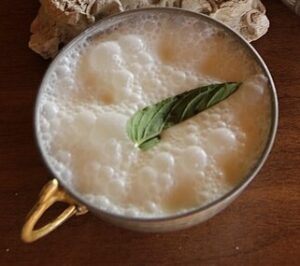
One of only five transcontinental cities, Istanbul today is home to around 15.6 million “Istanbulites”. Turkey’s largest city, Istanbul welcomes around 13 million visitors annually. 90% of Istanbul’s hotels are located on the city’s European side. Fish restaurants are abundant in The City on Seven Hills. Local fish species include bluefish, turbot, Atlantic bonito, sea bass, red mullet, white grouper, European anchovy, boops boops and the venomous black scorpionfish. Located about 9 miles off the city-center coast, Princes’ Islands is a small archipelago consisting of 4 main islands. Princes’ Islands is accessible by ferry. Essentially, the main modes of transportation on Princes’ Islands are bicycle or horse and cart. Since 1660, the Egyptian Bazaar, or Spice Bazaar, has been the city’s major spice market. One of the world’s oldest and largest covered markets, the Grand Bazaar is spread out over 7.5 square acres. The Grand Bazaar attracts up to 400,000 visitors per day. Istanbul’s climate is tempered by the Black Sea. Summer high temperatures average around 80 degrees Fahrenheit, while winters average around 43 degrees. Additional points of interest include Hagia Irene, Yıldız Palace, Serpent Column, Forum of Constantine, Column of Constantine, İstiklal Avenue (pedestrian street), Abdi İpekçi Street (shopping street), Levent business district, Süreyya Opera House, Atatürk Olympic Stadium, Istanbul University and Sirkeci Railway Terminal. Local foods include kebabs, seafoods, fish, grilled eggplant, balik ekmek (fish sandwich), midye dolma (stuffed mussels), meze (appetizers), manti (dumplings), menemen (a scrambled egg dish), simit (circular, ring-shaped bread), lahmacun (a type of flatbread), kestane (roasted chestnuts), Turkish delight (gel confection), dondurma (ice cream), kanafeh (a noodle-like pastry dessert) and, of course, baklava. Good to know is that the Kumkapı quarter in the Fatih district is home to around fifty seafood restaurants. The most common alcoholic beverages are rakı (a potent, sweetened, anise-flavored spirit made from grape pomace), narince (white wine), okuzgozu (red wine), beer and boza (a malt drink – low alcohol content). Non-alcoholic beverages include ayran (a refreshing drink made with yogurt), salgam suyu (turnip water), pomegranate juice, Turkish coffee and cay (Turkish tea). With a little background information on the area, we’re ready for Istanbul accommodations that are sure to inspire.
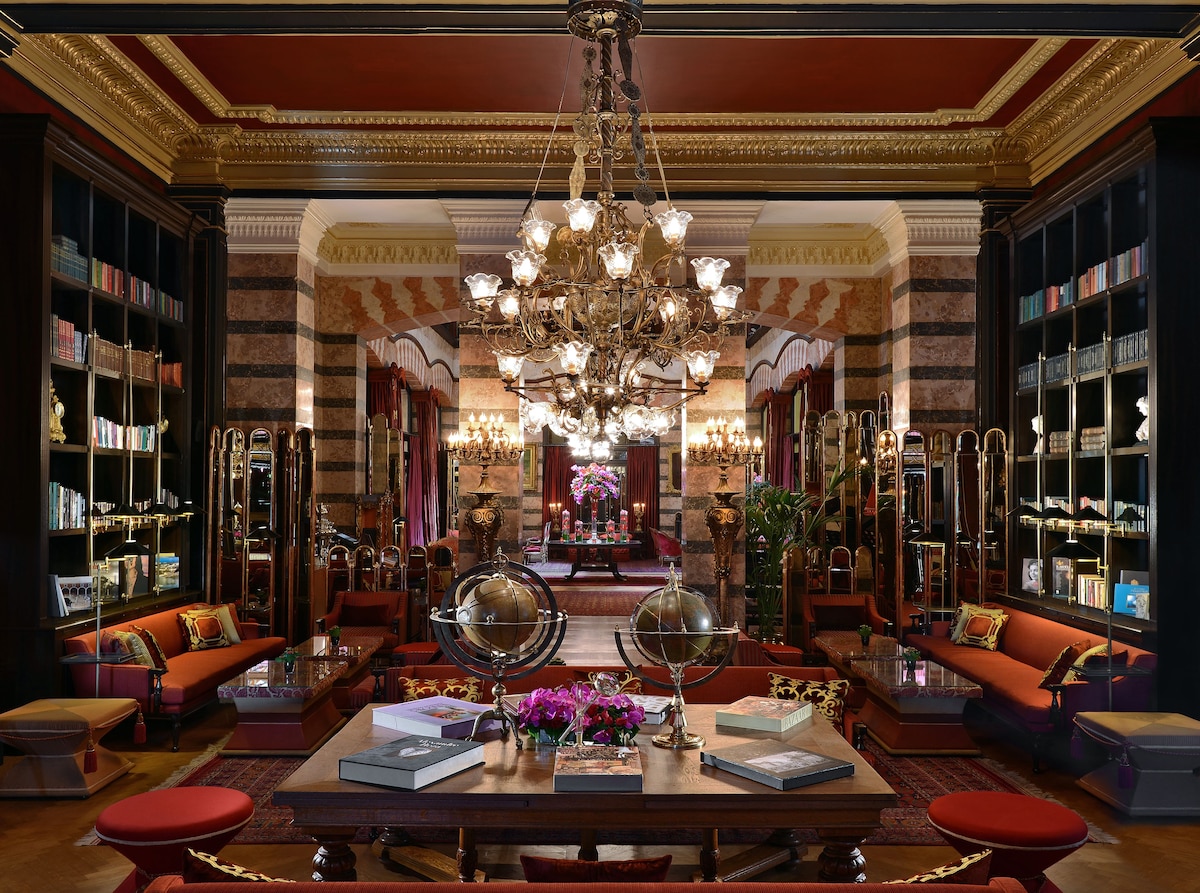
French-Ottoman architect Alexander Vallaury-designed c. 1892
Pera Museum
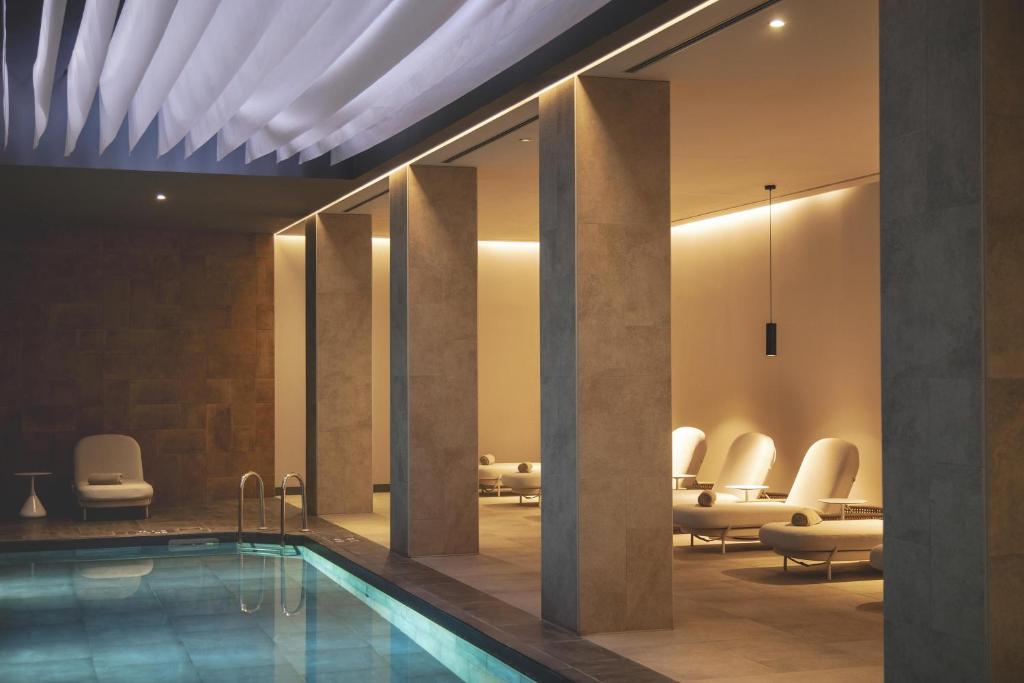
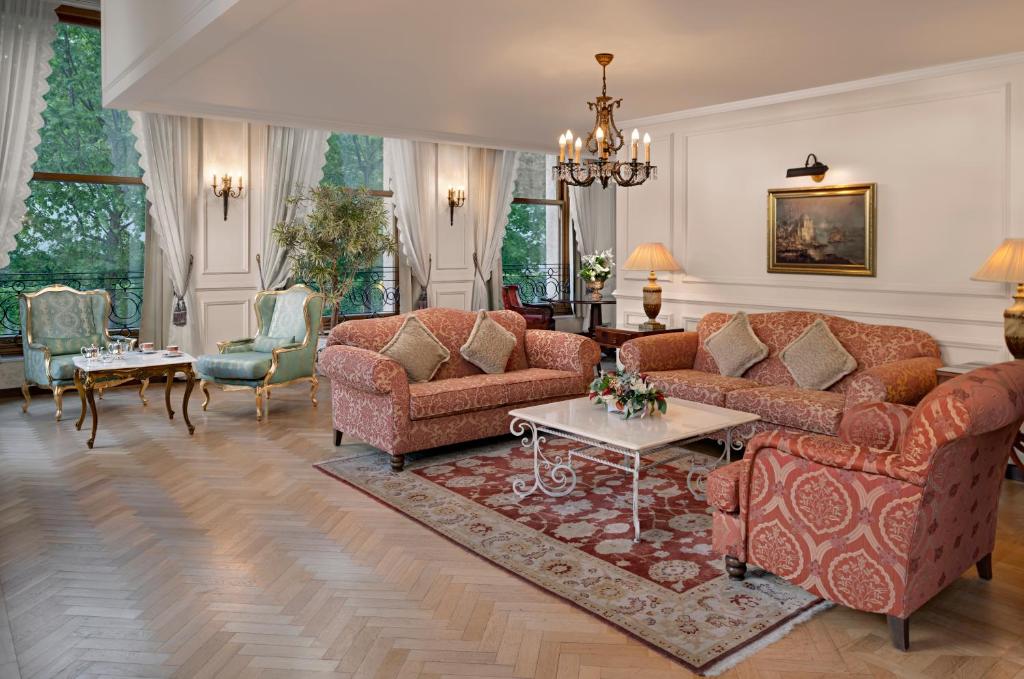
Hotel amenities: restaurant, bar, tea lounge, live piano music, patisserie, Golden Horn / city views, balconies, indoor jet-streamed swimming pool, spa, hammam with a classic heated marble platform and foam bath, steam bath, hot tub, sauna, gym, neoclassical, art nouveau & oriental styles, hardwood floors, floor-to-ceiling windows, flat-screen TVs, mini-bars, marble bathrooms, paid airport shuttle service
Hotel amenities: restaurant, buffet / continental breakfast, city views, terrace, garden, air conditioning, free Wi-Fi, flat-screen TVs, electric tea pots, safety deposit boxes, desks, bicycle rental service, airport transportation
Nearby restaurants / bars / pubs:Divella Bistro Restaurant (Turkish restaurant), Seafront Lounge (restaurant), Aya Fish Lounge (restaurant), Palatium Cafe and Restaurant, Queb Rooftop Restaurant, Seven Hills Restaurant, By Kinyas Restaurant, Seagull Seafood And Sushi Terrace (seafood restaurant), Köşk 1981 (fish restaurant), Şiva Oyster Fish Restaurant, Cafe Rumist (restaurant), Zerzevan Fish & Kebab Restaurant, ŞATO’s Restaurant, Turk Art Terrace Restaurant, The Shadow Kitchen( Pub ) Fish and Kebab, Just Bar (bar), BrusQ Bar (bar), Babylonia Restaurant Kebab Fish Steak Pub, Rounders İrish Bar (pub)
Hotel amenities: restaurant, continental, Full English/Irish / American breakfast, garden, terrace, outdoor swimming pool, indoor pool, sauna, fitness area, wellness area, hammam, air conditioning, free Wi-Fi, flat-screen TVs, safety deposit boxes, hairdryers, 24-hour front desk with Arabic, English, French and Russian-speaking staff, private parking
Residence amenities: indoor pool, spa, sauna, wellness center, fitness center, air conditioning, free Wi-Fi, flat-screen TVs, kitchens, coffee machines, electric tea pots, safety deposit boxes, desks, buffet, halal or gluten-free breakfast, 24-hour front desk, free private parking, car rental service, paid airport shuttle service
Hotel amenities: restaurant, bar, continental, vegetarian or vegan breakfast, city views, terrace, balconies, patios, sauna, fitness center, air conditioning, free Wi-Fi, flat-screen TVs, coffee machines, electric tea pots, safety deposit boxes, desks, 24-hour front desk, shuttle service, car rental service
Hotel amenities: restaurant, buffet, Italian or American breakfast, city views, terraces, air conditioning, free Wi-Fi, flat-screen TVs, coffee machines, electric tea pots, mini-bars, safety deposit boxes, desks, 24-hour front desk, concierge service, luggage storage, business center
Hotel amenities: restaurant, bar, continental, Full English/Irish or American breakfast, garden, garden views, terrace, balconies, air conditioning, flat-screen TVs, coffee machines, electric tea pots, mini-bars, safety deposit boxes, desks, 24-hour front desk, currency exchange, private parking
Approximate cost per night (Suite with Hot Tub) $2,198
Cost per person (three people): $732
So there they are, Istanbul accommodations that will help make for an outstanding experience. We hope you have found this information valuable and most of all, that you enjoy your time in Turkey!
Athens accommodations welcome you to a destination nicknamed “The City of the Violet Crown”.
Athens known for: ancient structures, temples, plazas, amphitheaters, Orthodox churches, museums, performing arts theaters, cafes, nightlife, democracy
Athens is located in southeastern Greece on the Aegean Sea. Athens’ 3 ports are renowned gateways to the Greek Isles. Ferries from Athens average about 4 hours to Mykonos, 6 hours to Santorini and 10 hours to Crete, with ferry operators to include SeaJets, Hellenic Seaways, Minoan Lines, Blue Star Ferries and Aegean Sea Lines. Advanced-booking for ferries may be required. Aegean waters can get choppy, so motion sickness medication may come in handy especially on smaller ships. Of course, flying from Athens to the Greek Isles is faster (though less scenic).
Athens’ professional football clubs are Olympiakos, AEK and Panathinaikos. When in Athens, keep in mind that certain areas can be hilly, so sneakers might be good to pack. Generally Athens is considered safe. An area that’s best avoided, however, is the Omonia area (north-central – homelessness, drug use, prostitution, sanitation concerns, petty crime). Athens’ currency is the Euro, cars travel on the right-hand side and the drinking age is 18 years old. Athens accommodations are some of the Mediterranean’s best. Before we get to Athens accommodations, let’s take a look at some more background information on the area to help you along the way.
Humans are thought to have thrived in the Athens area for at least 5,000 years. Moreover, Cave of Schist archaeological findings place human activity in the area to around 9,000 BC. Throughout early history, Athenians were embattled by Persian Empire invasions. At the Battle of Thermopylae circa 480 BC, King Leonidas, alongside 7,000 Spartans, fought against at least 120,000 Persians. Not surprisingly, the Battle of Thermopylae resulted in a Greek defeat, and Persia’s control of Phocis, Boeotia, and Attica. The subsequent (and fairer) 479 BC Battle of Plataea between Greek city-states and the Achaemenid (Persian) Empire resulted in a Greek victory and its reclaiming of Attica and Boeotia. 480 to 404 BC was Athens’ Golden Age, a period influenced by the likes of Pericles, Sophocles, Plato and Socrates. Convicted of corrupting the minds of Athens’ youth and of asebeia, or impiety, Socrates was imprisoned and made to drink hemlock poison, which caused his death circa 399 BC. Socrates’ visitation by, and discussion with, friends on his last night in prison inspired Plato’s works Crito and Phaedo. Around this time, Athens developed into a cornerstone for Democracy and Western Civilization. Late antiquity, starting in the 3rd century, was a period of prosperity for Athens, marked by the Crusades and trade with Italy. During the 11th and 12th centuries, Byzantine art flourished in the city. From 1204 to 1458, the city was ruled by the “Latins”, or “Franks”, a Germanic people. In 1458, the Ottoman Empire invaded and captured Athens. Turkish rule lasted until 1832, when Greece achieved independence from the Ottoman Empire by way of the Greek War of Independence. Thereafter, the Kingdom of Greece saw Athens gradually expand outward from the Acropolis in the form of Neoclassical architecture, as Greece’s first king, Otto of Bavaria, commissioned architects to design a modern city plan. Athens hosted the first modern Olympic Games in 1896. Following World War II, the city saw a rapid population growth, along with a palpable air pollution problem. Anti-pollution measures in the 1990s, as well as improvements in infrastructure, resulted in better air quality. In 2004, over a hundred years since its first Olympic games, Athens hosted the Summer Olympics.
Home to around 650,000 “Athenians”, Athens is Greece’s capital and largest city. European mainland’s southernmost capital, Athens is also capital of the Attica region, which extends southward to Greece’s Islands Regional Unit. One of the world’s oldest cities and a popular tourist destination since antiquity, Athens today draws in around 5 million visitors annually. Athens’ economy and infrastructure received a boost from hosting the 2004 Olympics. Finance and the maritime sector are also major economic contributors. The Port of Piraeus, harboring the city’s cruise terminal, is Greece’s, and one of Europe’s, largest port. Athens is home to two UNESCO world heritage sites, the ancient Acropolis and medieval Daphni Monastery. Owing to building height restriction laws, the Acropolis can be seen throughout Athens. The City of the Violet Crown’s architectural styles range from Greco-Roman to Neoclassical to modern. Nearly 150 theatrical stages, as well as hundreds of statues and busts, are spread throughout Athens. An epicenter for archaeological research, the city has as much to discover above ground as it does beneath. Athens, home to a Mediterranean climate, experiences hot summers averaging in the low-90s degrees Fahrenheit, and mild winters averaging in the mid-50s. Additional points of interest include Zappeion Hall, Athens Olympic Sports Complex, Hellenic Parliament, Stadiou Street (major street), Tomb of the Unknown Soldier (war memorial), Ermou Street (fashion shops / shopping centers), Athens Tower, National Library of Greece, Academy of Athens, Athens University, Old Parliament House and National Theatre of Greece. Traditional Greek foods include souvlaki (grilled meat skewers), kleftiko (braised lamb or beef), grilled octopus, moussaka (pasta similar to lasagna), pastitsio (baked pasta), spanakopita (spinach pie), tiropita (cheese pie), gemista (stuffed peppers), dolmades (stuffed grape leaves), horiatikisalad (Greek village salad / peasant salad), feta cheese and baklava (layered pastry dessert). Popular drinks are ouzo (a spirit made from grapes with a taste like absinthe), metaxa (a liqueur), tsipouro (a strong, clear spirit), mastiha (an herbal-pine drink, popular on beaches), souma (a distilled grape spirit) and debina (white sparkling wine). With some background information on the area, we’re ready for Athens accommodations that will help make for an incredible trip.
Hotel amenities: restaurant, bar, city views, terraces, air conditioning, free Wi-Fi, flat-screen TVs, coffee machines, electric tea pots, mini-bars, safety deposit boxes, desks, 24-hour front desk, concierge service, paid airport shuttle service, business center
Hotel amenities: top-floor restaurant & bar, rooftop pool with a waterfall, city / Acropolis views, sun terrace, wooden floors, modern décor, free Wi-Fi, 40″ Smart TVs, mini-bars, laptop safes, desks, marble-tiled bathrooms, organic KORRES toiletries, bathrobes, slippers, hairdryers, 24-hour front desk, sky-light atrium
Nearby restaurants / bars:Tzitzikas kai Mermigas (Greek restaurant), Aspro Alogo -White Horse (Greek restaurant), OVIO (Italian restaurant), Burrattino (Italian restaurant), V1935 Roof Garden (Italian restaurant), Metropolis Roof Garden (restaurant), Ella Greek Cooking (restaurant), Athinaikon Restaurant, ERGON House Athens restaurant), Lobby Burger Lounge Athens (restaurant), Kostas (restaurant), Nolan (Fusion restaurant), SO SO SO (restaurant), Welcome Athenian bistro, Mezze Athens (restaurant), Mamacita – Taquería y Coctelería (Mexican restaurant), Dosirak (Korean restaurant), HANOI (Vietnamese restaurant), East Pearl (Chinese restaurant), The Indian Kitchen (Indian restaurant), Tazza All day bistro & wine bar, THE BAR IN FRONT OF THE BAR, 21 grams (bar)
Nearby misc.: Tazza caffe, The Grey (café), Goat It Ice Cream, Le Greche (ice cream shop), Le Greche (ice cream shop), Dickie Dee (ice cream shop), Smyrni Baklava (dessert shop), Το Χρυσό Στάχυ (pie shop), Η Απόλλωνος- Apollonos (greengrocer), Panos Tzakos By Osaka (hair salon), Mitropoleos nails & beauty, ANMA Jewellery (jewelry store), Ioannis Pantazis Barber & Shop (barber shop), Grefis Holidays (tour agency), Agia Dynami (Greek Orthodox church)
Hotel amenities: rooftop pool & restaurant, buffet breakfast, Acropolis views, terrace, indoor pool, sauna, air conditioning, flat-screen TVs, bathrobes, slippers
Nearby restaurants / bars:Electra Roof Garden, ΑΝΕΤΟΝ (Greek restaurant), Spit Jack (meat dish restaurant), Zohόs (restaurant), Oinoscent (bistro), Athena’s Cook (restaurant), 2 Mazi Restaurant (restaurant), Koutsou & Co. (restaurant), ILIADA (restaurant), NEW Taste Restaurant, Art Lounge Restaurant, Victory (restaurant), Eugenia Restaurant, Winners Vegan (vegan restaurant), Avocado (vegetarian restaurant), Birdman (Japanese restaurant), ShirakiAthens (Japanese restaurant), Sushimou (sushi restaurant), Grande Dame Athenian Tavern, Blue Bird (bar), Hollywood Pub (bar), Ipitou The Bar (bar), Drunky Goat (wine bar), Warehouse CO2 (wine bar), By the Glass Athens (wine bar), Oinoscent (wine bar)
Hotel amenities: top-floor restaurant, American buffet breakfast, Acropolis views, balconies, wellness club, cryo-sauna, fitness center, free Wi-Fi, flat-screen TVs, kettles, private parking for an extra charge
Hotel amenities: bar, sun terrace, garden, free Wi-Fi, air conditioning, flat-screen TVs, fully-equipped kitchenettes, coffee machines, kettles, safety deposit boxes, desks, à la carte breakfast, luggage storage space, paid airport shuttle service
Nearby restaurants / bars:The Artist Roof Top Bar & Restaurant, Avli (Greek restaurant), TsiknaBoom (restaurant), MARIKA HYBRID SPACE (bar), Handlebar (bar), Juan Rodriguez Bar •Compañia de Bebida (cocktail bar)
Nearby misc.: Creme Royale (café), En Athinas | Cafe Athens (coffee shop), Elisavet Fashion School Athens (fashion design school), Holy Church of Saint Demetrios at Psyrri (Greek Orthodox church), Holy Church of Saint Kyriaki (Greek Orthodox church)
Nearby:Plaki Sea Food Bar (restaurant), Agora Square Restaurant, JIMMY’S TATTOO (tattoo shop), Early Christian Quatrefoil Building – Basilica of Megale Panagia (historical landmark)
Within feet:
Thiseio Metro Station
Adrianou Street
Tower of the Winds
Roman Agora
Monastiraki Square
Within 1 mile:
Lycabettus Hill
The Aeolian is 10 miles from Eleftherios Venizelos Airport.
Approximate cost per night (Penthouse Apartment): $723
Hotel amenities: restaurant, buffet, à la carte or continental breakfast, city views, terrace, outdoor swimming pool, fitness center, air conditioning, free Wi-Fi, flat-screen TVs, safety deposit boxes, Greek, English, French and Russian-speaking front desk staff, private parking for an extra charge, paid airport shuttle service
Nearby misc.: Fairytale Athens (café), Sento – Head to Toe Urban Spa (beauty salon), MOMus – Museum Alex Mylona, Θέατρο Θησείον, Ένα Θέατρο Για Τις Τέχνες (performing arts theater), Honest Tattoo (tattoo shop), Mezzo Athens Party Stage (musical club), @ Art Space Asomaton (cultural center), Tin Pan Alley (event venue), Holy Church of the Incorporeal Angels at Theseion (11th c. – Greek Orthodox church)
Hotel amenities: restaurant, bar, city views, terraces, air conditioning, free Wi-Fi, flat-screen TVs, coffee machines, electric tea pots, mini-bars, safety deposit boxes, desks, 24-hour front desk, concierge service, luggage storage space, business area
Hotel amenities: restaurant, a la carte breakfast, free Wi-Fi, flat-screen TVs, espresso machines, desks, walk-in rainfall showers, luxury beauty care products, full-length mirrors, ergonomic mattresses, 24-hour front desk, paid airport shuttle service
Nearby restaurants / bars:The Warehouse (Greek restaurant), Cupola (Italian restaurant), The Black Sheep (restaurant), O Stavros (restaurant), Mavros Gatos (restaurant), Ohh Boy (bistro), Mint All Day Bar
Nearby misc.: Kakou (chocolate factory), Kekkos Cafe and Pastry, Stadium Cafe, Petite Fleur (café), Just Grill, Millybird (coffee shop), Gentlemen Only (barber shop)
Technopolis | Ermou Street | Monastiraki Flea Market
Hotel amenities: restaurant, bar, free local cuisine breakfast, outdoor pool, garden, library, gym, air conditioning, free Wi-Fi, 24-hour front desk, concierge services, luggage storage, laundry facilities, parking
Nearby restaurants / bars / pubs:Sta Kala Kathoumena (restaurant), Dinner in the Sky Athens (restaurant), Cabezon (restaurant), The Place (restaurant), Favela All Day Bar Restaurant (brunch restaurant), Intrepid Fox (bar), The Lucky Sparrow Pub
Nearby Greek Orthodox churches: Holy Church of Saint Nicholas Rangavas, Holy Church of Saint John the Theologian, Exarchy of the All Holy Sepulchre, Holy Church of the Holy Unmercenaries of Kolokynthis – Metochion of the Holy Sepulchre, Holy Church of Saint George of the Rock
Nearby landmarks: Sanctuary of Zeus Polieus, Temple of Rome & Augustus, Choregic Monument of Thrasyllos (Panagia Speliotissa), Parthenon, Erechtheion, Medusa Mural
Nearby misc.: Greek Flag of Athens Acropolis (observation deck), Old Acropolis Museum, Anaphiotika (tourist attraction)
Within feet:
Akropolis Metro Station
Monument of Lysikrates
Acropolis
Parthenon
Erechtheion
Within 1 mile:
Lycabettus Hill
Epicharmou Villa is 10 miles from Eleftherios Venizelos Airport.
Olympic Athletic Center | Avenue Shopping Mall | Golden Hall
Hotel amenities: restaurant, bar, breakfast (surcharge), spa, gym, air conditioning, free Wi-Fi, 24-hour front desk, concierge services, luggage storage, laundry facilities, business center, meeting rooms
Villa amenities: 5 bedrooms, 5 bathrooms, garden views, furnished balcony, stone features, wooden flooring, modern decoration, fireplace, free Wi-Fi, flat-screen TV, fully-equipped kitchen, washing machine
Nearby: Το Faliraki (Greek restaurant), To mpakaliaraki (seafood restaurant), Villa Grigio 46 (bar), GURU The Coffee House (café), SiriNargile (coffee shop), Lidl (supermarket), Ten Plus Hair Services (hair salon), melinaestetica (beauty salon)
Within feet:
Flisvos Beach
Edem Beach
Ship Museum Averof
Within 1.1 miles:
Tzitzifion Square
Within 1.5 miles:
Chrysostomou Square, Smyrna
Within 1.7 miles:
Alsos Neas Smirnis
NiriidonVilla is 11 miles from Eleftherios Venizelos Airport.
Approximate cost per night: $1,189
Cost per person (twelve people): $99
So there they are, Athens accommodations that will help make for an outstanding experience. We hope you have found this information valuable and most of all, that you enjoy your time in Greece!
Vienna accommodations welcome you to a destination nicknamed “City of Music”.
Vienna known for: palaces, castles, concert halls, museums, parks, gardens, natural surroundings, cafes, beer gardens, wine bars, nightclubs, amusement park rides, imperial traditions, classical music, opera balls, porcelain, glassware / tableware, wiener schnitzels
Vienna is located in northeastern Austria, about 50-miles (driving distance) from Bratislava, Slovakia. Flowing through Vienna’s eastern sections, the Danube River is Europe’s second-longest river behind Russia’s Volga River. Encircling Vienna’s Innere Stadt (Inner Town), the Vienna Ring Road is a 3.3-mile grand boulevard.
Vienna’s professional football clubs are Rapid Wien, Austria Wien and First Vienna. The world’s greatest concentration of composers have lived in Vienna to include Mozart, Beethoven, Brahms, Haydn, Mahler, Bruckner and Gluck. Although Austria’s official language is German, English is widely spoken in Vienna’s first district (tourist area). Good to know is that Austria uses 2-pin Schuko sockets and plugs for electronic devices. As such, it might be a good idea to pack an adaptor (UK/US travelers). Generally a safe city, Vienna is also proper when it comes to punctuality and politeness. Tipping for good service is customary. When eating, it is considered polite to finish what’s on one’s plate, especially at a private residence. Be aware that prostitution is legal in Austria. Vienna’s currency is the Euro., cars travel on the right-hand side and the drinking age is 18 years old. Vienna accommodations are some of Austria’s best. Before we get to Vienna accommodations, let’s take a look at some more background information on the area to help you along the way.
The Vienna area is thought to have been inhabited since around 500 BC, at first by the Celts near the Danube River. The Romans, circa 15 BC, fortified a frontier city they named Vindobona in order to fend-off Garmanic attacks from the north. Noricum was incorporated by the Roman Empire into a Roman province shortly after anno Domini. Following the collapse of the Western Roman Empire on September 4, 476 AD by way of Germanic king Odoacer, Bavarians, Slavs and Avars invaded the Vienna area. Charlemagne, King of the Franks, introduced Christianity in 788. Leopold I “the Illustrious” of Babenberg became count of the Eastern March, or Margraviate of Austria, in 976. The word “Ostarrichi” dates to 996 and is the first record of the name Austria. Schottenstift, a Catholic monastery, was founded in 1156, when Henry II of Austria, having moved the Babenberg family residence from Lower Austria’s Klosterneuburg to Vienna, brought along with him Irish monks. From 1485 to 1490, Hungary occupied the city. Throughout the 16th century, Vienna first became the seat of the Aulic Council (one of two Holy Roman Empire supreme courts), followed subsequently by the Habsburg emperors of the Holy Roman Empire. By way of the 1529 siege of Vienna and 1683 Battle of Vienna, Christian forces twice thwarted advances made by the Ottoman Empire. Nearly a third of the city’s population perished during the 1679 Great Plague of Vienna. In the late-18th century to early-19th century, Joseph Hayden, Wolfgang Amadeus Mozart and Ludwig van Beethoven became known as the “First Viennese School”. During the Napoleonic Wars, Vienna became the Austrian Empire’s capital in 1804. Following Napoleon’s defeat in 1815, and prompted by the 1815 Congress of Vienna and its subsequent restrictions on freedom of the press, limitations on university activities and banishment of fraternities, uprisings against longstanding Habsburg rule began with the Revolutions of 1848. The Ringstraße, or Vienna Ring Road, was developed in the latter-half of the 19th century. In February, 1908, Adolf Hitler, following his father’s death and in pursuit of an artistic career, moved to Vienna. Hitler, unsuccessfully gaining admittance into the Viennese academy due to a lack of pre-requisites, ultimately was forced to live in a men’s hostel, where he struggled to make a living. Hitler remained in Vienna until May, 1913, when he relocated to Munich, Germany by way of a small inheritance from his father’s estate. Austrian Archduke Franz Ferdinand’s assassination in 1914 was the catalyst for World War I. Following World War I, Vienna became the capital of the Republic of German-Austria in 1918, and the First Republic of Austria in 1919. From 1919-1934, the city became a center for socialist politics, a period known as Red Vienna. Anschluss, or the annexation of Austria into Nazi Germany, occurred on March 12, 1938. On March 14th, now-German Chancellor Hitler returned to Vienna, where he gave a speech to Austrian-Germans from the balcony of the Neue Burg, a part of the Hofburg, at the Heldenplatz. During World War II, Austria was renamed briefly to “Ostmark”. 92 synagogues were destroyed during the November 9, 1938 pogroms, and Vienna’s Jewish population had been reduced significantly near the end of the Second World War. The Vienna Offensive, launched on April 2, 1945 by the Soviet Red Army against Germany and Hungary, resulted in significant casualties on both sides, along with an Allied victory. Vienna became part of Soviet-occupied Eastern Austria for a relatively brief period until September, 1945. Following World War II, like in Berlin, Vienna was separated into sectors by the four Allied powers: US, UK, France and Soviet Union. However, unlike Berlin, Vienna’s central first district (today’s tourist area) constituted an international zone, within which all four powers alternated control on a monthly basis. During the Cold War, the Soviet Union, unlike it had done in Berlin, did not install any barbed wire fences in Vienna. The May 15, 1955 Austrian State Treaty established Austria as a sovereign state in exchange for its neutrality and exclusion from both NATO and the Soviet bloc. Thereafter, Vienna’s State Opera and Burgtheater reopened to the public. Austria entered the European Union in 1995.
With a population of around 2 million Wiener (male residents) and Wienerin (female residents), Vienna is Austria’s largest city and federal capital. Separated from Austria’s western parts, Vienna lies on the Vienna Woods‘ eastern edge at the northeastern foothills of the Northern Limestone Alps. The last-bastion of the 19th century, Victorian ball, Vienna has a long-standing tradition of ballroom dancing, with the Opera Ball highlighting Viennese carnival season. The Opera Ball takes place at the Vienna State Opera on the Thursday before Ash Wednesday. Known for its high quality of life, City of Music has been ranked multiple times as the world’s most livable city, and is one of the wealthiest areas in the European Union, though with an accompanying high cost of living. In 2023, over 17 million visitors stayed overnight in Vienna. Summer, October and Christmastime are particularly nice times to visit City of Music. Home to an oceanic / humid continental climate, Vienna has warm, showery summers with highs averaging around 80 degrees Fahrenheit, and often snowy winters with highs in the upper 30s. Additional points of interest include Karlskirche (Baroque church), Vienna City Hall, The Graben (square), MuseumsQuartier, Karlsplatz Stadtbahn Station, Messe Wien Congress Center, Austria Center Vienna (ACV), Mozart Monument, Gasometer (gasholder houses est. 1899), Academy of Fine Arts and University of Vienna. Traditional foods include Wiener Schnitzel, Schweinshaxe (pork knuckles), Käsekrainer (a cheese-stuffed pork sausage), Tafelspitz (boiled veal/beef in broth), Kaiserschmarrn (a sweet, fluffy, shredded pancake dessert) and Sachertorte (chocolate cake). Beer, served in Seiterl (large) or Kruegerl (very large) sized glasses, is often found in the form of light lagers and Hefeweizen, while craft beer is also on the uptick. Also popular is wine, especially white, and is served in one-eighth or one-quarter liter sizes. Notably, Vienna remains one of the world’s relatively few cities with its own vineyards. With a little background information on the city, we’re ready for Vienna accommodations that will help make for a memorable experience.
Hotel amenities:restaurant, bar, indoor pool, spa, sauna, steam bath, fitness center, parquet floors, elegant designs, air conditioning, free Wi-Fi, flat-screen TVs, iPod docking stations, mini-bars, bathrobes, hairdryers, valet parking
Hotel amenities: gourmet restaurant, 24-hour rooftop fitness center with a sauna, antique decorations, silk walls, air conditioning, flat-screen TVs, sound systems, bathrobes, slippers, marble bathrooms, personal butler service, business center
Hotel amenities: restaurant, bar, air conditioning, free Wi-Fi, flat-screen TVs, safety deposit boxes, bathrobes, slippers, 24-hour front desk, concierge services
Hotel amenities:restaurant, rooftop bar, buffet, vegetarian or vegan breakfast, terrace, garden, fitness center, air conditioning, free Wi-Fi, flat-screen TVs, desks, safety deposit boxes, 24-hour front desk with German, English, French and Serbian-speaking staff, express check-in/out
Hotel amenities: sauna, steam bath, modern Viennese art, air conditioning, free Wi-Fi, flat-screen TVs, Nespresso coffee makers, mini-bars, bathrobes, slippers, daily a la carte breakfast with Prosseco
Hotel amenities: bar, indoor pool, sauna, fitness center, air conditioning, free Wi-Fi, flat-screen TVs, safety deposit boxes, hairdryers, buffet breakfast, 24-hour front desk, luggage storage space
Hotel amenities: restaurant, buffet / American breakfast, terraces, sauna, fitness center, air conditioning, free Wi-Fi, flat-screen TVs, 24-hour front desk
Hotel amenities: garden restaurant, bar, à la carte breakfast, courtyard-garden views, individually adjustable air conditioning, free Wi-Fi, flat-screen TVs, 24-hour front desk, parking garage
Hotel amenities:multiple dining options, indoor pool, fitness center, elegant furnishings, modern appliances, air conditioning, free Wi-Fi, flat-screen TVs, mini-bars, hairdryers, 24-hour reception, meeting space
Vienna State Opera | Hofburg Imperial Palace | Spanish Riding School | Albertina Modern
Hotel amenities: 2 restaurants, bar, breakfast (surcharge), indoor pool, lobby fireplace, spa, sauna, steam room, gym, air conditioning, free Wi-Fi, 24-hour front desk, concierge services, bellhop, luggage storage, laundry facilities, meeting rooms, conference space, car rentals, parking, electric vehicle charging point, airport transfer
Hotel amenities: 2 restaurants, bar, full breakfast (surcharge), indoor pool, spa, sauna, steam room, gym, air conditioning, free Wi-Fi, 24-hour front desk, concierge services, bellhop, luggage storage, laundry facilities, meeting rooms, conference space
Hotel amenities: gourmet restaurant, sun terrace, indoor pool, spa, sauna, steam bath, hot tub, fitness center, air conditioning, free Wi-Fi, wired internet access, complimentary mini-bar access, complimentary bottle of champagne, fruit & chocolate, flower bouquet
So there they are, Vienna accommodations that will help make for an outstanding trip. We hope you have found this information valuable and most importantly, that you enjoy your time in Austria!
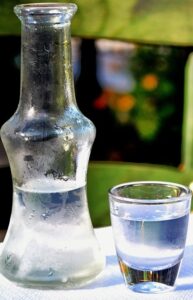
Prague is located in central Czechia (Czech Republic). A Central-European focal point, Prague is encompassed largely by Berlin (217 miles northward), Krakow (333 miles eastward), Vienna (207 miles southeasterly) and Munich (236 miles southwesterly). Bisecting Prague’s Old and New Towns, the Vltava River is the Czech Republic’s longest river. Prague streets (some cobblestone) are lined with historic buildings. Architectural styles vary and include Gothic, Baroque, Romanesque, Renaissance, Art Nouveau and Rococo. Prague’s high-end luxury shopping street is Parizska (Paris) Street, located on the border of Old Town Square and Josefov (former Jewish ghetto), while its most affluent neighborhood is Vinohrady.
Prague’s professional football clubs are AC Sparta Praha, SK Slavia Prague, FK Dukla Prague, Bohemians 1905, FK Viktoria Žižkov and FC Slavoj Vyšehrad. The city’s professional hockey team is HC Sparta Praha. When in Prague, be aware of misleading currency exchanges that claim to have zero commissions but, in reality and in small print, charge high exchange rates. Prague generally is considered safe. Pickpocketing is known to occur, however. Matryoshka dolls, which are found in souvenir stores, are actually Russian and not Czechian. Be advised that Czechs tend to be unfriendly sometimes, with a relative majority outside of tourist areas speaking little English. Although brothels are prohibited, prostitution is technically legal in the Czech Republic, so enforcement is typically lax. It’s best to exchange your currency for Czech Crowns. Tipping is customary in restaurants, where one should use Czech Crowns rather than Euros / Dollars to avoid paying excessive exchange rates. Prague’s currency is the Czech Koruny (Crown), cars travel on the right-hand side and the drinking age is 18 years old. Prague accommodations are some of Central Europe’s best. Before we get to Prague accommodations, let’s take a look at some more background information on the area to help you along the way.
Settled as early as the Paleolithic age, modern Prague developed from a settlement at Prague Castle, which expanded southward to the area around Vyšehrad fort. Celts established a presence in the area sometime around the 5th or 4th century BC. Closer to anno Domini, Germanic tribes drove out the Celts. Roman geographer Ptolemaios, on a 2nd century AD map, depicted a Germanic city named Casurgis where present-day Prague stands. Following the collapse of the Western Roman Empire, the great “Migration Period” of the late 5th century AD, also known as the Barbarian Invasions, saw Bohemian Germanic tribes move westward, and Slavic tribes settle in the Central Bohemian Region. Thereafter, West Slavic Czech tribes built relatively prominent fortified settlements in Butovice, the Šárka valley and Levý Hradec in and around Prague. Legendary duchess and prophetess Libuše, along with her husband Přemysl “the Ploughman”, founder of the Přemyslid dynasty, are attributed as Prague’s founders circa the 8th century. Prague Castle, expanding from an 800 AD fortified settlement, began construction at the end of the 9th century. Just 70 years later, Vyšehrad fort was founded. In 973, under Duke of Bohemia Boleslaus II “the Pious”, Prague became a bishopric ruled by a bishop. The Archbishopric of Mainz, one of the Holy Roman Empire’s most prestigious and influential states, ruled the area until 1344, when Prague was elevated to its own archbishopric status, and the Gothic Saint Vitus Cathedral began construction under John of Bohemia.. Once home to a prominent slave market, Prague was an important trading seat for many Jewish merchants, who had settled in the area from across Europe. Still standing, the Old New Synagogue was built in 1270. Today’s Charles Bridge, originally built in 1170 as “Judith Bridge”, was named after King Vladislaus I’s wife Judith of Thuringia. Judith Bridge was destroyed by flood in 1342. Under King Ottokar II, the “Iron and Golden King”, Malá Strana, or “Lesser Quarter”, was founded for German people, who had the right to administer the law autonomously pursuant to Magdeburg rights, or town privileges. Just across the river from Lesser Town stood Staré Město, or “Old Town”, which, having borough status, was bordered by walls and fortifications. Under Charles IV, Holy Roman Emperor, Prague flourished during the 14th century. Adjacent to Old Town, Nové Město, or “New Town”, was designed by Charles IV himself. Central Europe’s oldest university, Charles University was founded in 1347. A center of trade for German and Italian bankers and merchants, Prague had its own mint (an industrial facility where coins are manufactured), which undoubtedly set precedent for today’s Czech Koruna. Prague took a turn for the worse due to internal conflicts within craftsmen’s guilds, increasing numbers of poor and a famine in the 1360s. In 1378, Charles IV died. His son, King Wenceslaus IV, saw a period of intense turmoil. During Easter 1389, when Prague clergy members announced that Jews had desecrated the Eucharistic wafer, mobs were encouraged to take retaliatory measures against the Jewish quarter. Around 3,000 Jews were murdered. Inspired by John Wycliffe, theologian and rector Jan Hus spoke out against radical reforms of a corrupt Church in his sermons at Old Town’s Bethlehem Chapel. Consequently, in 1415, Hus was burned at the stake for heresy by the Council of Constance. Hus’ execution spurred Prague’s first defenestration (people thrown out of windows) along with the Hussite Wars between proto-Protestant Hussites and Crusaders / Catholic loyalists, which resulted in a moderate Hussite victory, compromise between themselves and the Catholic church, and a radical Hussite defeat along with their rites being forbidden. Following the Hussite Wars, Prague strengthened its position as a merchant city, and Gothic buildings, along with Vladislav Hall in Prague Castle, were constructed. In 1526, Prague’s House of Habsburg era began by way of Ferdinand I. Habsburg Catholicism brought them into conflict with Prague Protestantism, which was gaining popularity. Rudolf II, elected King of Bohemia in 1576, chose Prague as his home and lived in Prague Castle, where he invited astrologers, magicians, scientists, musicians and artists during a relatively prosperous period. The Thirty Years’ War, one of Europe’s longest and most destructive conflicts, was provoked by Prague’s second defenestration in 1618. Ferdinand II of Habsburg was deposed by Frederick V, Elector Palatine, whose army, in turn, was defeated at the Battle of White Mountain (an early and significant Thirty Years’ War battle) near Prague. Following the white mountain battle, 27 Czech Protestant leaders were executed in Old Town Square, and Prague, followed by the rest of Czech lands, was forcibly converted back to Roman Catholicism. The Thirty Years’ War came full circle in 1648, when the Swedish Empire sought to pillage the city one final time during The Battle of Prague (the war’s final action). A great fire devastated Prague in 1689, followed by plague in 1713. Frederick the Great of Prussia invaded Bohemia in 1744, around which time he besieged and overtook Prague. Jews were expelled from Prague by Habsburg Empress Maria Theresa in 1745. In 1757, Frederick the Great was defeated and forced to retreat from Bohemia. Prague’s economy improved during the 18th century, a time when Baroque styles were introduced. New factories, coal mines and ironworks developed during the Industrial Revolution. The Czech National Revival during the 18th and 19th centuries aimed to revive the Czech language, culture and national identity. Following World War I and the Austro-Hungarian Empire’s defeat, Czechoslovakia was created, with Prague chosen as its capital. Between the World Wars, the city’s population increased markedly to 850,000 by 1930. On March 15, 1939, Hitler ordered the German Army to enter Prague and, from Prague Castle, Hitler proclaimed Bohemia and Moravia to be a German protectorate. High-ranking German SS and police official Reinhard Heydrich was assassinated in Prague during the 1941 Operation Anthropoid. Several air raids in February 1945, carried out by US Army Air Forces, resulted in 701 deaths and over 1,000 injuries, though damages to buildings were slight compared to other cities Two days before Germany capitulated on May 5, 1945, bloody street fighting ensued throughout Prague, with many atrocities occurring on both sides. On May 9, 1945, the Red Army’s 3rd Shock Army took the city nearly unopposed. The Beneš decrees in the war’s aftermath saw to any remaining Germans’ expulsion from the city. Following World War II, Prague disappeared behind the Iron Curtain, remaining under Soviet Union control throughout the Cold War. The world’s largest Stalin Monument (later destroyed) was unveiled on Letná hill in 1955. Czechoslovakia’s occupation by the Red Army lasted until 1991. Two years prior to that time, the Velvet Revolution took form as a non-violent protest against the Communist Party of Czechoslovakia’s one-party government. The dissolution of Czechoslovakia, known as the 1993 Velvet Divorce, resulted in Prague becoming the capital city of the new Czech Republic.
Also known as Praha, Prague today is home to nearly 1.4 million “Praguers”. The Czech Republic’s capital and largest city, Prague has a total metro area of 4,411 square miles The city’s motto in Latin is “Praga Caput Rei publicae”, or “Prague, Head of the Republic”, while its colors are yellow and red. In 2017, Prague received over 8.5 million international visitors. The city’s historic Old Town has been designated a UNESCO world heritage site. Also nicknamed “City of a Hundred Spires”, Prague is home to a temperate climate, with warm summer highs averaging in the mid-70s degrees Fahrenheit, and cold winters averaging in the mid-20s. During winter, Ski Resort Chotouň, a mere half-hour drive south of Prague, is a small, 1,000-foot ski slope with 2 chair lifts, while Old Town Square becomes home to Prague’s Christmas market. Additional points of interest include Petřín funicular, Chairlift in Prague Zoo, Mirror Maze on Petřín Hill, DinoPark Prague, Strahov Monastery, Church of St. Ludmila, Basilica of St Peter and St Paul, Vyšehrad Cemetery, U Medvídků Brewery, Old Town City Hall, National Monument on Vítkov Hill and Monument to František Palacký, Prague foods include vepřo knedlo zelo (pork roast, knedliky-dumplings, and sauerkraut), oblozene chlebíčky (open sandwich), svíčková (beef tenderloin with cream sauce and dumplings), pork knuckle. pork schnitzel, goulash, duck with cabbage and dumplings, cabbage pancakes, potato soup served in bread, fried cheese, vetrnik (cream puffs) and trdelník (a cinnamon pastry). Popular drinks are Czech Pilsner beer, dark beer, Becherovka (Czech national spirit), Zelená (mint liquor) and wine. One of Prague’s best places to enjoy absinthe is Hemingway Bar. With some background information on the area, we’re ready for Prague accommodations that will help make for an unforgettable experience.
Hotel amenities: restaurant, bar, buffet / American breakfast, city views, terraces, garden, air conditioning, free Wi-Fi, flat-screen TVs, coffee machines, electric tea pots, mini-bars, safety deposit boxes, desks, 24-hour front desk, concierge service, free bike rentals
Hotel amenities: restaurant, bar, buffet, continental or Full English/Irish breakfast, fitness center, air conditioning, free Wi-Fi, flat-screen TVs, kitchens, coffee machines, electric tea pots, safety deposit boxes, 24-hour front desk, concierge service, luggage storage space, private parking, airport transportation
Nearby restaurants:Café Imperial (Czech restaurant), Next Door by Imperial (Czech restaurant), Siam Orchid (Thai restaurant), Ali Baba Kebap (kebab shop)
Prague Astronomical Clock | Church of Our Lady before Týn | The Dubliner
Hotel amenities: bar, free buffet breakfast, library, air conditioning, free Wi-Fi, 24-hour front desk, concierge services, luggage storage, laundry facilities, meeting rooms, car rentals, airport transfer
Hotel amenities: restaurant, bar, buffet breakfast (surcharge), terrace, spa, sauna, gym, air conditioning, free Wi-Fi, 24-hour front desk, concierge services, bellhop, luggage storage, laundry facilities, business center, meeting rooms, conference center, electric vehicle charging point, parking
St. Vitus Cathedral | Waldstein Garden | Lobkowicz Palace | U Krále Brabantského
Hotel amenities: restaurant, bar, free full breakfast, rooftop terrace, garden, library, spa, air conditioning, free Wi-Fi, 24-hour front desk, concierge services, bellhop, luggage storage, laundry facilities, business center, parking, airport transfer
Waldstein Garden (Senate-palace 17th-century gardens – ornamental pools, baroque statues – open April-October – please do not remove peacock feathers as a souvenir!)
Lobkowicz Palace (Baroque palace / art museum – Lobkowicz-family art collection, Old Masters)
Hotel amenities: restaurant, bar, buffet breakfast, garden, air conditioning, free Wi-Fi, flat-screen TVs, hairdryers, 24-hour front desk, ATM, business center, free bike rentals
Hotel amenities: city views, terraces, free Wi-Fi, flat-screen TVs, coffee machines, electric tea pots, desks, buffet, continental or vegetarian breakfast, 24-hour front desk, airport transportation
Nearby restaurants / bars:Vinograf (restaurant), Bistro Italiano 61 (pizza restaurant), Hoffa bar
Hotel amenities: fitness center, air conditioning, free Wi-Fi, flat-screen TVs, kitchens (select rooms), coffee machines, mini-bars, safety deposit boxes, hairdryers, buffet breakfast, 24-hour front desk with Czech, German, English and Russian-speaking staff, private parking, paid airport shuttle service
So there they are, Prague accommodations that will help make for an outstanding trip. We hope you have found this information valuable and most importantly, that you enjoy your time in the Czech Republic!
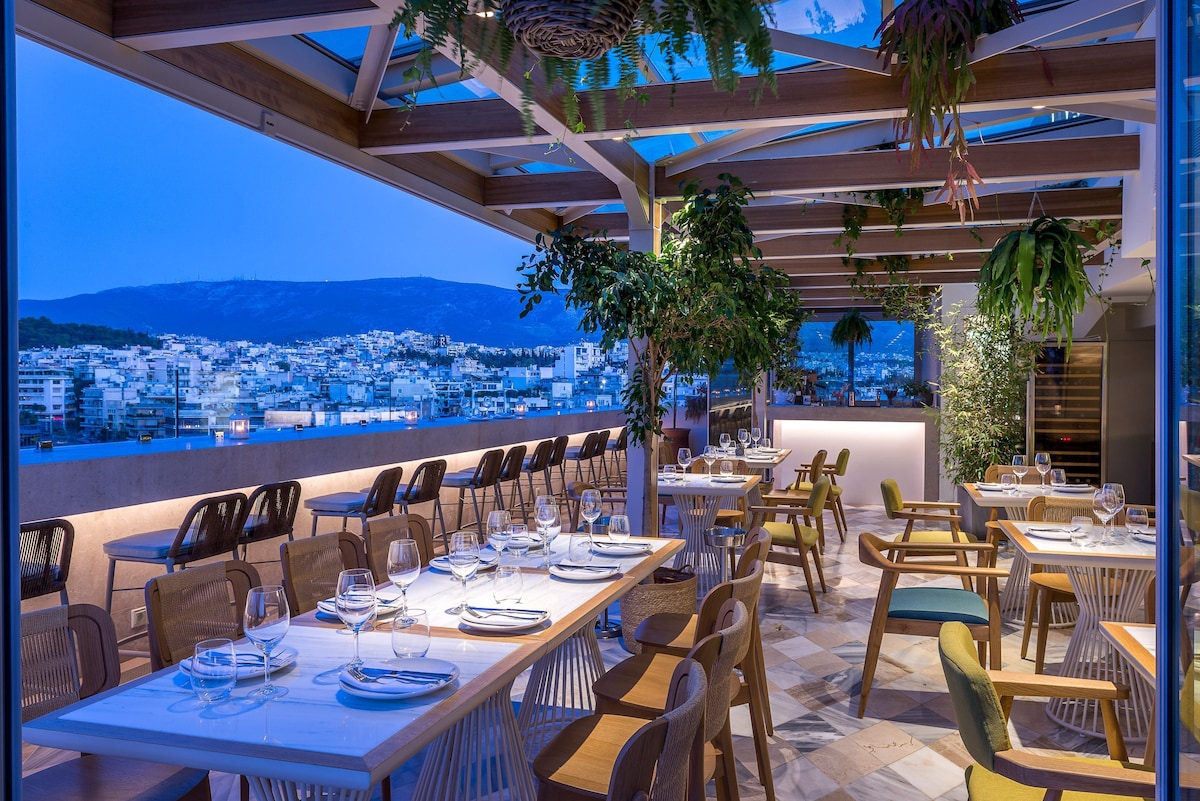
Zurich is located in northern Switzerland, just 15 miles from Germany’s southern border. As such, Zurich people speak a unique Swiss-German dialect. The Limmat river commences in southern Zurich and continues northwesterly for 22 miles, where it converges with the Aare river. Breaching Zurich’s central Old Town District 1, Lake Zurich, Switzerland’s 6th-largest lake at roughly 34 square miles, is about 25 miles long and 1.85 miles at its widest point. Clean and great for swimming, Lake Zurich’s water is actually potable when filtered.
Zurich professional football clubs are FC Zürich and Grasshopper Club Zürich, while ZSC Lions is the city’s professional hockey team. When in Zurich, keep in mind that it is walkable, with many great river and lakeside trails. As such, sneakers and a bathing suit are good to pack, especially during summer months. Zurich’s currency is the Swiss Franc, cars travel on the right-hand side and the drinking age is 18 years old. Zurich accommodations are some of Switzerland’s best. Before we get to Zurich accommodations, let’s take a look at some more background information on the area to help you along the way.
During the Neolithic and Bronze Ages, Lake Zurich’s surrounding lands naturally made for great settlement areas. The Celtic, pre-Roman, Iron Age La Tène culture settled near central Zurich’s Lindenhof hill. In 15 BC, during Roman times, a castellum, or small Roman tower, was built on Lindenhof. Turicum, a Galo-Roman settlement at Lake Zurich’s lower end, was developed to collect taxes on goods trafficked on the Limmat. Roman occupation developed from a tower to a settlement, and eventually into a vicus, or rural village. Between Lake Walen and Lake Zürich, a Roman castle and garrison formed. A 2nd-century tombstone, which references Statio Turicensis Quadragesima Galliarum, or “Zürich post for collecting the 2.5% value tax of the Galliae”, has been discovered at Lindenhof. Germanic Alemannis settled in the Swiss Plateau between the Jura Mountains and Swiss Alps circa the 5th century. Until the 7th century, the Roman castle between the lakes Walen and Zurich remained standing. In 835, however, Louis the German, grandson of Charlemagne, king of the Franks, demolished the Roman castle and built a Carolingian castle on its site. Zurich’s Fraumünster church was founded in 853 by Louis the German for his daughter Hildegard. The Catholic Order of Saint Benedict was endowed with Zürich, Uri, and Albis forest lands, and was granted immunity under Louis’ direct authority. King Henry III, in 1045, granted the Benedictine convent the right to hold markets, collect tolls and mint coins, effectively granting the abbess, or female superior of the Fraumünster abbey, rule over the city. Imperial immediacy, a privileged constitutional and political status, was given to Zurich in 1216 as a result of the House of Zähringen’s extinction. In the 1230s, a city wall was built, with Louis the German’s Carolingian castle, which had begun to fall into ruin, serving as a quarry. The Fraumünster abbess was promoted to the rank of duchess by Emperor Frederick II in 1234, at which time a mayor was nominated, and citizens were delegated to mint coins. Rudolf Brun, leader of Zurich’s 1336 guilds’ revolution and the city’s first independent mayor not nominated by the abbess, was cause for the convent’s political demise in the 14th century. Manesse Codex, a Middle High German Minnesang poetry, was commissioned by the Manesse family of Zürich during the 14th century. The Zürich massacre of 1349, allegedly as a result of Jews’ murdering and taking the blood of a Zurich man’s four year old son along with their well poisoning during the time of Black Death, resulted in about 60 Jews’ deaths by fire and their accomplices being banished from Zurich. The Swiss Confederacy, on May 1, 1351, required Zurich’s citizens to swear allegiance to the confederation, thus incorporating Zurich as the Confederacy’s fifth member alongside Lucerne, Schwyz, Uri and Unterwalden. From the Middle Ages until the establishment of the Swiss federal state in 1848, Zurich, as presiding canton, became the confederacy’s executive council and lawmaking body. The Old Zurich War of 1440, prompted by a dispute over the territory of Toggenburg, caused Zurich’s temporary expulsion from the confederacy, followed by its readmittance in 1450. Switzerland’s Protestant Reformation was started by Ulrich Zwingli during his time as the Grossmünster‘s main preacher in 1519. In 1531, Christoph Froschauer printed the Zürich Bible. Prompted by the Thirty Years’ War, a second ring of fortifications was built around the city in 1624, and in 1648 Zurich proclaimed itself a republic. Zurich lost control of land and economic privileges it had gained by way of the 1798 Helvetic Revolution and subsequent fall of the Kingdom of France’s Ancien Régime, a political and social system. Without ever having been besieged, the city’s 17th century ramparts were torn down at the end of 1839 following the Züriputsch, a putsch by the rural conservative population against the city’s liberal rule. Lindt & Sprüngli chocolate was founded in Zurich circa 1845. In 1859, the Treaty of Zurich among Austria, France and Sardinia brought the Austro-Sardinian War to an official close. During the 19th century, the city’s extensive developments included the Spanisch-Brötli-Bahn railway, the Hauptbahnhof (Zürich HB) main railway station, Bahnhofstrasse (Station Street) and the Zürich Stock Exchange. Indeed, relative to other European cities, and throughout its history, Zurich was largely unscathed by battle, though during World War II, the city was accidentally bombed by six USAAF B-24H bombers, who believed they were bombing the German city of Freiburg im Breisgau.
Not to be confused with Lake Zurich, Illinois, Zurich, Switzerland is home to over 415,000 Zürchers. Züri is Switzerland’s largest city, and also the capital of the canton of Zürich. Zürichsee is another name for Lake Zurich, which drops 446 feet at its maximum depth. Rarely, Lake Zurich freezes over, which is considered a bit of a phenomenon. Although Swiss German is the city’s official language, English is also widely spoken. One of the world’s most livable cities, Zurich is also one of the most expensive. Low tax rates and canton funding make Zurich an attractive haven for overseas business. Switzerland’s banking epicenter, Zurich is home to guild architecture. As prostitution is legal in Switzerland, Zurich’s red-light district is located in Langstrasse. Although Zurich generally is a very safe city, the Langstrasse red-light district area does have an above-average crime rate, mostly due to drug dealing. Good to know, perhaps, is that sexting is illegal in Switzerland. Distant, snow-capped, central Swiss Alps mountains, about 80 miles away, are visible on clear days from Züri. The city’s climate is oceanic, with four seasons. Summers are warm, with high temperatures averaging around 75 degrees Fahrenheit in July, while January winters average below freezing. Besides summer, Christmastime is also a great time to visit Zurich. Additional points of interest include Old Town, St. Peter Church, Niederdorf (nightlife district), Augustinergasse (Old Town pedestrian zone / medieval lane), Münsterhof (square / Guild houses), Münsterbrücke (pedestrian/road bridge), Paradeplatz (square), Schauspielhaus Zürich, Theater am Neumarkt, Prime Tower, University of Zurich, ETH Zurich and Swiss Institute of Technology. Popular foods include zurcher geschnetzeltes (sliced veal in gravy), alplermagronen (gratin), birchermüesli (muesli), rösti (shredded fried potatoes), burli (bread rolls), Luxemburgerl (mini-macaroons), Swiss chocolate, cheese fondue and Swiss cheese. Generally, cocktails are not extremely popular, with beer, wine, mojitos and caipirinha being the main alcoholic drinks, while non-alcoholic drinks are tea and Rivella (soda). With a little background information on the area, we’re ready for Zurich accommodations that will help make for an exciting trip.
Resort amenities: 2 restaurants, city, lake & mountain views, pool with panoramic views, fitness facilities, spa, free Wi-Fi, flat-screen TVs, bathrobes, slippers, free shuttle service to city center, limousine service upon request
Hotel amenities:restaurant, bar, cigar bar, rooftop bar, Swiss buffet breakfast, terrace, river / Old Town views, classic furnishings, air conditioning, free Wi-Fi, 24-hour concierge service, private Limmat River boat pier
Hotel amenities: 2 restaurants, wine boutique, lake / mountain views, private park, medical massages / physiotherapy upon request, top-floor fitness center, free mini-bar usage, 24-hour concierge service, valet parking, limo service, maid service twice a day, car repair service
Nearby restaurants / bars: Le Poisson (French restaurant), Pavillon (haute French restaurant), Ona (Hawaiian restaurant), Bürkli Beiz + Kiosk (restaurant), Oak Bar (cocktail bar)
Hotel amenities: bar, terrace, balconies, garden, patio with garden views, free Wi-Fi, flat-screen TVs, safety deposit boxes, buffet, à la carte or continental breakfast, private parking
So there they are, Zurich accommodations that will help make for an outstanding trip. We hope you have found this information valuable and most of all, that you enjoy your time in Switzerland!
We use cookies on our website to give you the most relevant experience by remembering your preferences and repeat visits. By clicking “Accept All”, you consent to the use of ALL the cookies. However, you may visit "Cookie Settings" to provide a controlled consent.
This website uses cookies to improve your experience while you navigate through the website. Out of these, the cookies that are categorized as necessary are stored on your browser as they are essential for the working of basic functionalities of the website. We also use third-party cookies that help us analyze and understand how you use this website. These cookies will be stored in your browser only with your consent. You also have the option to opt-out of these cookies. But opting out of some of these cookies may affect your browsing experience.
Necessary cookies are absolutely essential for the website to function properly. These cookies ensure basic functionalities and security features of the website, anonymously.
Cookie
Duration
Description
cookielawinfo-checkbox-analytics
11 months
This cookie is set by GDPR Cookie Consent plugin. The cookie is used to store the user consent for the cookies in the category "Analytics".
cookielawinfo-checkbox-functional
11 months
The cookie is set by GDPR cookie consent to record the user consent for the cookies in the category "Functional".
cookielawinfo-checkbox-necessary
11 months
This cookie is set by GDPR Cookie Consent plugin. The cookies is used to store the user consent for the cookies in the category "Necessary".
cookielawinfo-checkbox-others
11 months
This cookie is set by GDPR Cookie Consent plugin. The cookie is used to store the user consent for the cookies in the category "Other.
cookielawinfo-checkbox-performance
11 months
This cookie is set by GDPR Cookie Consent plugin. The cookie is used to store the user consent for the cookies in the category "Performance".
viewed_cookie_policy
11 months
The cookie is set by the GDPR Cookie Consent plugin and is used to store whether or not user has consented to the use of cookies. It does not store any personal data.
Functional cookies help to perform certain functionalities like sharing the content of the website on social media platforms, collect feedbacks, and other third-party features.
Performance cookies are used to understand and analyze the key performance indexes of the website which helps in delivering a better user experience for the visitors.
Analytical cookies are used to understand how visitors interact with the website. These cookies help provide information on metrics the number of visitors, bounce rate, traffic source, etc.
Advertisement cookies are used to provide visitors with relevant ads and marketing campaigns. These cookies track visitors across websites and collect information to provide customized ads.