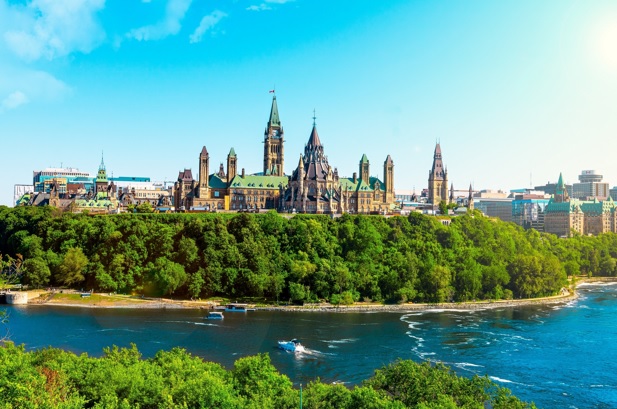
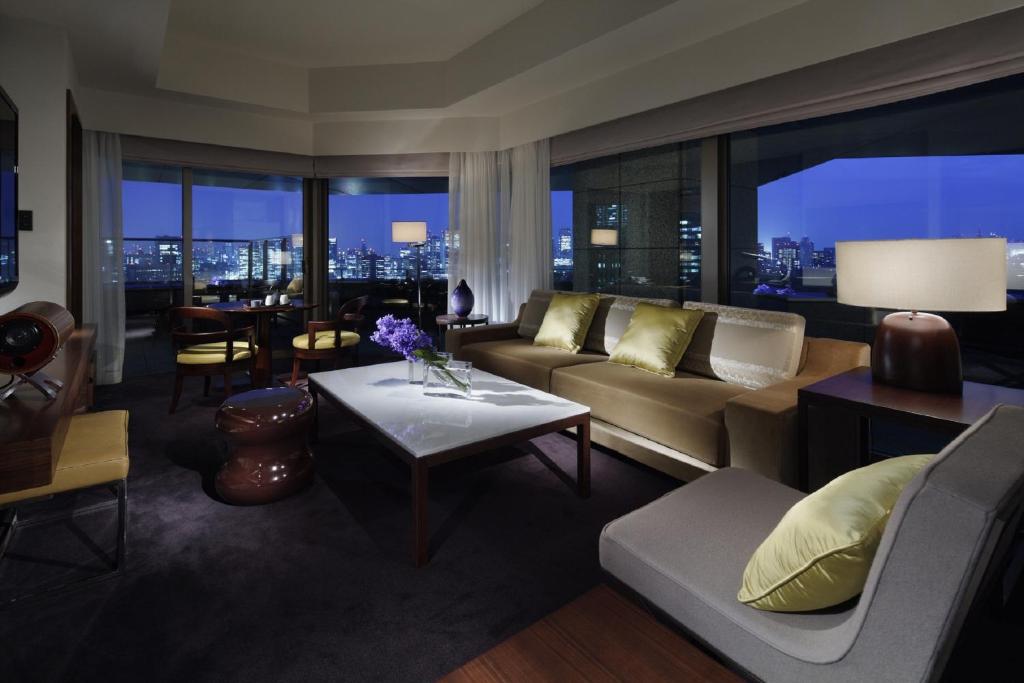
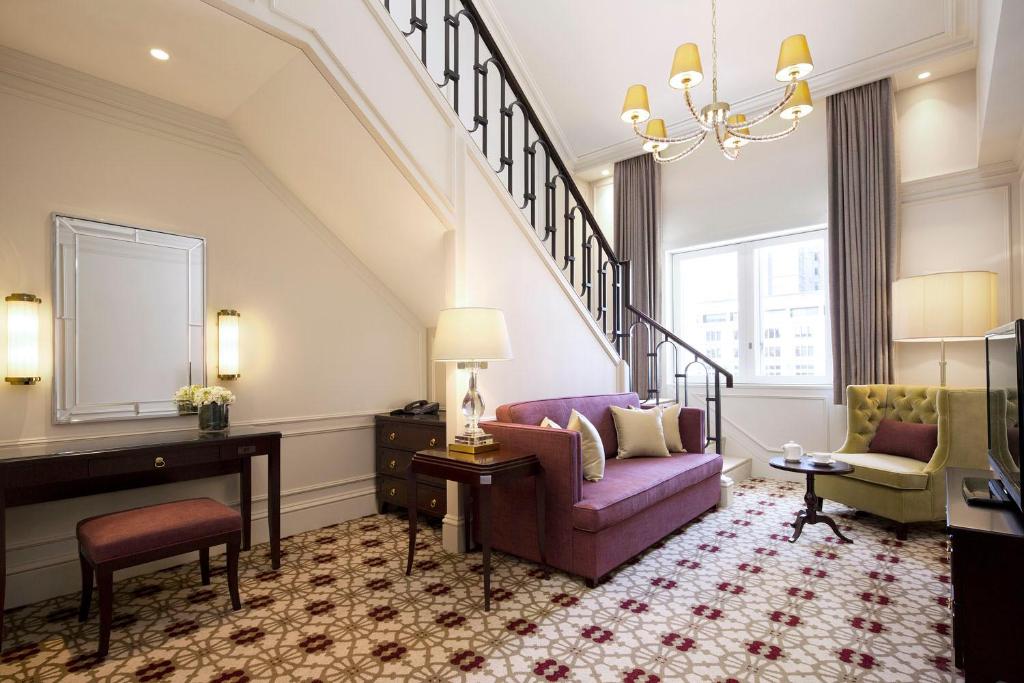
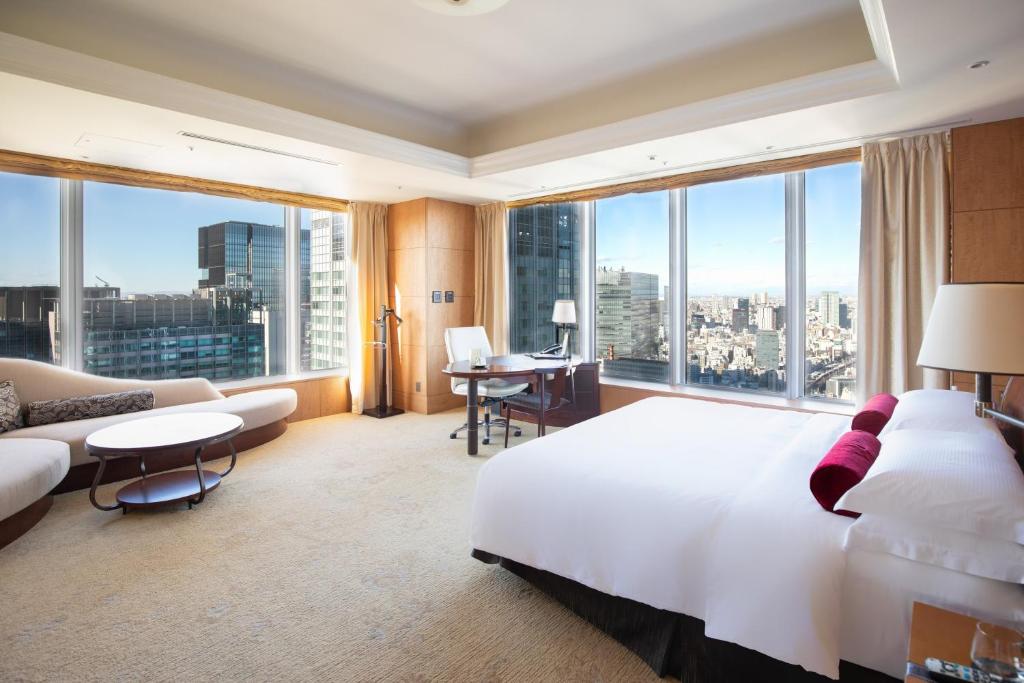
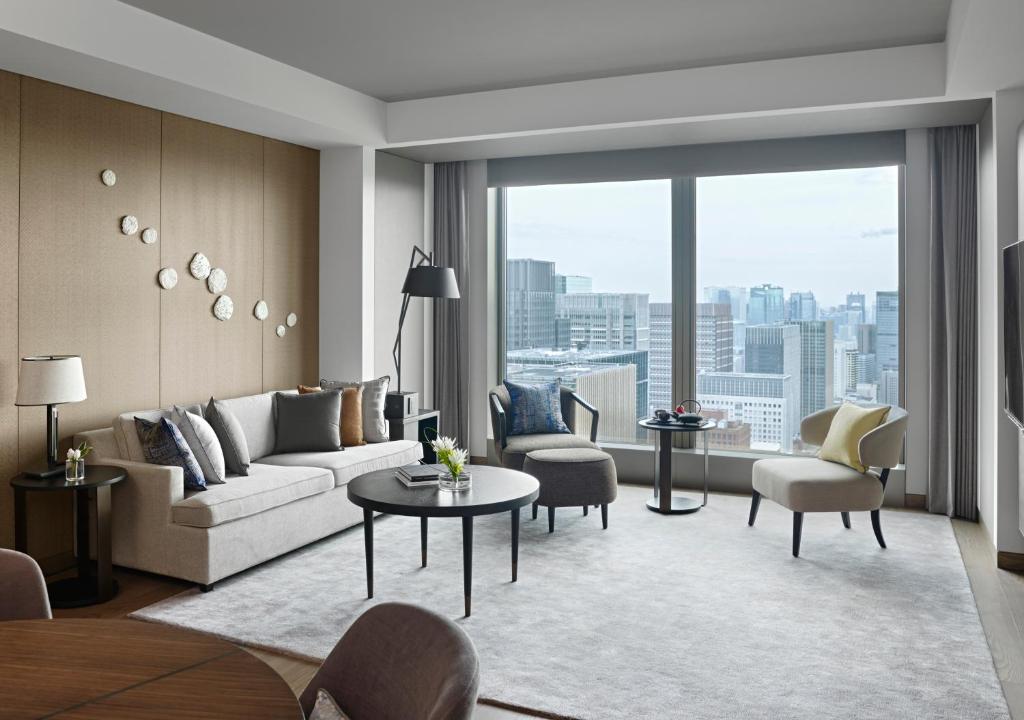
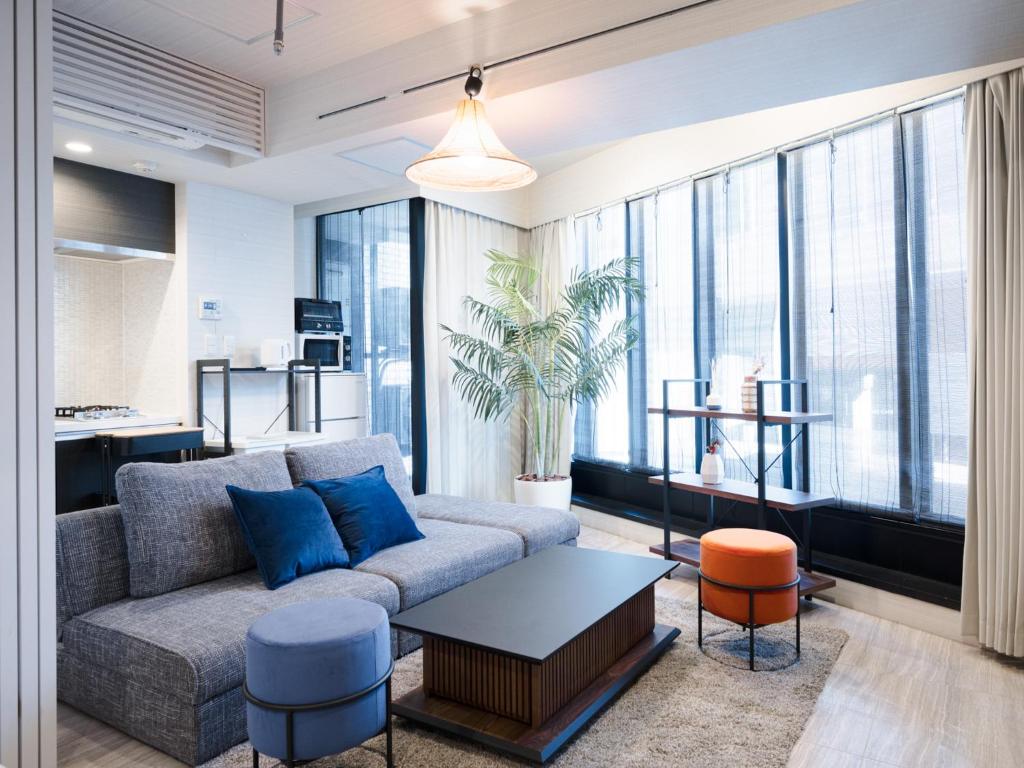
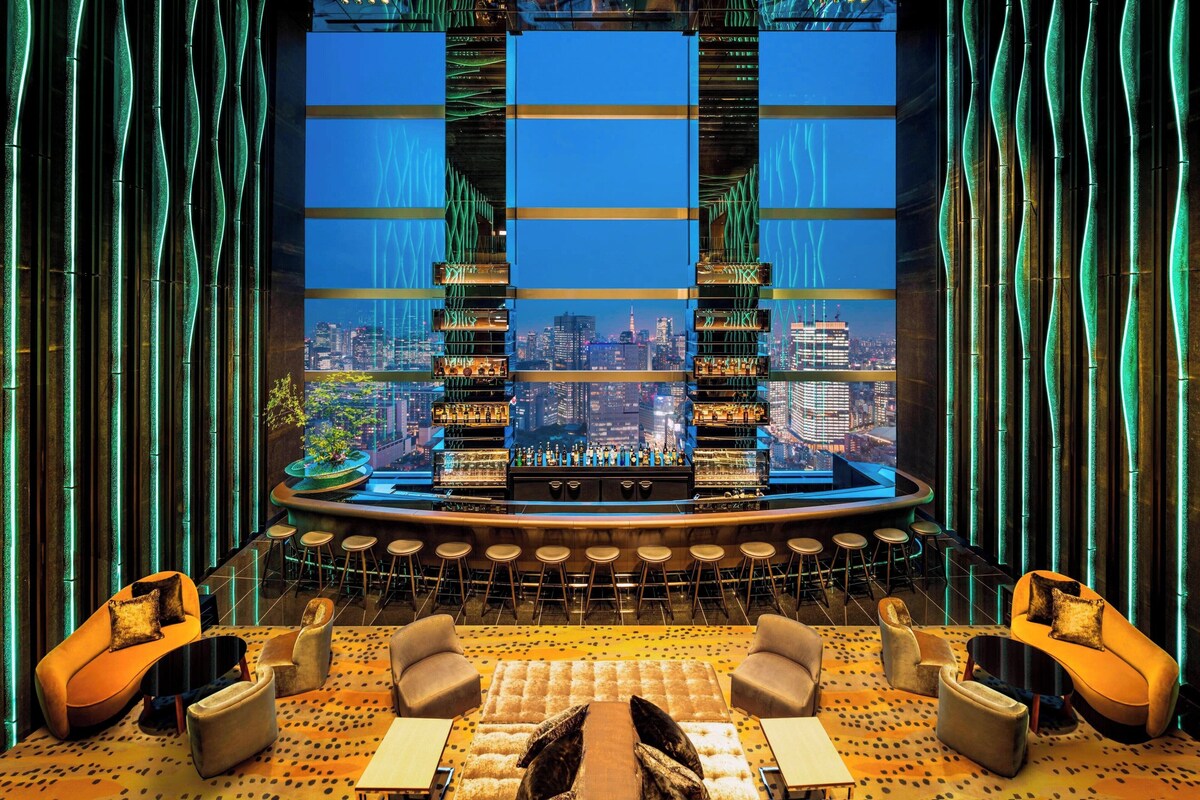
Ottawa accommodations welcome you to a destination nicknamed “The City That Fun Forgot”. Known for its museums, art galleries, riverfront parks / beaches, waterfalls, hiking areas, Beaver Tails (fried dough), Canadian cheese, maple chocolate and hockey tradition, Ottawa is located at the Ottawa and Rideau Rivers’ confluence in southeastern Ontario. About 2 hours west of Montreal and 3.5 hours northwest of Burlington Vermont (driving), Ottawa’s iconic riverfront forms a natural border between the provinces of Ontario and Quebec. Ottawa is about midway between Quebec City (northeasterly) and Toronto (southwesterly).
Ottawa main attractions: Parliament Hill (neo-Gothic complex / Canada’s legislature – artworks, tours), CF Rideau Centre (shopping mall), ByWard Market (Beaver Tails origin, outdoor farmers market stalls, specialty food stalls, street art, retail / crafts stores, eateries), Canadian Museum of Nature, National Gallery of Canada (art gallery), Canadian War Museum, Canada Science and Technology Museum, Ottawa Train Yards (shopping mall), JOEY Rideau (restaurant), Canada Aviation and Space Museum, TD Place (stadium), Mooney’s Bay Park and Beach (riverfront park – beach swimming, playgrounds, sledding hill, family events / festivals), Notre Dame Cathedral Basilica (19th-century Catholic church), Hog’s Back Park (waterfalls, dam, hiking trails, green space, picnic areas), Diefenbunker: Canada’s Cold War Museum (massive underground bunker museum – exhibits, military artifacts, events), Britannia Park and Beach, Commissioners Park (lakeside park – paths, picnic areas, tulip festival), Canada Agriculture and Food Museum, Royal Canadian Mint (museum), Major’s Hill Park (city park – walking paths, seasonal events / gardens, river views), Mer Bleue Bog (boardwalk trail), Strathcona Park (riverfront park – seasonal splash pad, paths, benches, shade trees), Rockcliffe Park and the Rockeries, Ottawa Art Gallery, Remic Rapids Park (riverfront park – balanced rock sculptures), Fitzroy Provincial Park (wooded park – swimming beaches, boating, hiking trails, centennial trees, campgrounds), Stanley Park (riverside park), Chapman Mills Conservation Area (nature preserve), South March Highlands Conservation Forest (457-hectare nature preserve – hiking, mountain biking), Westboro Beach, Rink of Dreams (outdoor ice skating rink), Pinhey’s Point Historic Site (museum), Pine Grove Trail (hiking area), Eagle Creek Golf Club, Dewberry Trail (hiking area)
The Ottawa Senators play at Canadian Tire Centre on the southwest side. In Ottawa, English is widely spoken, though learning some French words and phrases might be helpful. Ottawa’s currency is the Canadian Dollar, cars travel on the right-hand side and the drinking age is 19 years old. Ottawa accommodations are some of eastern Canada’s best. Before we get to Ottawa accommodations, let’s take a look at some more background information on the area to help you along the way.
The word “Ottawa” derives from the Ottawa River, whose name itself comes from the Algonquin adawe, meaning “to trade”. Around 6,500 years ago, indigenous peoples settled in the Ottawa region after the Champlain Sea receded. As evidenced by archaeological findings (arrowheads, tools, pottery), the Algonquin likely engaged in hunting, fishing, foraging and trading. Thus, the area served as an important trade / travel center for thousands of years. During the 15th century, Europeans began settling and colonizing North America. Huron interpreter and guide Étienne Brûlé became the first known European to pass through the Ottawa-area on his way to the Great Lakes circa 1610. French explorer Samuel de Champlain, three years after Brûlé, passed through the area and wrote of its waterfalls and his encounters with the Algonquins. New England farmer, lumberman and entrepreneur Philemon Wright founded the area’s first non-Indigenous settlement, a lumber town (present-day Hull), on the river’s north side March 7, 1800. Wright’s Town became an agricultural town comprised of 6 families and 25 laborers. Pioneering the Ottawa Valley timber trade, which fueled the local economy, Wright transported timber via river from the Ottawa Valley to Quebec City. The British arrived in 1826 to construct the Rideau Canal and establish a community on the river’s south side. “Bytown” was named after British Lieutenant-Colonel John By, who oversaw the Rideau Canal’s construction. The Rideau Canal would help provide a secure route between Montreal and Kingston Ontario for supply ships, which were exposed to enemy fire near the border of New York during the War of 1812. Modern Parliament Hill was originally occupied by military barracks. Lieutenant-Colonel By also laid out a street grid and created the neighborhoods of Upper & Lower Towns. Upper Town was comprised of English-speaking Protestants, while Lower Town housed French / Irish Catholics. In 1827, ByWard Market was established. The Rideau Canal was completed in 1832, a year in which the area’s population had eclipsed 1,000. Arising from tensions amongst lumber operators, Shiners’ War (1835-1845) between Irish-Catholic immigrants and French Canadians led to Irish arrests. “King of the Shiners” Peter Aylen departed for Lower Canada near the conflict’s end, and the Shiners fizzled out. Evidenced by the 1849 Stony Monday Riot, Tories objected Bytown’s consideration as the Province of Canada’s capital. Nevertheless, Bytown was renamed and incorporated as Ottawa in 1855, and two years later became capital. Ottawa was chosen as capital due to its isolated location at the border between Canada West and Canada East. During the 1850s, lumber barons built some of the world’s largest sawmills in Ottawa. Parliament Hill, originally a limestone outcrop in primeval forest, was constructed between 1859 and 1876. Rail lines were built in 1854 and by 1885, Ottawa had become Canada’s only city with downtown street-lights powered entirely by electricity. The original Ottawa Senators ice hockey team, one of Canada’s first organized hockey clubs, existed from 1883 to 1954. Chaudière Falls hydroelectric generators started being utilized by local industrialists through “water leases” in 1889. In 1870, a horsecar transportation system began operating, but was replaced in the 1890s by an electric streetcar system, which ran until 1959. The 1900 Hull–Ottawa fire devastated much of Hull and Ottawa. Château Laurier hotel and Union Station opened alongside the Grand Trunk Railway on June 1, 1912. The city’s original Centre Block, destroyed by fire on February 3, 1916, was subsequently rebuilt in 1922, centered around Peace Tower. A former commercial district, Confederation Square was coronated by King George VI in 1939. The 1960 Greber Plan was implemented to make the National Capital Region more aesthetically pleasing, fit for a political scene. The 1960s-80s saw a large uptick in construction. Grant and Pam Hooker, founders of the legendary Beaver Tails pastry enterprise, opened their first store in Ottawa circa 1980. High tech was ushered into the city during the 1990s-2000s.
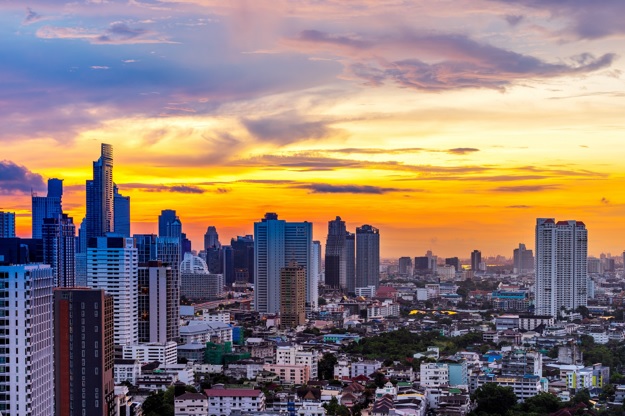
Canada’s capital, Ottawa today is home to over 1 million “Ottawans”. Ottawa is Canada’s fourth largest city, and naturally the country’s governmental center. Building height restrictions have kept Ottawa’s skyline minimal, though its tallest building is Claridge Icon at 469 feet. The oldest part of the city, known as Lower Town, is located between the Rideau Canal and rivers. Earthquakes, though rare, are possible due to the city’s location within the Western Quebec Seismic Zone. Home to a humid continental climate, Ottawa experiences four distinct seasons. Humidity is common during peak summertime, while snow and ice are typically abundant throughout winter. Additional points of interest include Downtown Ottawa, Rogers Centre, Centre Block on Parliament Hill, National War Memorial, Rideau Canal Skateway, Peace Tower (bell / clock tower), Library of Parliament, National Arts Centre, Gatineau Park, Discovery Trail (hiking trail), Lusk Cave (hiking area), Lac Philippe – Parc de la Gatineau (beach), Mont Cascades (waterpark), Eco-Odyssee (tourist attraction), Cafe Le Hibou (restaurant) and Caverne Laflèche par Arbraska (amusement park). Local foods include poutine (French fries, cheese curds, gravy), smoked meats, bacon, lobster rolls, bagels, bannock (flat-bread), butter tarts, French toast and Beaver Tails. Popular drinks are whiskey, lager beer, wine, various cocktails and hot chocolate. With some background information on the area, we’re ready for Ottawa accommodations that will help make for a fun trip.
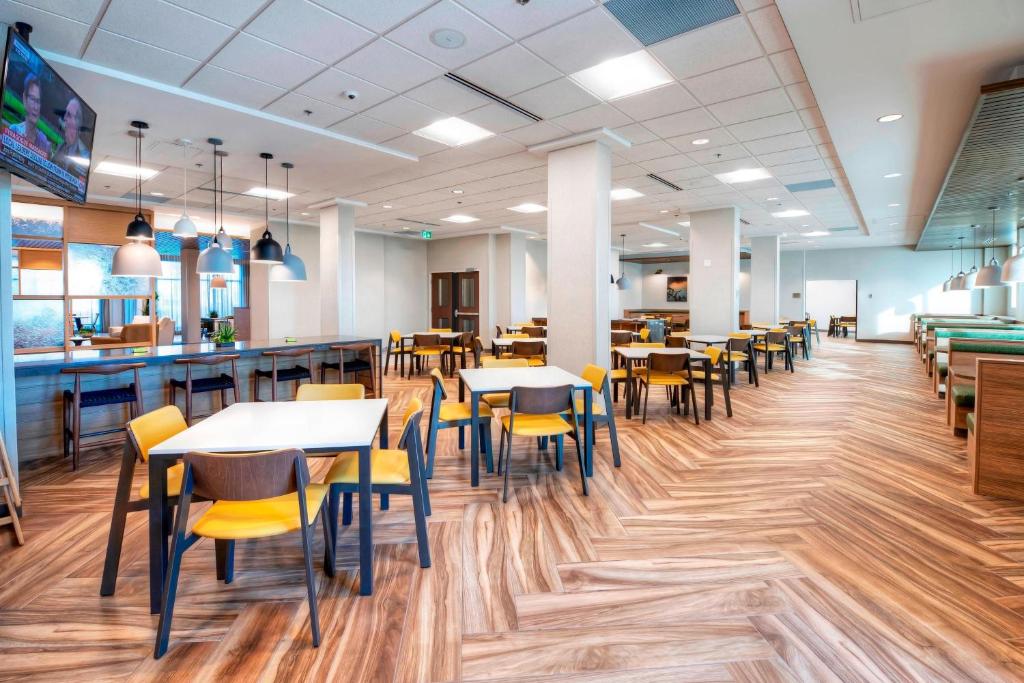
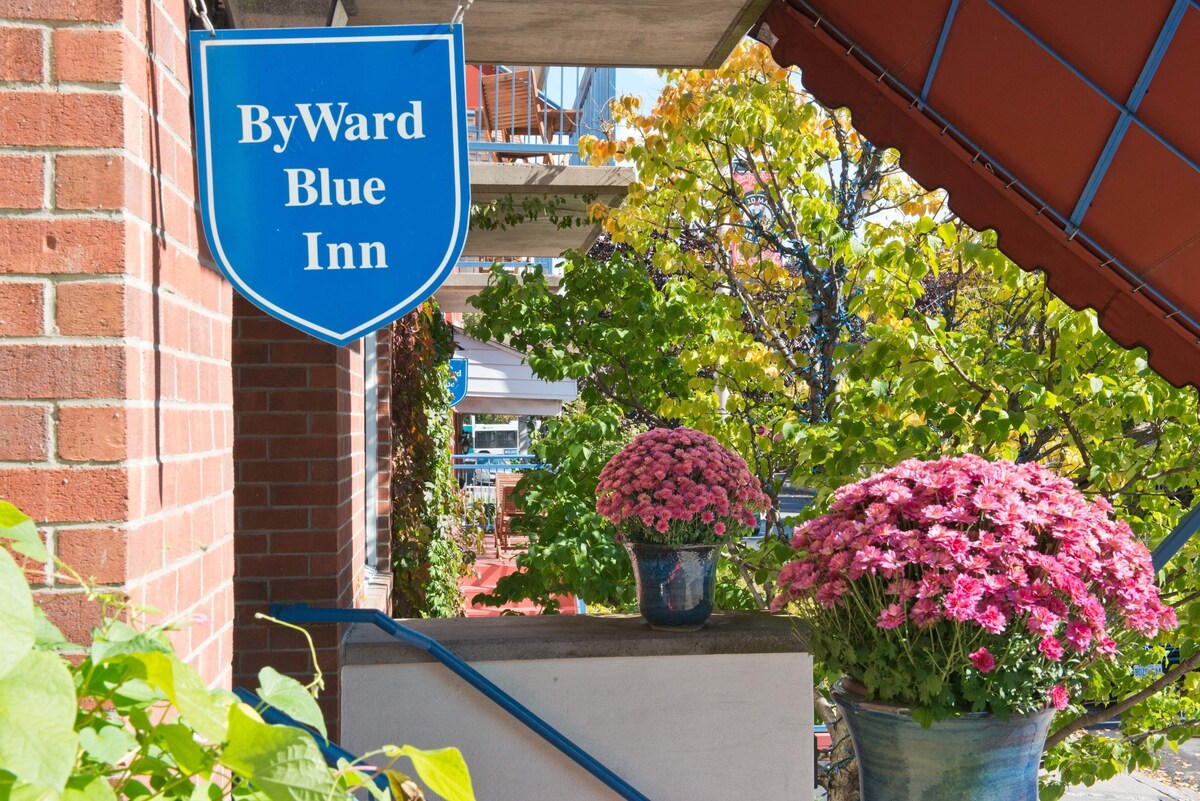
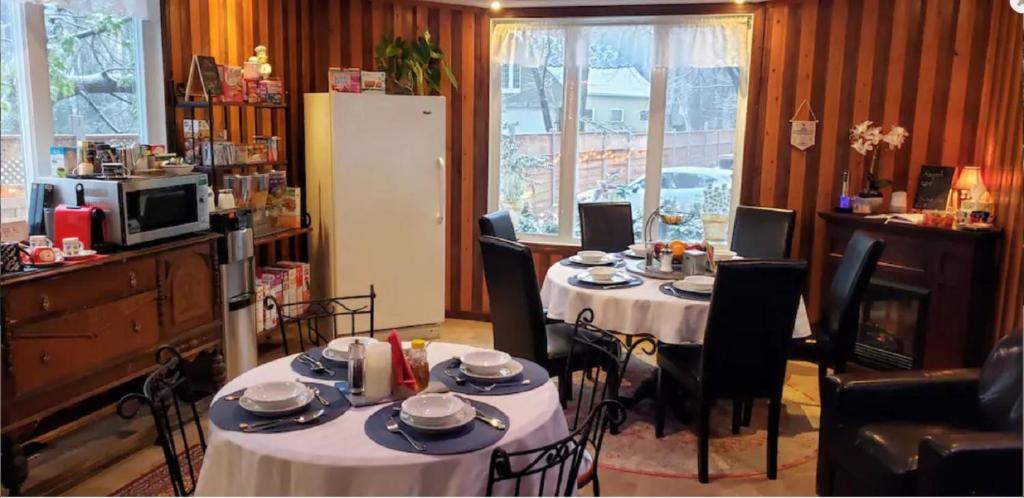
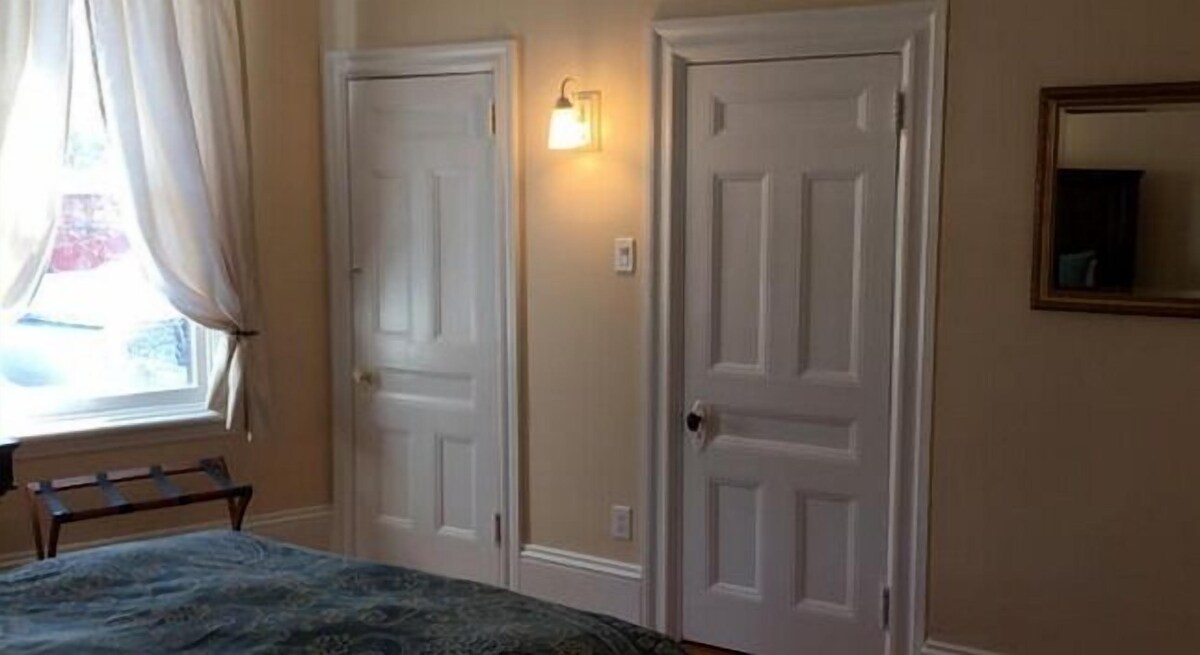
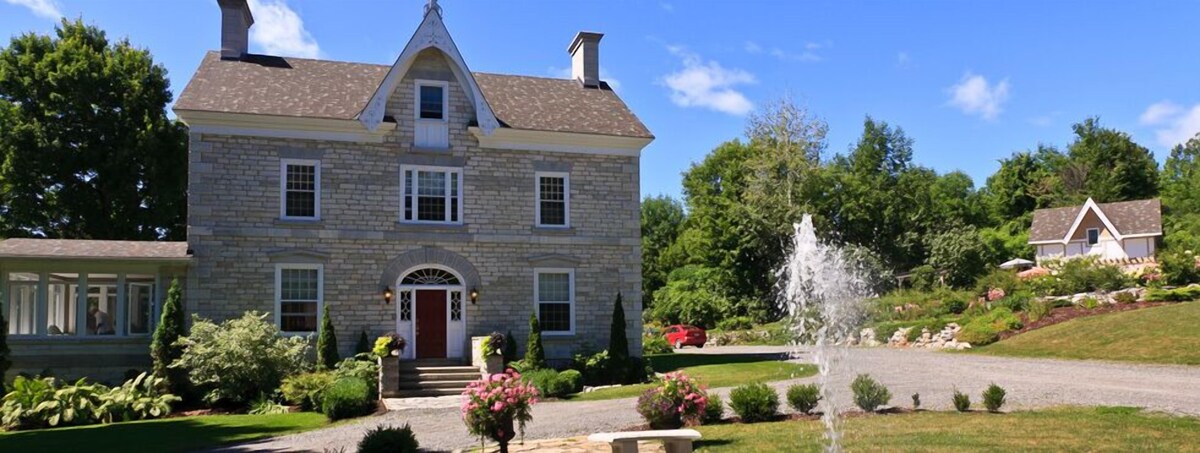
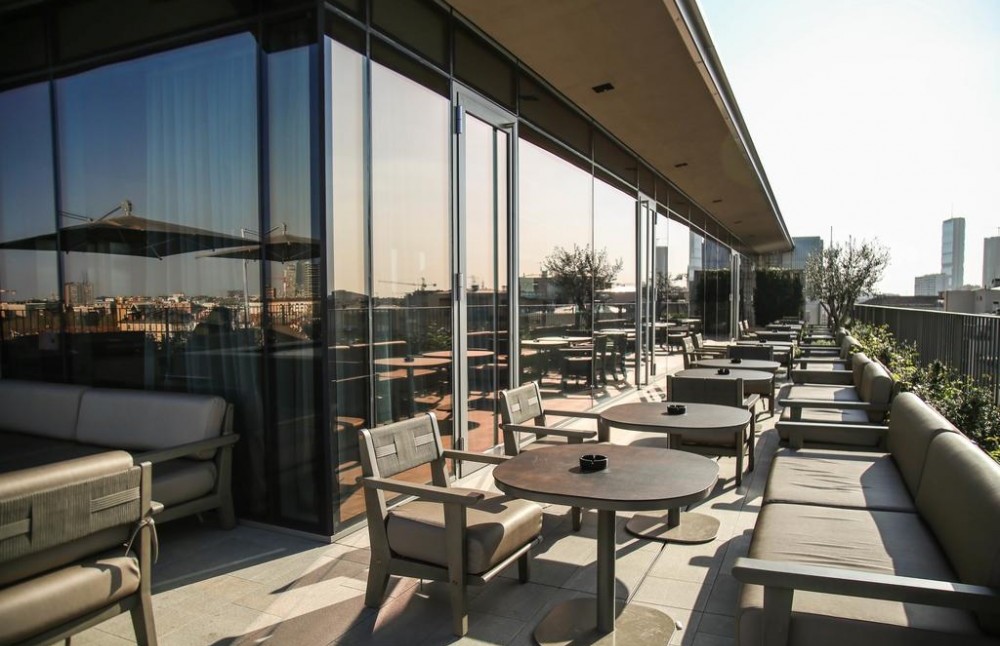
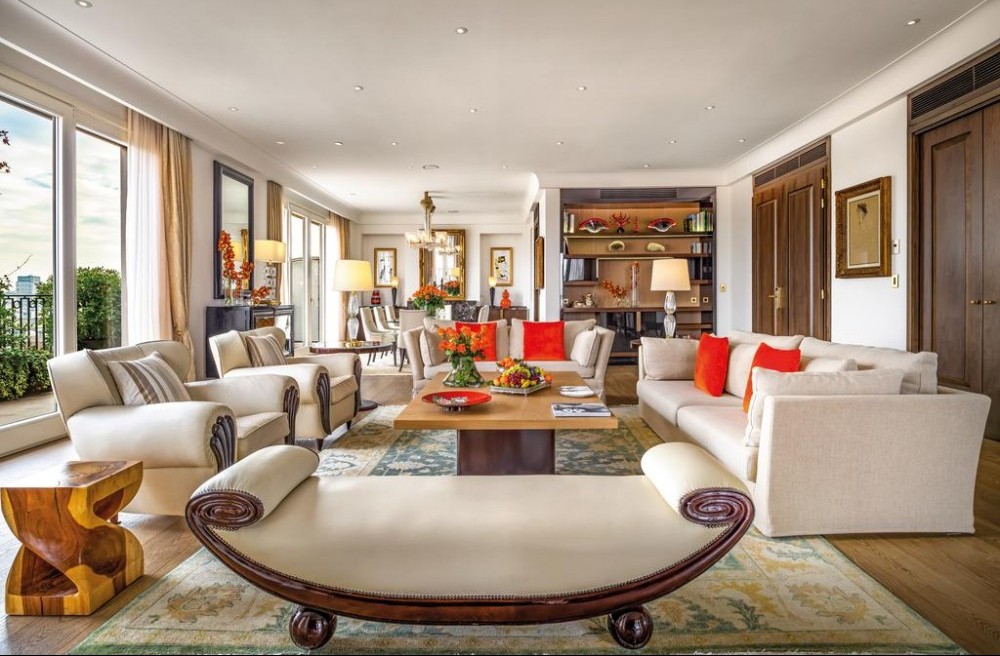
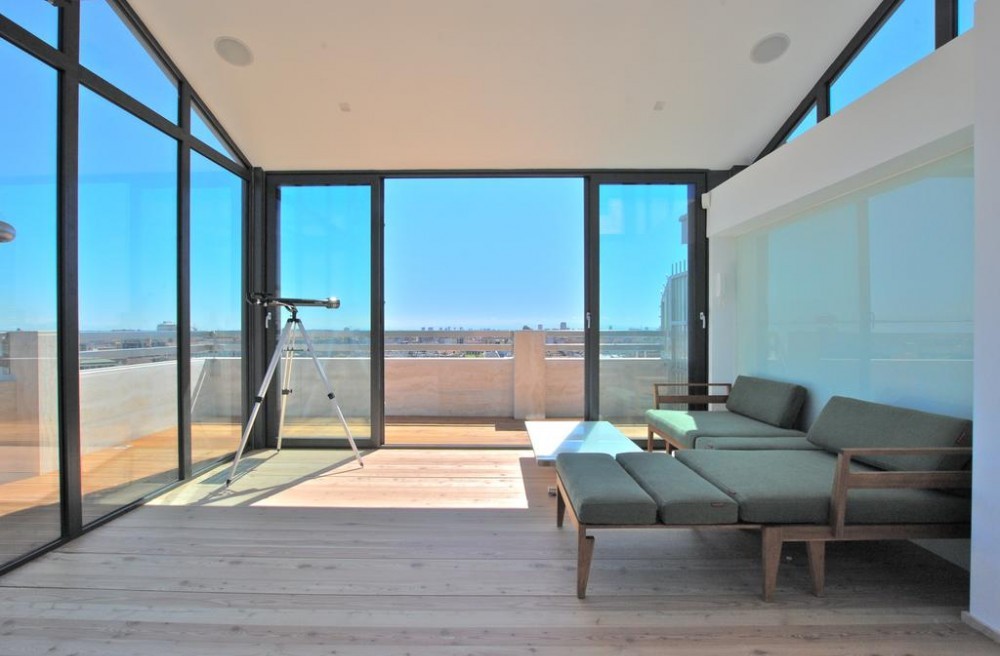
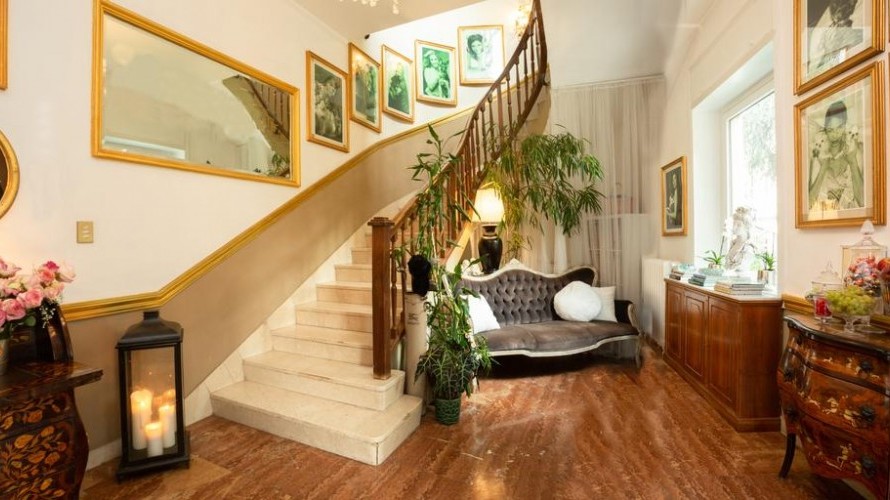
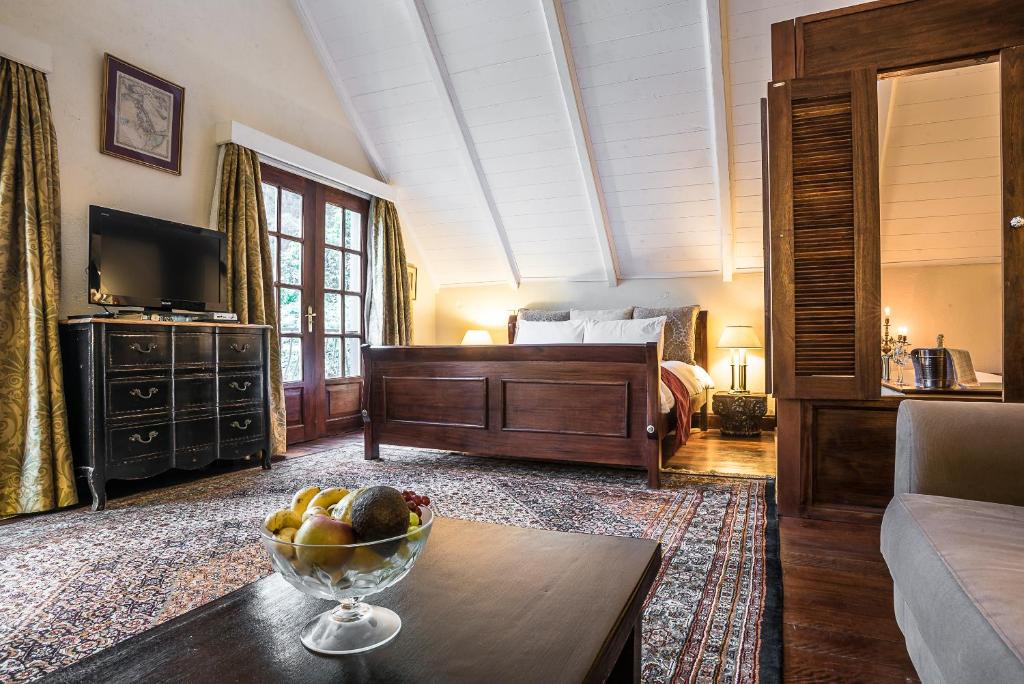
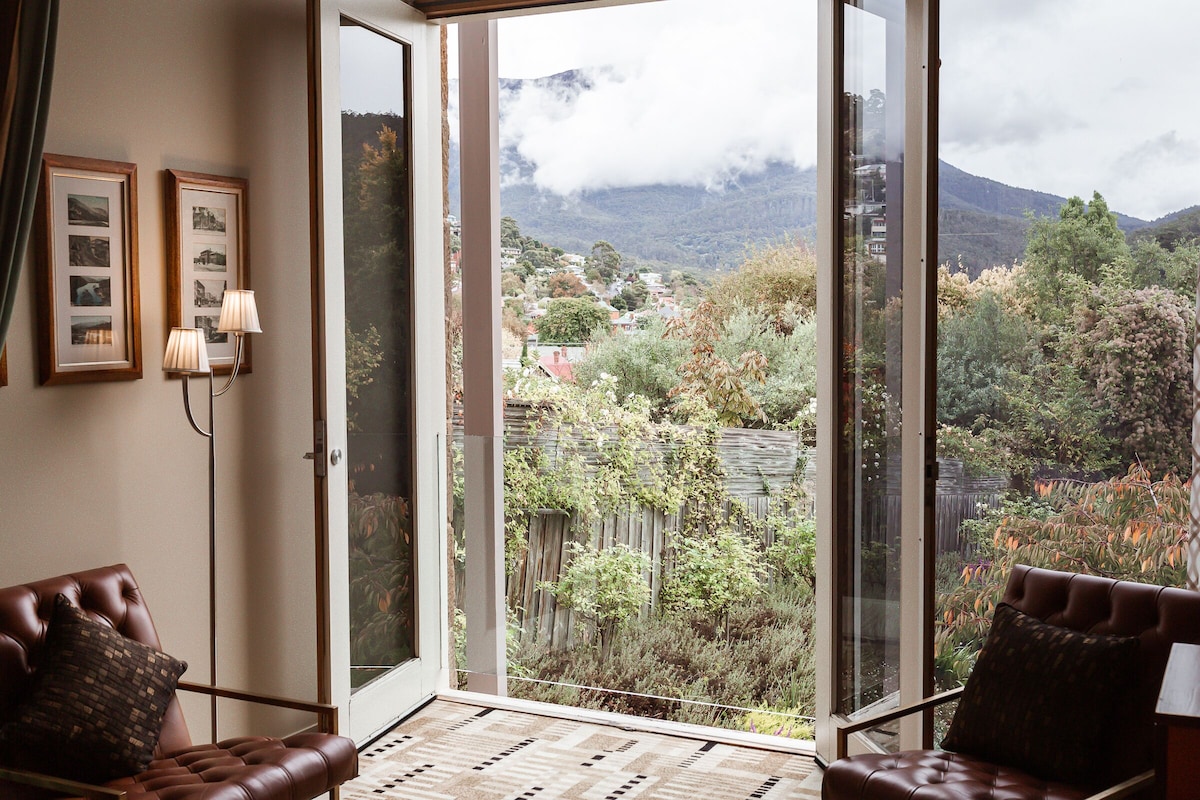
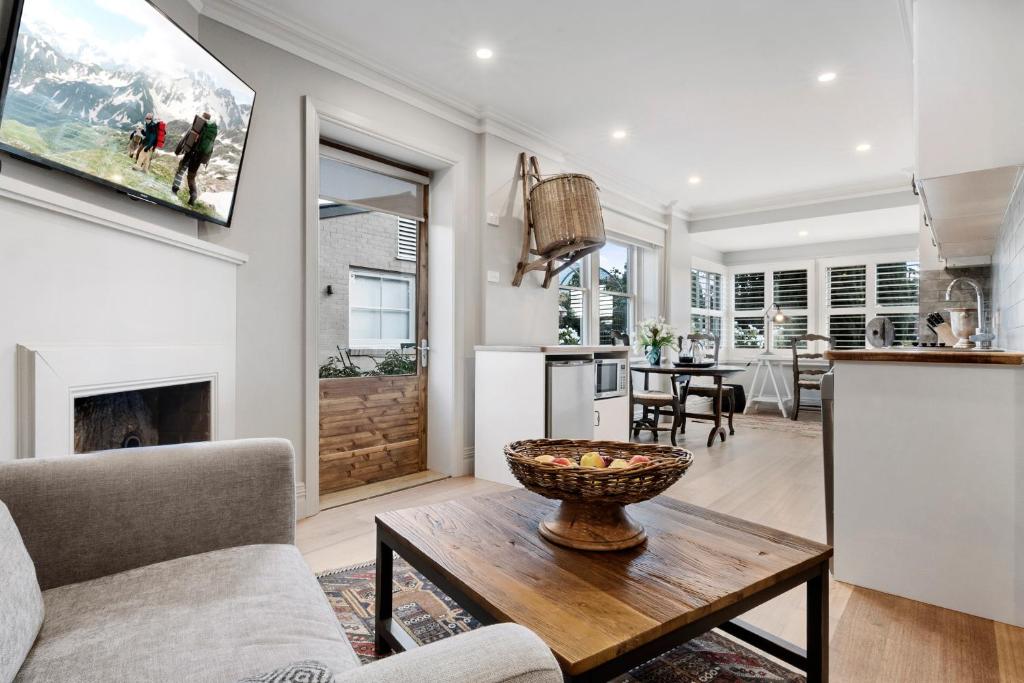
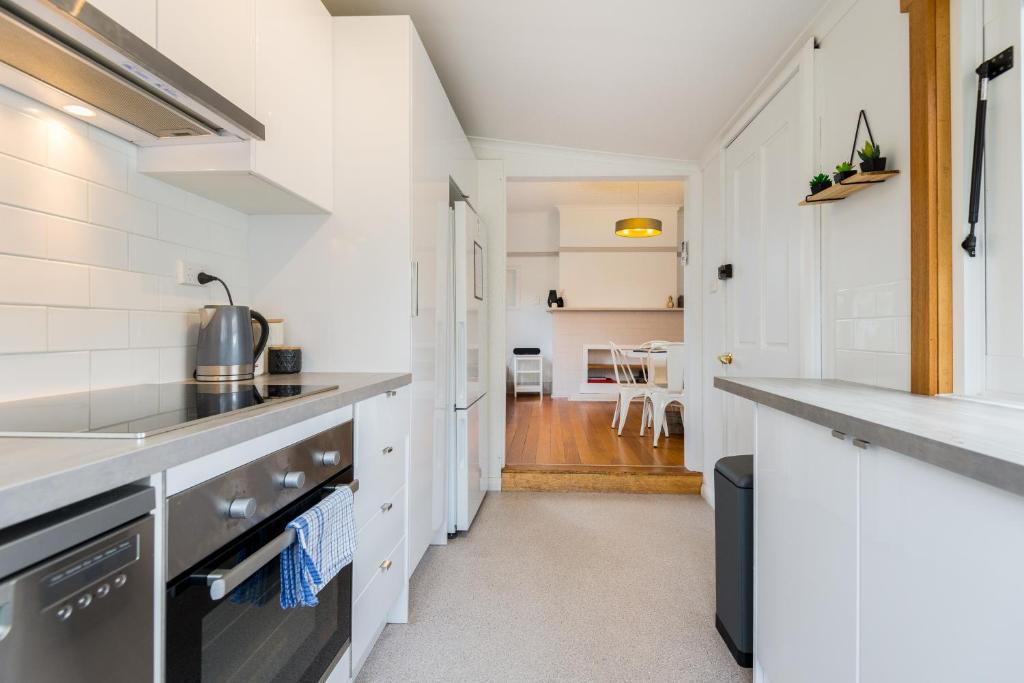
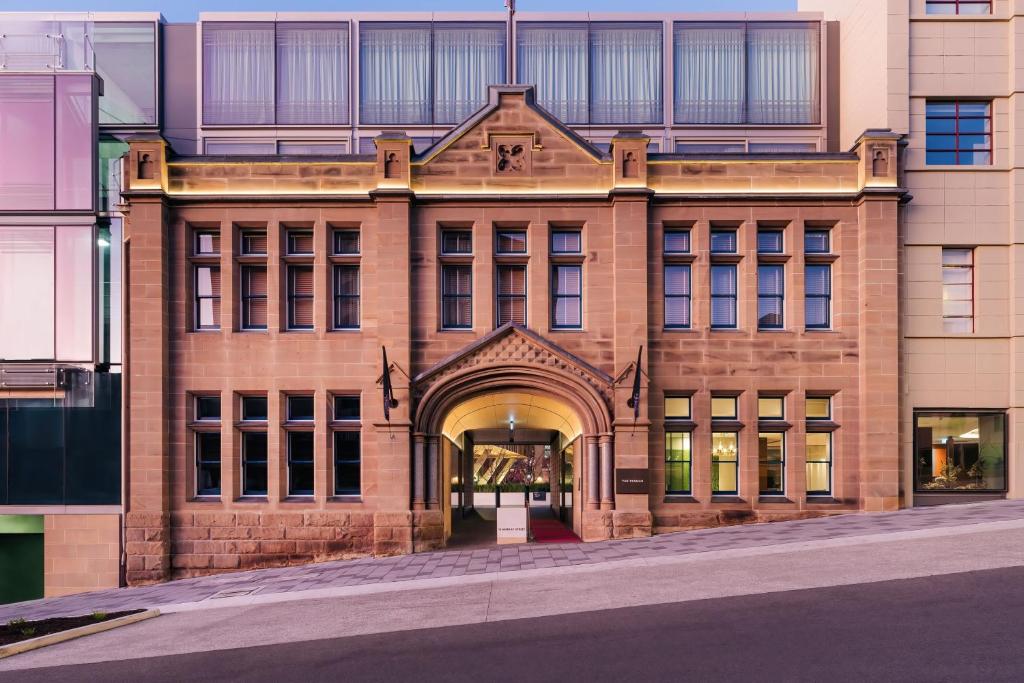
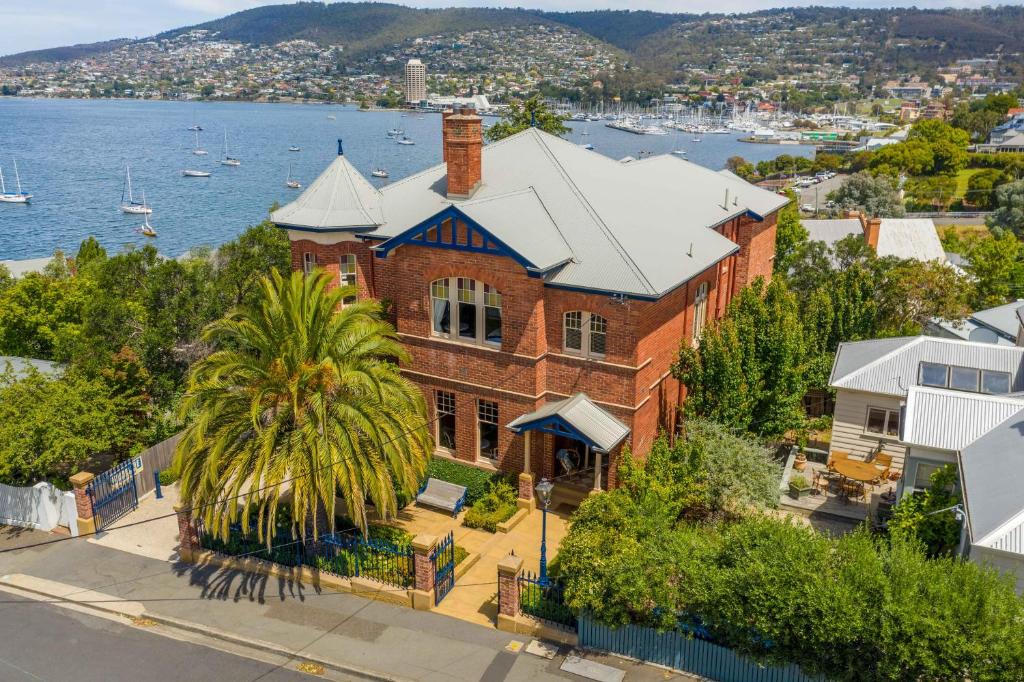
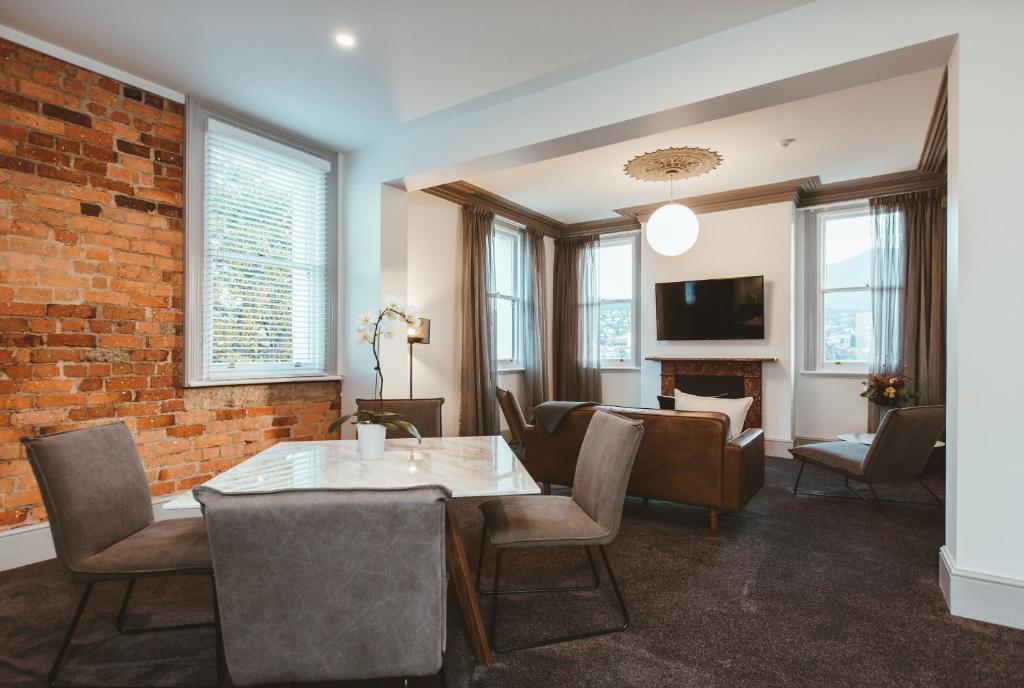
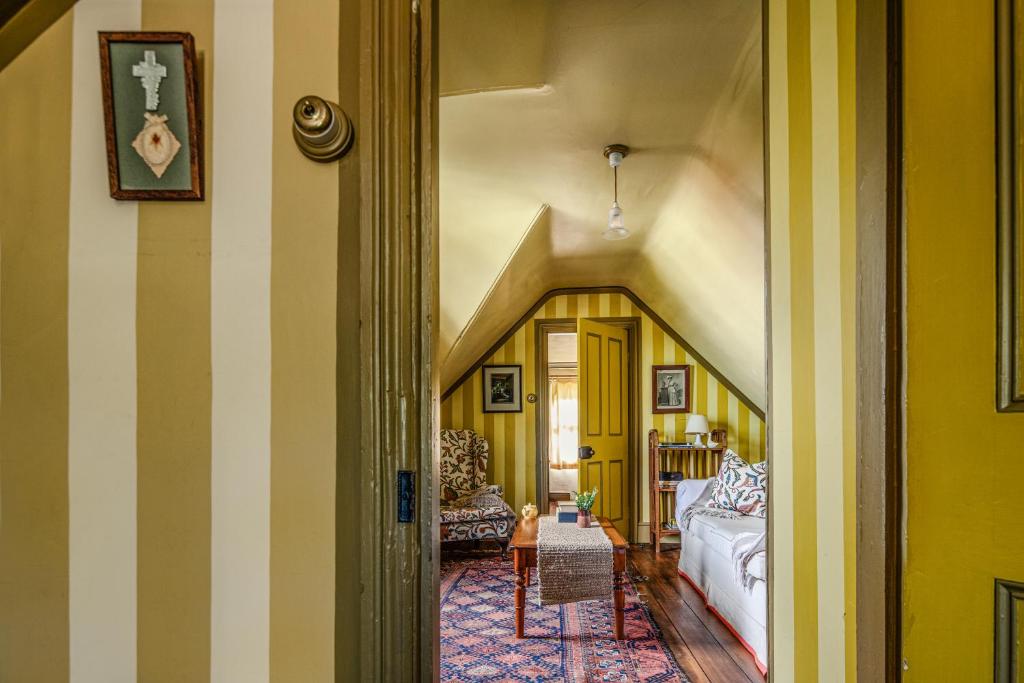
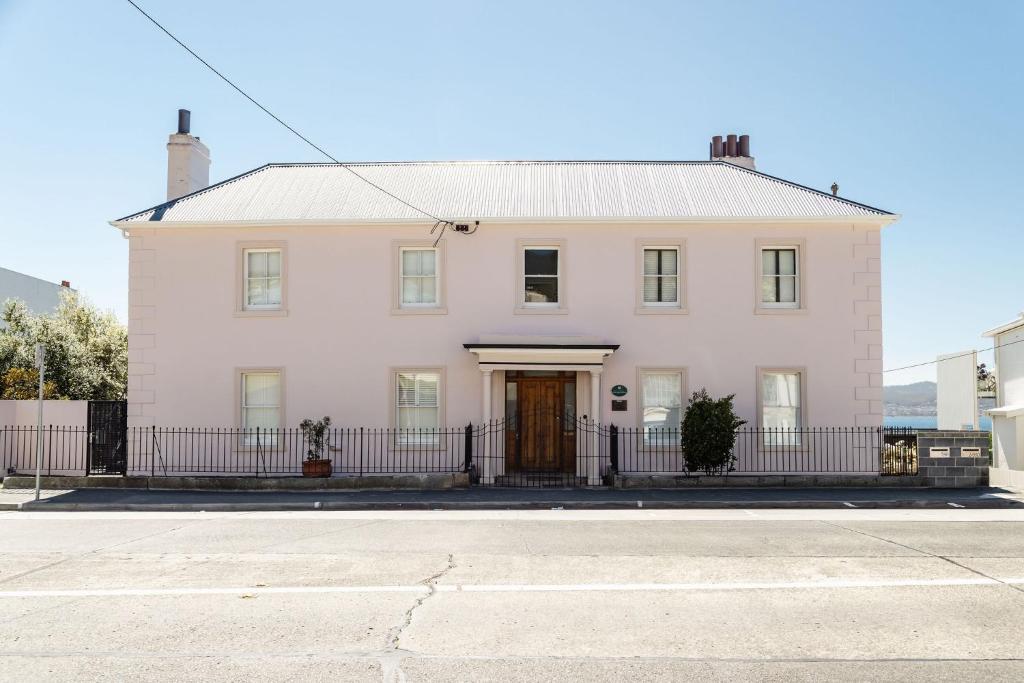
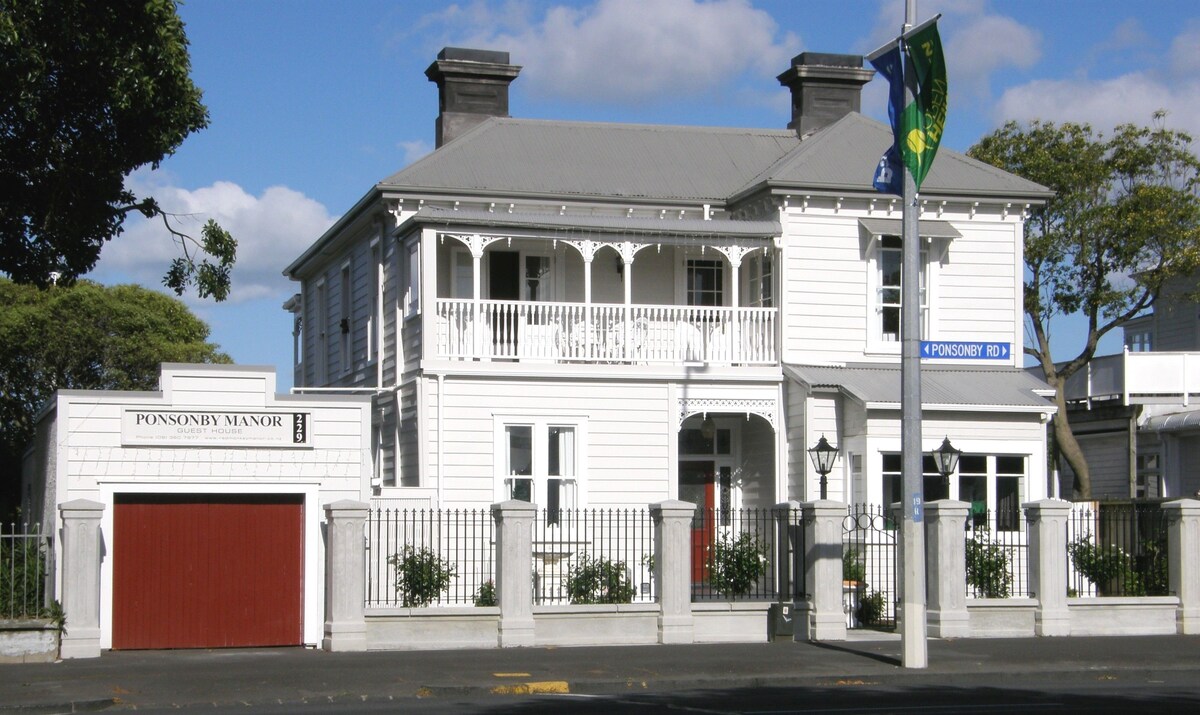
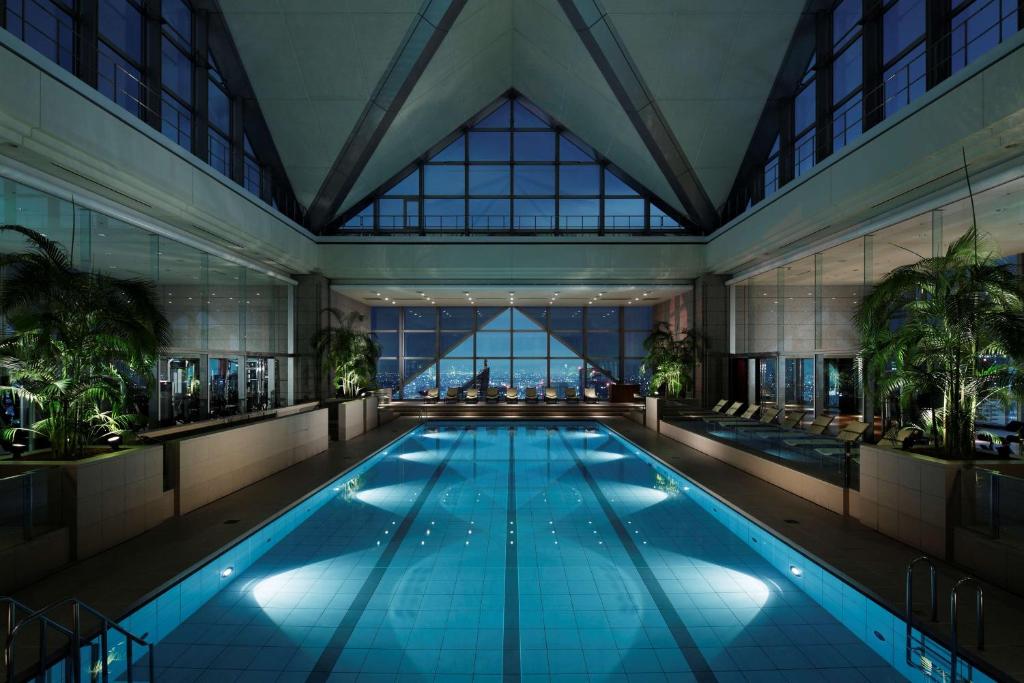
B&B amenities: outdoor pool, solarium with wrap-around terrace, hot tub, wooden floors, flat-screen TVs, spa baths, common living room with a baby grand piano & fireplace, dining room with antiques, artwork & Victorian furnishings, breakfast (bacon, eggs, eggs benedict, waffles)
So there they are, Ottawa accommodations that will help make for a memorable trip. We hope you have found this information valuable and most of all, that you enjoy your time in Canada!
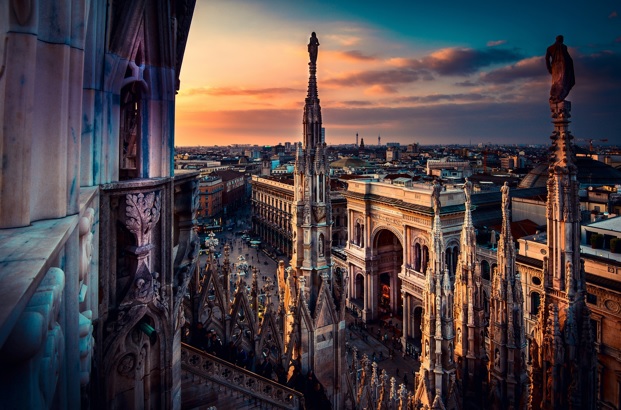
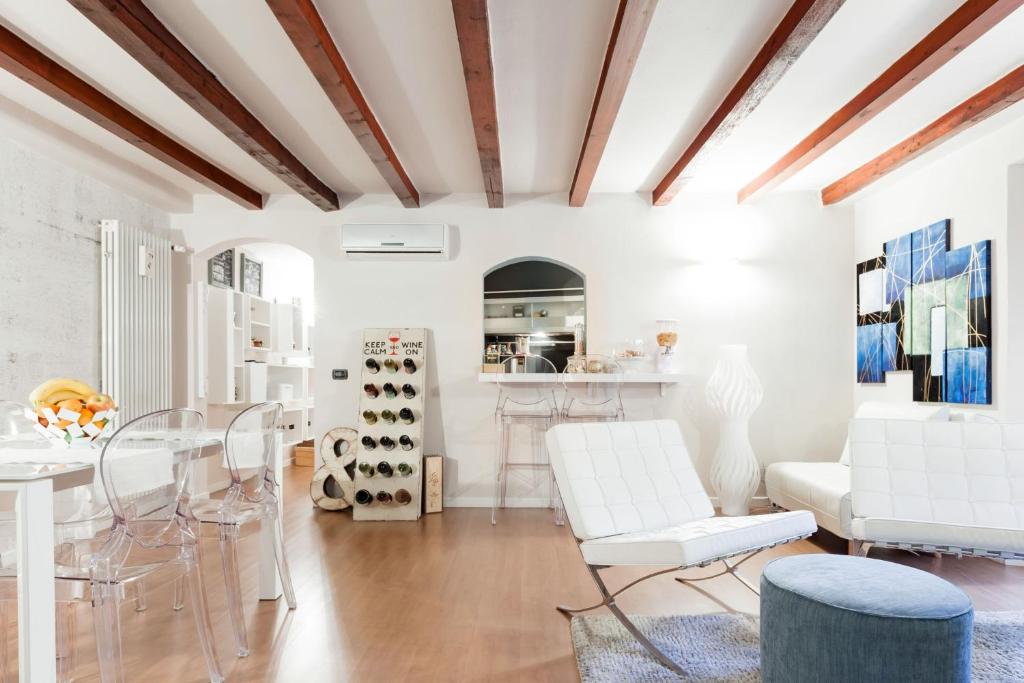
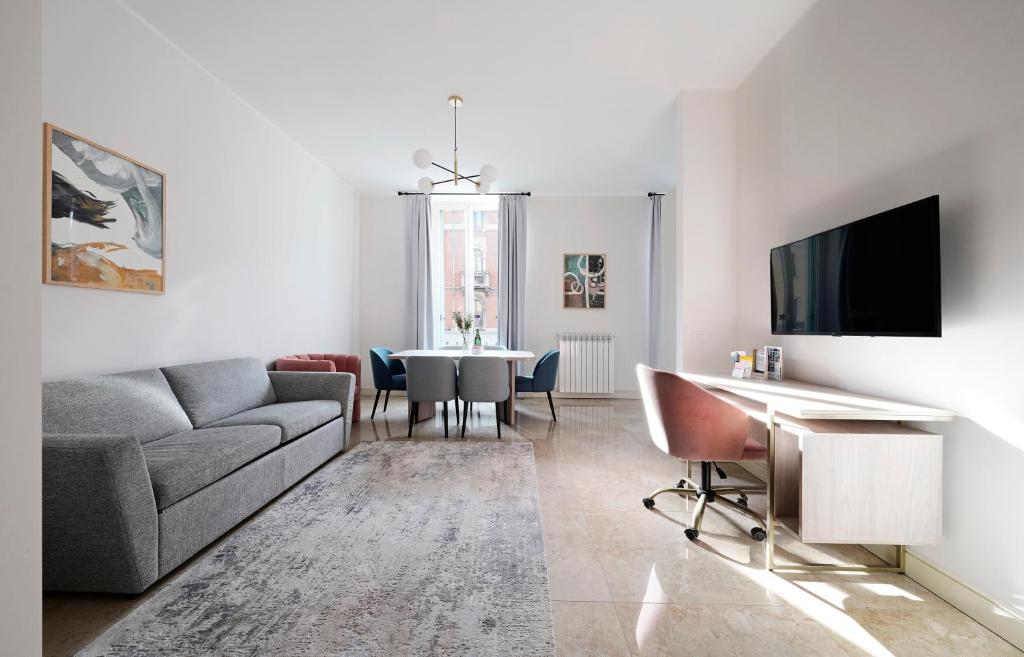
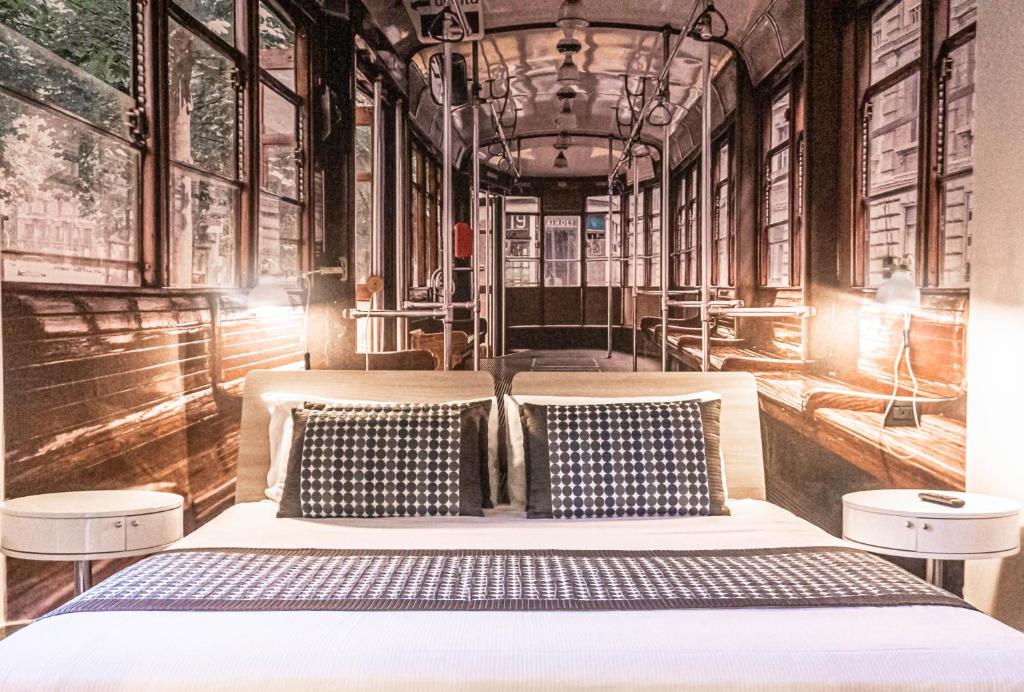
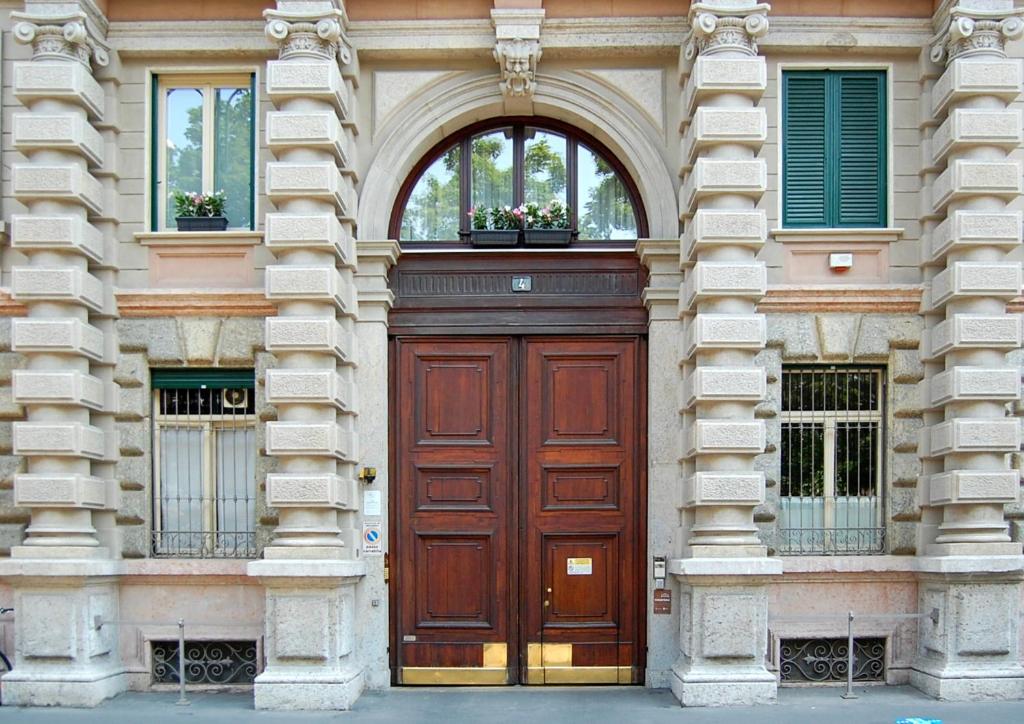
Milan accommodations invite you to a destination nicknamed “The Fashion Capital of the World”. Known for its cathedral, castles, churches, museums, theaters, art galleries, shopping malls, parchi (parks), giardini (gardens), piazze (plazas / squares), statues, nightlife, car racing and football, Milan is located in northern Italy, just 30 miles from the Swiss border. From Milan, Venice is about a 3-hour drive eastward. Lombardy’s regional capital, Milan is Italy’s largest city by area.
Milan top attractions:Duomo di Milano (massive Catholic cathedral – took over 600 years to build), Galleria Vittorio Emanuele II (shopping mall), San Siro Stadium (stadium), Sforzesco Castle (Medieval-Renaissance fortress – historical museums, da Vinci / Michelangelo art), Parco Sempione (landscaped park / gardens – tower, aquarium, theater, municipal library), Fiera Milano (exhibition & trade center), Piazza Gae Aulenti (modern square – contemporary skyscrapers / shops, fountains, colorful night lights), Arco della Pace (triumphal arch built by Luigi Cagnola as requested by Napoleon – bas-reliefs / statues), Teatro alla Scala (18th-century theater / opera house – Italian opera / ballets, museum, music library), Pinacoteca di Brera (Napoleon-used palazzo / art gallery – Northern Italy medieval / Renaissance art), CityLife Shopping District (shopping mall), Leonardo da Vinci Museum of Science and Technology (former monastery / science museum – da Vinci submarine / plane scale models), Indro Montanelli Gardens (18th-century public gardens), Colonne di San Lorenzo (archeological site – 16 Roman marble columns, amphitheater / baths remains), Palazzo Reale di Milano (18th-century palace / art museum), Basilica di Santa Maria delle Grazie (Terracotta Renaissance church / home of Da Vinci’s The Last Supper – Gothic interior), Arcimboldi Theater Milan (performing arts theater – opera, ballet, Shakespeare), Basilica of Sant’Ambrogio (Romanesque church – courtyard, Saint Ambrose’s crypt), Panzerotti Luini (bakery), Alcatraz (nightclub / event venue), Milan Natural History Museum, Pirelli Hangar Bicocca (contemporary art museum), Triennale di Milano (museum), Spirit de Milan (dance hall), Villa Necchi Campiglio (architect-designed villa / museum – decorative arts, paintings, period furniture), Gallerie d’Italia (art museum – 19th & 20th-century Italian works), Zero-Gravity Milano (amusement center – trampolines, volleyball, kids’ birthday parties), BAM – Biblioteca degli Alberi Milano (garden park / botanical garden – restaurants, events, contemporary landscaping), Parco Nord Milano (former industrial site / urban park – dense forest, flower meadows, waterways), Piazza Mercanti (medieval public square – outdoor exhibitions, concerts, markets), Teatro Dal Verme (1860s concert hall / performing arts theater – symphony / chamber music, modern interior), Teatro Franco Parenti (performing arts theater), Parco delle Cave (former quarry / city park – lakes, running / biking trails, bocce ball courts, swans), Poldi Pezzoli Museum (Flemish art museum), Trap (escape room center), Fabrique (nightclub / event venue), Allianz Cloud (arena), Teatro alla Scala Museum (heritage museum – La Scala opera house costumes, portraits, musical instruments), Monumental Cemetery of Milan (cemetery), Theater Cinema Martinitt (performing arts theater), Basilica San Lorenzo Maggiore (early-Christian church – octagonal chapel, 5th-century mosaics), Casa museo Boschi di Stefano (art deco apartment / art museum), Bobino Milano (nightclub), Bagatti Valsecchi Museum (16th-century townhouse – Renaissance decorative arts / paintings), Parrocchia di Santa Maria Assunta alla Certosa di Garegnano (Catholic church / 14th-century Carthusian place of worship, carved altars colorful frescoes), Museo del Risorgimento (palace museum – 19th-century artifacts / art)
Bordering / surrounding Milan points of interest: Parco di Monza (large park – horse / auto racetracks, golf, tennis, outdoor Olympic swimming pool), Leolandia (theme park), Scalo Milano Outlet (shopping mall), Faunistic Park Le Cornelle (zoo), Autodromo Nazionale Monza (car racing venue), Alfa Romeo Museum (Alfa Romero car museum – 4D films, vintage / prototype vehicles), Parco Regionale di Montevecchia e della Valle del Curone (wilderness area – hiking areas, village restaurants), Parco Castello (scenic park – small lake, walking tracks, skate ramp), Piazza Ducale (Renaissance-era square – arcades, cathedral façade, bars, restaurants, shops), Castello di Malpaga (14th-century castle – frescoed halls, carved wooden ceilings, colonnaded courtyard), Santa Maria del Fonte Sanctuary (shrine), Ponte San Michele (bridge), S. Maria della Croce (sanctuary), Crespi Bonsai (botanical garden), Camuzzago Golf Club, Golf Club Villa Paradiso (golf club)
Milan is encircled by ring roads. When visiting the Duomo, keep in mind that a strict dress code is in place (chest / shoulders must be covered – shorts / dresses must extend below the knees). Be sure to visit the Duomo rooftop also while you are there. It might be a good idea to pack binoculars and opera glasses, which are useful at the Duomo and the opera house. Milan is home to two canals. Mosquitos are known to appear near the canals, so it might be wise also to pack bug spray. A popular ski / hiking resort is Monterosa Ski – Staffal found near Natural Park of Antrona Valley, about 2 hours northward of Milan. Of course, Milan is known for football. The city’s two world-class teams, Inter Milan and AC Milan, each play at the aforementioned San Siro Stadium, Italy’s largest stadium (80,018 capacity), on the northwest side. Milan’s currency is the Euro, cars travel on the right-hand side and the drinking age is 18 years old. Milan accommodations are some of Italy’s best. Before we get to Milan accommodations, let’s take a look at some more background information on the area to help you along the way.
Present-day Milan was founded as Medhelanon by the Celtic tribe Insubres sometime around 590 BC. Roman historian Titus Livius reported that the Gallic king Ambicatus sent his nephews Bellovesus and Segovesus, along with a party drawn from various Gaulish tribes, to settle new lands due to overpopulation in the homeland. Bellovesus and Segovesus founded a settlement in northern Italy during the reign of Rome’s fifth king, Tarquinius Priscus (616-579 BC), or “Tarquin the Elder”. Developed in a wooded sanctuary in the shape of an ellipse with a central clearing, Medhelanon aligned with precise astronomical points. The sanctuary, located near present-day Piazza della Scala, became a gathering place for religious celebrations. Modern thoroughfares and squares, such as Corso Vittorio Emanuele, Via Broletto, Piazza del Duomo and Piazza Cordusio, were implemented along these once-Medhelanon paths. Medhelanon became a true village about two centuries after the Celtic sanctuary’s creation, when residential settlements and a military center were built. Just south of the sanctuary, the first homes were built near the modern Royal Palace of Milan. A temple to the goddess Belisama near the modern Milan Cathedral, followed by a fortified building with a defensive moat near present-day Piazza San Sepolcro, were constructed around this time. In 222 BC the Romans, led by Roman general Gnaeus Cornelius Scipio Calvus, captured the settlement from the Insubres. The Romans, having conquered the entire region that spanned northern Italy, named the new province Cisalpine Gaul, or “Gaul this side of the Alps”. Medhelanon thus was Latinized to Mediolanum, or “middle plain”. (Interestingly, removing the letters “ed o um” from Mediolanum spells Milan. Edoum, or Edom, was an ancient kingdom that included Jerusalem, and too would receive Roman conquests). Mediolanum was elevated to municipium (town / city) status circa 49 BC. In 286 AD, Emperor Diocletian “Jovius” moved the Western Roman Empire’s capital from Rome to Mediolanum. Emperor Constantine I “The Great”, in 313, and Balkans Emperor Licinius met in Mediolanum to implement the Edict of Milan, which was an agreement to treat Christians within the Roman Empire benevolently. Mediolanum was home to Roman Italy’s third-largest amphitheater during the Augustan age. Emperor Maximian built a large circus, baths and a complex of imperial palaces in the city. Remains of Roman walls can still be observed at Milan’s present-day Archaeological Museum. Mediolanum was besieged by the Germanic Visigoths in 402 and by the Hun Attila in 452. In 539, the Gothic War between the Byzantine Empire and the Ostrogoths resulted in a Byzantine victory, and Sicily, the Italian peninsula and Dalmatia (modern-day Croatia and Montenegro) being ceded to the Byzantines. The Germanic Lombards, having conquered most of the Italian peninsula, took Ticinum (present-day Pavia – 22 miles south of Milan) as their capital circa 572. The Lombards had overpowered a small Byzantine garrison that had been left in Milan. Thereafter, Lombardian archbishops were tasked with governing early-medieval Milan. In 774, however, Milan surrendered to the Frank king Charlemagne. City-states emerged in northern Italy during the 11th century. Originally designed to oppose the Holy Roman Emperors, the city states would later turn against one another. Frederick I Barbarossa, embarrassed by the Milanese, who had captured Barbarossa’s wife Empress Beatrice and forced her to ride a donkey backward through the city, destroyed much of Milan in 1162. A part of the 1183 Peace of Constance granted the Milanese full possession of former and certain then-present lands. Gian Galeazzo Visconti became Milan’s first Duke in 1395. In 1447, Duke Filippo Maria Visconti died without an heir, and the Golden Ambrosian Republic was established, albeit for only a short time. Francesco I of the House of Sforza conquered the Ambrosian Republic city of Milan in 1450, and thereafter the city became one of Renaissance Italy’s most important. Mulberry cultivation and silk processing were introduced during this time of prosperity. Storza Castle, previously known as Porta Giovia Castle, was re-adapted and enlarged by the Sforza family, who also completed the Ospedale Maggiore hospital, and attracted Leonardo da Vinci and architect / painter Donato Bramante. Da Vinci improved Milan’s navigli canal system and painted The Last Supper, while Bramante worked on the Santa Maria presso San Satiro church, the Basilica of Sant’Ambrogio and Santa Maria delle Grazie, which now houses The Last Supper mural. Bramante introduced Renaissance architecture to Milan, which was deep-rooted in Gothic architecture. The Italian Wars (1494-1559), fought largely between Valois France and the Holy Roman Empire / Spain, resulted in the Peace of Cateau-Cambrésis, a part of which granted Habsburg Spain sovereignty over the Duchy of Milan. From 1629 to 1631, the Great Plague of Milan took an estimated 60,000 lives, which represented nearly half of the city’s population. With Charles II’s death in 1700, the Spanish-Habsburg line was extinguished. Subsequently, the War of the Spanish Succession between Pro-Bourbon Spain and Pro-Habsburg Spain resulted in the Treaties of Utrecht, Rastatt, and Baden, with Bourbon Spain ceding the Duchy of Milan to the Austrian Habsburgs. In 1796, Napoleon invaded Italy, and Milan was declared capital of the Cisalpine Republic. Napoleon later declared Milan capital of the Kingdom of Italy and was crowned King of Italy in the city’s cathedral. The Congress of Vienna returned Lombardy and Milan to Austrian control in 1815 following Napoleon’s departure from northern Italy. The “Five Days”, a precursor to the First Italian War of Independence, began in Milan on March 18, 1848, when the entire city, along with the archbishop and 100 priests, successfully revolted against Austrian general Joseph Radetzky, forcing him to withdraw temporarily from the city. The Piedmontese army, which had been sent to support the revolt, however, was subsequently defeated by the Austrians at the Battle of Custoza. Austria regained control of northern Italy for about the next ten years. Following the 1859 Battle of Solferino, which saw France and Italy defeat Austria, Milan and the rest of Lombardy were incorporated into Piedmont-Sardini. Italian statelets were annexed and the Kingdom of Italy formed on March 17, 1861. In the new Kingdom, Milan became a central northern-Italy rail hub. Milan and Venice became major stops for the Orient Express long-distance, luxury passenger train beginning in 1919. Steel, textiles and banking allowed Milan to grow into a financial center around this time. Benito Mussolini began his political and journalistic careers in Milan. Mussolini’s Blackshirts rallied for the first time at Piazza San Sepolcro. Mussolini launched his March on Rome on October 28, 1922. Allied bombings hit Milan’s large industrial and transport facilities heavily during World War II. On April 28, 1945, Mussolini was executed and later hanged and exposed in Milan’s Piazzale Loreto. Following the Second World War, Milan experienced a boom followed by the late-1960s / early-70s “Years of Lead”, a period of street violence, labor strikes and social upheaval. During the 1980s, fashion, tourism and the stock exchange were all positives, though again followed by a downturn by way of political / business corruption, or Tangentopoli, in the 1990s. Milan hosted the World Expo in 2015, and will play host to the 2026 Winter Olympics.
Today, Milan is home to around 1.4 million “Milanese”, while the greater metropolitan area totals over 6 million. Italy’s second-most populous city behind Rome, Milan is comprised of nearly 20% foreign residents. Most Milanese identify as Catholic, with about 5 million Catholics in the Archdiocese of Milan (Milan, Monza, Lecco, Varese) using the Latin liturgical Ambrosian Rite, which varies slightly from the Roman Rite. Historical buildings are not all that Milan has to offer. A financial center, the city is home to the Borsa Italiana stock exchange. As Italian cities go, Milan leads in high-rise architecture. 16 buildings reach at least 328 feet in height, with 5 rising above 492 feet. Italy’s tallest building, the UniCredit Tower, stands at 714 feet (spire included). Not far below, the Allianz Tower’s 50 floors reach 686 feet, which is the city’s tallest by roof height. Milan’s economy is third-largest in Europe behind Paris and Madrid. The Fashion Capital of the world has been home to a number of top fashion designers to include Miuccia Prada, Gianni Versace, Giorgio Armani, Domenico Dolce, Stefano Gabbana and Gianfranco Ferré. Of Milan’s approximate 8.5 million annual visitors, around 30,000 attend Milan Fashion Week. Americans are more prone to visit on business, while Asians tend to visit more for leisure. Home to a humid subtropical climate, Milan experiences hot, humid summers and cold, foggy winters. July highs average around 87 °F, while Januarys average around 45 °F. On average, snowfall occurs about 7 days per year. Additional points of interest are Porta Nuova (shopping / park district) and Milano Centrale (railway station). Local foods include veal, pork ribs, risotto alla Milanese, polenta, panzerottia (turnover) and gorgonzola. Apertivo is a common pre-dinner drink. Also popular are white wine, signature cocktails and craft beer. With some background information on the area, we’re ready for Milan accommodations that will help make for an outstanding trip.
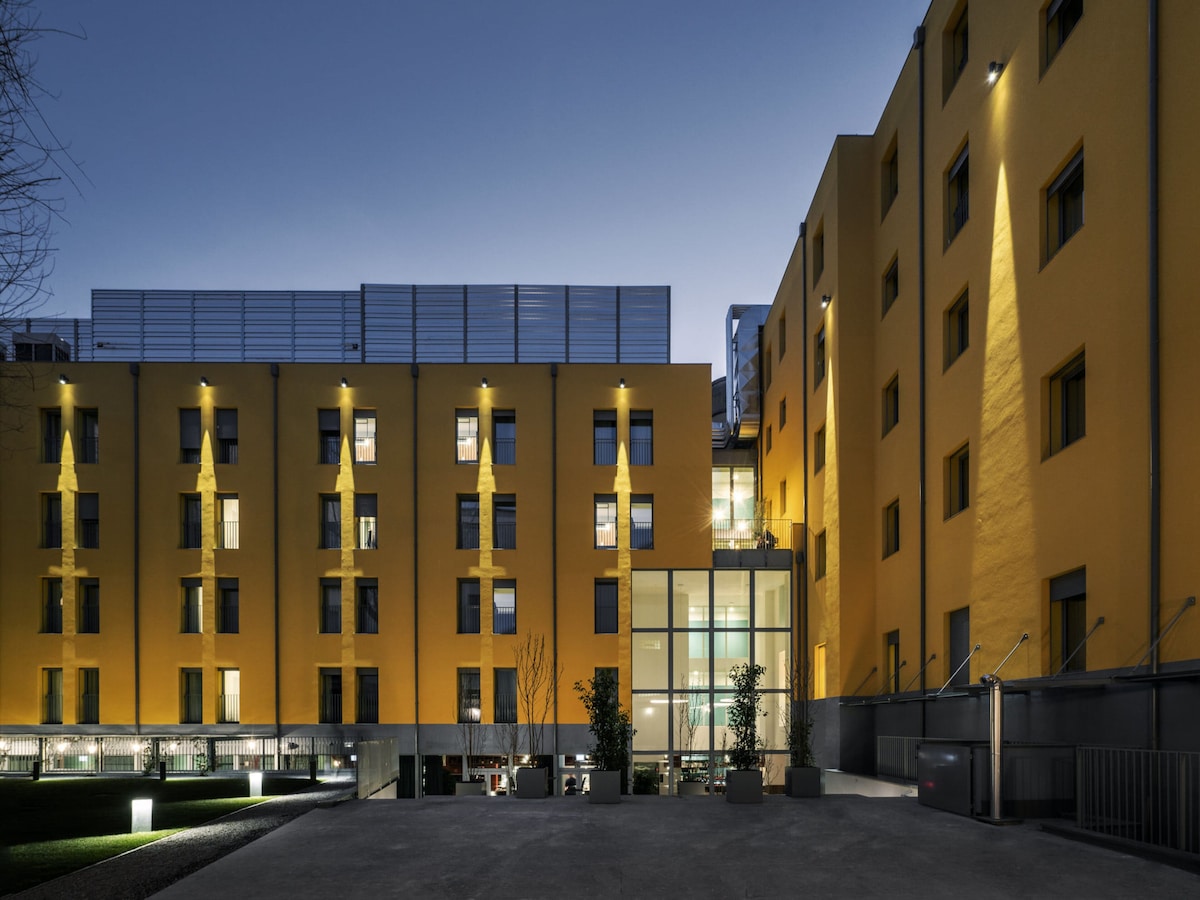
Inn amenities: restaurant, bar, continental breakfast, fitness center, air conditioning, free Wi-Fi, flat-screen TVs
Nearby restaurants / bars:La Piola (Lombardian restaurant), Willy’s Burger (hamburger restaurant), SuperFiciale (restaurant), Pizza Pala, Tap Milano (beer hall), Divino Milano – Vineria (wine bar)
Nearby misc.: Salumeria Marcovecchio Tonino (cold cut store), Mirò Milano Piola (hairdresser), Melissa V. (dress store), Terra Mare Cielo Modellismo (model shop), Infinity Comics (comic book store), LEGAL LIGHT WEED (cannabis store), RIBOT (art gallery), Church of St. John ‘in Laterano’ (Catholic church)
Hotel amenities: 2 restaurants, bar with a private garden, fitness / wellness centers, air conditioning, free Wi-Fi, flat-screen TVs, hairdryers, 5 meeting rooms
Nearby misc.: Sweet Sweet Way Milano (confectionery), MUJI Milan Store (department store), 7 City Club (fitness center), Chiesa di Santa Maria presso San Satiro (Catholic church)
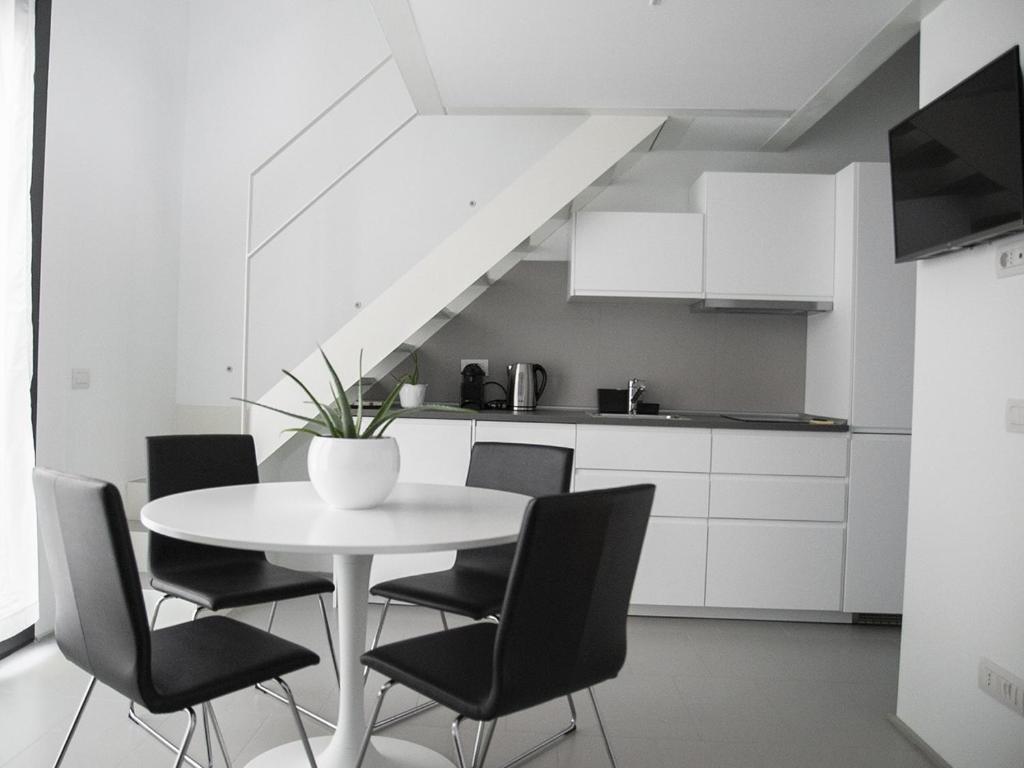
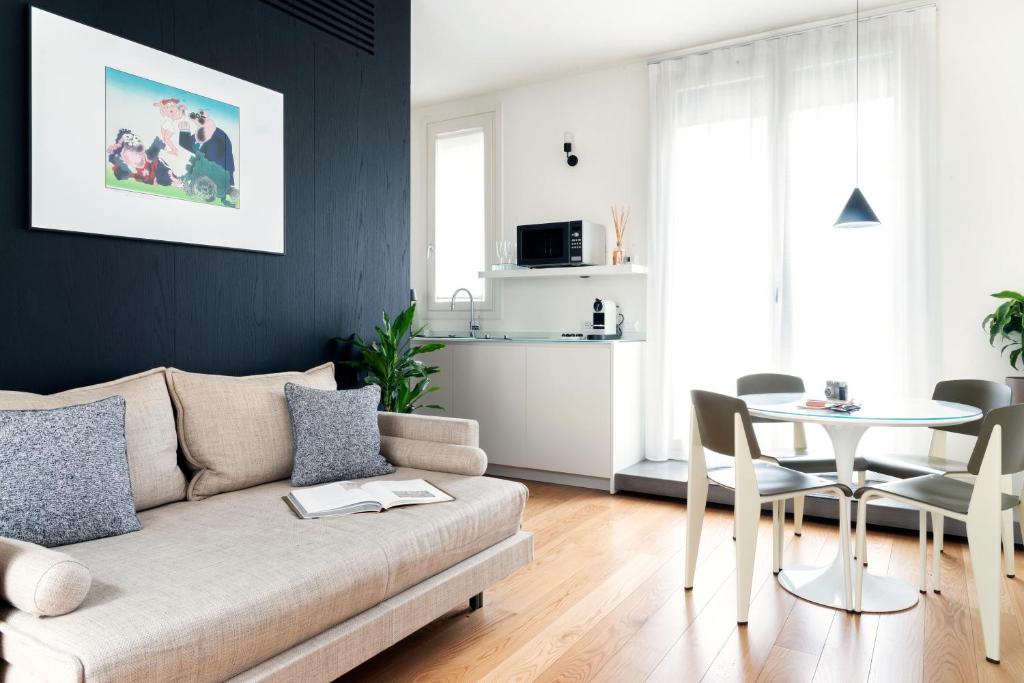
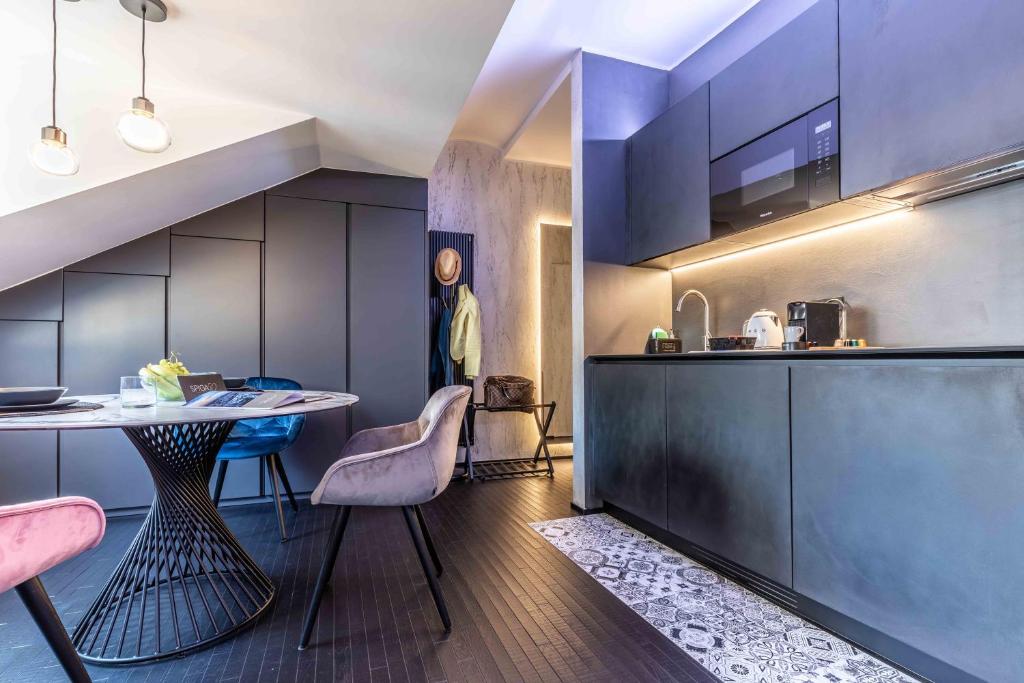
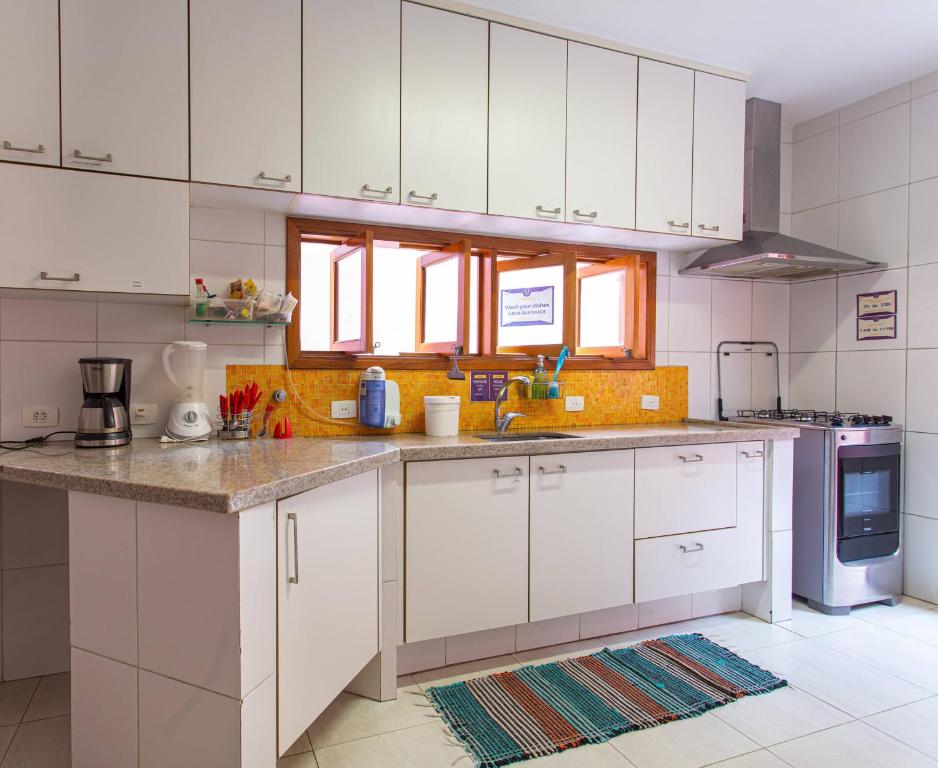
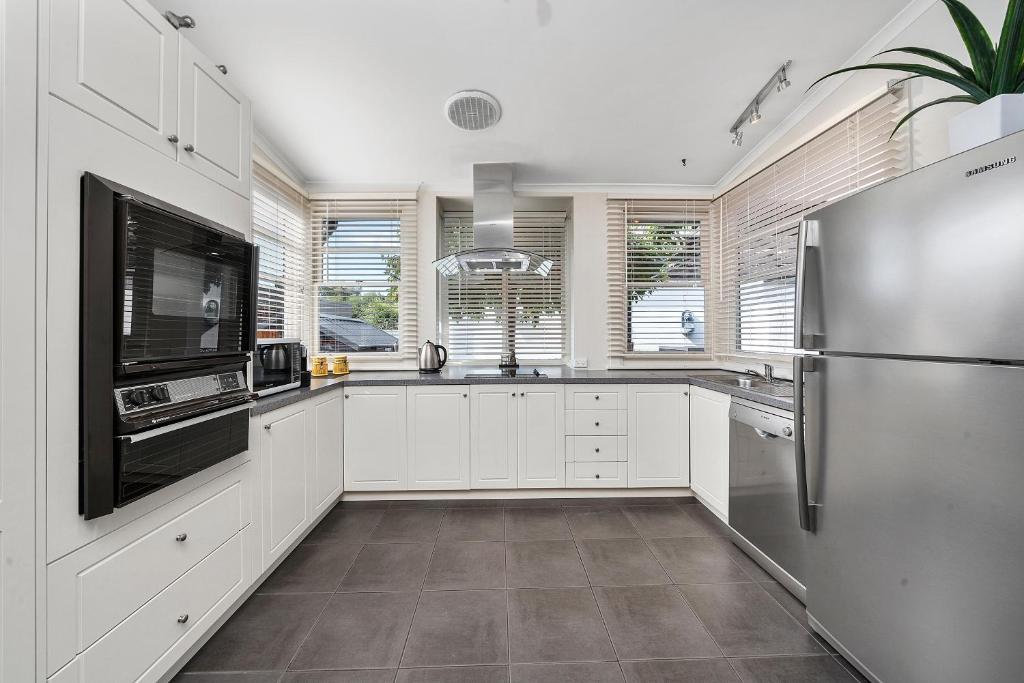
Apartment amenities: air conditioning, free Wi-Fi, flat-screen TVs, fully-equipped kitchens, coffee machines, electric tea pots, hairdryers
Nearby restaurants / bars:Albufera (Spanish restaurant), La Cresciamia Street food (restaurant), Tandoori Kebab Halal Food Ristorante (Indian restaurant), Bar Settembrini (bar), Bar Piazza Snc Di Piazza Alberto & C. (wine bar)
Hotel amenities: air conditioning, free Wi-Fi, flat-screen TVs, fully-equipped kitchenettes, coffee machines, electric tea pots, hairdryers
Nearby:Cesarino (fast food restaurant), De Bernardi (clothing store), Falconeri (clothing store), LUSH Duomo (cosmetics store), Church of Santa Maria Annunciata in Camposanto (Catholic church)
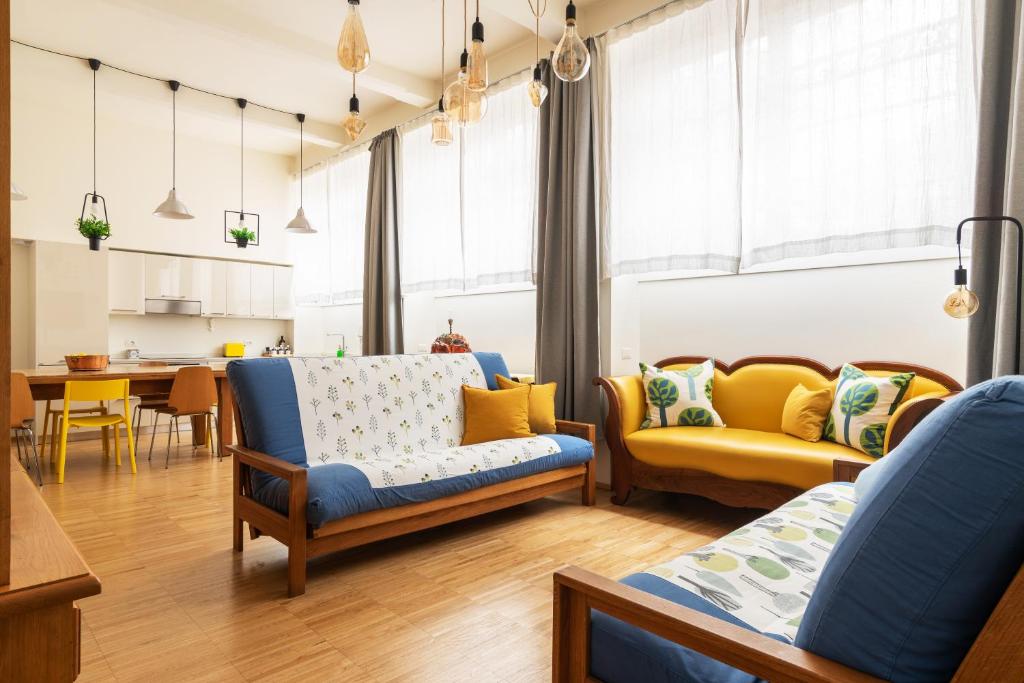
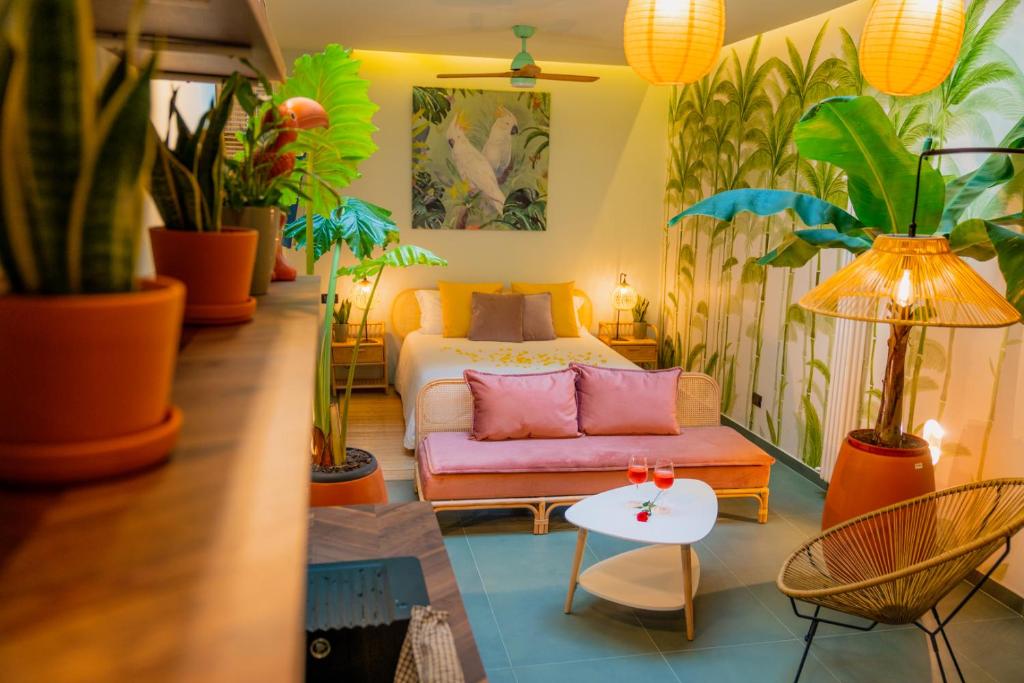
Flat amenities: sauna, air conditioning, free Wi-Fi, flat-screen TVs, fully-equipped kitchens, coffee machines, electric tea pots
Nearby restaurants / bars:Trattoria del Pescatore (seafood restaurant), La Cantinetta (restaurant), Dino in Ripamonti (restaurant), Macchi Milano (cocktail bar)
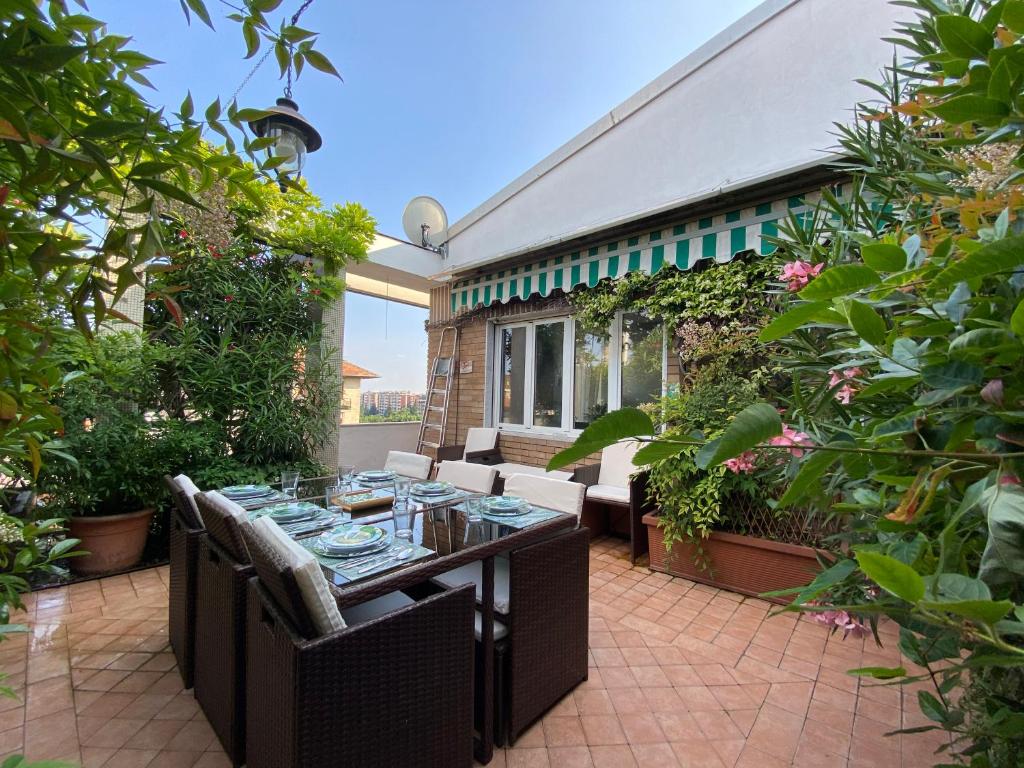
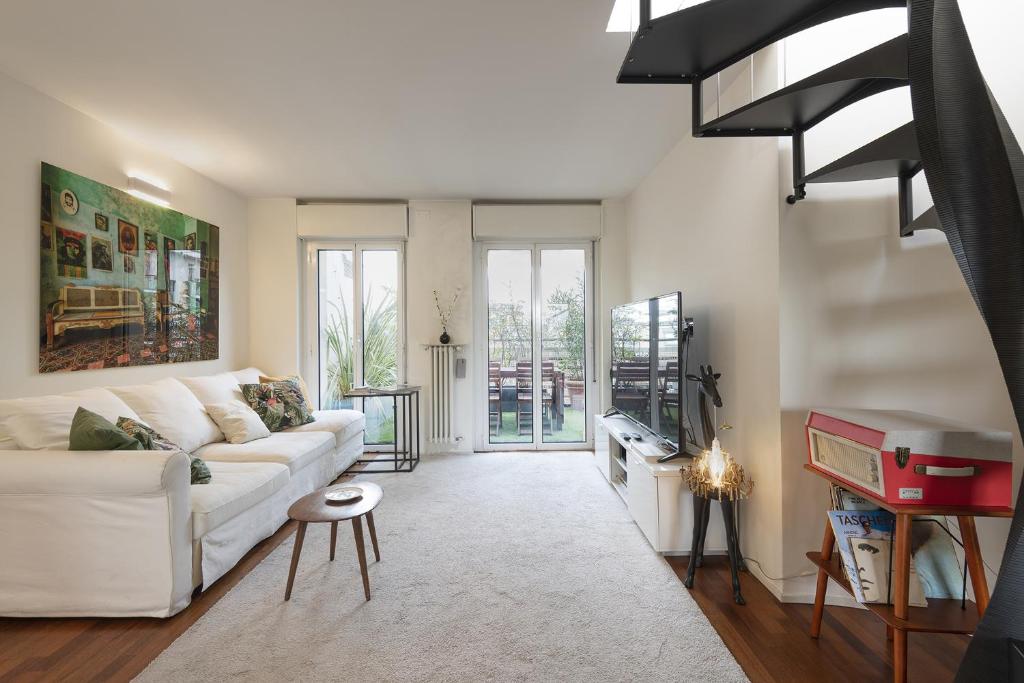
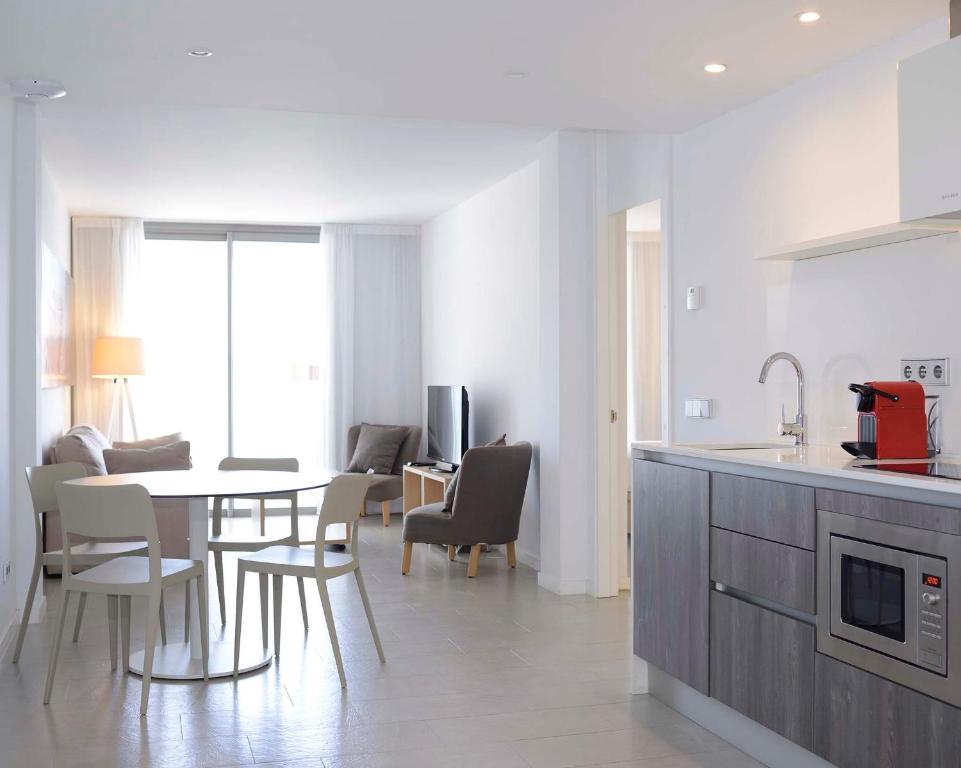
Apartment amenities: 2 bedrooms, city views, terrace, balcony, hot tub, air conditioning, free Wi-Fi, flat-screen TV, fully-equipped kitchen
Nearby restaurants / bars:Sapori Solari – La Salumeria (bistro), da Rino Pizza e Pollo (chicken restaurant), Gastronomia Comotti 1969 (Italian restaurant), Megik Land (Italian restaurant), Pizzera La Ruota (pizza restaurant), Pizzootto Gusto All’Infinito (pizza restaurant), Lojer Sushi (sushi restaurant), Juga Korean fast food (Korean restaurant), Bad Lady (bar), Le Duesse (bar), Red Red Wine La Vineria (wine bar)
Hotel amenities: restaurant, bar, buffet, Italian or American breakfast, fitness center, free Wi-Fi, flat-screen TVs, 24-hour front desk, concierge service, luggage storage
Nearby:Sadler Restaurant (fine dining restaurant), Off The Poke (poke bar), ArcadiaCafè (café), Creed (perfume store), Farsettiarte (art gallery), Bottegantica (art gallery), Giardini Perego (garden), Arches of Ancient Porta Nuova (monument)
Nearby restaurants / bars:Pizzeria Magica (pizza restaurant), La Pezzara di Andrea Romolo dal 1994 (pizza restaurant), Club Davide (bistro), Vino45 (wine bar)
Nearby misc.:Mac Alimentari (butcher shop), HAPPY STORE (bazar), Regola Zucche S.n.c. Di Monica Gazzari E Patrizia Leonetti (hair salon), Il Bello Delle Donne 2 (beauty salon), Fantastudio Milano (art center), Chiesa Stadera (Evangelical church)
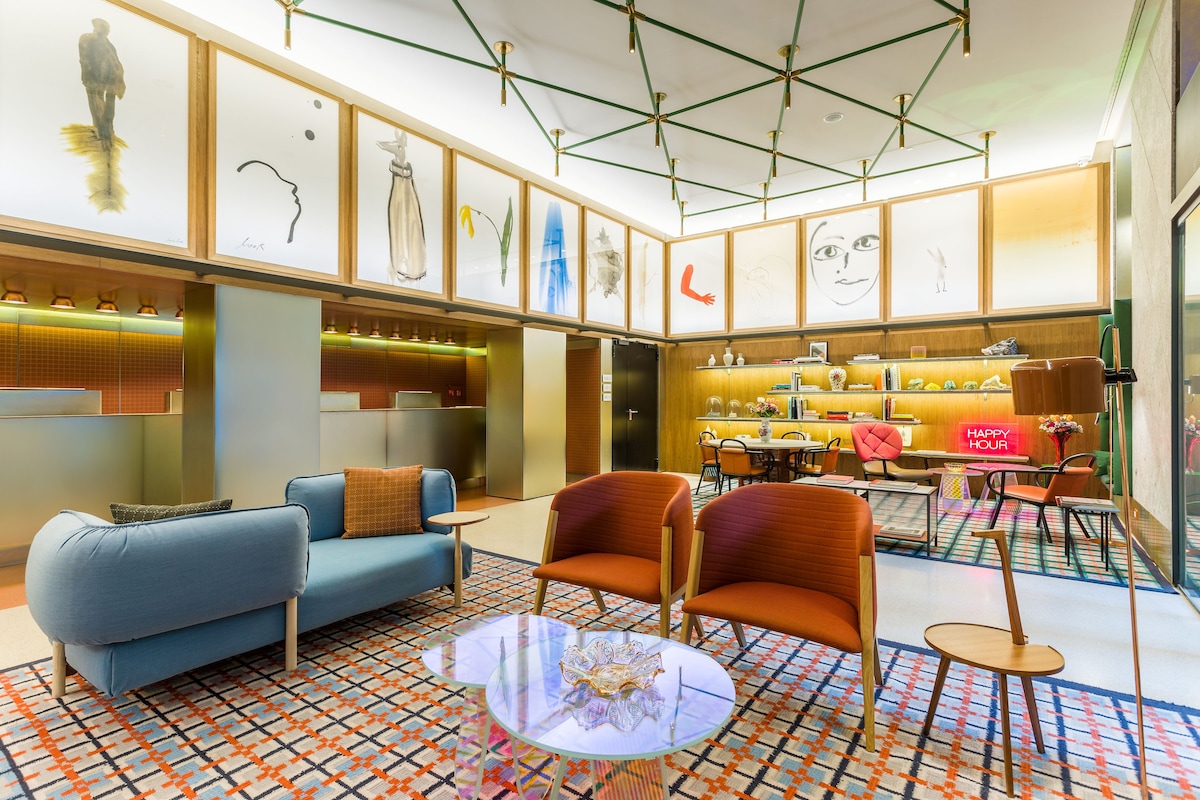
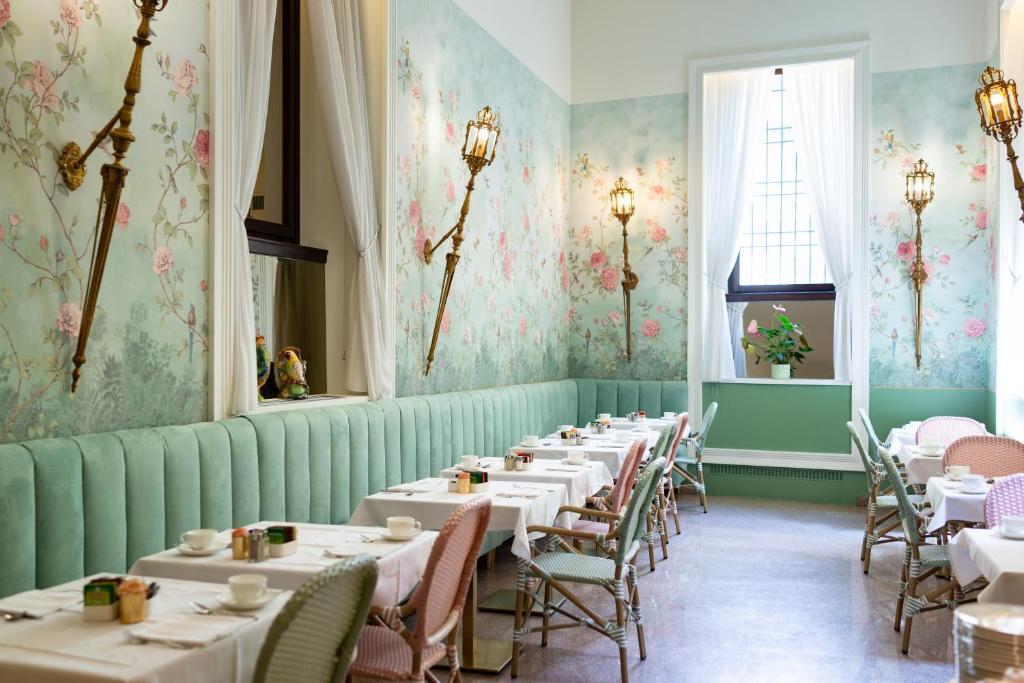
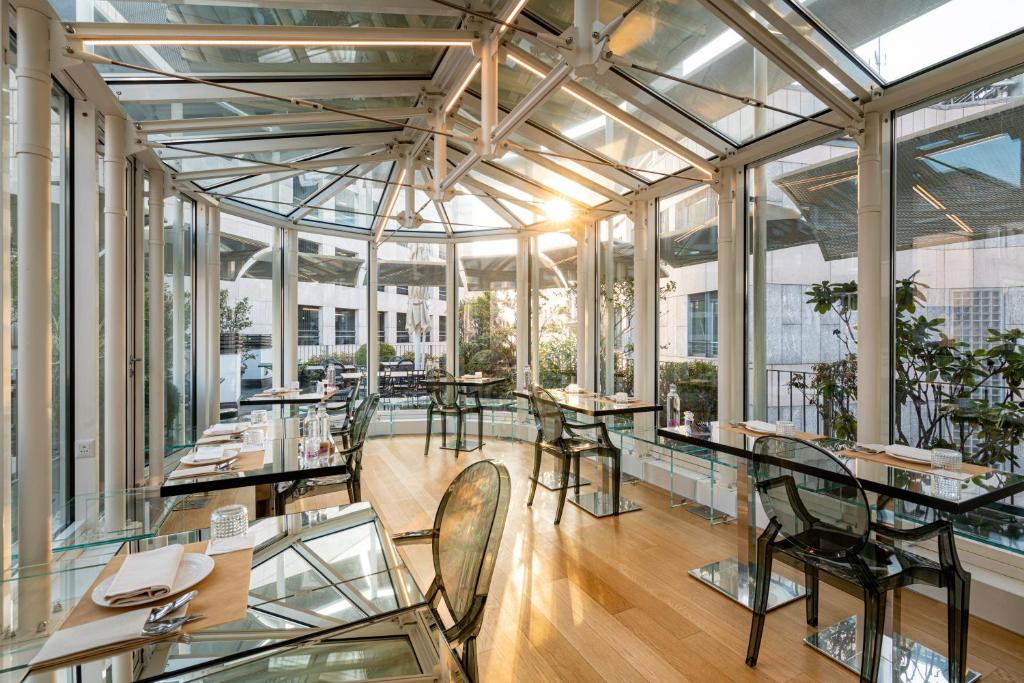
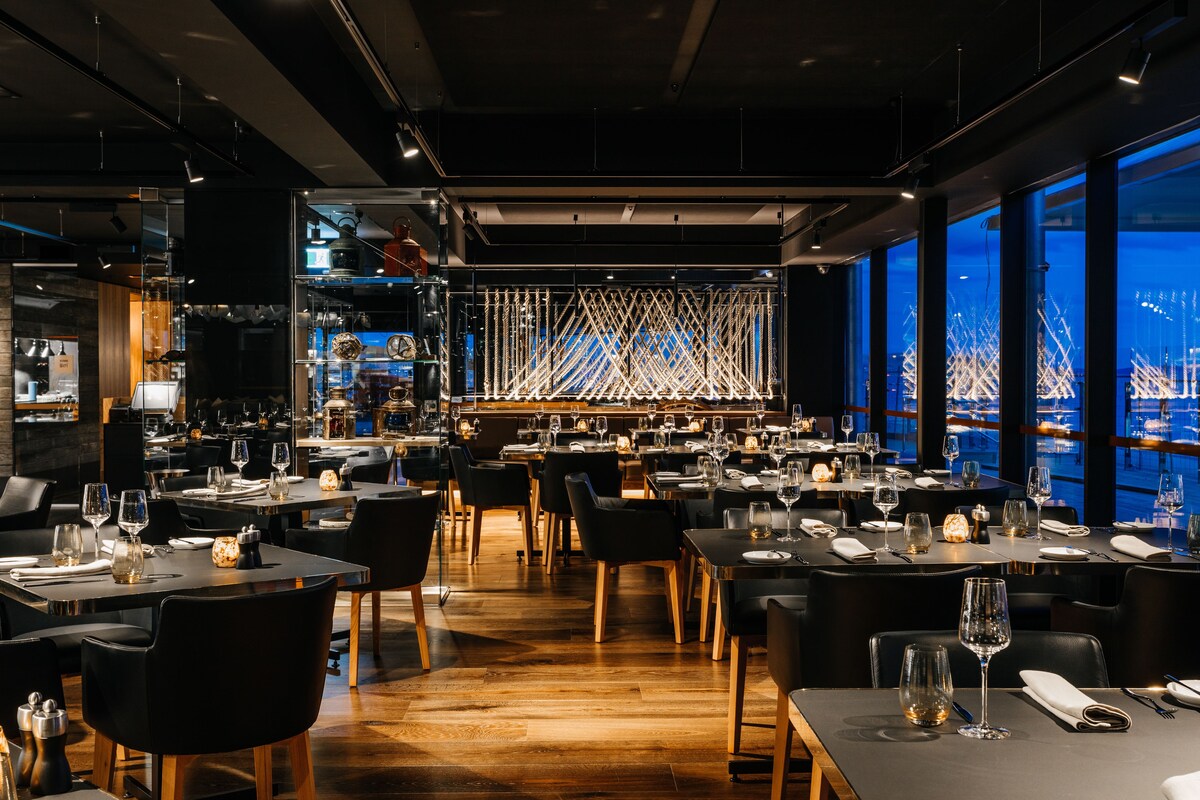
Hotel amenities: restaurant, lounge bar, wine bar, light breakfast, parquet floors, antique details, fairy tale & nursery rhyme themes, modern facilities, free Wi-Fi, LCD TVs
Nearby:Filippo La Mantia (Sicilian restaurant), Rubacuori Restaurant (Italian restaurant), Pasta Eat (restaurant), Ristorante Gong Oriental Attidude (Chinese restaurant), Gelateria Concordia Milano (ice cream shop)
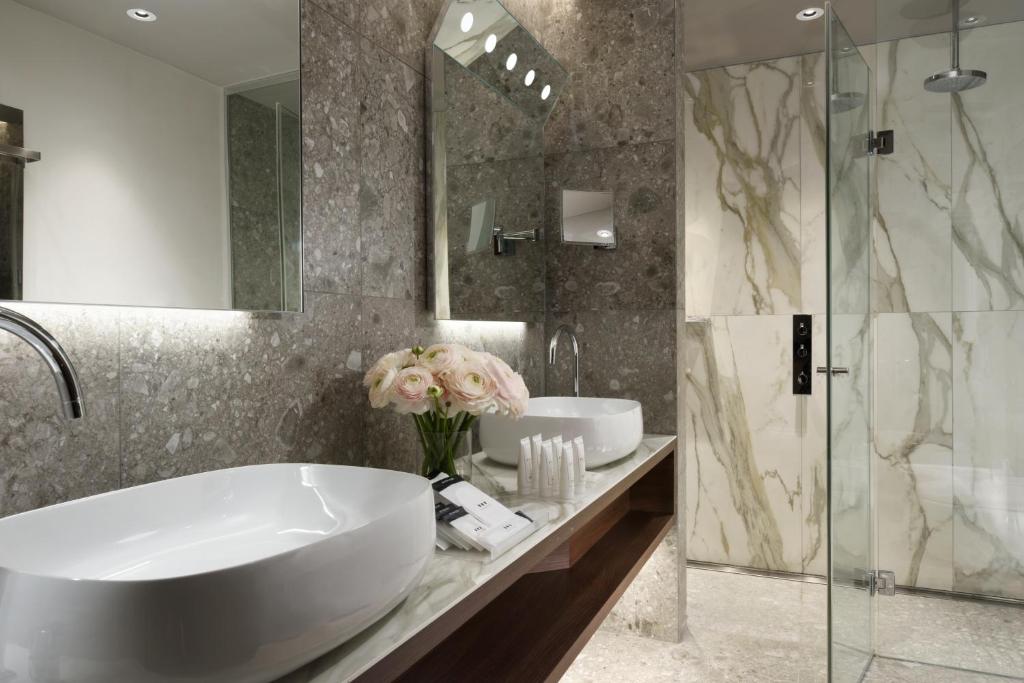
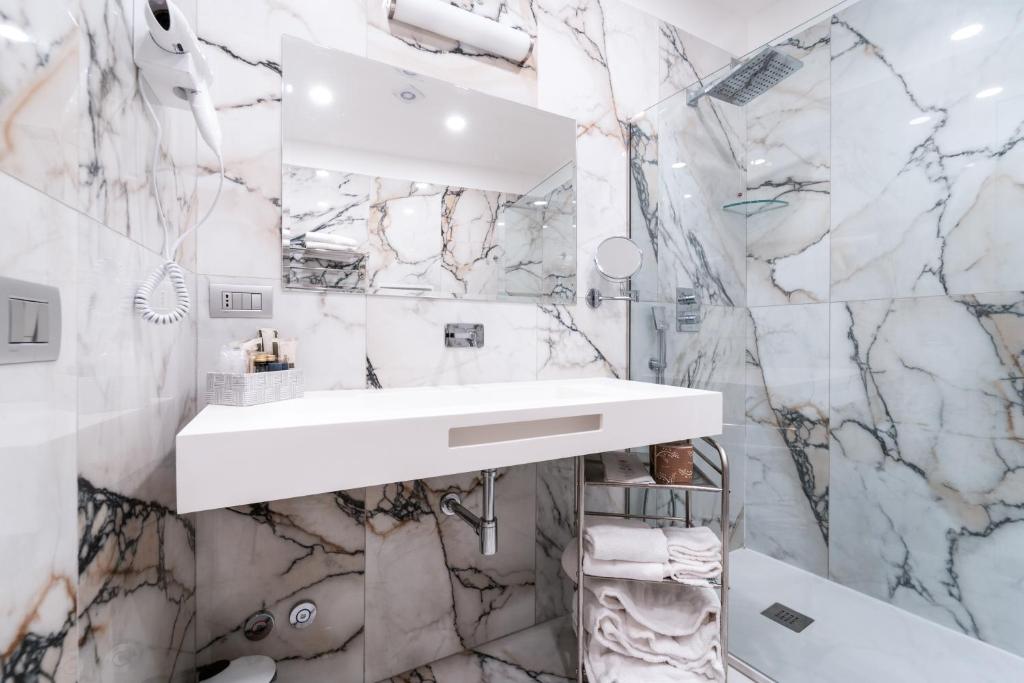
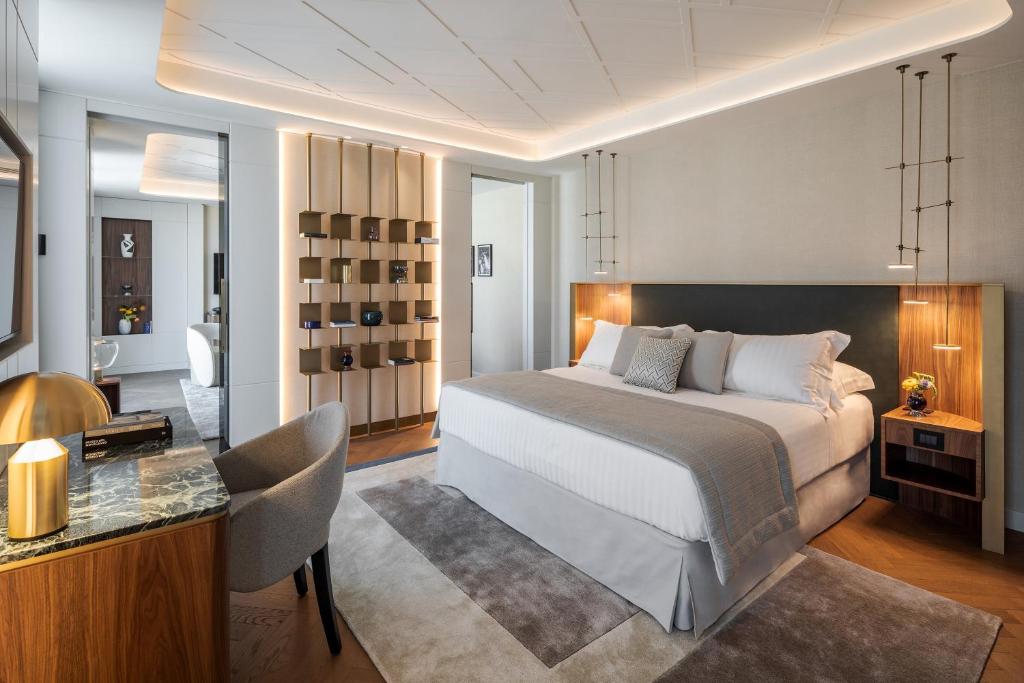
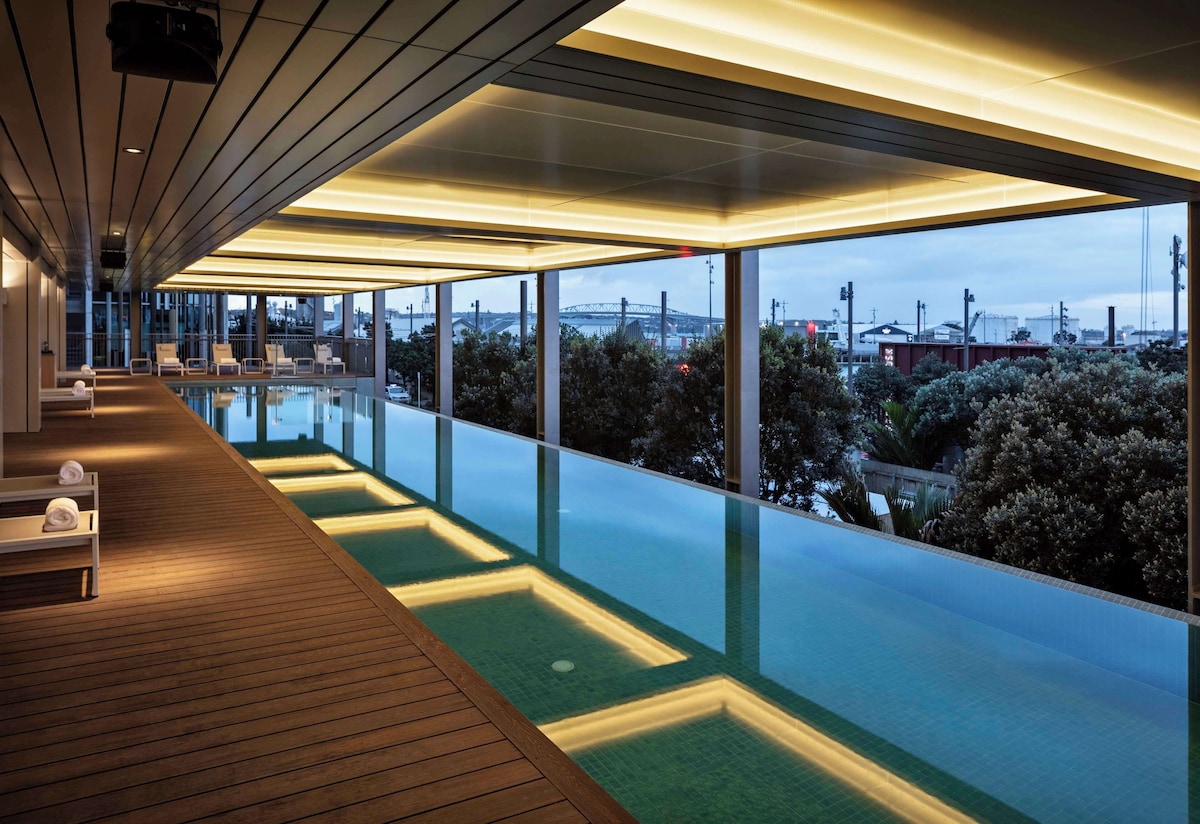
Hotel amenities: bar, rooftop pool, spa center, sauna, fitness center, modern décor, free Wi-Fi, smart TVs, marble bathrooms, high-end toiletries, bathrobes, slippers
Nearby misc.: Mercato della Terra (market), Tre tè (bubble tea store), Dsquared2 Headquarters (haute couture fashion house), Il Museo Storico dei Vigili del Fuoco di Milano (museum), Indiehub Srl (recording studio)
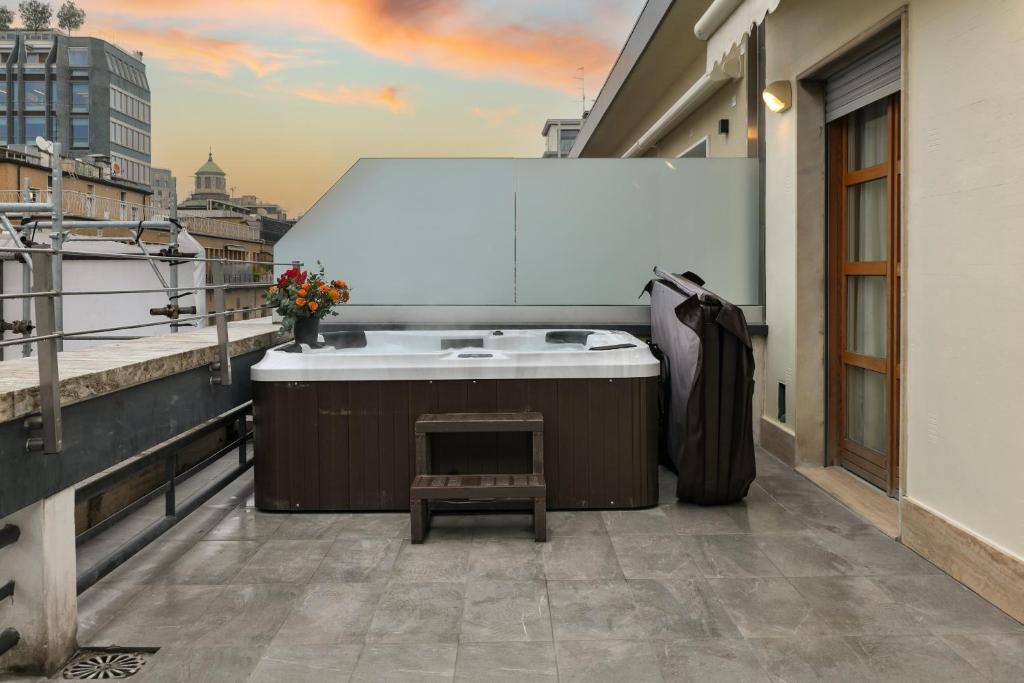
Penthouse amenities: 2 bedrooms, 3 bathrooms (1 with a Turkish bath), private terrace with a hot tub, air conditioning, free Wi-Fi, flat-screen TV, fully-equipped kitchen
Villa Aida is 28 miles from Milan Malpensa Airport.
Approximate cost per night (deluxe apartment): $288
Cost per person (five people): $58
So there they are, Milan accommodations that will help make for an outstanding trip. We hope you have found this information valuable and most of all, that you enjoy your time in Italy!
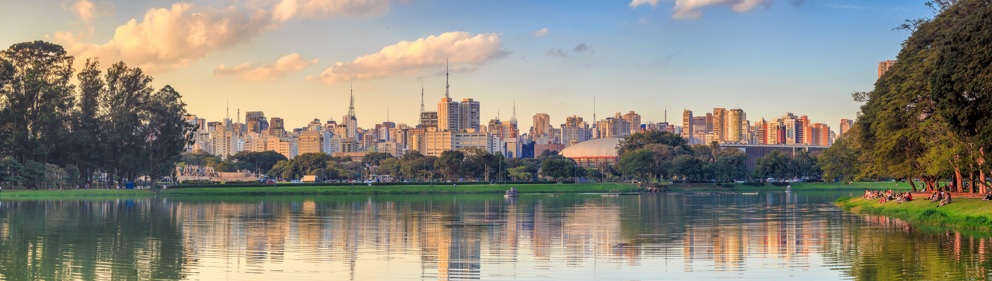
São Paulo accommodations welcome you to a destination locally known as “Sampa”. Brazil’s financial center, São Paulo is known for its shopping malls, museums, theaters, produce markets, historical & modernist architecture, cultural centers, expansive skyline, parques (urban parks), praça / largo (squares / plazas), jardim (gardens), graffiti (street art – sanctioned murals / illicit “Pichação”), steak restaurants and football. São Paulo ranks as the world’s sixth-most populous city. Close to the city of Santos on the Atlantic coast, São Paulo is about 265 miles southwesterly of Rio de Janeiro.
Naturally, football is popular in Sao Paulo, with Palmeiras, Corinthians, São Paulo FC and Santos representing the city’s / area’s main professional football clubs. When traveling to Sampa, language should be taken into consideration. As only about 5% of Brazilians, including those in Sao Paulo, speak English, it’s important to learn at least some Portuguese beforehand. Olá (hello), adeus (goodbye), obrigado (thank you), não obrigado (no thank you), você fala inglês? (do you speak English?) and linda (beautiful) are some good words to start with. Sao Paulo weather can be sporadic due to the urban heat island effect mixed with a subtropical climate. While tourist areas generally are safe, particular areas to avoid include Jardim Ângela (southwest), Jardim São Luís (southwest), Capão Redondo (southwest), Campo Limpo (southwest), Paraisópolis (southwest), Itaquera (east), Vila Clementino (southcentral) and Cracolândia (“Crackland” – downtown near Luz Station). Generally, visitors should avoid the city’s outskirts, and remain vigilant in city-center, while attempting to blend in amidst public places (i.e. not act foolishly or speak loudly in a foreign language). On the flipside, an area not to miss is the Jardins District, with its fine restaurants, bars, clubs, stucco villas and modern glass mansions. Great for younger travelers especially, São Paulo’s hostels are some of the best out there. São Paulo’s currency is the Brazilian real, cars travel on the right-hand side and the drinking age is 18 years old. Keep in mind, when driving, that motorcyclists are known to be aggressive. São Paulo accommodations are some of South America’s best. Before we get to São Paulo accommodations, let’s take a look at some more background information on the area to help you along the way.
First known as Piratininga, the São Paulo area was inhabited by the Tupi people, one of Brazil’s largest pre-colonization indigenous groups, near the Tietê River. When Europeans arrived, the region was divided into Caciquedoms, or chiefdoms. Chief Tibiriçá, a converted Christian baptized as Martim Afonso, supported Portugal and other European colonists. São Paulo’s first village (Portuguese) was known as São Paulo dos Campos de Piratininga. On January 25, 1554, the Jesuit church and school Colégio de São Paulo de Piratininga was founded. Twelve priests included Manuel da Nóbrega (Portuguese) and José de Anchieta (Spanish), who proved instrumental in building a hilltop mission between the Anhangabaú and Tamanduateí rivers. Rammed earth made of natural raw materials, the mission’s first small structure was built by Native Indian workers, whom the priests wanted to evangelize, in traditional style. São Paulo struggled early-on largely due to Indian raids along the Caminho do Piraquê (Piraquê Path – Piaçaguera – present-day Cubatão). Second Marquis de Cascais and donee Luís Álvares de Castro moved the Captaincy of São Vicente capital to São Paulo on March 22, 1681. On April 23, 1683, the new capital was officially established, followed promptly by pubic celebrations. São Paulo was one of the 17th-century Portuguese Empire’s poorest regions. Paulistas could not afford to buy African slaves, as was customary with other Portuguese colonists. However, following the 1690s discovery of gold at Minas Gerais, The Captaincy of São Paulo and Minas de Ouro was created. On November 3, 1709, the Portuguese crown purchased from former grantees the Captaincies of São Paulo and Santo Amaro. São Paulo countryside, located securely above the steep Serra do Mar mountain range and not far from the coastal town of Santos, became a center for the bandeirantes, who in 1640 expelled the Jesuits due to their opposition to the domestic Indian slave trade. The town of São Paulo was elevated to city status on July 11, 1711. More gold was found at present-day Cuiabá and Goiânia during the 1720s. Not long thereafter, the gold ran out, and São Paulo shifted to growing sugar cane, which was exported through the Port of Santos via the Calçada do Lorena highway. In 1822, Brazil became independent from Portugal. Emperor Pedro I “The Liberator” founded the Empire of Brazil and became its ruler from 1822 to 1831, naming São Paulo as an Imperial City. Thereafter, significant São Paulo growth is attributed to coffee production and exportation. The Estrada de Ferro Santos-Jundiaí (Santos-Jundiaí Railroad – “The Lady”) connected São Paulo to the Port of Santos beginning in 1869. Isabel, Princess Imperial of Brazil in 1888 sanctioned the “Golden Law”, which abolished slavery and naturally promoted immigration, particularly from Italian, Japanese and Portuguese peasants. On November 15, 1889, Brazil became a republic. São Paulo rose in political prominence alongside Minas Gerais, and the two became known as “coffee and milk”, as Minas Gerais was known for its dairy production. São Paulo’s present-day Luz Station was built at the end of the 19th century, followed by Paulista Avenue and its mansions in 1900. Brazil’s Old Republic lasted from 1889 to 1930, a time period marked by fog, modernist fashion / art and political upheavals (São Paulo Revolt). The state of São Paulo’s 1932 Constitutionalist Revolution between Constitutionalists (São Paulo) and the Federal government / Loyalists (Rio de Janeiro included) resulted in a Government / loyalist victory, and the Brazilian Constitution of 1934. Brazil’s largest university today, the University of São Paulo was founded in 1934. A crisis in coffee farming during the Second World War actually benefitted São Paulo’s deep-rooted coffee exportation industry. The Via Anchieta, São Paulo’s first paved highway, like The Lady railway almost a century prior, connected the city to the coast beginning in 1947. Ibirapuera Park was inaugurated in 1954 during “Fourth Centenary” celebrations, at which time the Tietê River’s source in Salesópolis was discovered, and most Paulista Avenue mansions were replaced by financial center high-rises. On September 14, 1974, the São Paulo Metro began operating. Ironically and technically, Edson Arantes do Nascimento, also known as Pelé, scored his final professional club goal in a friendly match for the New York Cosmos against Santos FC on October 1, 1977 (played 1 half for Santos, 1 half for Cosmos). Samba Pagode music became popular in São Paulo during the early 1980s.
Today, São Paulo is home to around 12 million “Paulistanos”. Sampa is the largest, most Portuguese-speaking city south of the Tropic of Capricorn. Named after Paul the Apostle, São Paulo and its inhabitants are largely of the Christian faith (numerous cathedrals, historical churches, chapels – population 58.2% Catholic, 22,1% Protestant). The city’s expansive skyline is made up of around 10,000 buildings at 115-feet or higher (152 over 339 feet, 18 over 490 feet). At present, the mixed-use skyscraper Platina 220 is the city’s tallest building (564 feet), though the Alto das Nações tower (718 feet) is under construction. Latin America’s largest stock exchange, B3 is headquartered in São Paulo, where Germany and Sweden in particular have a large business / commercial presence. Along with finance, commodity exports and retail, tourism is a big economic contributor. Over 11 million people per year visit São Paulo, a city ranked highest in Brazil in terms of cost-of-living. São Paulo’s subtropical climate, though sporadic at times, accounts for fairly consistent high temperatures throughout the year. Summer (February) highs average around 84 °F, while winters stay around 72 °F. Wet season occurs between December and March. Additional points of interest include Praça da Sé (central square), Edifício Copan (skyscraper), Paulista Avenue (financial hub), Octávio Frias de Oliveira Bridge (“Ponte Estaiada”, – iconic cable-stayed bridge) and Marginal Pinheiros (riverside expressway). Local foods include virado à Paulista (traditional dish – pork chops, rice, beans, collard greens, fried eggs, fried bananas), coxinha (street food – fried dough chicken), akara (cowpea fritter), pao de queijo (cheese bread), esfiha (flatbread), acai and steak. Popular is the Caipirinha drink (fruity liquor distilled from sugarcane juice), while craft beer is also well-regarded. With some background information on the area, we’re ready for São Paulo accommodations that will help make for a memorable experience.
Nearby misc.: Carrefour Express Torre Z (supermarket), Amanary Spa (massage spa), Restaurante L’eau (event venue), TV Globo (television station), Teatro VIVO (performing arts theater)
Hotel amenities: restaurant, buffet breakfast, swimming pool, sauna, modern décor, air conditioning, free Wi-Fi, flat-screen TVs, mini-bars, hairdryers
Hotel amenities: restaurant, bar, outdoor swimming pool, fitness center, air conditioning, free Wi-Fi, flat-screen TVs, mini-bars, desks, hairdryers, concierge service, valet parking
Nearby misc.: Sacolão Avanhandava (supermarket), Flower Market (florist), AFFINE ESTÉTICA e BELEZA (health and beauty shop), São Paulo Jewish Museum (museum), Maori Tattoo Studio (tattoo shop), Petz (pet store)
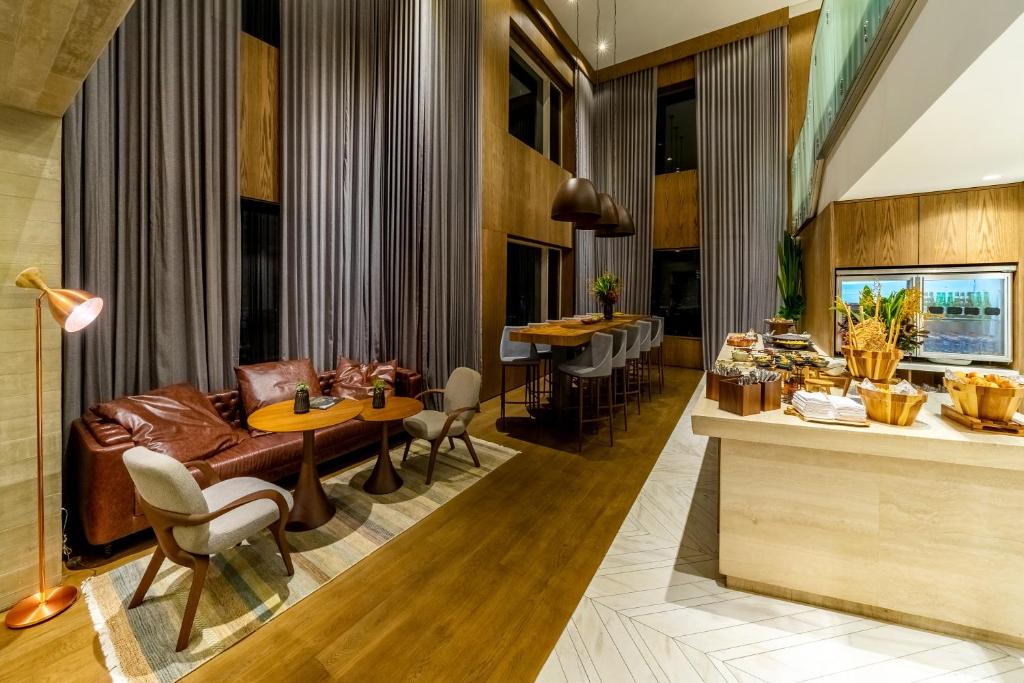
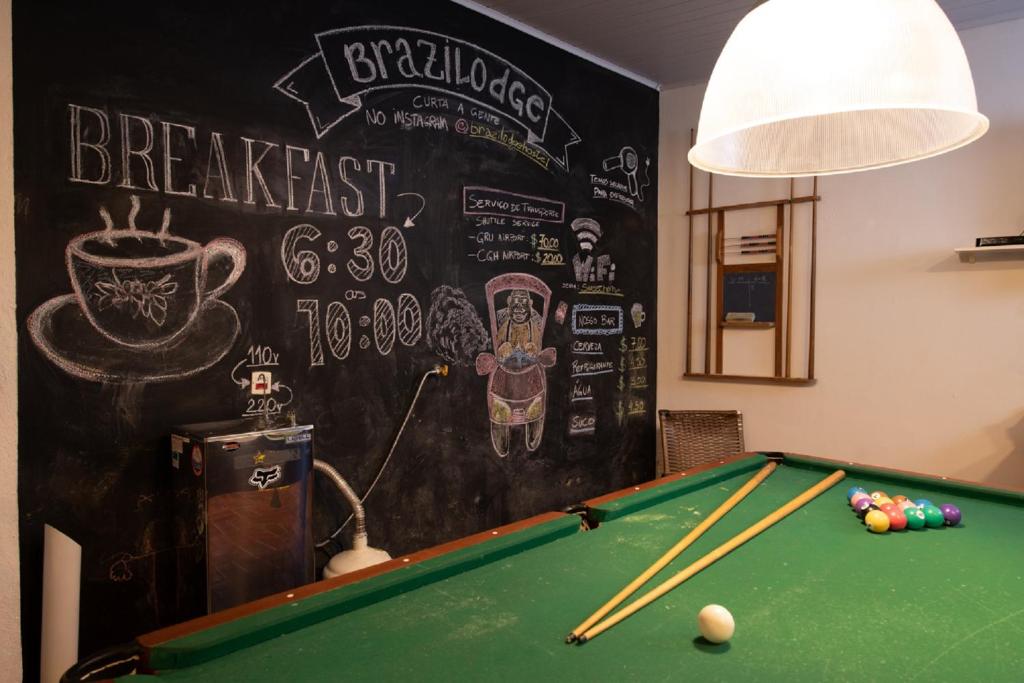
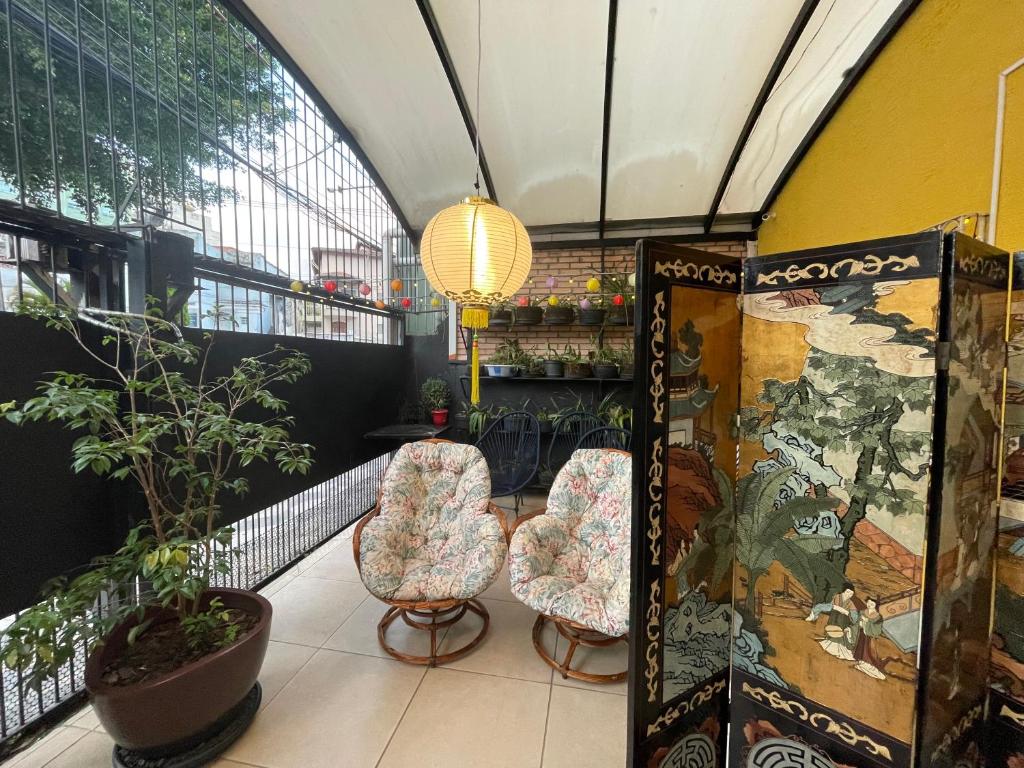
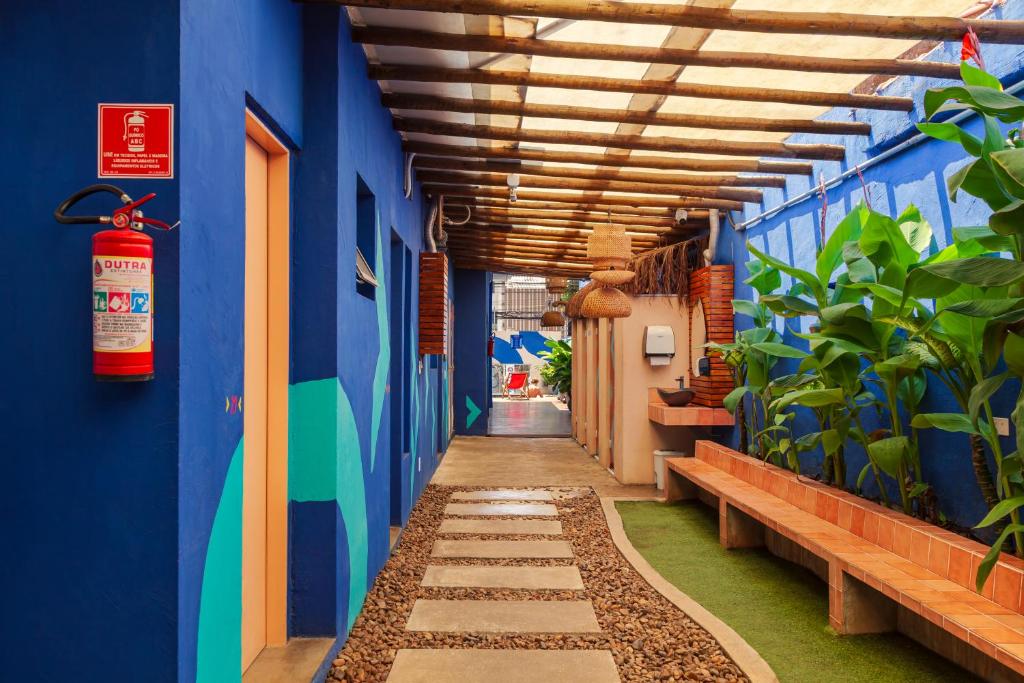
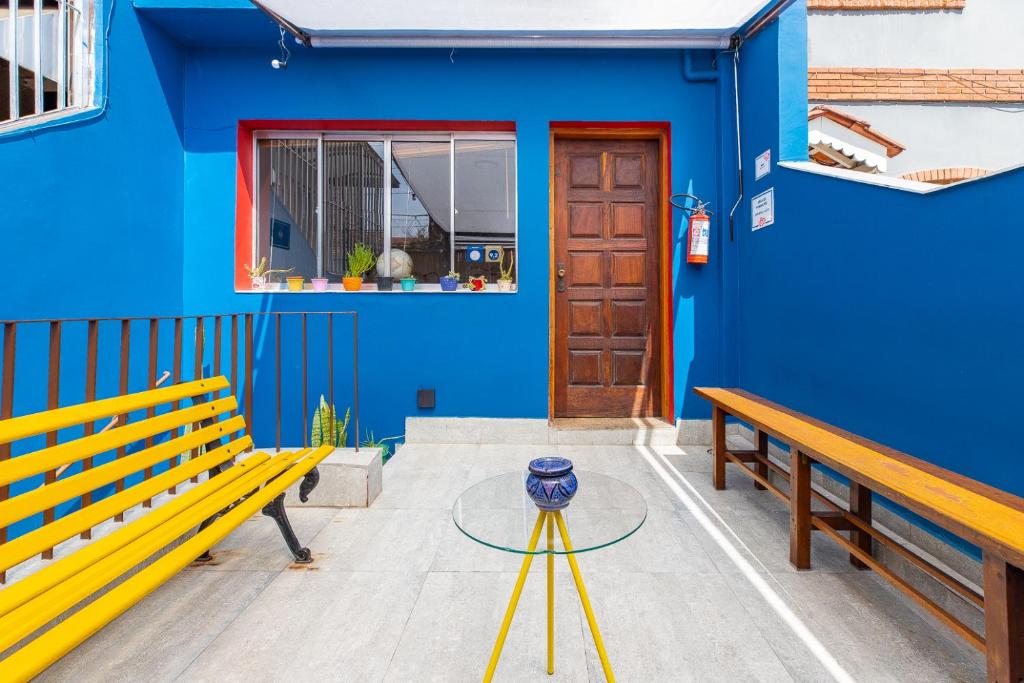
Hostel amenities: bar, air conditioning, free Wi-Fi, lockers, fans, lounge area, acoustic guitars, 24-hour reception, currency exchange
Nearby restaurants / bars / pubs: Bella Jaú (restaurant), Casa Gin Vila Madalena (bar), Bar Lanches Garrafão (snack bar), Xenê (wine bar), Supra Bar Vila Madalena (pub)
Nearby misc.: House of Legends (live music bar), Sensory Coffee Roasters (coffee roasters), Carrefour Express (supermarket), Swift (butcher shop), Yandê Padaria Artesanal (bakery), Bubaa Cookies (cookie shop), One Beauty (beauty salon), Atelier Carlos Casnati (jeweler), Board House (surf shop), Crayon Material para Desenho (art supply store), Galeria Bolsa de Arte (art gallery), Spin’n Soul Vila Madalena (gym), Gracie School (fitness center), Casa Octo (event venue)
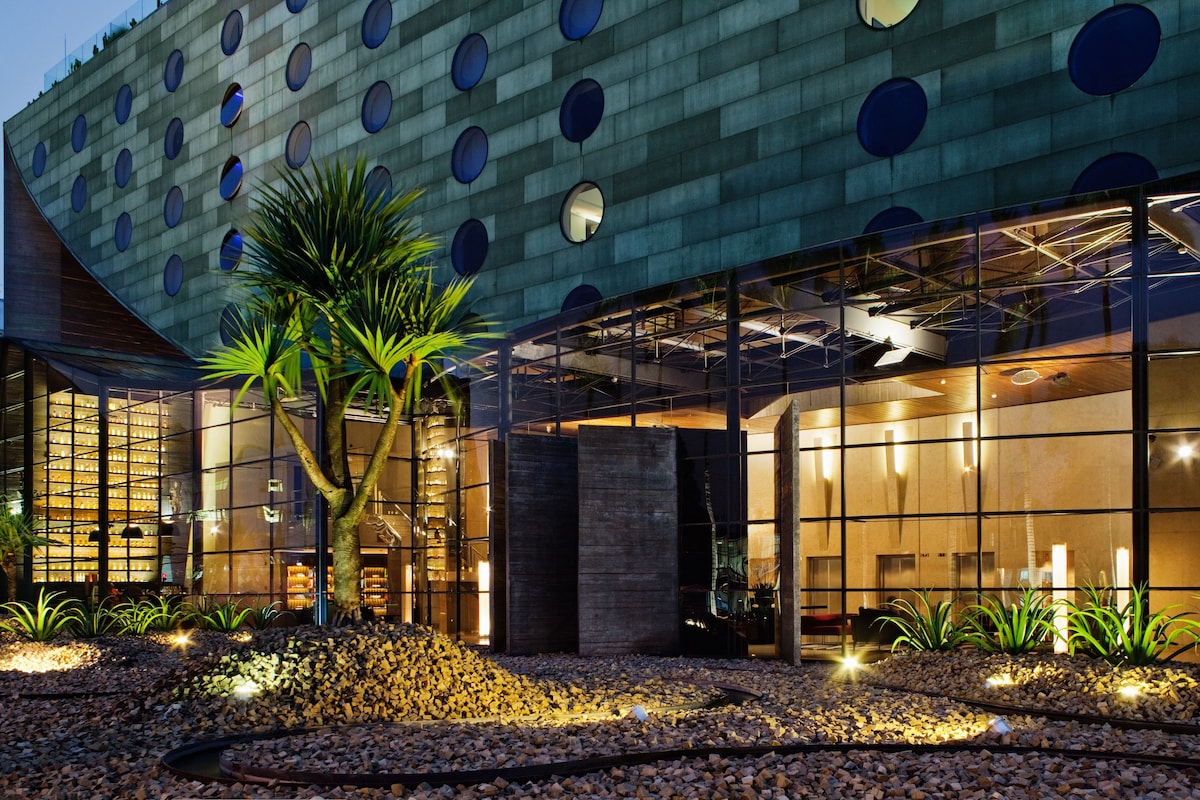
Hotel amenities: restaurant with chef’s table, bar, lounge bar, wine cellar, indoor & outdoor swimming pools, park views, furnished terraces, balconies, private garden, spa, fitness center, 9 function rooms, 530-guest ballroom overlooking the park, kid’s club
Nearby restaurants / bars: Osteria Santi (Italian restaurant), Bullguer – Vila Madalena (hamburger restaurant), Tropikall Bar (restaurant), Miss Saigon (Vietnamese restaurant), Porto Madalena (bar & grill), Butiquim da cidade (beer hall), Tabacaria Capivara Hemp Fradique Coutinho (bar tabac), O Pasquim Bar e Prosa (bar), Salve Jorge (bar), Boteco São Bento Vila Madalena (bar), Espetto da Vila (bar), Armazém Piola (bar), Presley Pub (bar), Xiu! Bar (bar), Bar Samba (bar), Patriarca Bar (cocktail bar), Navarro Bar (cocktail bar), Mona lisa bar (cocktail bar), Beb’s Bar Vila Madalena (cocktail bar), Posto 6 (sports bar), Bocca Nera (wine bar), Bear pub (pub)
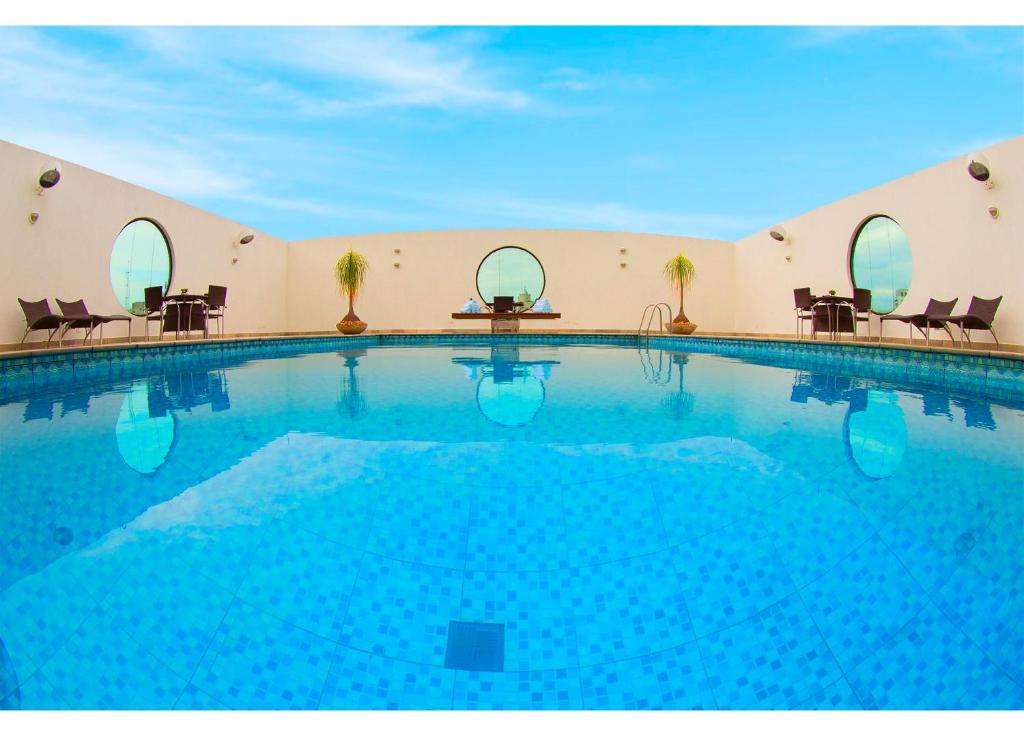
Hotel amenities: restaurant, bar, rooftop pool, city / park views, hot tubs, modern furniture, air conditioning, free Wi-Fi, LCD TVs, JBL speakers, Nespresso® coffee machines, mini-bars, Acqua di Parma amenities
Inn amenities: sun terrace, garden, garden views, tiled floors, free Wi-Fi, walk-in showers, 24-hour front desk, indoor / outdoor play areas, picnic area, full-day security
Nearby restaurants: Elek Gastrobar (traditional restaurant), BUD Burguer (hamburger restaurant), Carlão Lanches (hot dog restaurant), Sabor do Ypiranga (restaurant)
Nearby misc.: Vegan By Me (confectionery), Cabeleireiro (beauty salon), STUDIO VOWI (fitness center), Museu do Fusca SP (museum), Memorial Santa Paulina (museum), Comunidade da Graça Zona Sul (church), Congregação das Irmãzinhas Imaculada Conceição (place of worship), Capela Sagrada Familia e Santa Paulina (Catholic church)
Nearby restaurants / bars: Casa Maia STK (Brazilian restaurant), BORIS Hambúrguer Artesanal – Burger e Porção (hamburger restaurant), Galeteria Monte Grill (restaurant), Restaurante Nobrega (restaurant), Caputira Pizzaria (pizza delivery), Bar do Amaral (bar), B Ó II BAR (bar)
Nearby misc.: Little house bakery (bakery), Barbones Barbearia (barber shop), Buffet Infantil Verde (children’s party buffet)
Suite amenities: swimming pool, sauna, gym, air conditioning, cable TVs, fully-equipped kitchens, 24-hour front desk, free parking
Nearby restaurants:NB Steak Faria Lima (steakhouse), Vinil Burger (hamburger restaurant), Bráz Pizzaria, Migusta Pizza, Restaurante Aoyama (Japanese restaurant), Tahin (Middle Eastern restaurant), Vie Rose (restaurant), Benza Restaurante, Costa Nova Restaurante, Garni Restaurante (buffet restaurant), República Gastronômica (buffet restaurant), Açai Concept Pinheiros (diner), Bangalô Bar, Pandan (gluten-free restaurant), Pit House BBQ & BAR (bar & grill), EAP Empório Alto de Pinheiros (beer hall), Pirajá (bar), Negroni (bar), Guilhotina Bar, Bar do Juarez (bar), Ginger (bar), Arlete Bar e Mercearia (bar), Entrosa Restaurante e Bar
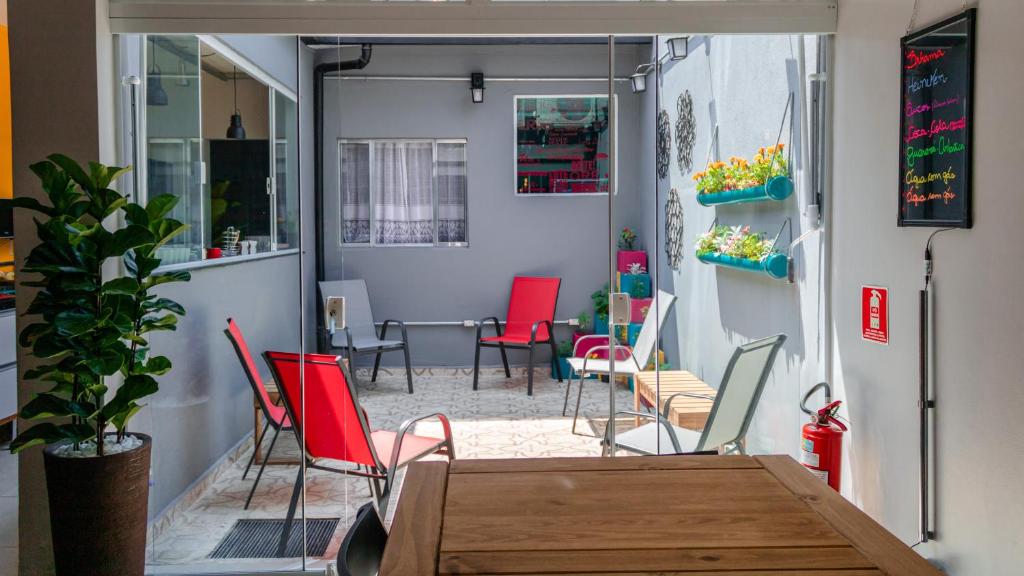
Hostel amenities: terrace, patios, garden, free Wi-Fi, coffee machines, hairdryers, concierge service, luggage storage, darts, car rental service
Nearby:Pizzeria Cézanne – Perdizes (pizza restaurant), Esfiharia Hayek (Sfiha restaurant), Make Hommus. Not war (restaurant), Lanchonete e restaurante flor do dia (restaurant), Estação Casa das Delícias (snack bar), Bicas Bar (cocktail bar), CASAZUL Venues for Events (event venue)
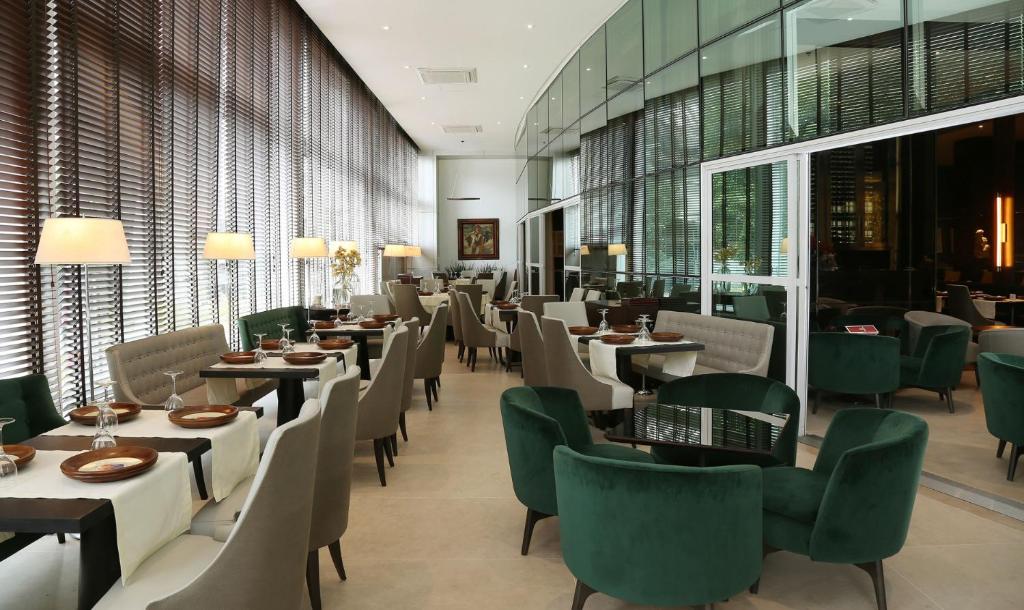
Hotel amenities: outdoor swimming pool, city views, garden, fitness center, air conditioning, free Wi-Fi, flat-screen TVs, coffee machines, desks, hairdryers, buffet, continental & Full English/Irish breakfast, 24-hour front desk, concierge service
Nearby restaurants: San Michelli Pizzaria (pizza restaurant), Restaurante Marea (Brazilian restaurant), Patrimônio de Minas (Minas Gerais restaurant), Volentiere (restaurant)
Nearby restaurants:La Positano (Italian restaurant), Villa Madu Pizza e Pasta (pizza restaurant), Restaurante Griggs (restaurant), É de Brigadeiro (restaurant), Metropolitan Gourmet (restaurant), Confraria da Carne Premium Steakhouse (restaurant), Barjud´s Sal Grosso (restaurant), COZINHA TURCA (Turkish restaurant), Bar Manga (restaurant), Maui Restaurante (restaurant), Vino! Morumbi (restaurant), Quattro Bar e Restaurante (buffet restaurant), Restaurante Morumbi Caires (buffet restaurant), Alecrim Restaurante (buffet restaurant), Tempero Mineiro Marmitex (down home cooking restaurant)
Nearby misc.: OLLI TORTAS E BOLOS (cake shop), Confeitaria Vanessa Pinheiro (pastry shop), Layers (candy store), Divina Vaidade | Esmalteria e Beleza (beauty salon), Studio Jessica Fernandes (beauty salon), Miriam Diniz (clothing store), Jorge Yo Barbearia – Chácara Santo Antônio (barber shop)
Within feet:
Food Truck Park
Praça Marcos Valente
Praça Rochaverá
Jardim Dente
Largo Los Andes
Within 1.9 miles:
Bandeirantes Palace -San Paulo State Governament
Within 4 miles:
São Paulo Modern Art Museum
Within 5 miles:
São Paulo’s Zoo Park
Hostel B2B SP is 2.9 miles from Sao Paulo/Congonhas Airport.
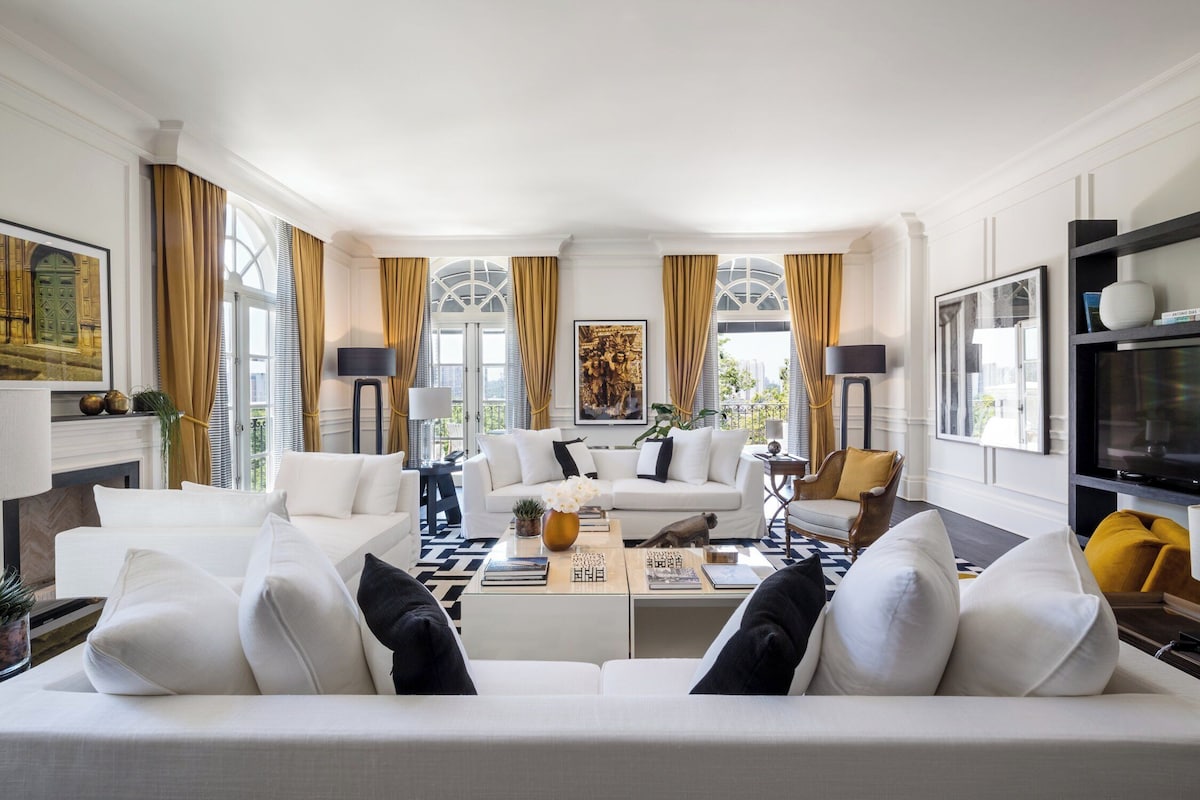
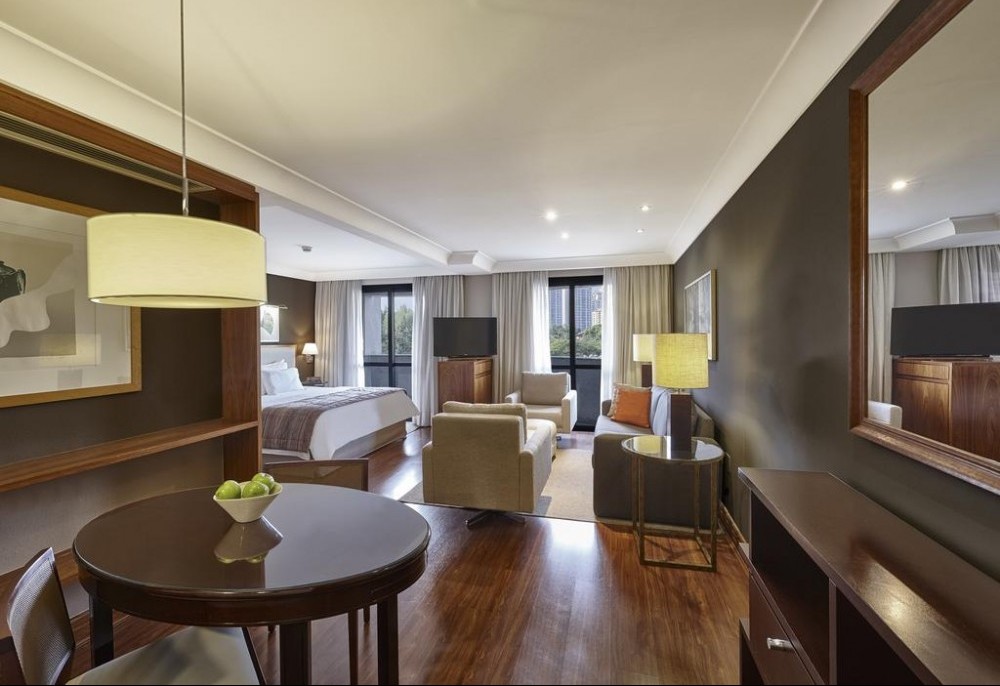
Hotel amenities: restaurant, bar, garden views, terrace, indoor pool, spa, wellness center, massage services, fitness center, parquet floors, high quality wood & leather furniture, air conditioning, flat-screen TVs, DVD players, mini-bars, hairdryers, dry cleaning, concierge service, meeting facilities
Hotel Fasano is 4.5 miles from Sao Paulo/Congonhas Airport.
Approximate cost per night (Presidential Suite): $877
Cost per person (six people): $146
So there they are, São Paulo accommodations that will help make for an excellent trip. We hope you have found this information valuable and most of all, that you enjoy your time in Brazil!
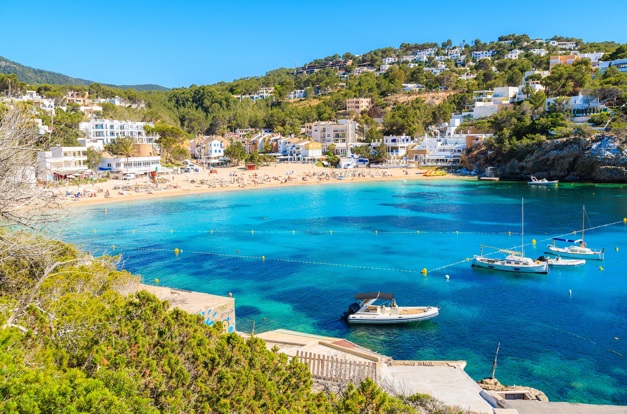
Ibiza accommodations welcome you to a destination nicknamed “White Island”, a reference to the island’s early salt production days. In the Catalan language, Ibiza is known as Eivissa. White Island is the third-largest of Spain’s Balearic Islands behind Menorca (2nd) and Mallorca (1st). Found in the Balearic Sea between Mallorca (eastward) and mainland Valencia (westward), Ibiza is known for its night / day clubs, clear waters, pebbled & sand beaches, Mediterranean restaurants, marinas, castle, watch towers, stone walls, steep cobbled streets and narrow alleyways.
Ibiza points of interest: Eivissa Harbour (marina – cruise ships, shops, restaurants, bars, water views), Las Dalias de Ibiza (weekend flea market – handmade products, soaps, jewelry, dining options, DJ music), Castle of Ibiza (hilltop castle – medieval fortifications, narrow lanes, panoramic ocean views), Cala Bassa Beach (5 dining options, beach club, water sports, shaded seating), Hi Ibiza (nightclub), Bar Anita (restaurant), Benirràs (pebble & sand beach – pine trees, rocks), Platja de Cala Xarraca (bay area – sandy shoreline, natural mud bath, clear waters, snorkeling), Pacha (nightclub), Bar Costa, Cala Saladeta (beach – swimming, snack / drink vendors), Rita’s Cantina (bar), Cala Salada (beach), O Beach Ibiza (day club – poolside parties, live DJs, aerial performances), Cala Vedella (beach), Nassau Beach Club (day club / restaurant), Sa Trinxa (Mediterranean restaurant), Cala Llonga (beach), Cala Comte (beach), Zazú Ibiza (beach club), Ibiza Weed Club (cannabis club), Es Boldado (Mediterranean restaurant), S’Espartar (Mediterranean restaurant), Aiyanna (restaurant), Tropicana Eivissa Cala Jondal (Mediterranean restaurant), Cala d’Hort (sand & pebble beach – restaurants, upper cliff paths, clear waters, swimming, snorkeling), Sa Punta Galera (nature preserve – cove, rock platforms, cliff jumping, clear water, snorkeling, sunset views), Ses Roques Restaurant (Mediterranean restaurant), Cas Pagès (restaurant), Project Social (restaurant), Tapas Ibiza (restaurant), Amante Ibiza (Mediterranean restaurant), Restaurante Es Jardins de Fruitera (Mediterranean restaurant), Shamarkanda Restaurante Ibiza (restaurant), Aigües Blanques (beach), Restaurant Balneari Cala Carbó (Mediterranean restaurant), Bar Can Bellotera (bar), Sa Punta (fine dining restaurant), El Bigotes – Bullit (restaurant), Can Sulayetas (bar), Aubergine Ibiza (restaurant), Marina Santa Eulàlia, Ses Boques (seafood restaurant), Cala Llenya (beach), Sa Trenka (Mediterranean restaurant), Fish Shack (fish restaurant), Bargrill Llumbi (restaurant), Playa De Santa Eulalia (beach), CasaPiedra (Fusion restaurant), Plaça de la Reina Sofia (old town square), Sa Pedrera de Cala D’Hort (former sandstone quarry / artificial bathing pool – steep cliffside trail, rocky cove), Punta Moscarter Lighthouse (wooded trail, coastline views), Cala d’en Serra (nature preserve), Torre de ses Portes (watch tower – ocean views, hiking), Cala Nova (beach), Torre des Savinar (1750s coastal watchtower – hiking, sunset / Es Vedra Island views), Torre des Carregador (watch tower), Cala Olivera (beach), S’Illot des Renclí (beach), Cala Portinatx (beach), [UNVRS] IBIZA (nightclub), 528 Ibiza (event venue), Museu Puget (art museum), Sabina Ibiza (social club), Far d’Eivissa (lighthouse), Jamones Los Andaluces (cured ham store)
Ibiza being a renowned party island, Rideshare naturally becomes useful. Renting a car / scooter is also recommended, especially if planning to explore the island’s remote areas.
When in Ibiza, hydrating via bottled water is advisable, though tap water is perfectly fine for brushing teeth. An energetic island, Ibiza is home to some of the world’s most lively night and day clubs. The southeast coast is where you’ll find energetic Ibiza Town, along with the airport. Although cannabis technically is illegal in public places, a loophole in the Spanish constitution has made it possible for cannabis club members to buy cannabis legally. Not just a party island, though, Ibiza is dotted with a number of outstanding, clear-water beaches. As such, it might be fun to pack snorkeling gear. A remote, laid-back village with clear water, sandy beaches and parks, Portinatx is found on the island’s north coast. Westward, beaches and a few party scenes await, while the island’s midst is home to countryside restaurants, hiking areas and viewpoints, suited well for a car / scooter trip. Good to know is that If you are not at all interested in the party scene, then Mallorca might be a more cost-effective destination. Ibiza’s currency is the Euro, cars travel on the right-hand side and the drinking age is 18 years old. Ibiza accommodations are some of Spain’s best. Before we get to Ibiza accommodations, let’s take a look at some more background information on the area to help you along the way.
Throughout its history, Ibiza has been known by many names to include Ibossim / Iboshim (Phoenician colonists – aka “Fragrance Island” due to abundant aromatic plants), Ebusus (Romans), Pityoûssai (Greeks – “Pine-Covered Islands”), Eivissa (Catalan ), Ivica (British Royal Navy) and Ibiza (Spanish). Phoenicians founded a port on Ibiza circa 654 BC. Following the Assyrian invasions and Phoenicia’s decline, Carthage took control of the island. Salt, dye, wool and garum (fish sauce) would become Ibiza’s main products. The Punic people set up a shrine at Es Cuieram cave with offerings to their chief deity Tanit. Ibiza became a major trading post along the Mediterranean routes around 400 BC. Trading stations were set up along Mallorca, where mercenary slingers were recruited to fight for Carthage. The Romans assaulted Ibiza during the Second Punic War circa 217 BC. Following Carthage’s defeat to the Romans on the the Iberian mainland in 205 BC, Carthaginian general Mago fled Ibiza for Menorca and then Liguria. Remaining Ibiza inhabitants were able to negotiate a treaty with the Romans in order to maintain their Carthaginian-Punic institutions, traditions and coinage. Eventually, however, Ibiza was made an official Roman municipality. Muslims conquered the island in 902 following the fall of the Western Roman Empire. The few remaining settlers were forced into Islam and the island became part of medieval Spain’s Islamic kingdom, Taifa of Dénia. King Sigurd I of Norway invaded Ibiza, Formentera and Menorca in 1110 en route to the Jerusalem crusade. The Crown of Aragon conquered the island in 1235, at which time the local Muslim population was deported. Thereafter, Christians arrived from Girona, and the island maintained self-governance until 1715, when King Philip V of Spain abolished the local government’s autonomy.
Today, Ibiza is home to around 160,000 people. Males are known as Ibicencos and females are Ibicencas. Located 93 miles off Spain’s central coast (Valencia), Ibiza’s rugged terrain (hills, coves, jagged coastline) spans 220 square miles. Ibiza’s native language is Eivissenc, while its official languages are Catalan and Spanish. Also widely spoken are English, French, German and Italian. Ibiza is part of the lesser Pine Islands. Several cruise lines stop at Ibiza to include Royal Caribbean Cruises, Norweigian Cruise Line, MSC Cruises and Celebrity Cruises. Ibiza’s cruise port is located in Ibiza Town (Eivissa). Larger ships dock at the Passeig Marítim (Botafoc Pier / Muelle Dique de Potafoc) on the eastern harbor, while smaller ships dock at Levante Quay (closer to old town). 3.7 million tourists visited Ibiza in 2023. Home to a Mediterranean climate, Ibiza is complimented by warm, sunny, dry weather for much of the year. Rainfall is minimal, with September being the rainiest month (September average precipitation – 2.5 inches). Average summer high temperatures (August) are around 87 °F, while January stays around 60 °F. Ibiza’s record low is 26.6 °F (February), so snowfall cannot be ruled out. Additional points of interest are Catedral de Santa Maria (18th-century Ibiza Cathedral), Santa Eulària des Riu (east coast municipality – traditional buildings, calmer nightlife scene, white-sand beaches, marina, 16th-century church, Ibiza’s only river) and Sant Antoni de Portmany (west coast town – nightlife, promenade, natural harbor, beaches, windmill, olive oil press, botanical garden). Local foods include sofrit pagés (traditional Spanish stew – lamb, chicken, sausages), arros de matanca (stew), paella de marisco (seafood paella), bullit de peix (fish stew – monkfish, grouper or rotja) and flaó (pastry). The legendary “Ibizan Herbs” drink (200 years in exitance) is known as hierbas Ibicencas (herbal liqueur – local herbs, botanicals). Also popular are signature cocktails, beer and wine. Keep in mind that it is illegal to drink on the street. With some background information on the island, it’s time for Ibiza accommodations that are sure to thrill.
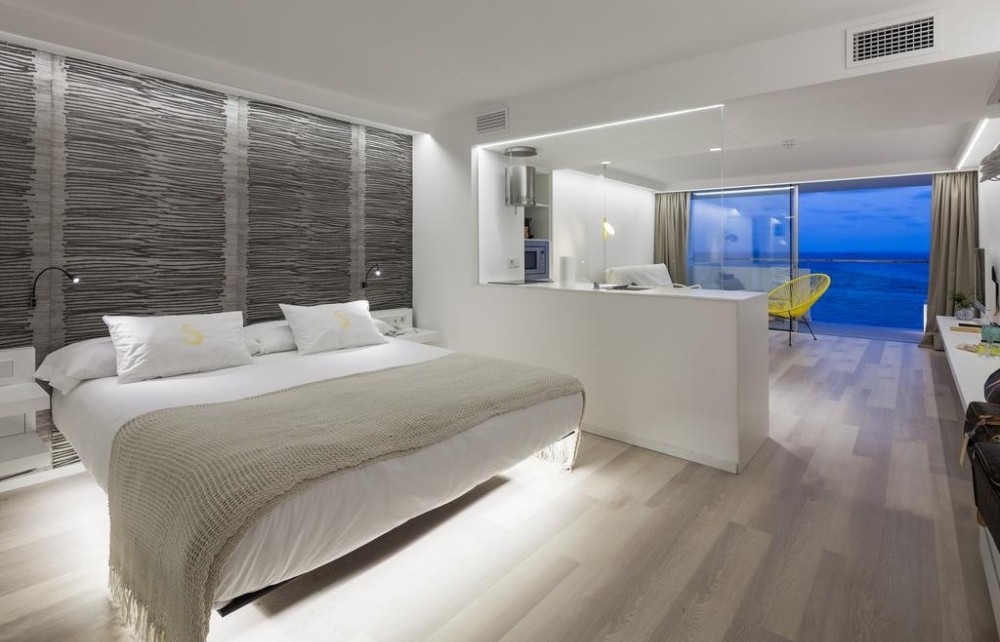
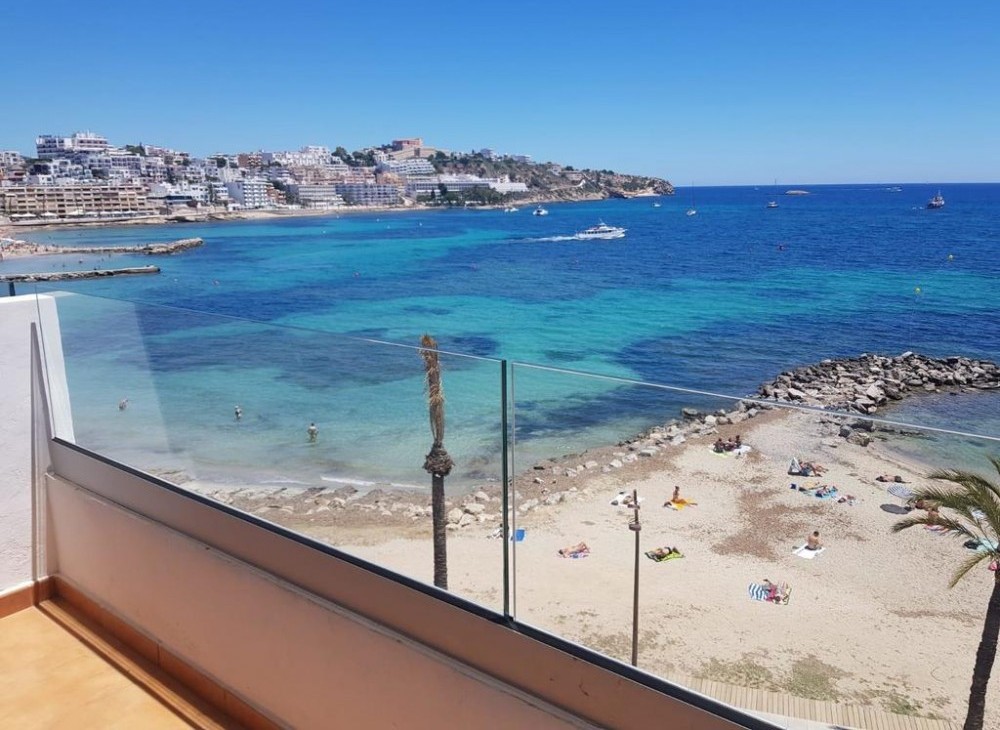
Hotel amenities: restaurant, adults-only rooftop sun terrace with a heated infinity pool, bar, sea views, terraces, balconies, fitness center, air conditioning, free Wi-Fi, flat-screen TVs, hairdryers, 24-hour front desk, conference room
Nearby restaurants / bars / pubs: Gagliardo cafe Ibiza (Italian restaurant), Pizza Romana, Casa 13 Piadina (restaurant), Retró Gusto (restaurant), Brasas Nicole (restaurant), Bar Brindis (down home cooking restaurant), Rincón Manabita (Ecuadorian restaurant), So Yum (restaurant), Ginger Poke (health food restaurant), Huaca Huaca Africano Restaurante, Bar Restaurante Moncayo, Home Loos (tapas bar), Bar Z (tapas bar), Es Xiringuito Figueretas (bar), Bar Jazz Alameda, Beccafico Kitchen Bar, Bar CHAOS, Coolture Cafe (bar), Cosmic Bar, Bar Rute (bar), Bar Infinity, All In (cocktail bar), Jacks Pub, Cafe de Hoeck (pub)
Hotel amenities: sea views, terrace with seasonal solarium & Jacuzzi, fitness center, free Wi-Fi, kitchens, coffee machines, bathrobes, 24-hour front desk, free bicycle usage, motorcycle rentals
Nearby: Poc a Poc (Italian restaurant), Soleado (French restaurant), Restaurante Blavós, Fusion Ibiza (restaurant & lounge bar), Bar Little Ibiza (restaurant), Cafe Bar ES GRESOL (bar), Mitch’s Bar, Strano at the Beach (bar), Supermarket Spar Sulamar
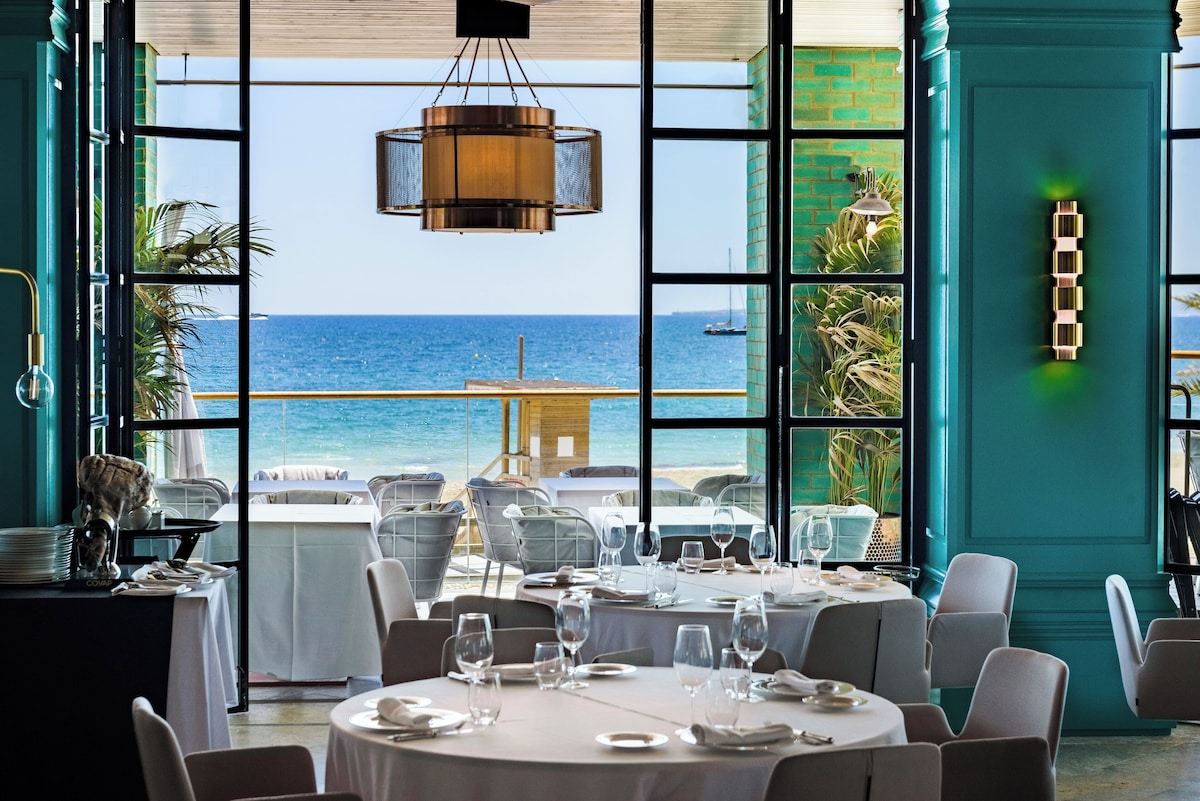
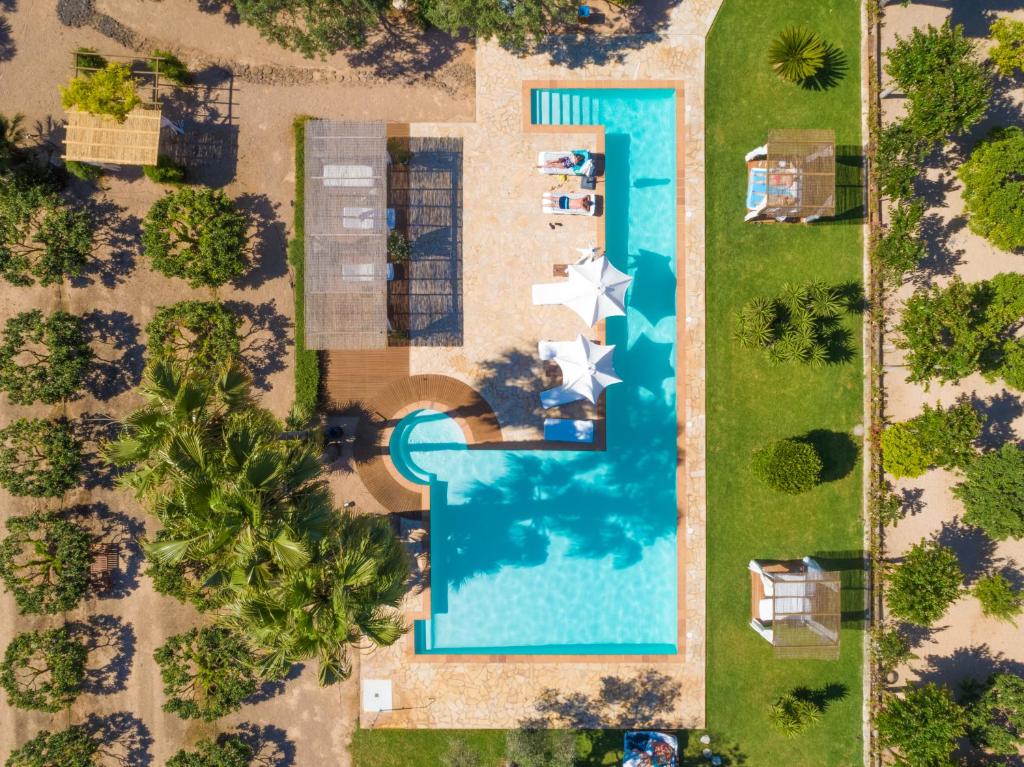
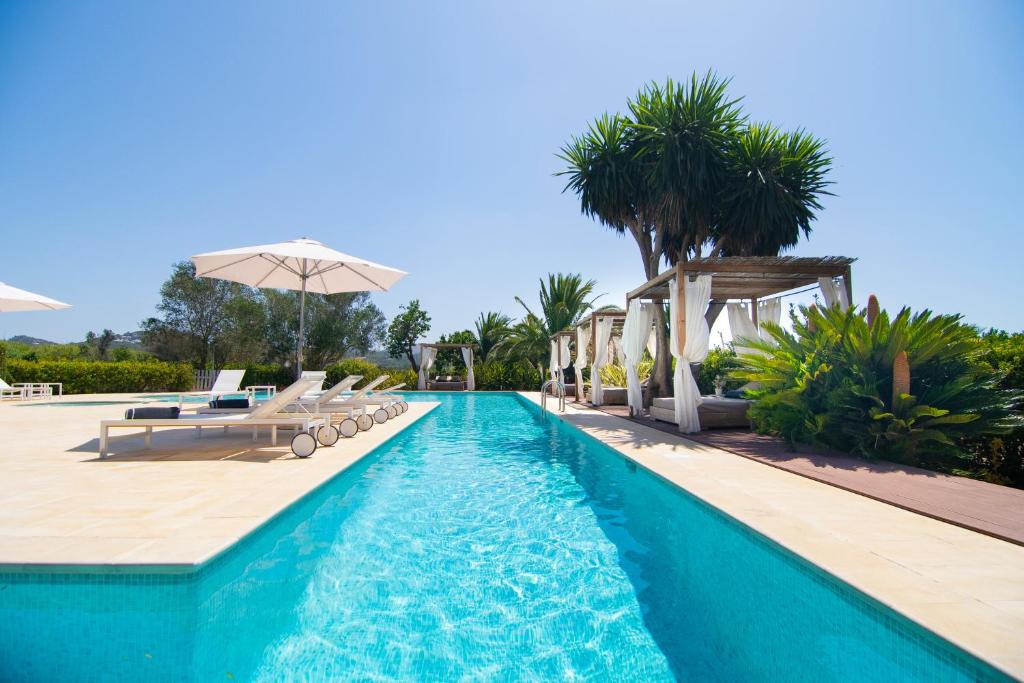
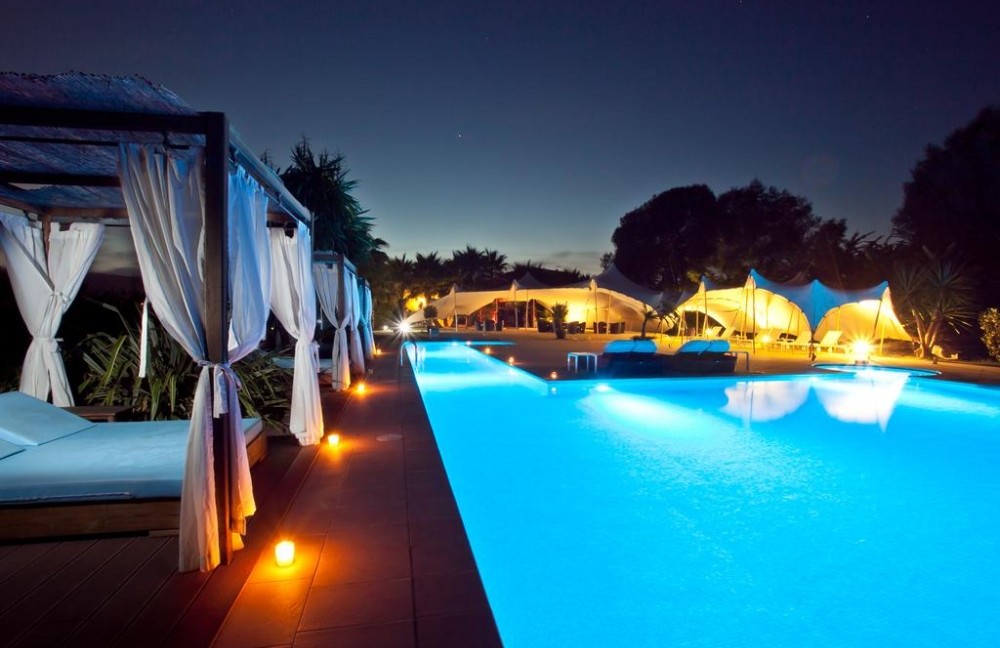
Hotel amenities: large-open air stage hosting weekly concerts, free Wi-Fi, 2 outdoor pools, a spa with a hot tub and sauna, a gym, an exclusive private beach, a beach bar, air conditioning, flat-screen TVs, mini-bars, hairdryers, bathrobes, slippers, blackout curtains, 6 restaurants
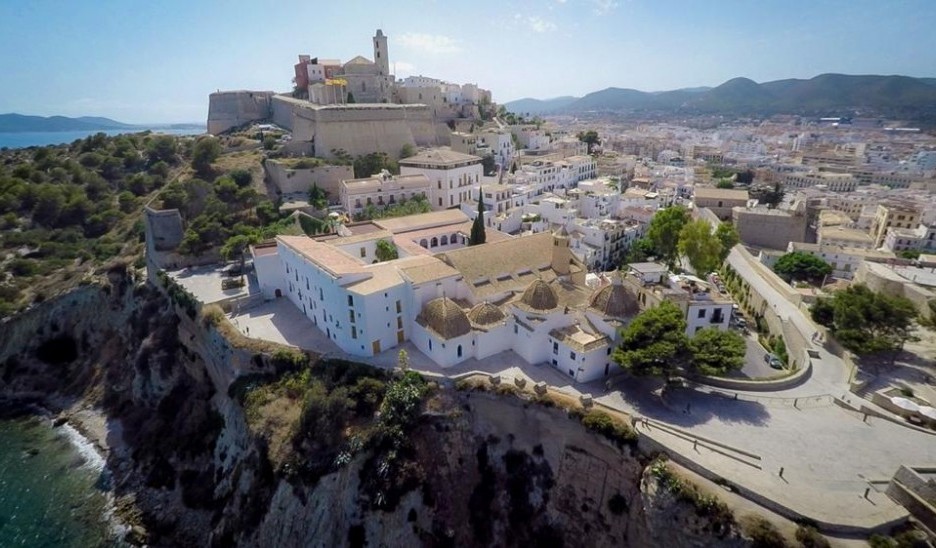
built on the grounds of the city’s Roman acropolis
Plaça del Parc
Hotel amenities: bar, late breakfast, sea, port & town views, roof terrace, terrace with a solarium, terracotta floors, traditional Balearic décor, air conditioning, free Wi-Fi, flat-screen TVs, free mini-bars, safes,, airport shuttle service upon request
Nearby:1742 Ibiza (restaurant), Bar Sant Ciríac (café), Museu Puget (art museum), Capella de Sant Cristòfol, Sa Capelleta (church), Monestir de Canoneses Regulars de Sant Agustí (church), Parroquia Ortodoxa Rumana de Ibiza Y Formentera (Eastern Orthodox church)
Hotel amenities: restaurant, terrace bar, Pacha Club entrance, outdoor pool, sun loungers, private balconies, gym, air conditioning, free Wi-Fi, flat-screen TVs, bathrobes, slippers, hairdryers, concierge service, car, boat or plane hire service, free parking, airport shuttle service upon request
Hotel amenities: restaurant with a terrace, balconies, outdoor pool, gym, air conditioning, free Wi-Fi, flat-screen TVs, coffee machines
Nearby restaurants / bars:Pizzeria Mamma Carmela (Italian restaurant), HORIZON Ibiza (Mediterranean restaurant), La esquinita19 (Italian restaurant), Km 0 (restaurant), Pizza Romana (restaurant), Bar Dana (bar)
Nearby misc.:Floristeria On line La botella de Nur (florist), Clínica Version – Clínica de Medicina Estética (beauty salon), Deus Ex Machina Ibiza – The Finca of Future Past (clothing store), Ibiza Code Figuera D´Indi (store), AWA YOGA (yoga studio), Centre Cultural de Jesús (performing arts center)
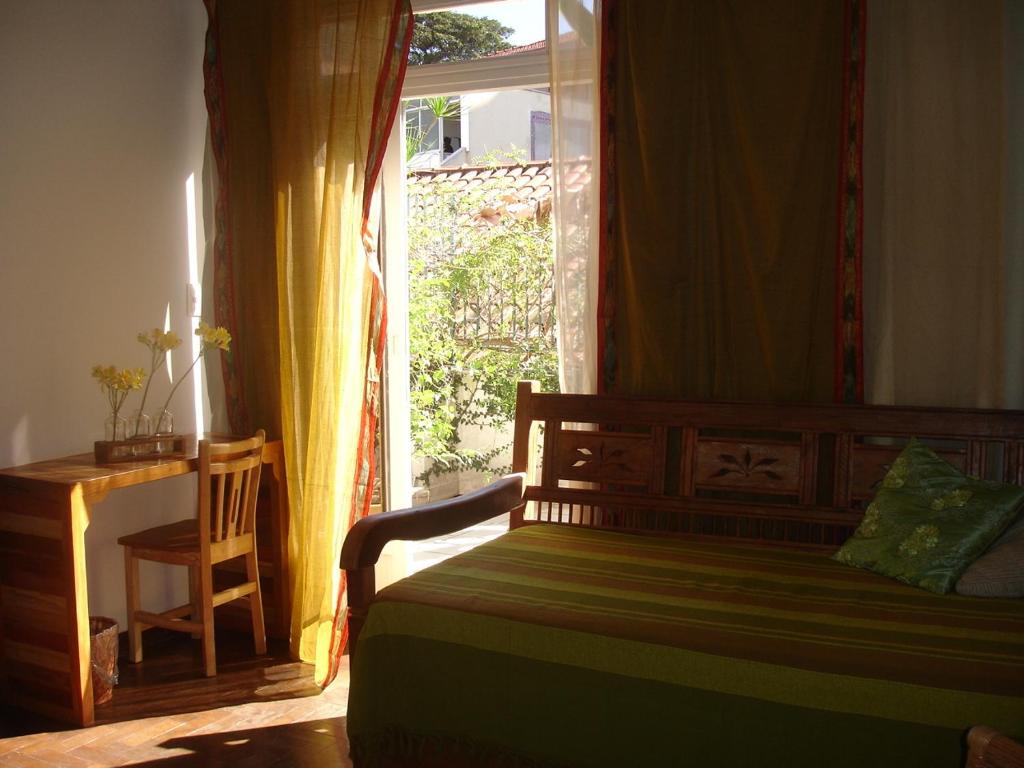
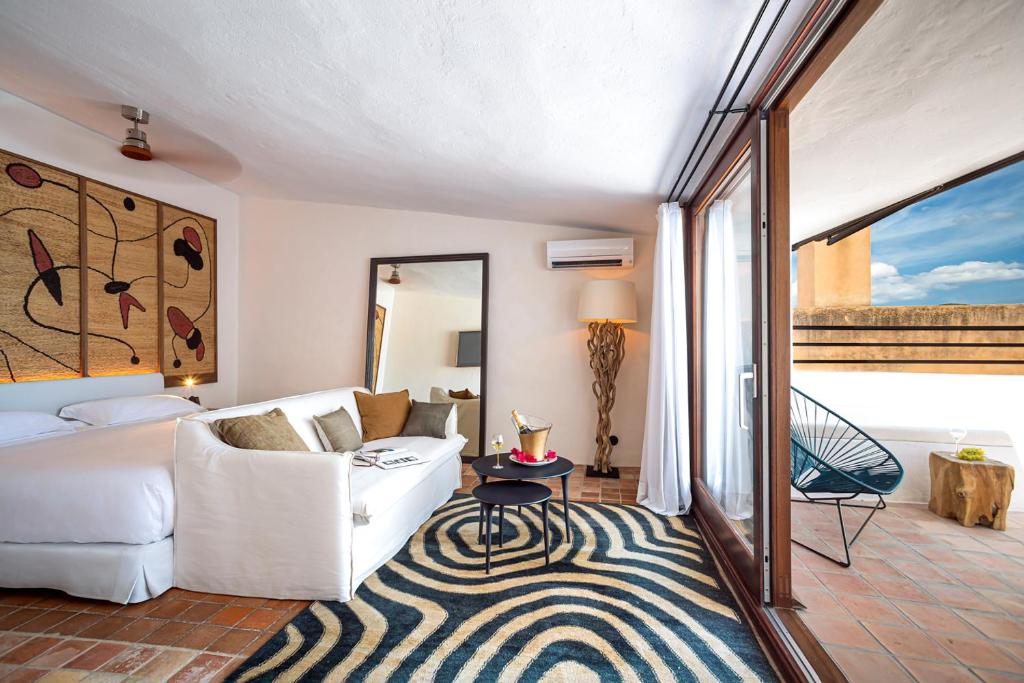
Hotel amenities: swimming pool, tree-lined terrace with sun loungers, private terraces / balconies, white walls, spa, massage service upon request, authentic wooden furniture, air conditioning, free Wi-Fi, flat-screen TVs, pillow menus, bicycle rentals, free on-site parking
Nearby restaurants / bars:Salvia Restaurant (Mediterranean restaurant), La Luna Nell’ Orto (Mediterranean restaurant), Aubergine Ibiza (restaurant), Ristorante Fratelli D’Italia (Italian restaurant), Can Sulayetas (bar)
Nearby misc.:Bodega Can Maymó (winery), Ashtanga Yoga Anurag (yoga studio), IbizaYoga (yoga studio), Conscious Touch Massage (massage therapist), Cova de Can Marçà (nature preserve – cave), Es Portitxol (beach), Cala de sa Ferradura (beach), Platja des Port de Sant Miquel (public beach), Cala Aubarca (hiking area), Mirador de sa Punta de sa Creu (scenic spot), Benirràs (beach), Pi ver de can Besuró (historical landmark), Torres d’en Lluc (historical landmark)
Nearby:Comandancia Café, Molí d’en Pep Joan (mill), Molí d’en Fèlix (museum), Blue Island (youth clothing store), Baluarte de San Jaime (historical landmark), Murada medieval de Vila (historical landmark), Baluard de Sant Jordi (historical landmark)
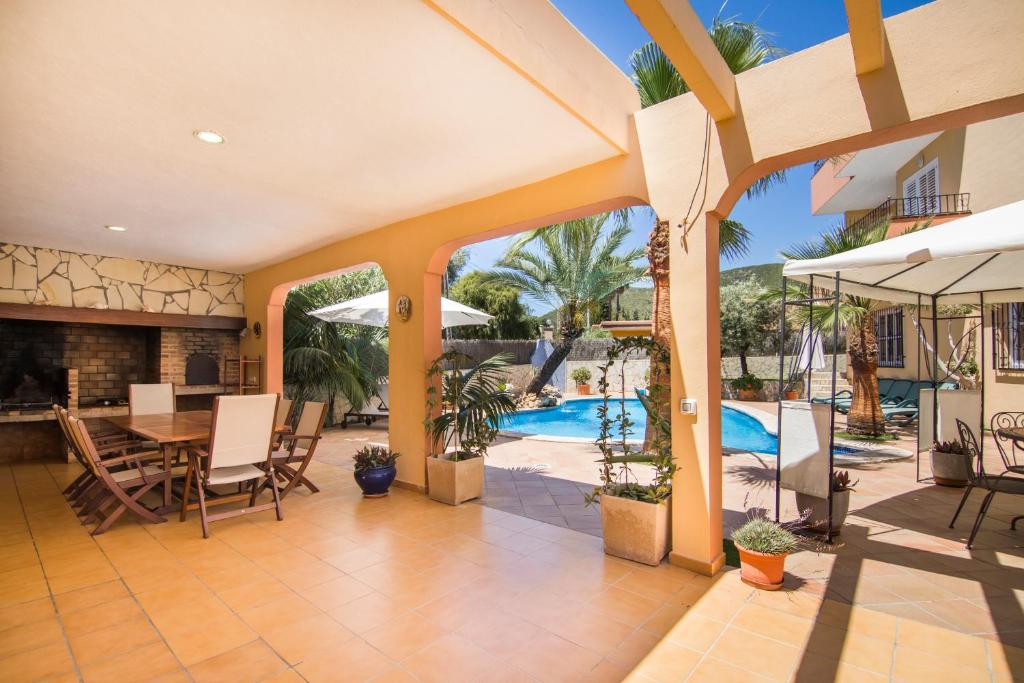
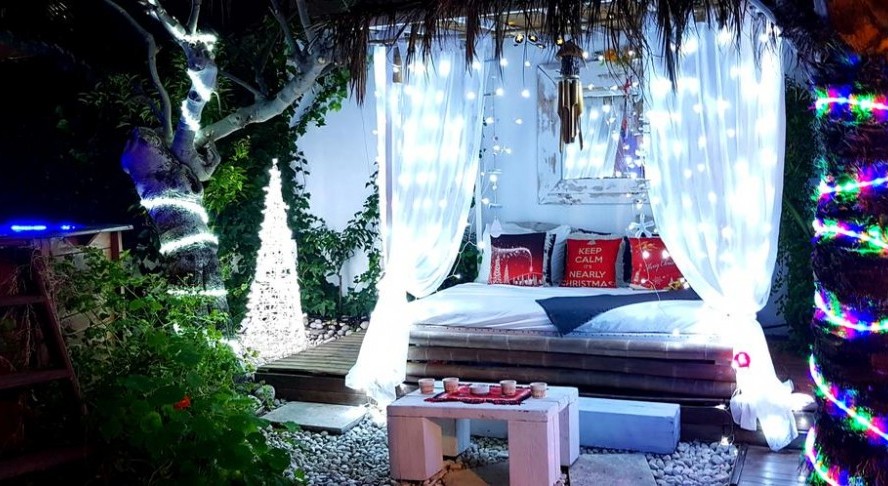
Villa amenities: restaurant, buffet / continental breakfast, seasonal outdoor pool, terraces, garden, hot tub, air conditioning, free Wi-Fi, flat-screen TVs, coffee machines, mini-bars, safety deposit boxes, desks, balconies, free bike usage, free private parking
Nearby: La Pizzería de Puig d’en Valls (pizza restaurant), Sala Polivalent Puig d’en Valls (café),Forn Can Bufí (bakery), Supermercado Bon Preu (supermarket), CARNICERÍA CAN PEDRO (butcher shop), Clínica Version – Clínica de Medicina Estética (beauty salon), Camp de futbol des Puig d’en Valls (stadium), Eivicavall Xicu i Cati (equestrian store)
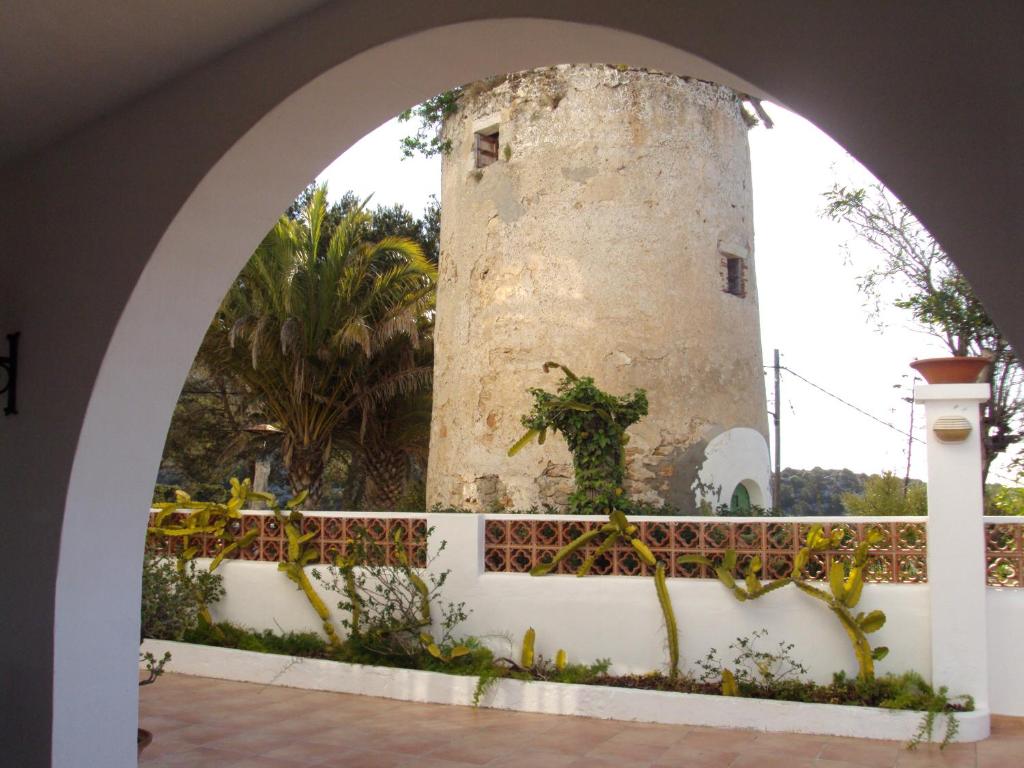
housed in a former 19th-century dairy farm – tranquil setting surrounded by orange groves
Club Amnesia Ibiza
Hotel amenities: outdoor swimming pool, terrace, patios, stone materials, air conditioning, free Wi-Fi, buffet breakfast, free on-site parking, airport shuttle
Nearby restaurants:Carpe Diem (Italian restaurant), Restaurant Las dos Lunas (Italian restaurant), La Pizzería de Puig d’en Valls (pizza restaurant), El Clodenis Ibiza (restaurant), Restaurante Ascua (Mediterranean restaurant), Pau Brasil Ibiza (Brazilian restaurant), La Huerta (restaurant), Es Camí Vell (restaurant), Can Tommy des Puig (restaurant)
Nearby misc.: Privilege Ibiza (night club), Underground Ibiza (night club), Sala Polivalente Puig den Valls (café), Tienda Forn Can Coves (bakery), Estanco San Rafael (tobacco shop), AWA YOGA
overlooks the Mediterranean Sea from a hilltop position
Ibiza Town
Hotel amenities: outdoor pool with loungers, hot tub, parquet floors, stylish décor, air conditioning, free Wi-Fi, plasma TVs, Bulgari bathroom products, bathrobes, whirlpool bath, breakfast until 12:00 that can be served in-room, 24-hour front desk, free airport shuttle service
Nearby restaurants:Pizzeria Pinocho (Italian restaurant), Bar 1805 (French restaurant), Los Pasajeros (restaurant), The Wild Bird (French restaurant), El Pirata (pizza restaurant), Restaurant Mama Pomela (Mediterranean restaurant), El Passadis Eivissa (restaurant), Tender Ibiza (restaurant), La Tana (restaurant), Loolapalosa (sushi restaurant), Sushis Ibiza, Bai Bai (tapas restaurant), Sunrise Ibiza (bar), Dado Bar, Swami Bar, Minus80Bar, La Virgen Ibiza Club (bar), La Tana Del Lupo (bar), Paradise Lost (bar), Bar Arte (cocktail bar), Tirapallá (cocktail bar), Number 5 (cocktail bar), S’Escalinata Eivissa (cocktail bar)
Nearby misc.: BCB Tango (live music bar), Plaza Casco Antiguo (café), Vivi’s Creamery (ice cream shop), tomtom Ibiza (clothing store), Cheeky Pay (swimwear store), Lighthouse of Ibiza, Ibiza Harbour Quay Bulkhead (marina), Torre de vigilància Plaça de sa Riba (museum), Museu Casa Broner (museum), Baluard de Sant Pere (museum), Point De Vue (observation deck), Plaza Reina Sofia (tourist attraction)
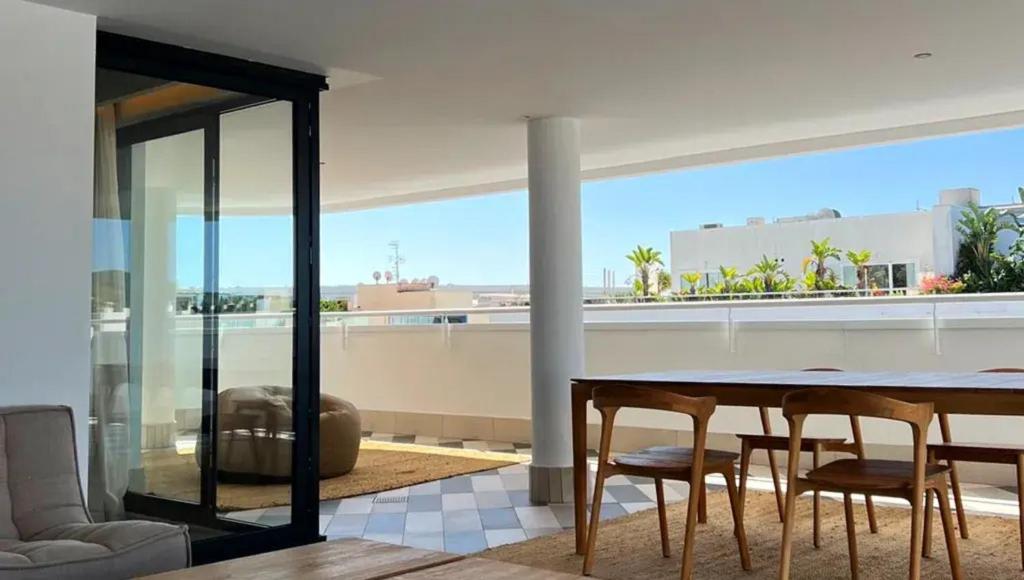
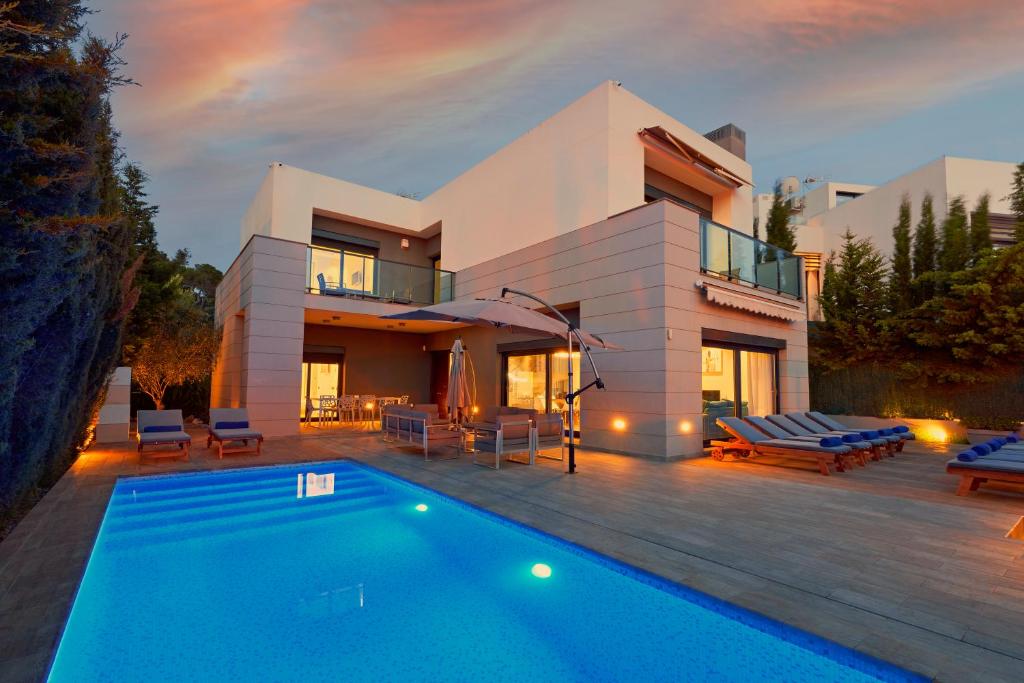
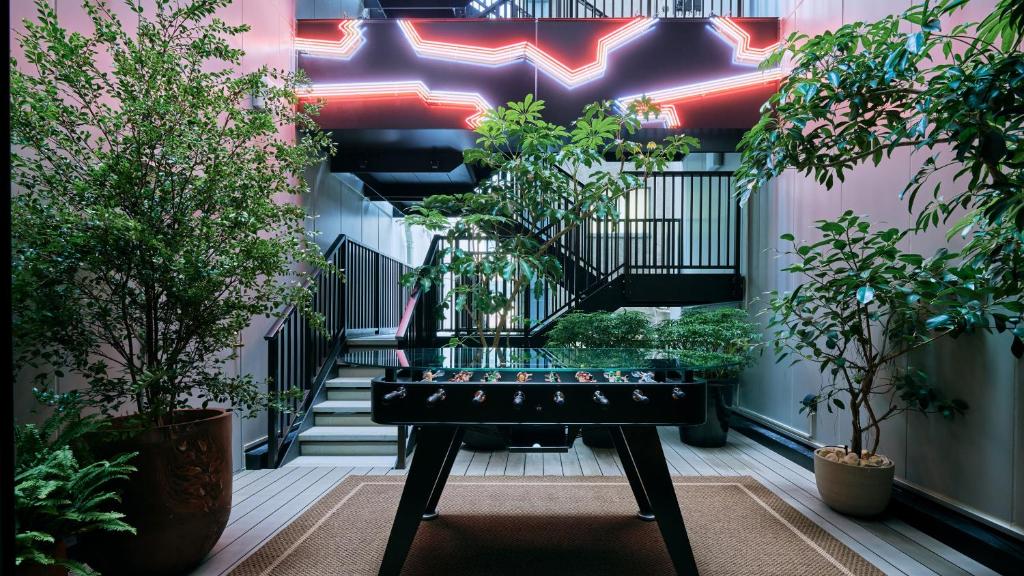
Villa amenities: 6 bedrooms, spacious garden with an outdoor pool, city views, terrace with a barbecue, lounge area with sofas, fireplace, free Wi-Fi, flat-screen TV, fully-equipped kitchen, washing machine, game room with billiards, Foosball & arcade games, free bike usage, free cleaning service from June to September
So there they are, Ibiza accommodations that will help make for an exciting experience. We hope you have found this information valuable and most of all, that you enjoy your time in Spain!
Nairobi accommodations welcome you to a destination nicknamed “Green City in the Sun”. Known for its big-game parks, savannas, nature preserves, gardens, viewpoints, calderas, alkaline lakes, shopping malls, golf clubs and universities, Nairobi is located in southern Kenya, not far from Tanzania. Flowing across Green City in the Sun, the Nairobi River originates at the town of Kikuyu’s Ondiri Wetland peatbog and meets eastward with the Athi River (Kenya’s second longest river). Once revered as a big-game hunting destination, Nairobi has come a long way since its early-20th century beginnings. Today, Nairobi is known as a starting point for Kenya & Tanzania safaris.
Surrounding-Nairobiattractions:Nairobi National Park (big-game animals), Village Market (shopping mall), Lake Nakuru National Park (large soda lake, wildlife, camping), Lake Naivasha (boat safaris – hippos / flamingoes), Hells Gate National Park (photography spot, birdwatching, hiking, horse-riding, cycling, camping), Ngong Hills Forest Reserve (nature preserve / hiking area), The Forest Adventure Centre and Restaurant (adventure sports center), Mount Longonot National Park (dormant volcano, forest-filled crater, hiking along volcanic rim), The Great Rift Valley View Point (view point / restaurant), Giraffe Centre, Kiambethu Tea Farm, South- Western Mau National Reserve, Naishola Gardens (wedding venue)
300 miles westof Nairobi:Lake Victoria (Africa’s largest lake – boat rides, beaches, 200+ fish species – Nile River source)
Toward Lake Victoria(Nairobi-side): Maasai Mara National Reserve (savanna – migratory wildlife, game animals), Serengeti National Park (Tanzania national park – annual wildebeest migration, lions, elephants, rhinos)
Before going on a safari trip, a day or two stay at least in Nairobi is recommended to shake-off jet lag / rest. Nairobi’s & Kenya’s official languages are English and Swahili (Kiswahili), with English being widely spoken. When out at night in Nairobi be wary of your surroundings. Areas such as Westlands, Lavington and Karen generally are quite safe, though places to avoid are Eastleigh and Kibera. Outside of tourist areas, modest dress is recommended (ladies especially). Swimming in lakes, rivers and reservoirs, and drinking tap water, are not advisable due to potential Schistosomiasis (parasitic disease). Naturally, Kenya is home to impressive wildlife. A protected area, Nairobi National Park is a sanctuary for the critically endangered black rhino. Beyond Nairobi National Park, expansive safari opportunities await. The key to an exciting safari trip is knowing where / when wildebeest migrate, as predators will follow the herds (confusions). In August, wildebeest migrate through Kenya, while in February they head to Tanzania. Altogether, about 1.5 million wildebeest are involved in Kenya’s / Tanzania’s annual Great Wildebeest Migration. Nairobi’s currency is the Kenyan shilling, cars travel on the left-hand side and the drinking age is 18 years old. Nairobi accommodations are some of East Africa’s best. Before we get to Nairobi accommodations, let’s take a look at some more background information on the area to help you along the way.
Originally swampland, the Nairobi-area was first occupied by the pastoralist Maasai. the long-distance trader Akamba and the agriculturalist Kikuyu peoples. The name “Nairobi” originates from a Maasai expression meaning ‘cool waters’. Chief engineer of the Uganda Railway, Sir George Whitehouse (1857-1938) chose the Nairobi-area for an Indian laborer store depot and shunting / camping grounds due to the area’s adequate water supply, temperate climate and high elevation near the town of Limuru. Prior to the colonial era, tribal peoples lived in villages, and the area had multiple leaders. Arthur Church was commissioned to design a town layout (Victoria & Station Streets, ten avenues, staff quarters, Indian commercial area) for a railway depot circa 1898. On May 30, 1899 the railway depot opened and Nairobi replaced Machakos as the Ukamba administration’s headquarters. Malaria became problematic for the early town. Even worse, an outbreak of the plague in the early 1900s caused the original town to be burned / razed, and Bazaar Street (Biashara Street) completely rebuilt. Administration and tourism helped the town’s population grow from 5,000 to 16,000 between 1902 and 1910. After the Uganda Railway’s promotion, big game hunting became a major draw in Nairobi, which became capital of the East Africa Protectorate in 1907, and was declared a municipality in 1919. Following World War II, the expanding city created tensions with the Maasai and Kikuyu. Embakasi Airport’s (Jomo Kenyatta International Airport) opening on March 9, 1958 brought airplanes to the area. Indeed, modernization had commenced, and times were changing. The 1950s Mau Mau Uprising and the early-1960s Lancaster House Conferences, though, led to Kenya (The Commonwealth realm of Kenya) declaring independence from British colonial rule on December 12, 1963. Exactly a year later the Republic of Kenya was established. Power cuts and water shortages due to Nairobi’s rapid infrastructure growth became common issues in the city following Kenya’s independence. The 28-storey Kenyatta International Conference Centre KICC opened to the public on September 11, 1973. In 1983, the Giraffe Center opened. More recent installments have been the Thika Superhighway (2012), the Standard Gauge Railway (2017) and the Nairobi Expressway (2022).
Home to around 4.4 million “Nairobians”, Nairobi is Kenya’s capital and largest city. Nairobi’s area spans 270 square miles between the cities of Kampala and Mombasa. Adjacent and westward is the Rift Valley, an intra-continental ridge system that runs north-south. Minor earthquakes / tremors are possible due to Nairobi’s proximity to the Rift Valley. West of the city also are the Ngong Hills (ridge peaks). Mount Kenya, an extinct volcano north of Nairobi, rises 17,057 feet. Nairobi is one of Africa’s most modern cities and a financial center. The city’s subtropical highland climate accounts for 75 °F average high temperatures during the warm season (December-March). Due to the city’s elevation (5,889 feet above sea level) evenings can be cool, especially in June and July. Nairobi’s proximity to the equator, though, accounts for minimal weather variations between seasons. Additional points of interest are Nairobi Securities Exchange, Parliament of Kenya, Westlands (affluent neighborhood – shopping centers, restaurants, bars, clubs), Karen Blixen Museum and African Great Lakes (Great Rift Valley alkaline lake system – flamingoes). Local foods include nyama choma (roast meat), Kenyan stew (beef, tomatoes, onions, garlic, curry powder), ugali (maize flour porridge), irio (mashed potatoes and peas), rice, beans, corn, collard greens and mandazi (dough ball – doughnut-like). Popular drinks are dawa (vodka drink), beer, wine, champagne and tea. With some background knowledge on the area, we’re ready for Nairobi accommodations that will help make for a memorable experience.
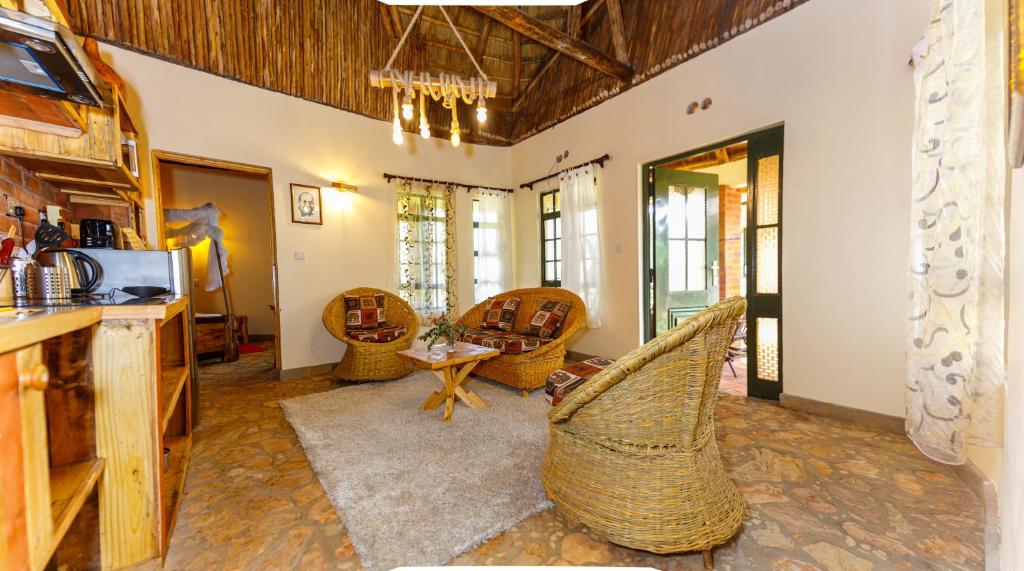
Lodge amenities: restaurant, buffet, continental or Full English/Irish breakfast, garden, free Wi-Fi, hairdryers, 24-hour front desk, free private parking
Nearby restaurants: 3 Stooges Grill (restaurant), Chakula Tayari (East African restaurant), Go&Grub Pork & Fries (restaurant), Under the Swahili Tree (family restaurant)
Nearby misc.: Organic Farmers Market – Kenya (fresh food market), Karen Country Club (golf course), Marula Manor ltd (event venue), Maridadi Zawadi (gift shop), Karen Gym and Personal Training Center (gym), Dimesse Sisters Karen (convent)
Within 1 mile:
Cottolengo Centre
Within 1.1 miles:
Karen Blixen Museum
Within 1.3 miles:
Youth for Conservation (YfC)
Within 1.6 miles:
Oloolua Nature Trail
Within 3.1 miles:
Langata Botanical Gardens
Within 6 miles:
Burning Site and Picnic Area
Uhuru Gardens Memorial Park
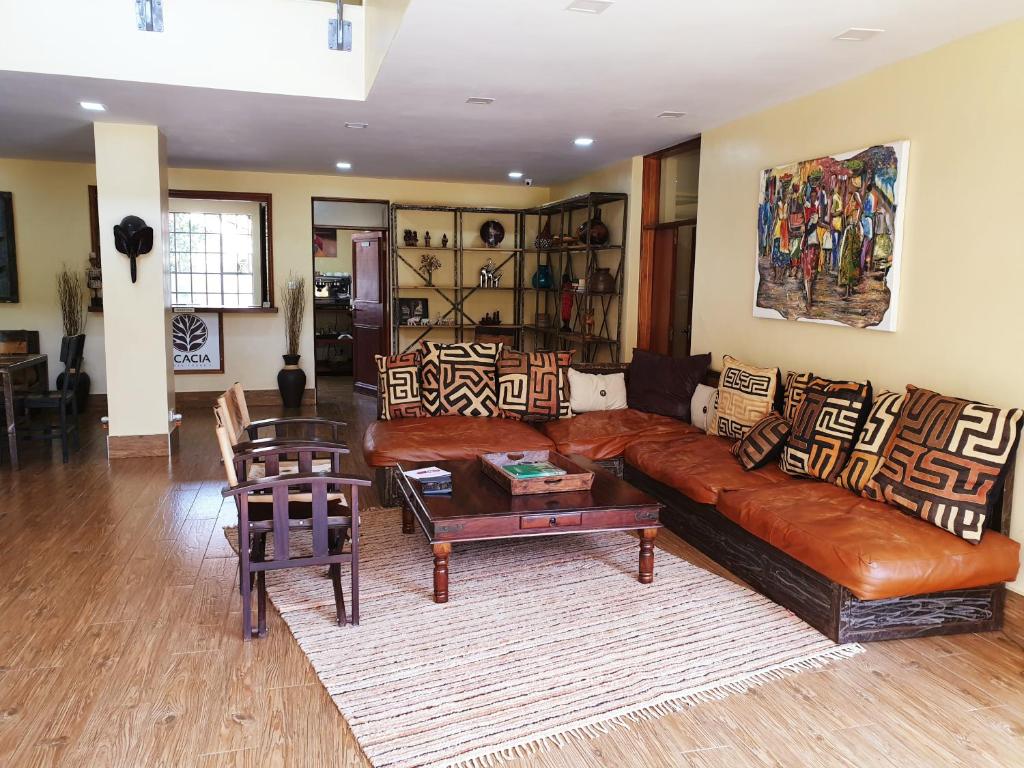
Acacia Tree Lodge is 15 miles from Jomo Kenyatta International Airport.
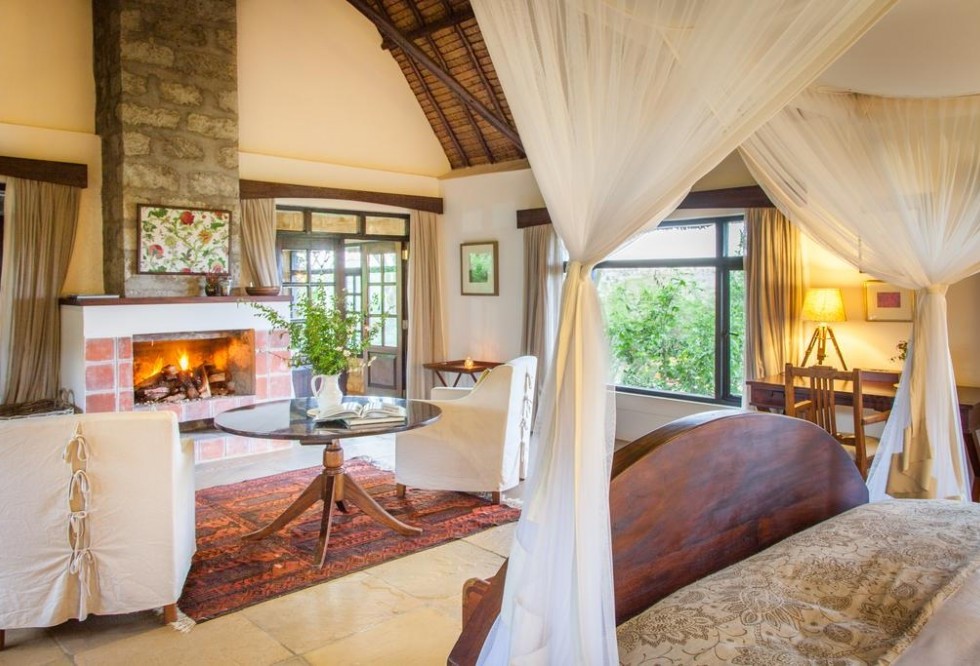
Lodge amenities: open-air restaurant near the pool overlooking the national park, bar, guest lounge located in the old original thatched farmhouse with open fireplace, wine cellar, small library, outdoor pool, modern Colonial-style furnishings, mosquito nets, hair dryers
Nearby:Kitengela Hot Glass Ltd. – Studio (glassblower), Savanna Park Tree Nursery, Africa Nazarene University – Ongata Rongai Campus
Hotel amenities: casino, restaurant, bar, nightclub, golf course, tennis court, outdoor swimming pool, spa, sauna, gym, free Wi-Fi, 24-hour front desk, currency exchange, luggage storage, billiards room, playground, car rental service, business center, private parking, airport transportation service for a charge
Hotel amenities: restaurant, garden views, fitness center, swimming pool set in a large manicured lawn, garden views, air conditioning, flat-screen TVs, full kitchenettes
Nearby restaurants / bars: Moonflower Restaurant, Pete’s Cafe (restaurant), Oro Restaurant And Lounge, CrivonSpring Lounge (bar)
Nearby misc.: The Angelsmile Atelier (clothing store), Kuona Artists Collective (art center), St Georges Assembly Ground (fairground)
Hotel amenities: restaurant, bar, outdoor pool, sun terrace, fitness center, classically decorated rooms, air conditioning, free Wi-Fi, flat-screen TVs, tea / coffee facilities, bathrobes, slippers, 24-hour front desk, tour desk, meeting facilities
Nearby:Argenti Restaurant & Lounge, The Plato (restaurant), New Life SDA Cafe, Radlee’s Cafe, Cake Galleria (bakery), Kings Prism Towers (business center)
Within feet:
All Saints Cathedral Nairobi
The Nairobi Hospital
Uhuru Park
Kenya Railway Golf Club
Nairobi Gallery
Nyayo House
Within 1 mile:
Imax Kenya
Within 1.2 miles:
Nairobi National Museum
Fairview Hotel is 9 miles from Jomo Kenyatta International Airport.
Hotel amenities: outdoor pool, tennis court, basketball court, BBQ facilities, fitness center, free Wi-Fi, satellite TVs, DVD players, kitchens, 24-hour front desk, game room, children’s playground, free parking
Nearby restaurants / bars: Sierra Brasserie (restaurant), RubiCut Gardens (restaurant), Mambos Barbeque, Kifaru Bar, Foxxies Lounge (bar)
Approximate cost per night (three-bedroom suite): $468
Cost per person (five people): $94
So there they are, Nairobi accommodations that will help make for an exciting experience. We hope you have found this information valuable and most of all, that you enjoy your time in Kenya!
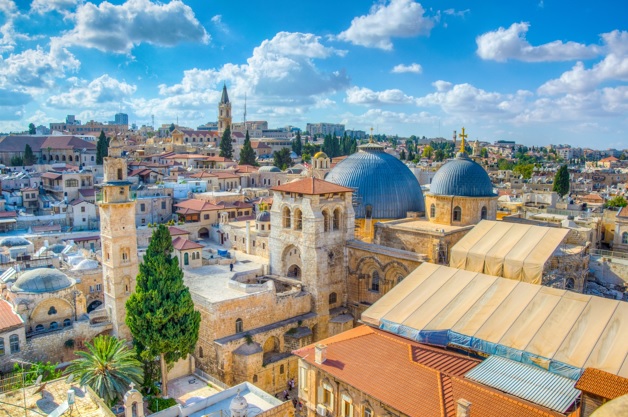
Jerusalem accommodations welcome you to a destination nicknamed “The Holy City”. The western world’s holiest and most contested city, Jerusalem was once considered the center of the world. Known for its museums, walls, gates, parks, gardens, churches, synagogues, mosques, tunnels and markets, Jerusalem is located between the Dead Sea (eastward) and the Mediterranean Sea (westward). According to the New Testament, Jerusalem is where Jesus Christ was crucified and resurrected. Although the exact location of Jesus’ crucifixion is unknown, it is believed to be near either the Church of the Holy Sepulchre (likely outside the original city walls) or The Garden Tomb. The general site of Jesus’s crucifixion is referred to as Golgotha, or “place of the skull” in Aramaic, and also Calvary. Bethlehem, Jesus’s birthplace, is about 5.5 miles south of Jerusalem.
Jerusalem main attractions:Mahaneh Yehudah Market (street market), Church of the Holy Sepulchre (4th-cantury Basilica / Jesus potential tomb / resurrection site), Malcha Shopping Mall, Al-Aqsa Mosque (linked to Muhammed), The First Station (19th-century train station – shops, restaurants, concerts, events), The Tisch Family Zoological Gardens in Jerusalem (zoo), The Israel Museum, Jerusalem (art museum), Yad Vashem (museum), Gethsemane (olive garden – Christian historical site), Sacher Park (city’s largest park – basketball courts, picnic areas, playground, track, dog run), Israel Aquarium, Western Wall (ancient wall – sacred site of Jewish prayer), Zion Gate (Old City – medieval gate built 1540), Derech HaGefen (Italian restaurant), Tower of David (Medieval citadel / history museum), The Garden Tomb Jerusalem (ancient tomb / gardens – potential Jesus resurrection site), Teddy Stadium (33,000-seat sports / events arena), Montefiore Windmill (1857 windmill – neighborhood views, visitors center, wine tastings), Jerusalem Theatre (performing arts theater), Pais Arena (stadium), Zion Square (public plaza – shops, eateries, street performers), New Gate (arched / crenelated stone gate / Christian passageway), Ammunition Hill Heritage Site (museum), Sataf (national forest / old agricultural area – olive / almond trees, vines, paths), Cafe Yehoshua, Hansen House (1887 asylum – art shows, concerts, café), Menachem Begin Heritage Center (heritage museum), Jerusalem Park, Church of Saint John the Baptist (12th-century church / cave where John the Baptist was born), Church of the Visitation (site of Mary Magdalene’s visit to John the Baptist’s mother), Via Dolorosa (notable street – believed to be the path Jesus took to his crucifixion), Church of Princess Elizabeth (Russian Orthodox church)
Rideshare service:does not operate in Jerusalem (strong opposition from taxi unions, legal challenges, regulatory issues)
Central-eastern Old City contains several of the city’s holiest places. Church of the Holy Sepulchre, for example, was built nearly 2,000 years ago, demolished in 1009, and rebuilt circa 1048. When in The Holy City, remember that modest attire should be worn, especially in holy places. Heightened security is typical at the airport. Airport paperwork (passport / Electronic Travel Authorization – ETA) should be kept secure and handy upon arrival / departure. Road signs generally are displayed in Hebrew, English and Arabic lettering. Jerusalem’s currency is the Israeli Shekel, cars travel on the right-hand side and the drinking age is 18 years old. It’s recommended to exchange foreign currency for Shekels, as exchange rates in places like hotels and restaurants can be high. Jerusalem accommodations are some of the Middle East’s best. Before we get to Jerusalem accommodations, let’s take a look at some more background information on the area to help you along the way.
Jerusalem’s first settlement (3000 BC) was located near Gihon Spring (aka Fountain of the Virgin / Saint Mary’s Pool). Under Canaanite rule, Jerusalem developed into a fortified city with high walls to protect its water system. An archive written on clay tablets, the Late Brone Age Amarna letters document Jerusalem as being a vassal of Ancient Egypt. The Israelite period began around 1000 BC, when King David captured Jerusalem from the Jebusites. The First Temple, or Solomon’s Temple, was built by David’s son King Solomon. Jerusalem was capital of the United Kingdom of Israel and the Kingdom of Judah prior to being captured by the Neo-Babylonian Empire circa 586 BC. The Babylonians destroyed the First Temple and exiled the Jewish population. After the fall of Babylon in 539 BC, when the Persians defeated the Babylonians, Cyrus II of Persia (Cyrus the Great) allowed the Jews to rebuild Jerusalem and its temple. The Second Temple period lasted from about 516 BC to 70 AD. After the conquests of Alexander the Great in 332 BC, Jerusalem fell under Hellenistic rule. Roman general Pompey captured Jerusalem in 63 BC and brought it under the Roman Republic rule. Herod I (Herod The Great) expanded the Second Temple to include the Western Wall. Judaea’s Roman governor, Pontius Pilate sentenced Jesus Christ to be scourged and crucified for posing a threat to Roman authority. Roman soldiers affixed a sign on the cross above Jesus that read “Jesus of Nazareth, King of the Jews” in three separate languages. According to the Gospel of John, a Roman soldier pierced Jesus’s side to be sure that he had died, and blood and water gushed from the wound. Tensions between the Jews and the Roman Empire lead to the First Jewish Revolt (70 AD) and the Bar Kokhba Revolt (132 AD), both of which resulted in Roman victories. Thereafter, Jews once again found themselves banned from the city. Jerusalem became a center for Christian pilgrimage during the Byzantine period. Roman emperor Constantine the Great supported the construction of the Church of the Holy Sepulchre, which was built in 335 AD. The Rashidun Caliphate conquered Jerusalem in 638, around which time the Dome of the Rock and Al-Aqsa Mosque were built. Jerusalem changed hands several times during the Crusades. In 1099, the city was captured by Crusaders, followed by Saladin in 1187. Jerusalem remained under Islamic control until 1517, when it became part of the Ottoman Empire. After the 1948 Arab–Israeli War between Israel and the Arab League, Jerusalem was divided between Israel and Jordan. The 1967 Six-Day War between Israel and a coalition of Arab states (Egypt, Syria, Jordan) resulted in an Israeli victory. Subsequently, The Golan Heights, The West Bank and The Gaza Strip became occupied by Israel.
Jerusalem is home to around 980,000 “Jerusalemites”. Set on a plateau between the Mediterranean and Dead Seas, The Holy City is surrounded by the Judean Mountains. While both Israel and Palestine claim Jerusalem as their capital, these claims are contentious. Jews, Muslims and Christians all deem the city a holy site, with historical remnants from all three religions preserved to this day. One of the world’s oldest cities, Jerusalem has been attacked 52 times, captured / recaptured 44 times, besieged 23 times and destroyed at least twice. Around 3.5 million tourists visit Jerusalem annually. Jerusalem’s climate is hot-summer Mediterranean. Summer (August) highs stay around 85 degrees Fahrenheit, while January winters are around 53 degrees. Additional points of interest are St. Elijah Monastery, Mamilla Mall (shopping street), Old City Walls, Temple Mount, Jaffa Road (western Jerusalem main thoroughfare), Bible Lands Museum and International Convention Center. Local foods include falafel, shawarma, pita, hummus, bagels, halva (candy), kanafeh (noodle-like pastry dessert) and bourekas (pastry). Popular drinks are arak (potent anise-flavored liquor), Tubi 60 (citrus liquor), sachlav (cream drink with vanilla and rose-water), limonana (frozen mint lemonade) and iced coffee. With a little background information on the area, we’re ready for Jerusalem accommodations that will help check one off the bucket list.
Hotel amenities: restaurant, à la carte, continental or Italian breakfast, air conditioning, free Wi-Fi, flat-screen TVs, fully-equipped kitchens, coffee machines, electric tea pots, mini-bars, hairdryers, bicycle / car rental service
Nearby restaurants / bars / pubs: Anthony’s Pizza (pizza restaurant), Mazkeka (pizza restaurant), Burger Market (burger restaurant), Aso Studio & Salon (restaurant), Mian Noodles (Asian restaurant), Tacos Luis (Mexican restaurant), Ben-Sira Hummus (Israel restaurant), Mirror Bar (bar), Ruhan (bar), שושנה בר (bar), Rabbit Hole (cocktail bar), Chanut Wine (wine bar), The Sira Pub (pub), Bar Zabotinski (pub)
Nearby restaurants / bars / pubs: Al Dente (Italian restaurant), Shalom Falafel (falafel restaurant), סלו משה (bar), barbachar (pub)
Nearby misc.:Gan Sipur Café, Belinda’s Cafe, Y Cafe, Nissan Nativ Acting Studio (drama school), StudioAYO (AyoYoga – yoga studio), Kiyor Studio for Ceramics & the Arts (arts studio), Sacher Park, Kol Rina Synagogue
Hotel amenities: city views, terrace, balconies, hot tub, air conditioning, free Wi-Fi, flat-screen TVs, coffee machines, mini-bars, desks, hairdryers, à la carte breakfast
Apartment amenities: panoramic views, balconies, air conditioning, free Wi-Fi, flat-screen TVs, kitchens, free sim cards upon request
Nearby:Sheyan (Asian restaurant), Beber’s Place (sandwich shop), Flower Shop Mishael (florist), ROGA Massage Center (spa), Cosmetics On Lincoln (beauty salon), MY KALA (fashion designer), Iron Gym, St. Rosary Monastery (church), Terra Sancta College (seminary), Paris Square (historical landmark), Kehilat Renanim Synagogue (Orthodox synagogue), Heichal Shlomo – Jewish Heritage Cente (heritage building)
Vacation Home amenities: furnished terrace, garden, fruit orchard, air conditioning, free Wi-Fi, flat-screen TV, fully-equipped kitchen, bathrobes, hairdryer
Nearby: Studio Arcadia Ein Kerem (restaurant), חצר עין כרם (Kosher restaurant), Yosi Levi Minimarket (grocery store), MyRide (adventure sports), בחפץ כפיה (tourist attraction), Ein Karem (tourist attraction), פוטו ענתיקה (portrait studio), Church of Saint John the Baptist (Catholic church), Convent of the Sisters of Zion (Convent), ALYN Hospital
B&B amenities: city views, terrace, balcony, garden, air conditioning, free Wi-Fi, flat-screen TV, fully-equipped kitchen, free private parking
Nearby: Tempio Della Visitazione (Basilica), Music Center (cultural center), Targ Center, Bustan Ein Kerem (community garden), Mary’s Spring (tourist attraction), Deir Rmasa (church)
Hotel amenities: gourmet restaurants, bar, swimming pool, patio, landscaped gardens, fitness center, air conditioning, free Wi-Fi, flat-screen TVs, designer bathroom amenities, Italian bed linen, business center
Nearby:St George’s Garden Bistro (Middle Eastern restaurant), Hummus and Di (restaurant), Sarwa Street Kitchen (restaurant), Coffee & Toast (restaurant), Fishel’s Shnitzel (restaurant), Cellar Bar Jerusalem, Al-Hakawati Theatre (cultural center)
Approximate cost per night (Deluxe Apartment): $413
Cost per person (nine people): $45
So there they are, Jerusalem accommodations that will help make for a inspirational trip. We hope you have found this information valuable and most of all, that you enjoy your time in Israel!
Hobart accommodations welcome you to an island state nicknamed “Tassie”. Known for its museums, marketplaces, cobblestone streets, historic sandstone warehouses, beaches, nature preserves, reserves, parks, waterfalls, walking tracks, wildlife, ovals (cricket sporting grounds), cafes, art galleries, breweries, distilleries,, vineyards and harbor fish punts (floating seafood restaurants), Hobart is located on Tasmania’s southeastern coast. The Australian island state of Tasmania is about 260 miles south of mainland Melbourne across the Bass Strait, and roughly 1,600 miles east of Auckland, New Zealand across the Tasman Sea. To Hobart’s immediate east flows the Port of Hobart / Derwent River, while westward rises the 4,170-foot Mount Wellington.
Surrounding Hobart, attractions:MONA (art museum), East Coast Car Rentals – Hobart Airport, Mount Wellington (4,170-foot mountain peak – trails, lookout point, “Organ Pipes’ dolerite cliff), The Wicked Cheese Company (cheese shop), Rosny Hill Lookout, Mount Nelson Signal Station (tourist attraction), The Shot Tower (1870 shot tower – tours, café, scenic views), Dru Point Bicentennial Park, Baskerville Raceway (car racing venue), Long Beach, Myrtle Gully Falls (waterfall), Pelverata Falls (waterfall), Longley Waterhole (swimming hole), Opossum Bay Beach, Bellerive Beach, Risdon Brook Dam (scenic walking track, BBQ areas), Goat’s Beach, Cathedral Rock Track (hiking area), Tinderbox Beach, Wellington Falls (waterfall), Seven Mile Beach, Katt‘s Beach)
An exceptional hiking area, Cradle Mountain National Park is about 2 hours northwest of Hobart. Tasmania is home to the endangered Tasmanian devil, the world’s largest marsupial carnivore (about the size of a small dog), an animal that will devour decaying animal corpses, bones and all. Other wildlife species include wombats, pademelons (kangaroo-like), platypus, long-tailed mice, echidna (spiny anteater), little penguins, southern elephant seals, fur seals, growling grass frogs, giant freshwater crayfish (endangered), handfish, wedge-tailed eagles, white-bellied sea eagles, Cape Barren geese, forty-spotted pardalote (rare bird), orange-bellied parrots and more. Tasmania main sports are Australian rules football and cricket, which are played at venues such as Ninja Stadium (Bellerive Oval). When visiting Tasmania, keep in mind that the weather can be unpredictable. Outside of Hobart and especially in the mountains, phone signal can be limited, and gas stations are relatively sparse. It’s possible to catch a glimpse of the Southern Lights, or Aurora Australis, while on Tassie. Hobart’s currency is the Australian Dollar, cars travel on the left-hand side and the drinking age is 18 years old. Hobart accommodations are some of Australia’s best. Before we get to Hobart accommodations, let’s take a look at some more background information on the area to help you along the way.
Around 6000 BC, following the Ice Age, Aboriginal Tasmanians were cut-off from mainland Australia by rising sea levels. Aboriginal Tasmanians specialized in fire-stick farming, game hunting (wallabies, kangaroos) and ocean fishing / hunting (shellfish, fish, seals, mutton-birds). Nine separate aboriginal island nations were known as Trouwunna. The first European to visit the area was Abel Tasman on November 24, 1642. Subsequent European visits did not occur until 1772 (Marc-Joseph Marion du Fresne) and 1773 (Tobias Furneaux). The first European settlement, a military camp, began in 1803 at Risbon Cove on the Derwent River’s east bank. A year later, the settlement Hobart Town or Hobarton was named after Robert Hobart, 4th Earl of Buckinghamshire. The early Risbon Cove settlement was later moved to Sullivans Cove. Charles Darwin visited Hobart Town circa February 1836 and compared it to Sydney. The Hobart settlement, with its deep-water port, became a major South Seas center for whaling, sealing and shipbuilding. On August 21, 1842, Hobart Town became a city, and in 1881 was renamed / shortened to just Hobart. Russian navy visits in the late 19th-century prompted the building of Hobart coastal defenses, a network of coastal batteries that has since become defunct. In 1895, Mark Twain visited Hobart and noted its neatness and cleanliness, in so many words. The last known thylacines, or Tasmanian tiger, died at Hobart’s Beaumaris Zoo on September 7, 1936. During World War II, German mines we found in the area’s estuary and a Japanese scout plane flew over circa 1942. In Lutana, a Hobart suburb, the Electrolytic Zinc Company played a role in the war’s ammunition production. The Lanherne Airport (Hobart Airport) opened in 1956, and Australia’s first legal casino, Wrest Point Hotel Casino, opened in 1973. Two unfortunate occurrences were the 1967 Tasmanian fires, or “Black Tuesday”, and the 1975 Tasman Bridge disaster. Following a 1990s recession, a period of significant growth ensued that led to the Hobart of today.
Tasmania’s capital, Hobart is home to around 235,000 “Hobartians”. Hobart is Australia’s southernmost capital city. An Australian island state, Tasmania is located 150 miles south of mainland Australia. Separating Tasmania and mainland Victoria, the Bass Strait averages 200 feet in depth, with a maximum depth of 509 feet. Although Hobart contains almost half of Tasmania’s population, it is the least-populated of Australia’s state capitals. The Port of Hobart has a maximum depth of 50 feet, making it one of the world’s deepest natural ports. Cruise lines that visit Hobart include Royal Caribbean, Norwegian Cruise Line, Carnival Cruise Line and Celebrity Cruise Lines. In 2023, Hobart saw around 2 million visitors. Tassie‘s climate is oceanic. Summer high temperatures (January) average around 72 degrees Fahrenheit, while July winters stay around 54 degrees. Although snowfall is rare in Hobart, nearby Mount Washington typically remains snowcapped throughout the year. Additional points of interest are Battery Point, Hobart City Centre, Wineglass Bay, Bruny Island and Kelly’s Steps (historic sandstone staircase). Local foods include various seafoods (oysters, scallops, fish), lamb, shredded pork, meat pies, wasabi cheese, leatherwood honey, fudge and apple cake. Popular drinks are Tasmanian beer (lager), gin, whiskey, wine and sparkling wine, with a number of craft breweries, vineyards and distilleries found across the area. With some background information, we’re ready for Hobart accommodations that will help make for an excellent trip.
Hotel amenities: restaurant, bar, Derwent Estuary views, fitness center, free Wi-Fi, flat-screen TVs, coffee machines, cocktail-making classes / entertainment, private parking
Nearby restaurants / bar: Peacock and Jones (restaurant), Hunger Brigade Kebabs (restaurant), The Lounge by Frogmore Creek (bar & restaurant), The Story Bar (bar), The Goods Shed (bar)
Hotel amenities: restaurant, wine cellar, Mount Wellington views, landscaped gardens with an infinity-edge pond, glass pavilion with barbecue facilities, library with a fireplace, original artwork, precious antiques, exclusive fabrics, free Wi-Fi, mini-bars, marble bathrooms, rain showers, massage services, airport limousine transfers upon request
Nearby: Le Provençal (restaurant), Ginger Brown (café), Giddy Up Foodstore (café), A Tiny Bit Marvellous (cake shop), Bear With Me (café), Macquarie Street Foodstore (café), Hill Street Grocer (gourmet grocery store), Live Life (health food store), Magnolia Flowers (florist), Antiques on Macquarie (antique store), Lustre (hair salon), South Hobart Yoga & Meditation (yoga studio), Fancy Francis Costume Hire (costume rental store)
renovated 1820s waterfront warehouses / former jam factory
Maritime Museum of TasmaniaHotel amenities: bar, Mount Wellington / Fisherman’s Wharf views, original artwork, air conditioning, flat-screen TVs, 24-hour room service, tour desk, free on-site parking
Nearby misc.: Zero Davey Cafe, Art Mob (aboriginal fine art gallery), Hobart Fitness Training, Federation Concert Hall, Hobart Convention & Exhibition Centre, Victoria Dock (marina)
Apartment amenities: mountain views, private balconies, modern décor, air conditioning, free Wi-Fi, flat-screen TVs, fully-equipped kitchens, laundry facilities, free parking
Nearby restaurants:Cugini Restaurant (Italian restaurant), Local Pizza (restaurant), Gastown East (restaurant), Dellas Store (fish and chips takeaway), Himalyan Tandoor & Curry House (Indian restaurant), September Chinese Restaurant, Amy’s Cookin Chinese Take-away (Chinese restaurant)
Nearby misc.:Blundstone Arena (stadium), Abundance on the Quay (café), Hurricanes Cafe, Groundsman Espresso (coffee shop), Cripps DT & JL Bakehouse (bakery), Salamanca fresh (grocery store), Dan Murphy’s Bellerive (liquor store), Cricket Tasmania (cricket club), G.E.M HAIR (hairdresser), Evolve Fitness (gym), St Mark’s Anglican Church (Protestant church), Derwent Ferry, Bellerive Pier (ferry terminal), Kangaroo Bluff reserve (city park), Bellerive Beach Park
Hotel amenities: restaurant, bar, buffet, à la carte or Italian breakfast, terrace, 24-hour front desk, fitness center, air conditioning, free Wi-Fi, flat-screen TVs, coffee machines, mini-bars, safety deposit boxes, desks, concierge service, luggage storage space, private parking, airport transportation
Nearby: Sandy Bay Beach Wood fired Pizza (pizza restaurant), Lipscombe Larder | A World of Fine Foods (deli), Hobart Twilight Market Long Beach Sandy Bay (market), OZUS COFFEE Van (coffee stand), Hobart Private Choice Charters (cruise agency), Bespoke Tasmania (tour operator), Mo The Barber (barber shop), Little Miss Espresso (café), Truganini Reserve (nature preserve), Signal Station Lookout (observation deck), Mount Nelson Signal Station (tourist attraction), Battery lookout (historical landmark), The Searchlight (historical landmark), Long Beach, Nutgrove Beach
Nearby: Old Beach Neighbourhood Store (fish and chips takeaway), Otago Lagoon Reserve (nature preserve), Joseph Conrad and the Barque Otago (historical landmark), Mount Direction (hiking area), Risdon Brook Park (picnic ground)
Apartment amenities: city / river views, air conditioning, free Wi-Fi, flat-screen TVs, Blu-ray players, fully-equipped kitchens, electric tea pots, washing machines, desks
Nearby misc.:Kinoko Deli (deli), Dandy Lane Cafe, Yellow Bernard (café), THE STAGG – CITY (café), Trocadero Cafe, Vilicia Cafe, Abel Land Cafe, Adam’s Barber Shop, Cracked and Spineless New and Used Books (book store), GTT Performance Centre (gym), Franklin Park (park), St. David’s Cathedral (Anglican church), TasCollege (college)
Approximate cost per night (executive suite): $371
So there they are, Hobart accommodations that will help make for a great trip. We hope you have found this information valuable and most of all, that you enjoy your time in Tasmania!
Auckland accommodations welcome you to a destination nicknamed “City of Sails”. Known for its beaches, hiking trails, waterfalls, reserves / domains (parks), gardens, harbors, wharfs, shopping malls, golf courses, bars, cafes, superyachts, rugby and kiwi birds, Auckland is located in northern New Zealand. Auckland is one of the world’s few cities to have two harbors: Manukau and Waitematā (Auckland Harbour). Deeper and easterly, Auckland Harbour is crossed by the eight-lane Auckland Harbour Bridge.
New Zealand’s renowned national rugby team, The All Blacks, plays at Eden Park in central Auckland. Prior to visiting Auckland, it may be helpful to brush up on the native Māori culture. Further information on the Maori can be discovered at Auckland War Memorial Museum. Even if your main plan is to explore more of New Zealand, a one or two-day stay in Auckland is recommended to shake off jet lag. Auckland small business owners generally are friendly and appreciative of visitors. Some good-to-knows when in Auckland are that roads can be windy, road signs / speed limits are displayed using the metric system, prices for items are as-is (no additional tax at check-out) and tipping is not customary in restaurants, though of course is appreciated. New Zealand became one of the first countries to decriminalize prostitution circa 2003. In Auckland, cars travel on the left-hand side, currency is New Zealand Dollar and the drinking age is 18 years old. Auckland accommodations are some of Oceania’s best. Before we get to Auckland accommodations, let’s take a look at some more background information on the area to help you along the way.
The name “Auckland” may have come from the Cumbric (extinct Celtic language) word “Alclud”. Auckland’s isthmus was settled sometime around 1350 AD by the Māori, who built pā, or fortified villages, on volcanic peaks. A confederation of Māori tribes, the Te Waiohua had assembled by the early-1700s. In 1741, however, the confederation disbanded following paramount chief Kiwi Tāmaki’s slaying in battle by chief Waha-akiaki of the Ngāti Whātua hapū Te Taoū tribe. Thereafter, Ngāti Whātua Ōrākei became the isthmus’ main tribe. Prior to European arrival, the Māori population reached around 20,000. Firearms having been introduced exclusively to northern tribes in the early-1800s by Sydney-based merchants and traders, tribal warfare eventually ensued. Northland tribes traded timber, flax and foodstuffs for firearms. Meanwhile, southward tribes (iwi ) still possessed more primitive weaponry such as the traditional taiaha (close-quarters staff weapon). Of course, this created an imbalance of power amongst tribes. The Māori population had dwindled by the time European New Zealanders arrived. The March 20, 1840 Treaty of Waitangi between the British Crown (William Hobson) and the North Island Māori chiefs established a British Governor of New Zealand. Auckland was founded on September 18, 1840, and a year later was officially declared New Zealand’s capital. Auckland lost its status as capital, however, in 1865 to Port Nicholson (Wellington) due to Port Nicholson’s proximity to South Island (New Zealand’s largest island). Māori rangatira (chief) Hōne Heke started a rebellion against the British in the mid-1840s. The 1845-46 Flagstaff War in Northland between the British Empire and Māori proved relatively inconclusive. Subsequently, however, the New Zealand Wars (1845-1872 ) throughout the country between Britain and Māori enabled the 1863 New Zealand Settlements Act and led to a Crown victory. Rapid expansion ensued circa the early-20th century. Prior to World War II, trams and railway lines were introduced in Auckland. Afterward came motor vehicles. Many companies relocated from Wellington to Auckland in the mid-1980s due to New Zealand’s economic deregulation, or “Rogernomics”, which impacted Auckland in particular. Around this time, 75 percent of New Zealand’s international visitors came through Auckland Airport, which naturally boosted the city’s tourism industry. By 2015, Auckland was handling 31 percent of New Zealand’s container trade through the city’s port.
New Zealand’s largest city, Auckland is home to around 1.6 million “Aucklanders”. City of Sails is surrounded by rainforest and 53 volcanic centers known as the Auckland Field. Outliers are the Hauraki Gulf (eastward), the Hunua Ranges (southeastward), Manukau Harbour (southwestward) and the Waitākere Ranges (west / northwestward). The city’s narrow stretch of land between Manukau Harbour (Tasman Sea-side) and Waitematā Harbour (Pacific Ocean-side) is known as the Auckland isthmus. The world’s largest number of Polynesians live in City of Sails. In 2019, Auckland received nearly 2.75 million international visitors. Home to an oceanic climate, Auckland experiences warm summers and mild winters. Summer high temperatures (February) average around 75 degrees Fahrenheit, while July winters stay around 59 degrees. Sea temperature ranges between 70 °F in summer to 57 °F in winter. Snowfall is rare though not impossible. Additional points of interest include Auckland CBD, Town Hall (concert hall), St Matthew-in-the-City and Westhaven Marina (southern hemisphere’s largest yacht marina). A traditional Maori cooking method, hāngi uses heated rocks in a pit-oven (umu). Local foods include fish and chips, whitebait (herring), meat pie (minced steak / beef, gravy, cheese), rewena (traditional Maori sourdough bread), lolly cake (“lolly log” – no-bake sweet dish, cookie dough-texture), pavola (meringue-based dessert) and hokey pokey (ice cream – vanilla with honeycomb toffee). Popular drinks are beer (lager, craft beer), wine and Lemon & Paeroa (lemon-flavored soft drink). With some background information on the area, we’re ready for Auckland accommodations that will help make for a memorable experience.
Hotel amenities: restaurant, bar, continental breakfast, outdoor swimming pool, garden, sauna, hot tub, fitness center, air conditioning, free Wi-Fi, desks, 24-hour front desk, currency exchange
Motel amenities: city, harbor & tree-lined valley views, New Zealand art, photography & wood sculptures, modern furniture, quality appliances, flat-screen TVs, full kitchens, laundry facilities, electric car-charging, secure covered parking
Hotel amenities: fitness center, air conditioning, free Wi-Fi, flat-screen TVs, electric tea pots, mini-bars, safety deposit boxes, à la carte, continental or Full English/Irish breakfast, 24-hour front desk, concierge services, free bike rentals, private parking at a charge
Hotel amenities: restaurant, bar, buffet breakfast, outdoor swimming pool, terrace, air conditioning, free Wi-Fi, TVs, safety deposit boxes, 24-hour front desk, free private parking
Hotel amenities: air conditioning, free Wi-Fi, kitchens, electric tea pots, desks, hairdryers, concierge service, luggage storage space, private parking at a charge
Nearby restaurants / bars:El Greco (Mediterranean restaurant), Tok Tok (Asian fusion restaurant), Bushman’s Grill (restaurant), Stanley Avenue Wine Bar & Bistro (restaurant), Tokki (restaurant), Golden Joy Takeaway (fish and chips takeaway), The Don Milford (Japanese restaurant), Archers Sushi, The Beer Spot (bar)
Hotel amenities: terrace, garden, air conditioning, free Wi-Fi, flat-screen TVs, fully-equipped kitchens, coffee machines, electric tea pots, hairdryers, free private parking
Nearby restaurants: The Albany (restaurant), Deli (restaurant), Brazilian Café & Bistro (Brazilian restaurant), Constantinople Café & Restaurant, Gao Asian Fusion (Asian fusion restaurant), Kuma’s Bowl (Japanese restaurant), Max Kitchen (Taiwanese restaurant), Take A Bao (restaurant)
B&B amenities: terraces, balconies, garden, air conditioning, free Wi-Fi, flat-screen TVs, electric tea pots, buffet, continental or Full English/Irish breakfast
Nearby restaurants / bars: Thai Thai Takeaway (restaurant), The Killer Bunny Cave (bar), The Haven (bar), The Collins Cafe And Bar
Nearby misc.:Little Creatures Brewing (brewery), Mandas Cakes (cake shop), Maxy’s Cupcakes (cupcake shop), Sugar Waxing Beauty Studio (beauty salon), Fairy Works – Fairy Houses (tourist attraction), Maries Dance Boutique (dance store), Beach Haven Tennis Club (tennis club), Lynn Reserve (park), Manuka Reserve (park), Eskdale Reserve (park), Shepherds Park (park), Old Wharf Lookout (scenic spot), Manuka Reserve Lookout (vista point), Beach Haven Community House (community center), Bayview Community Centre (community center)
set on a hillside – native bush / bird songs – unique accommodation accessible by private cable car
Howick Historical Village
Guesthouse amenities: land / water views, barbecue, air conditioning, free Wi-Fi, hairdryer, kitchenette with limited facilities, continental breakfast
Nearby restaurants:Windross House Restaurant, Thai Passion Fine Cuisine (Thai restaurant), Friend’s Restaurant (Chinese restaurant), Leonard’s Gourmet (Chinese restaurant), Focus On Fish (takeout restaurant), Four Square (restaurant), Palsun Howick (Asian fusion restaurant), Kingston Noodles (Chinese noodle restaurant), Guest House Restaurant (Chinese restaurant)
Queens WharfHotel amenities: bar, New Zealand art / photography, off-site fitness center, air conditioning, free Wi-Fi, flat-screen TVs, EcoStore toiletries, free continental breakfast
So there they are, Auckland accommodations that will help make for an exciting trip. We hope you have found this information valuable and most of all, that you enjoy your time in New Zealand!
Tokyo accommodations welcome you to a destination officially named “Tokyo Metropolis”. Known for its museums, theme parks, temples, shrines, ancient gates, statues, monuments, samurai ninjas, sakura (cherry blossoms), parks, gardens, cosplay (anime culture), kimono costumes, Geisha entertainers (female), tea ceremonies, Ramen restaurants and cat cafes, Tokyo is tucked inside Tokyo Bay on Japan’s central eastern coast. The Sumida River branches from the Arakawa River, flows through central Tokyo and empties into Tokyo Bay. Tokyo is close to the cities of Kawasaki and Yokohama (southwesterly), and Chiba (southeasterly). About a 2-hour drive southwest from Tokyo, iconic Mount Fuji, Japan’s highest peak, reaches 2,390 feet.
Things to avoid in Tokyo are wearing shoes in homes, not bowing while tipping, breaking chopstick etiquette and blowing one’s nose in public. Keep in mind that temple / public bathrooms often lack hand dryers / paper towels. Stores usually charge a fee for bags, so carrying a compact shopping bag might be helpful. It’s best to buy Tokyo Disneyland tickets a few months in advance. Tokyo restaurants vary to include Cantonese, Izakaya, Kaiseki, Shabu-Shabu, Sukiyaki, Tempura, Teppanyaki, Tonkatsu, Unagi, Yakiniku, Yakitori and more. Also fairly popular are French and Italian restaurants. Tokyo cars travel on the left-hand side, currency is the Japanese Yen and the drinking age is 20 years old. Tokyo accommodations are some of Asia’s best. Before we get to Tokyo accommodations, let’s take a look at some background information on the area to help you along the way.
Archaeological evidence suggests that the Tokyo-area has been inhabited since the Paleolithic period (40,000–16,000BC). Originally known as Edo, Tokyo’s first settlement was constructed at the Sumida River-Tokyo Bay confluence. Around 534 AD, Japan’s 27th Emperor Ankan appointed Kasahara no Omi governor of the area. Early-Edo was controlled by multiple samurai clans. First to fortify the city in the late-twelfth century was the Edo clan. Edo Castle (built 1457) was planned by samurai lord, poet and Buddhist Priest Ōta Dōkan to fend off the rival Chiba clan. Following Dōkan’s assassination in 1486, the Uesugi clan took control of Edo castle. According to legend, Dōkan, mortally wounded while bathing, wrote a poem while bleeding to death (Had I not known / that I was dead / already / I would have mourned / My loss of life). The 1524 Battle of Takanawahara (siege of Edo) between the Uesugi and Hōjō clans resulted in a Hōjō victory. After the 1590 Siege of Odawara, Toyotomi Hideyoshi (samurai daimyō feudal lord – son of a peasant) defeated the Hōjō clan. The Tokugawa shogunate’s first shōgun (military ruler), Tokugawa Ieyasu was granted the Kantō region (Greater Tokyo area) by Hideyoshi. Under Ieyasu, Edo castle was renovated and expanded, and all of Japan became ruled by Edo. While Hideyoshi acted as de facto ruler in practice, the Imperial House of Japan remained the formal de jure ruler. Known as Pax Tokugawa, a long period of peace was achieved in Edo through isolationism. By the 18th century, Edo’s population had reached one million. In 1853, however, American Commodore Matthew C. Perry arrived in the area and signed the Convention of Kanagawa (Kanagawa Treaty / Japan–US Treaty of Peace and Amity), which opened Shimoda and Hakodate ports to American vessels. In 1867, the last Tokugawa shōgun Yoshinobu was overthrown, and the 265-year Pax Tokugawa had come to an end. May and July of 1868 marked the Fall of Edo, and the city, along with Edo castle, were taken over by Emperor Meiji loyalist forces. Following the July 4, 1868 Battle of Ueno between Imperialists and remaining Shōgitai troops, the entire city came under the new Maiji government’s control. After the Tokugawa shogunate’s collapse, the Emperor became both de facto and de jure ruler for the first time in centuries. On September 3, 1868, Edo was renamed Tokyo. Emperor Meiji moved to Tokyo in 1869 and converted Edo Castle into the Imperial Palace. Shortly thereafter, several installments ensued such as the Ministry of Finance, the first railway, Ueno Park, the University of Tokyo, the Tokyo Stock Exchange and the Imperial Diet. On May 1, 1889, the City of Tokyo was officially established. Approximately 105,000 citizens died by fire as a consequence of the September 1, 1923 Great Kanto Earthquake. Two failed military coups d’état in 1932 and 1936 allowed the government’s military wings to take full control of Japan. Tokyo was forced to give up hosting the 1938 Olympics. Rationing occurred in mid-1940, albeit with grandiose celebrations of Japan’s legendary first emperor Jimmu, which together fueled nationalism. On December 8, 1941, Japan attacked Pearl Harbor. Two years later, Tokyo City merged with Tokyo Prefecture to form the Tokyo Metropolis. The April 18, 1942 Doolittle Raid marked World War II’s first direct foreign attack on Tokyo. While the raid caused minimal damage to Japanese targets, it provided a significant Allied propaganda boost (United States and China especially). In late-1944, large-scale Allied bombing of Japan (including Tokyo) commenced. The United States Army Air Forces’ “Operation Meetinghouse” air raid was carried out on March 9, 1945. Around 90,000 Japanese perished and the USAAF proved the victor. Altogether, approximately 75,000-200,000 Tokyo civilians were killed, and more than half the city was destroyed, by Allied bombings between 1944-1945. On May 7, 1945, Japan’s ally Germany surrendered to the Allies. The United States dropped the “Little Boy” (Hiroshima – 435 miles from Tokyo) and “Fat Man” (Nagasaki – 590 miles from Tokyo) atomic bombs in early-August 1945. Approximately 120,000 people altogether having been killed instantly by the atomic bombs, Japan formally surrendered aboard the USS Missouri on September 2, 1945. Following World War II under American General Douglas MacArthur, Allied Occupation Forces administered Japan for six years. Tokyo welcomed relatively significant economic growth beginning in 1950. The 1964 Tokyo Olympics (Asia’s first Olympics) would come to symbolize the city’s transition from largely bombed-out ruins to a modern metropolis. The Kasumigaseki Building, Tokyo’s first skyscraper, was completed in 1968. From there, the city’s skyline expanded rapidly. “Lost Decades” were a time of economic downtown beginning in the 1990s. However, in 2010, Japan’s economy surpassed China’s to become the world’s largest. In 2021, after being postponed a year by the COVID-19 pandemic, the Olympics were once again held in Tokyo.
Japan’s capital since 1869, Tokyo is home to around 14 million “Tokyoites”. Although English is not widely / fluently spoken throughout Tokyo, people in tourist areas generally have at least some basic understanding of English. Signage (subway) and announcements are often visible / heard in English. Locals who might not understand English are known to be helpful to tourists in need by using gestures or translation devices. Of course, visitors will find it helpful to learn at least some basic Japanese words / phrases before traveling to Tokyo. With main industries to include finance, manufacturing, IT technology, business services, wholesale / retail trade, automobiles, electronics and tourism, Tokyo boasts the world’s largest metropolitan economy. In 2024, over 36 million people visited Tokyo. Home to a humid subtropical climate, Tokyo enjoys summer highs in the upper 80s degrees Fahrenheit, and mild January winter highs at around 50 degrees. Rainy season occurs during Summer and Fall. Additional points of interest include Tsukiji Outer Market (fish market), Tokyo International Forum, Ginza (shopping district – upmarket boutiques, cocktail / sushi bars, pedestrian promenade), Takeshita Street (shopping street – distinctive fashion stores, sweets shops), Nishi-Shinjuku (neighborhood – skyscraper district, offices, hotels, penthouse cocktail bars), Shibuya (special ward – commercial center, railway station), Rainbow Bridge (suspension bridge), National Diet Building (legislature building), Chichibu Tama Kai (national park), Fuji-Hakone-Izu (national park), Ogasawara (island village – beaches, coral reefs, jungle-covered hills), Asahi Beer Hall, Ajinomoto Stadium, Japan National Stadium (Olympic Stadium) and Tokyo Metropolitan Gymnasium. Local foods include sushi, Ramen, tempura (deep-fried seafood and vegetables), monjayaki (pan-fried batter dish), unaju (freshwater eel over rice, soba, or buckwheat noodles), yakitori (grilled chicken skewers) and negima (chicken breast with spring onions). Popular drinks are sake (potent alcoholic drink served hot or cold), beer (lager), green tea and Japanese soft drinks (Ramune). With some background information on the area, we’re ready for Tokyo accommodations that will help make for an outstanding trip.
Hotel amenities: multiple dining options, garden / city views, glass-enclosed indoor pool, spa, Japanese-hot spring baths, open-air hot tub, fitness center, free Wi-Fi, flat-screen TVs, hi-fi audio systems, marble bathrooms, deep soaking bathtubs, business center
Nearby misc.:Privé (lounge), THE PALACE LOUNGE (lounge), R-body Institute (gym), Ōte-mon Gate (historical landmark), The East Gardens of the Imperial Palace (National park)
a registered Important Cultural Property (exceptional historical value)
Mitsubishi Ichigokan Museum
Hotel amenities: French restaurant, stylish bars, buffet breakfast, classical European style, spa, fitness center, free Wi-Fi, flat-screen TVs, electric kettles, mini-bars, bathrobes, slippers, hairdryers, 24-hour front desk, currency exchange, luggage storage, laundry services
Nearby restaurants / bars:Enoteca NORIO (Italian restaurant), The Atrium (restaurant), Cantonese en KEN TAKASE (Cantonese restaurant), Hinatomaru Tokyo Station Store (Yaekita Shokudo – sushi restaurant), 東京車站 (restaurant), BAR Oak (bar)
Hotel amenities: restaurant, bar, à la carte / continental breakfast, air conditioning, free Wi-Fi, flat-screen TVs, safety deposit boxes, 24-hour front desk, free bike rentals
Hotel amenities: various dining options, high-floor bar, swimming pool, sun loungers, Imperial Palace Garden views, spa center, fitness club, free Wi-Fi, flat-screen TVs, marble bathrooms with built-in flat-screen TVs, mood lighting, bed-side curtain controls, 24-hour front desk, concierge service, paid parking, airport transfer by Rolls-Royce limousine at a charge
Hotel amenities: multiple dining options, lobby lounge, city, bay, Imperial Palace, Tokyo Sky Tree & Mount Fuji views, heated indoor pool, spa, floor-to-ceiling windows, flat-screen TVs with pay-per-view channels, BOSE sound systems, coffee machines, mini-bars
Hotel amenities: restaurant, bar, à la carte, continental or American breakfast, terrace, indoor pool, sauna, hot tub, fitness center, air conditioning, free Wi-Fi, flat-screen TVs, iPads, coffee machines, safety deposit boxes, hairdryers, 24-hour front desk, currency exchange, concierge services, free bike rentals
Nearby restaurants:PIGNETO (Italian restaurant), Zero Two Nasi Kandar Tokyo (Malaysian restaurant)
Hotel amenities: multiple restaurants, city views, 14th-floor indoor pool, hot tub, fitness center, free Wi-Fi, flat-screen TVs, Smartphone, mini-bars, large bathrooms, slippers, hairdryers, beauty salon, photo studio, business center with a computer, photocopying services, direct access to subway lines, paid private parking
Nearby misc.:Zuckerbäckerei Kayanuma (pastry shop), Hie Shrine Homotsuden (Shinto shrine), Statue of Female Monkey, Hie Shrine, Statue of Male Monkey, Sannō Yume-Goten, Hie Shrine Honden, Okamura Chair Museum
Nearby misc.:Zunda Saryo (Japanese confectionery shop), Ginza Akebono (Japanese confectionery shop), Sugar Butter Tree (pastry shop), Keith Manhattan (pastry shop), TIC TOKYO (tourist information center), Prada Tokyo Daimaru Station
Hotel amenities: fine dining restaurants (including Michelin-rated), city views, award-winning high-floor spa, sauna, hot tub, high-floor fitness room, wide windows, flat-screen TVs, desks, large bathtubs, concierge service
Nearby restaurants / bars:成隆行 蟹王府 (fine dining restaurant), The Pizza Bar On 38th (Italian restaurant), Signature (French restaurant), Pont d’Or Inno (French restaurant), aca (Spanish restaurant), Tapas Molecular Bar (tapas restaurant), Oriental Lounge (bar)
Hotel amenities: restaurant, bar, buffet / American breakfast, air conditioning, free Wi-Fi, desks, front desk with English, Japanese, Korean & Chinese-speaking hosts, luggage storage
Hotel amenities: restaurant, bar, buffet breakfast, city views, air conditioning, free Wi-Fi, flat-screen TVs, electric tea pots, 24-hour reception with English & Japanese-speaking staff
Nearby: Tomato House (Yakiniku restaurant), Eclat de Jours (cake shop), Kidzania Tokyo (children’s amusement center)
Hotel amenities: restaurant, Japanese & Western-style buffet breakfast, city / Jingu Stadium views, air conditioning, free Wi-Fi, flat-screen TVs, mineral water bottles, slippers, hairdryers, 24-hour front desk, luggage storage, massage services
Hotel amenities: restaurant, bar, à la carte, continental or American breakfast, terraces, air conditioning, free Wi-Fi, flat-screen TVs, 24-hour front desk, currency exchange, concierge service
Hotel amenities: restaurant, American, Asian or vegetarian breakfast, city views, terrace, balconies, garden, free Wi-Fi, 24-hour front desk, luggage storage
Ueno Station TokyoTownhouse amenities: traditional garden views, Japanese futon bedding on woven-straw floors / Western beds on wooden floors, free Wi-Fi, front desk, luggage storage, coin launderette, dry cleaning service
Hotel amenities: restaurant, tatami (woven-straw) floors, air conditioning, free Wi-Fi, flat-screen TVs, electric kettles, desks, hairdryers, slippers, 24-hour front desk, laundry services for a fee, free shuttle bus service to JR Maihama Station
So there they are, Tokyo accommodations that will help make for an incredible trip. We hope you have found this information valuable and most importantly, that you enjoy your time in Japan!
Santorini accommodations welcome you to a destination nicknamed “The Wine Island”. Officially named Thera, Santorini is known for its caldera (sea-engulfed crater), pebbled beaches (black, red and white), windmills, colorful Cycladic architecture, high dramatic cliffs, sunset views, Greek seafood restaurants and wine. A part of Greece’s Cyclades island cluster, Santorini is roughly 150 miles southeast of Athens, and about 75 miles south of Mykonos.
Santorini points of interest: Castle of Oia (Renaissance-era castle’s surviving watchtower, built to guard against pirates – sea views), Metaxi Mas (Greek restaurant), Kamari Beach (black sand / pebbled, swimming, rental umbrellas, restaurants, bars), Santorini Old Harbor (Skala – marina / cruise terminal), Paralia Perissa (black sand / pebbled beach, sun loungers, thatched umbrellas, DJ tunes), Tranquilo (beach bar & restaurant), Tholoto Brunch & Restaurant, Fratzeskos (tavern), The Cave of Nikolas (seafood restaurant), Akrotiri Lighthouse (tourist attraction), The Good Heart (Greek restaurant), Museum of Prehistoric Thera (archaeological museum), Ancient Thera (ancient mountaintop city, ruins, ocean views – accessible by hiking), Pyrgos Kallistis Castle, Three Bells of Fira (Catholic church), Fresh Rent (ATV rental service), Skaros Rock (castle ruins, caldera views – accessible by steep track), Captain’s Corner (Greek restaurant), To Psaraki (seafood restaurant), Seaside Santorini (restaurant), Lost Atlantis Experience (interactive museum), Elias Grill (Greek restaurant), Kantouni (Greek restaurant), Santorini Wine Museum (below ground in a cave – regional winemaking history, tours, tastings), Santorini Water Sports (sports equipment rental service), Pyrgos Restaurant (Greek restaurant), Galini Restaurant Tavern, Anogi (Greek restaurant), Il Forno Pizza & Pasta (Italian restaurant), Roka Oia (Greek restaurant), Santo Athiri (Greek restaurant), Giorgaros (Greek restaurant), Mario Restaurant, Theofanis Food Experience (Greek restaurant), Lefkes (Greek restaurant), Forty One 41 (Greek restaurant),, My Santorini Transfer (tour agency), Κοψίδι Σαντορίνη – Kopsidi Restaurant, Almira (Greek restaurant), Fira Theotokopoulos Main Square (sea views, shops, restaurants, cafes), Καρδιά Σαντορίνη – Heart of Santorini (tourist attraction), Open Air Cinema Kamari (movie theater), Taverna Lava (Greek restaurant), Misteli Restaurant, Ftelos Brewery (brewpub), Kamara Beach Bar, Estate Argyros (winery), Erotokritos Cretan Bakery, Motor Inn (airport car / scooter / ATV rental agency), Santorini Lover Horse Rider (horseback riding service), Vothonaki (Greek restaurant), Art Space (art gallery / winery / museum), Gaia Winery Santorini, Santorini Car Hire (airport car rental agency), Santori Rental (airport car / scooter / ATV rental agency), Vino Concept (airport-area liquor store), Canava Roussos (winery)
Apart from car and scooter rentals, ATVs are also popular on Santorini. A mid-point between Turkey and Greece in the Aegean Sea, the Santorini caldera (seven islands – small circular archipelago) resulted from shield volcano construction sequences, followed by a subsequent caldera collapse in the middle. The caldera drops about 400 meters below the ocean surface. Good visibility and steep, volcanic rock formations make for dramatic scuba diving opportunities. Walking between villages is possible via a path, with 15-to-30-minute scenic intervals between villages. Getting from the Old Port of Gialos (Scala Pier) to Fira is done by way of cable car (recommended) or donkey trail (less recommended). The Wine Island naturally is home to a number of outstanding wineries. Unlike the party island of Mykonos, Santorini offers a more laid-back atmosphere, well-suited for foodies and romantic getaways especially. Santorini’s busiest months are July and August. Santorini’s currency is the Euro, cars travel on the right-hand side and the drinking age is 18 years old. Santorini accommodations are some of the Greek Isles’ best. Before we get to Santorini accommodations, let’s take a look at some more background information on the area to help you along the way.
The name “Santorini” originates from an old church in the island’s village of Perissa. The church was named after the Christian martyr Saint Irene, who was persecuted by the Roman imperial cult, and subsequently killed by an arrow to the throat. The Minoan eruption, one of the world’s largest recorded volcanic eruptions, occurred about 3,600 years ago and left in its wake the caldera of today. It’s possible that the Minoan eruption sourced the legend of the lost civilization of Atlantis. Evidence of a complex Bronze Age civilization has been discovered on the island’s southern tip, where a large town (Akrotiri) has been unearthed. Previously entombed by solidified ash, Bronze Age multi-level buildings, streets, squares and twenty-six feet high walls have been excavated at Akrotiri. Phoenicians founded a site on Thera around the time of the Bronze Age’s collapse. After the Phoenicians, a site on Mesa Vouno (Ancient Thera) was founded by the Dorians, who named the island after their leader, Theras. During the Peloponnesian War, Athenians captured Thera from the Dorians. In turn, the Athenians lost the island following the Battle of Aegospotami. Thereafter, Thera became a major naval base for Ptolemaic Egypt. During the Medieval period, the island was ruled by the Byzantine Empire. The Republic of Venice conquered Thera from the Byzantines around 1300 AD and brought with it a sizable Catholic community. Ottoman admiral Piyale Pasha captured the island from the Venetians circa 1576. During the Russo-Turkish War (1768–1774), Thera was captured briefly by the Russians, but later returned to the Ottomans. On May 17, 1823, Thera was recognized as one of fifteen provinces in the Greek-controlled Aegean. In 1832, via the Treaty of Constantinople, the island became part of the independent Kingdom of Greece. During World War II, Thera was occupied first by Italian forces, and later by Germans. The island’s economy declined following WWII. In 1972, however, Santorini’s first resort hotel, The Kamari Beach Hotel, opened. Apart from the ancient Minoan eruption, volcanic eruptions occurred in 727 and 1866, followed by earthquakes in 1956 and 2025.
Located in the southern Aegean Sea, about 120 miles southeast of mainland Greece, Santorini is home to around 15,000 inhabitants. Relative to Mykonos, Santorini has a harder (volcanic) ground surface. While Mykonos beaches are mostly golden, Santorini’s beaches are pebbled black and red. Santorini’s municipal area spans just over 35 square miles. The island’s main industry is of course tourism, while wine also contributes to the local economy. Around 3.5 million tourists visit Santorini annually. Cruise lines that anchor outside Santorini’s Old Port, where passengers are brought ashore via local yacht tenders, include Royal Caribbean, Norwegian Cruise Line, Carnival Cruise Line, MSC Cruises and Celebrity Cruises. Santorini’s climate is hot semi-arid. Dry summers average around 80 degrees Fahrenheit, while more precipitous winters average around 54 degrees. Additional points of interest include Imerovigli (upscale clifftop village – caldera island views, fine-dining restaurants, bars, hiking trail), Emporio (lively inland village – 15th-century Venetian castle, Tower of Nimborio ruins, blue-domed Orthodox churches, medieval alleys, fresco tavernas, bars, bakeries, cave houses), Santorini Cable Car (the Teleferico – gondola lift, connects the lower Old Port of Gialos / Scala Pier to the upper capital town of Fira), Órmos Athiniós (ferry port), St. John the Baptist Cathedral, Church of Panagia Episkopi and Megaro Gyzi Museum. Local foods include Greek salad, roasted lamb, tomato fritters, fava beans, fried cheese, pomegranates, moussaka, baklava and various seafoods. Popular drinks are wine, cocktails and beer. With a little background information on the caldera, we’re ready for Santorini accommodations that will help make for a incredible experience.
Apartment amenities: bar, sea views, terrace, balconies, garden, hot tubs, air conditioning, free Wi-Fi, flat-screen TVs, à la carte breakfast, bicycle / car rental service
Villa amenities: panoramic sea views, sun terrace, garden, free Wi-Fi, flat-screen TVs, fully-equipped kitchens, coffee machines
Nearby:Oasis Massage Center (massage spa), CAVA OASIS (state liquor store), The Presentation of the Mother of Lord Holy Orthodox Church, Ekklisia Analipsi (church)
Suite amenities: outdoor pool, outdoor hot tub, terraces, private balconies, private pools, modern décor, air conditioning, free Wi-Fi, flat-screen TVs, fully-equipped kitchens, safe-boxes, in-room breakfast
Villa amenities: concierge service, terrace, free Wi-Fi, paid airport shuttle service, air conditioning, flat-screen TVs, balconies, sea views, safety deposit boxes and à la carte / continental breakfast
Nearby: Apollon Gallery (jewelry store), Picturesque Blue Dome Santorini (tourist attraction), Πανοραμική Θέα Οία Σαντορίνη (scenic spot),
Within feet:
Terpsi Restaurant
Blue Sky Taverna
Katharos Beach
Within 2.7 miles:
Pori Beach
Within 3.1 miles:
Skaros
Within 4.2 miles:
Megaro Gyzi
Archaeological Museum of Thera
Within 7 miles:
Art Space Santorini
Within 9 miles:
Go Kart Track
Ancient Thera
Aloia Villas is 7 miles from Santorini International Airport.
Approximate cost per night (two-bedroom villa): $1,814
Suite amenities: sea views, balconies, garden, hot tubs, air conditioning, free Wi-Fi, flat-screen TVs, fully-equipped kitchens, coffee machines, car rental service
Nearby:Finikia Restaurant (Greek restaurant), Profitis Ilias Church (Greek Orthodox church)
Within feet:
Krinaki Restaurant
Mes Amis Cafe
Within 1.1 miles:
Baxedes Beach
Within 1.5 miles:
Cape Columbo Beach
Pori Beach
Within 3.5 miles:
Megaro Gyzi
Archaeological Museum of Thera
Within 3.8 miles:
Museum of Prehistoric Thera
Within 6 miles:
Art Space Santorini
Sun Angelos Oia is 6 miles from Santorini International Airport.
Approximate cost per night (Luxury Grand Cave Suite): $989
Nearby misc.: Spa Bar (spa), Galanopoulos Art Gallery, Kisira Concept Store (clothing store), Anthemion Marks of Art (jewelry store), Koukla (jeweler), Main Street of Oia (tourist attraction)
Suite amenities: terraces, air conditioning, flat-screen TVs, coffee machines, à la carte, continental or American breakfast, bicycle / car rental service
Nearby:Mes Amis (restaurant), Trinity Santorini (restaurant), Saint Sky Bar (bar), Supermarket Aztepah (supermarket)
Cave Suite amenities: sea views, terraces, hot tubs, air conditioning, free Wi-Fi, flat-screen TVs, coffee machines, mini-bars, continental breakfast, car rental service
Nearby restaurants / bars:Pitogyros Traditional Grill House (Greek restaurant), Roka (Greek restaurant), Edwin (pizza restaurant), Niko’s Place (Greek restaurant), Fino (Greek restaurant), Koketa Santorini (traditional restaurant), Souvlaki n’ Wrap (gyro restaurant), Osteria (Italian restaurant), UNDA (restaurant), Boozery.Bar (bar), Catch Bar-Restaurant (cocktail bar)
Nearby misc.: Hungry Donkey (Creperie), Solo Gelato (ice cream shop), Lolita’s Gelato (ice cream shop), ASTERAS SUPER MARKT DARZENTAS (traditional market), My Blue Cruises (boat tour agency), Vazeos Atv (ATV rental service), Oia Sandals (shoe store), Stardust (store), Canava (pottery store)
Nearby misc.: Vitrin (Creperie), Red Bull Art of Motion (parkour spot), Ekklēsáki (church), Saint Ekaterini Oia Holy Orthodox Church (Greek Orthodox church), Windmill of Oia (tourist attraction), Two Mill Oia (tourist attraction)
Villa amenities: outdoor swimming pool, sea views, terrace, garden, free Wi-Fi, flat-screen TV, fully-equipped kitchenette, daily breakfast, concierge service, car rental service, free private parking
Nearby restaurants: ALIOS ILIOS Restaurant (Greek restaurant), Pacman Sunset Restaurant at Andronis Arcadia (restaurant), Avra Santorini Restaurant (Greek restaurant), Tephra Cocktail Bar (restaurant)
Nearby misc.:THE YARD COFFEE BAR (café), Atlantis Oia Dive Centre (diving center), Santorini Maritime Museum (maritime museum), Saint Sostis Holy Orthodox Church (Greek Orthodox church)
Within feet:
Katharos Lounge Meze Bar
Katharos Beach
Within 1.4 miles:
Baxedes Beach
Within 4.9 miles:
Central Bus Station Fira
Within 5 miles:
Φάρος Ακρωτηρίου-Οίας
Saint John Oia is 8 miles from Santorini International Airport.
Cave Suite amenities: garden, hot tub, air conditioning, free Wi-Fi, flat-screen TVs, coffee machines, bicycle / car rental service
Nearby restaurants:Kokkalo (Greek restaurant), Kapari Taverna (small plates restaurant), Salt and Pepper (Greek restaurant), Το Στέκι του Μπίλια – The Hangout of the Mpilia (Pita Gyros Souvlaki – Greek restaurant), Tholoto Brunch & Restaurant (restaurant)
Hotel amenities: city views, terrace, indoor swimming pool, air conditioning, free Wi-Fi, flat-screen TVs, fully-equipped kitchenettes, coffee machines, continental breakfast, bicycle / car rental service
Hotel amenities: sea views, patios, balconies, air conditioning, free Wi-Fi, flat-screen TVs, coffee machines, desks, à la carte breakfast, concierge service, luggage storage space
Suite amenities: panoramic-view terrace with a café & bar, Caldera / sea views, private balconies, air conditioning, flat-screen TVs, kitchenettes, Continental breakfast
Villa amenities: terrace, balcony, air conditioning, free Wi-Fi, flat-screen TVs, hairdryers
Nearby restaurants:Nick The Grill (barbecue restaurant), Thomas Kitchen Restaurant, Lucky’s Souvlakis (Greek restaurant), Los Tres Amigos (Mexican restaurant), FalafeLAND (vegan restaurant)
Nearby misc.:Κουλουράδες Σαντορίνη (café), Espresso Caffe (café), Coffee Island (coffee shop), Kaffeine (coffee stand), Magma City Cafe (coffee shop), Spa Del Mar E Sol (spa and health club), Elysium Nails and Spa (massage spa), Nail’d it Santorini (nail salon), Hello Gorgeous Santorini (clothing store), Krypted Vape Santorini (vaporizer store), Bulls & Barbers Barbershop, Cleopatra INK Tattoo & Piercing (tattoo and piercing shop)
Within feet:
Ellinikon Restaurant
Diverso Cafe
Central Bus Station Fira
Within 3.2 miles:
Thermis Beach
Within 4.7 miles:
Go Kart Track
Alexandra’s Home is 2.9 miles from Santorini International Airport.
Approximate cost per night (Two-Bedroom House): $480
Villa amenities: city / sea views, terrace, balconies, air conditioning, free Wi-Fi, flat-screen TVs, hairdryers, à la carte / American breakfast, car rental service
Nearby: DA COSTA (Greek restaurant), Volkan on the Rocks (café), Delenda Tower (castle), Little Dot (clothing store), The Traditional Cave Souvenirs (beach clothing store), Art & Icon Studio (souvenir store), Orion Art Gallery (art gallery), Art of The Loom Gallery (art gallery), Eduart Gjopalaj Sculptor (art gallery), Catholic Church of Saint Stylianos (Catholic church), Catholic Monastery of Dominican Sisters (Catholic church), Cathedral of Saint John the Baptist (Catholic church), Santorini Cable Car Overlook (tourist attraction), Mirador (scenic spot)
Within feet:
da Costa Restaurant
The Flame of the Volcano Restaurant
Archaeological Museum of Thera
Within 2.5 miles:
Monolithos Beach
Within 2.8 miles:
Art Space Santorini
White Ark is 3.1 miles from Santorini International Airport.
Approximate cost per night (Kivotos Villa): $1,601
Villa amenities: outdoor swimming pool, pool views, terrace, garden, air conditioning, free Wi-Fi, flat-screen TVs, well-equipped kitchens, hairdryers, à la carte breakfast, ironing service, business facilities, free private parking
Suite amenities: outdoor pool, Caldera views, balconies, patios, hot tubs, free Wi-Fi, flat-screen TVs, kitchenettes, mini-bars, daily breakfast, tour desk, car / bicycle service
Suite amenities: traditional café, homemade breakfast, outdoor pool, caldera views, terraces, private plunge pools, air conditioning, mini-bars, safety deposit boxes, slippers, bathrobes, built-in beds
Nearby restaurants / bars: Nero Restaurant Santorini, Altana Cafe Bar
Nearby misc.: Santorini Winerist & Wine Tasting Tours, Church of the Resurrection of the Lord (Greek Orthodox church), Agios Georgios Chapel (Greek Orthodox church)
Hotel amenities: multiple dining options, breakfast buffet, outdoor heated pool, pool bar overlooking the sea, terrace with panoramic coastal views, balconies overlooking the Aegean Sea, spa, sauna, hot tub, health club, Cycladic style, modern décor, free Wi-Fi, LCD TVs, mini-bars, laptops, safes, hairdryers, bathrobes, tour desk, free private parking, shuttle service
Hotel amenities: sea views, terraces, balconies, garden, air conditioning, free Wi-Fi, flat-screen TVs, kitchenettes, coffee machines, hairdryers, à la carte, continental or vegetarian breakfast, car rental service
Nearby:Vassaltis Vineyards (winery), Le Ciel Santorini (wedding venue), Ταξιάρχης Πανορμίτης (church), Ekklisia Agia Irini (church), Saint Mark Holy Orthodox Chapel, San Antonio The Unsung (Greek Orthodox church)
Villa amenities: sea views, terrace, hot tub, air conditioning, free Wi-Fi, flat-screen TVs, fully-equipped kitchen, continental, American or gluten-free breakfast, bicycle rental service
Suite amenities: restaurant, bar, à la carte, continental or Full English/Irish breakfast, seasonal outdoor swimming pool, city / sea views, terraces, balconies, hot tub, air conditioning, flat-screen TVs, safety deposit boxes, currency exchange, ATM, bicycle / car rental service, private parking
Villa amenities: 2 bedrooms, sea / pool views, terrace, garden, air conditioning, free Wi-Fi, fully-equipped kitchen, coffee machine, à la carte, continental or American breakfast, bicycle / car rental service
Villa amenities: mountain, city & sea views, terrace, patios, balconies, garden, hot tub, free Wi-Fi, flat-screen TVs, fully-equipped kitchens, à la carte / continental breakfast, free private parking
So there they are, Santorini accommodations that will help make for an unforgettable experience. We hope you have found this information valuable and most of all, that you enjoy your time in the Greek Isles!
We use cookies on our website to give you the most relevant experience by remembering your preferences and repeat visits. By clicking “Accept All”, you consent to the use of ALL the cookies. However, you may visit "Cookie Settings" to provide a controlled consent.
This website uses cookies to improve your experience while you navigate through the website. Out of these, the cookies that are categorized as necessary are stored on your browser as they are essential for the working of basic functionalities of the website. We also use third-party cookies that help us analyze and understand how you use this website. These cookies will be stored in your browser only with your consent. You also have the option to opt-out of these cookies. But opting out of some of these cookies may affect your browsing experience.
Necessary cookies are absolutely essential for the website to function properly. These cookies ensure basic functionalities and security features of the website, anonymously.
Cookie
Duration
Description
cookielawinfo-checkbox-analytics
11 months
This cookie is set by GDPR Cookie Consent plugin. The cookie is used to store the user consent for the cookies in the category "Analytics".
cookielawinfo-checkbox-functional
11 months
The cookie is set by GDPR cookie consent to record the user consent for the cookies in the category "Functional".
cookielawinfo-checkbox-necessary
11 months
This cookie is set by GDPR Cookie Consent plugin. The cookies is used to store the user consent for the cookies in the category "Necessary".
cookielawinfo-checkbox-others
11 months
This cookie is set by GDPR Cookie Consent plugin. The cookie is used to store the user consent for the cookies in the category "Other.
cookielawinfo-checkbox-performance
11 months
This cookie is set by GDPR Cookie Consent plugin. The cookie is used to store the user consent for the cookies in the category "Performance".
viewed_cookie_policy
11 months
The cookie is set by the GDPR Cookie Consent plugin and is used to store whether or not user has consented to the use of cookies. It does not store any personal data.
Functional cookies help to perform certain functionalities like sharing the content of the website on social media platforms, collect feedbacks, and other third-party features.
Performance cookies are used to understand and analyze the key performance indexes of the website which helps in delivering a better user experience for the visitors.
Analytical cookies are used to understand how visitors interact with the website. These cookies help provide information on metrics the number of visitors, bounce rate, traffic source, etc.
Advertisement cookies are used to provide visitors with relevant ads and marketing campaigns. These cookies track visitors across websites and collect information to provide customized ads.