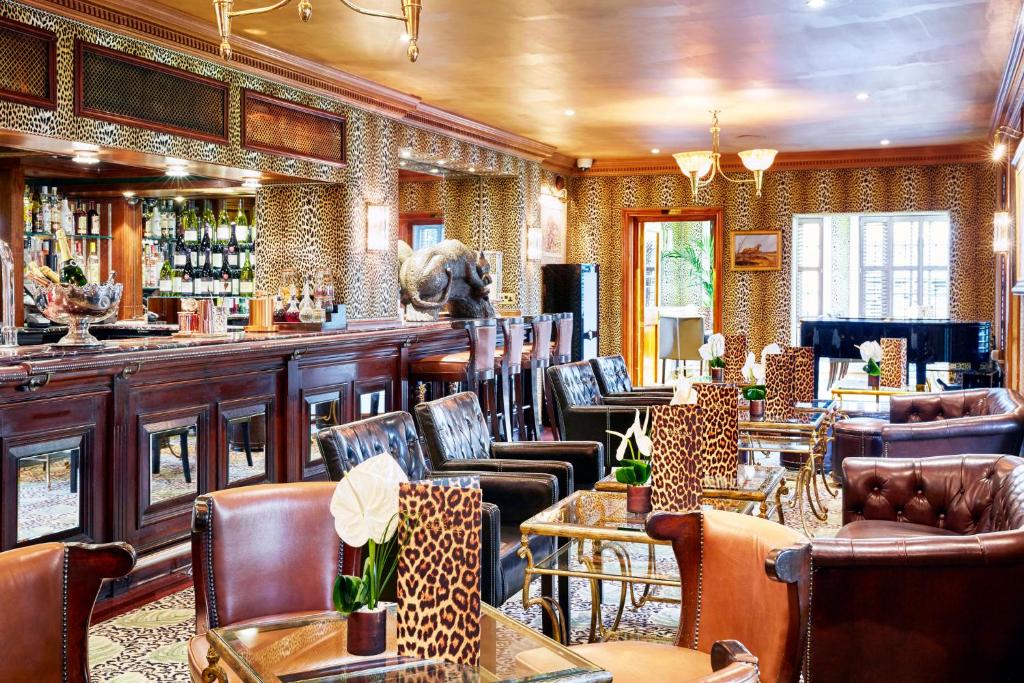
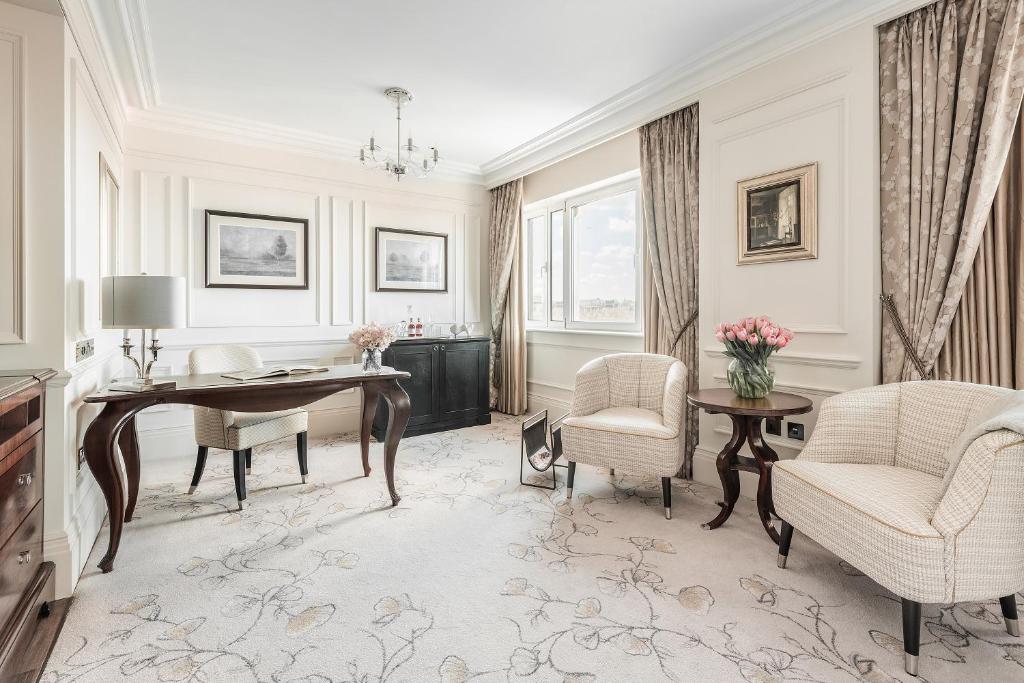
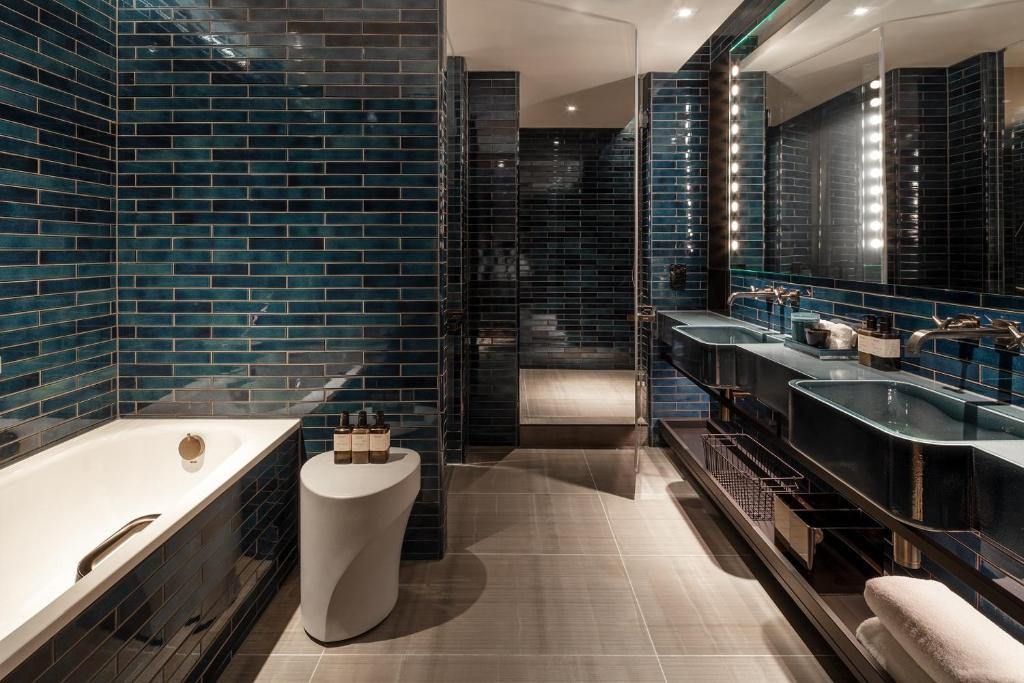
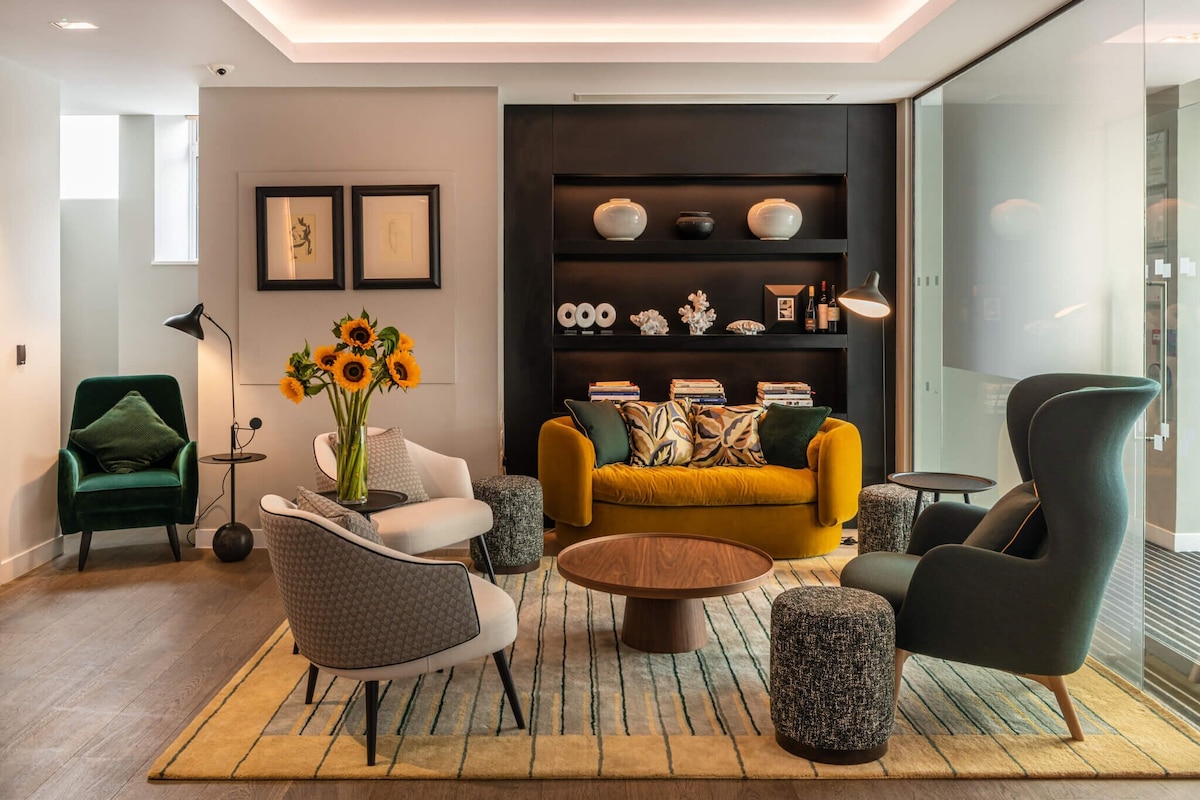
Melbourne accommodations welcome you to a destination nicknamed “Garden City”.
Melbourne known for: museums, theaters, historic prisons, art galleries, shopping areas, salons, produce markets, beaches, parks, gardens, reserves, street art, sporting events, nightlife, business district
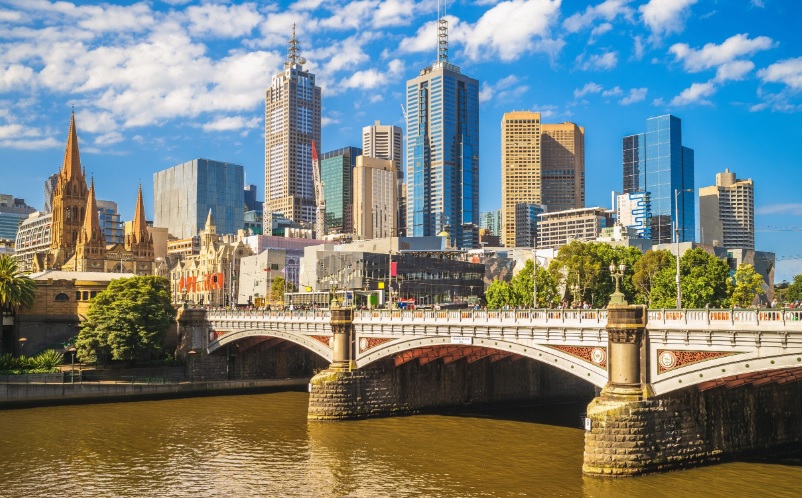
Melbourne is located in southeastern Australia, about half-way between Adelaide and Sydney in a bow-line shape. Southward across the Bass Strait, the island of Tasmania is about 300 miles from Melbourne. Brown in coloration due to clay deposits, the Yarra River flows through central Melbourne near the Docklands area. The Yarra River’s characteristic zig-zag course is sourced by the Upper Yarra Reservoir.
Melbourne’s professional football clubs are Melbourne City FC and Melbourne Victory FC (central Melbourne – AAMI Park) A semi-professional club, South Melbourne FC has recorded the most competitive honors of all Australian clubs. After 14 years in the Super Rugby Pacific competition, the Melbourne Rebels sadly will no longer be participating as of the 2025 season. The Melbourne Stars (cricket) play at Melbourne Cricket Ground, or “The ‘G”, which is the Southern Hemisphere’s largest stadium (100,024 capacity). When in Melbourne, keep in mind that it can get cool in the winter months. Tipping in restaurants generally is not customary unless service is exceptional, though of course is appreciated. While Melbourne generally is safe, one should nevertheless remain vigilant at night particularly in the Central Business District. Locals generally are friendly, but be sure not to block the tram exits. Melbourne’s currency is the Australian dollar, cars travel on the left-hand side and the drinking age is 18 years old. Melbourne accommodations are some of Australia’s best. Before we get to Melbourne accommodations, let’s take a look at some more background information on the area to help you along the way.
For 40,000 years Aboriginal Australians are thought to have lived in the Melbourne area. In October 1803, Colonel David Collins established Victoria’s first British settlement, located at Sullivan Bay near Sorrento, which was part of New South Wales’ penal colony. Due to a perceived lack of resources, the settlers moved to Van Diemen’s Land, or Tasmania, where they founded the city of Hobart. Australian grazer, entrepreneur and explorer, and a Port Phillip Association member in Van Diemen’s Land, John Batman explored the Melbourne area in May and early-June of 1835. The June 6, 1835 Batmans Geelong deed resulted in John Batman’s purchasing of 600,000 acres of land near the Yarra River’s northern bank, where he intended to establish a village. Batman returned to Van Diemen’s Land following execution of the deed. Two months after Batman’s deed was signed, another group of settlers from Van Diemen’s Land arrived in the Melbourne area. A month after the second group of settlers’ arrival, Batman returned to the Melbourne area, and the two groups agreed to share the settlement, known in the native language as Dootigala. New South Wales’ Governor Sir Richard Bourke annulled Batman’s deed, and in 1836 Bourke declared the city the Port Phillip District of New South Wales’ administrative capital. A year later, the Hoddle Grid (street grid) was laid out. For a brief time the settlement was known as Batmania. Bourke renamed the city Melbourne on April 10, 1837 in honor of British Prime Minister, William Lamb, 2nd Viscount Melbourne. The first general post office, located on the corner of Elizabeth and Bourke streets, opened in Melbourne’s first year. On June 25, 1847, Queen Victoria’s Letters patent (a monarch’s published written order) declared Melbourne a city, thus effectively making it a corporation. The Port Phillip District, becoming the Colony of Victoria with Melbourne as its capital, separated from New South Wales on July 1, 1851. In mid-1851, gold was discovered in Victoria. The ensuing gold rush naturally resulted in rapid growth for Melbourne, the colony’s major port. Slums, such as Chinatown and a tent city on the Yarra River’s southern bank, developed as a result of an influx of European and Chinese migrants. Political changes occurred following the Eureka Rebellion. Many of Melbourne’s most significant buildings were constructed during the 1850s and 60s, a time when the inner suburbs were also laid out. In 1853, the Melbourne Cricket Ground opened. Although the gold rush had subsided by 1860, Melbourne continued to mine gold and also export wool. By 1865, Melbourne overtook Sydney as Australia’s most populous city. During the 1880s, a land boom occurred. A high-pressure piped water system, established by the Melbourne Hydraulic Power Company circa 1886, allowed for hydraulically powered elevators and the construction of the city’s first high-rise buildings. In the late-1880s, boosterism, or the deceptive promoting of a city, led to a bursting of local financial and property industry bubbles, and a severe economic depression ensued. Banks and building societies collapsed, and limited companies went into liquidation. A depression in the early-1890s, followed by a banking crisis in 1893, stymied new construction until the late-1890s. On January 1, 1901, Australia’s six British self-governing colonies united to form the Commonwealth of Australia, known as the Federation of Australia. For about 25 years, Melbourne became the seat of the federation’s government, with the first federal parliament convening at the Royal Exhibition Building on May 9, 1901. During the Second World War, Melbourne hosted American military forces, who were fighting the Empire of Japan, at Melbourne Cricket Ground. Following World War II, post-war immigration boosted Melbourne and the “Paris End” of Collins Street saw to the opening of boutique shops and open-air cafes. In 1958, height limits in the Central Business District were lifted, and skyscrapers were introduced. History coming full-circle, financial and mining booms occurred around the turn of the 1970s, followed by economic decline at the turn of the 1990s. In 2018, Melbourne achieved Alpha-city status. During the COVID-19 pandemic, Melbourne was Australia’s worst-affected major city, as a consequence of six lockdowns totaling 262 days.
Nestled inside the horsehead-shaped, enclosed bay of Port Phillip, Melbourne is home to around 5 million “Melburnians”. The Australian state of Victoria’s capital and most populous city, Melbourne has been named one of the world’s most livable cities, and also one of the top-5 safest. Nearly 12 million tourists and travelers per year visit Garden City. Melbourne’s oldest area is known as the Hoddle Grid, laid out in 1837, where today stands the CBD, or Central Business District. 77 skyscrapers, measuring at least 490 feet tall, create the city’s skyline. Melbourne became one of the world’s premier Victorian-era cities as a result of an 1850s gold rush. Many great examples of Victorian architecture can be found to this day in the city’s inner suburbs. In 2004, Melbourne’s Royal Exhibition Building became Australia’s first UNESCO World Heritage building. The area’s wildlife includes kangaroos, emus, echidnas (spiny anteater), crimson rosellas (red bird), wallabies and wedge-tailed eagles. Melbourne summers are warm-to-hot while its winters are cool-to-mild. Summer highs average in the upper 70s degrees Fahrenheit, whereas winters remain in the high 50s. As it is located between hot inland areas and the cool southern ocean, Melbourne’s weather can be unpredictable at times. An abrupt wind change, unique to the area, is known colloquially as a “southerly buster”. Spring and summer cold fronts can bring gales, thunderstorms and hail. Additional points of interest include Federation Square, St Patrick’s Cathedral, Shrine of Remembrance, Kings Domain, Parliament House, East End Theatre District, Princess Theatre, Regent Theatre, Comedy Theatre, Forum Melbourne, Athenaeum Theatre, Her Majesty’s Theatre, Arts Centre Melbourne, Melbourne Recital Centre, Southbank Theatre, Palais Theatre, Wheeler Centre, University of Melbourne, Melbourne Central, Coop’s Shot Tower, Eureka Tower (Melbourne Skydeck), Flinders Street Station, Southern Cross Station, Chinatown, Princes Bridge, Bolte Bridge. Local foods include lamb roast, meat pie, chicken parma, spag bol (spaghetti Bolognese), salt and pepper calamari, barramundi (fish – smooth/buttery/sweet flavor), pippies in XO (clams in sauce made from dried seafood), dim sim, banh mi (Vietnamese bread), Anzac biscuits, gozleme (Turkish flatbread and pastry dish), fairy bread (a children’s food – bread with sprinkles), Tim Tam (biscuit candy) and hot jam doughnuts. Interestingly, rum was one of Australia’s first forms of payment for goods, while today wine, beer, craft beer, martinis, margaritas, mojitos, Pina coladas, Negroni, various other cocktails and coffee are among Melbourne’s favorite drinks. With a little background information on the area, we’re ready for Melbourne accommodations that will help make for an exciting trip down under.
Hotel amenities: restaurant, bar, à la carte, continental or vegetarian breakfast, fitness center, air conditioning, free Wi-Fi, flat-screen TVs, coffee machines, mini-bars, safety deposit boxes, desks, 24-hour front desk, private parking
Nearby restaurants / pubs:Kazuki’s Restaurant (fine dining restaurant), Da Guido La Pasta (Italian restaurant), Lord Lygon (restaurant), Epocha Restaurant (European restaurant), Kantin (Indonesian restaurant), Osha Thai Carlton (Thai restaurant), Panda Hot Pot (hot pot restaurant), Hi Chong Qing (Chinese noodle restaurant), Torissong (Syokudo and Teishoku restaurant), Fattie Prince (Middle Eastern restaurant), THE CURTIN (pub), The Lincoln (pub)
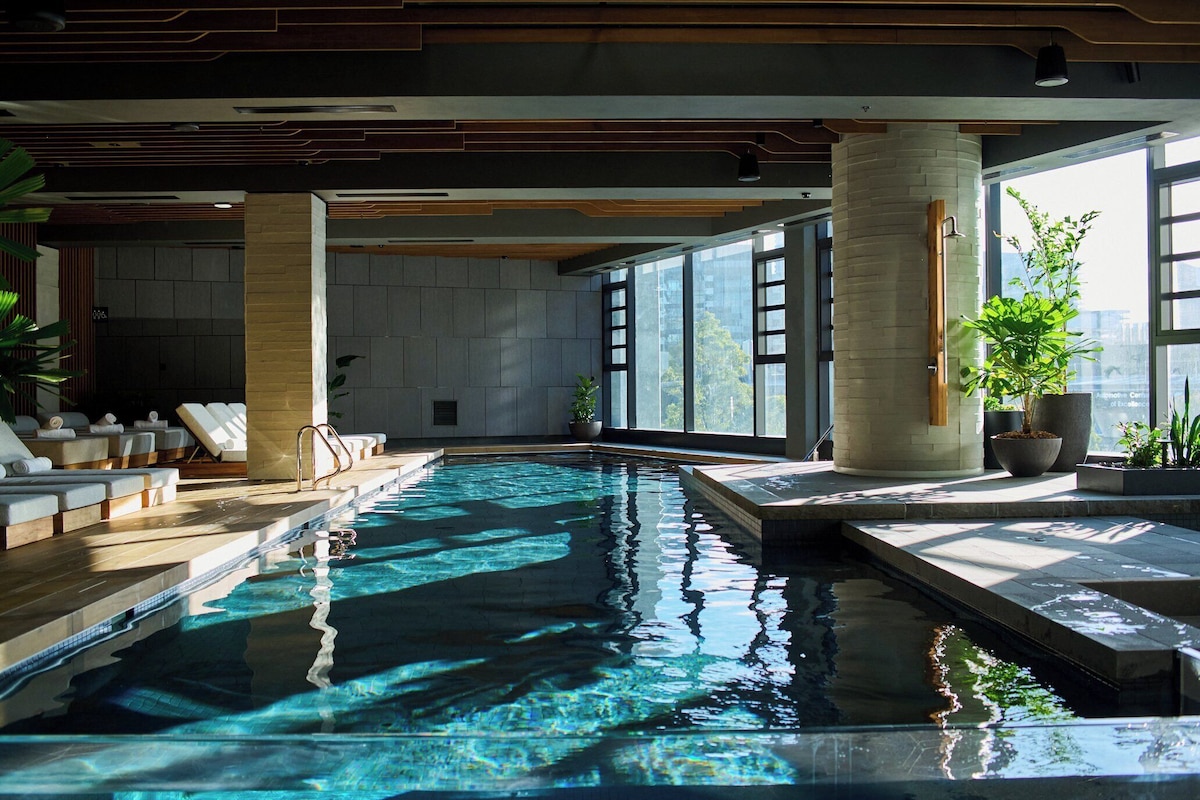
Hotel amenities: restaurant, à la carte breakfast, indoor pool, hot tub, fitness center, air conditioning, free Wi-Fi, flat-screen TVs, safety deposit boxes, hairdryers, Arabic, Mandarin, Greek and English-speaking front desk staff, currency exchange, concierge service
Marvel Stadium | Melbourne Convention and Exhibition Centre
Hotel amenities: restaurant, bar, breakfast (surcharge), garden, indoor pool, spa, sauna, steam room, hot tub, gym, free Wi-Fi, 24-hour front desk, concierge services, bellhop, luggage storage, laundry facilities, meeting rooms, conference center, electric vehicle charging point, parking
St Kilda Road | Shrine of Remembrance | Royal Botanic Gardens | Albert Park Lake
Hotel amenities: restaurant, bar, outdoor furniture, lobby fireplace, gym, air conditioning, free Wi-Fi, 24-hour front desk, concierge services, bellhop, luggage storage, laundry facilities, business center, conference center, parking
So there they are, Melbourne accommodations that will help make for an excellent trip. We hope you have found this information valuable and most of all, that you enjoy your time in Australia!
London accommodations invite you to a destination nicknamed “The Big Smoke”.
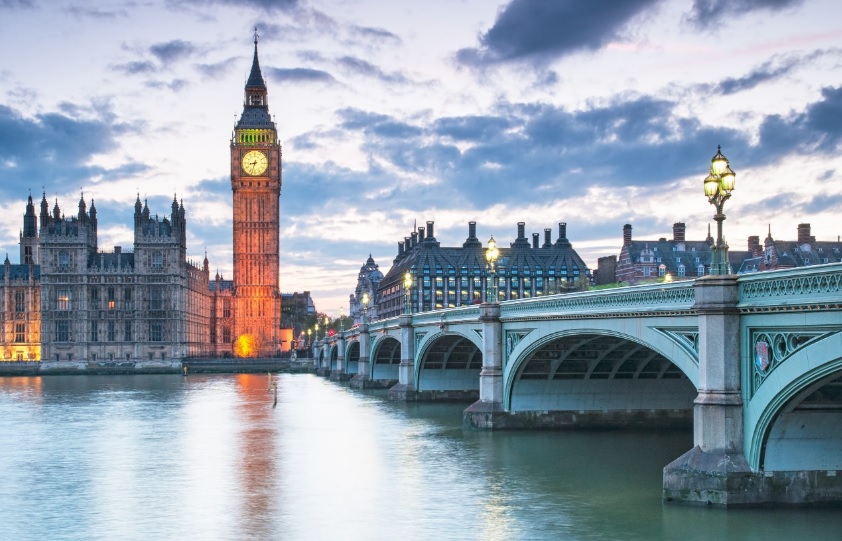
London known for: iconic clocktower / bridge, palaces, towers, country houses, churches, abbeys, museums, art galleries, theaters, concert halls, event venues, markets, shopping areas, parks, gardens, ancient forests, squares, bridges, stadiums / arenas, golf courses, tea houses, pubs, red buses, black cabs
The Greater London area is located in southeastern England, about 120 miles southeast of Birmingham and 80 miles northwest of Dover. Greater London spans 611 square miles. Flowing through London, the 215-mile long River Thames (England’s longest river) rises in Gloucestershire’s Cotswold Hills at Thames Head and empties into the North Sea.
When driving in London, try to stay out of yellow boxes (road markings – yellow crisscross grid of diagonal lines painted on the road surface) as well as bus lanes (may result in fine(s)). Honking is known to occur at yellow boxes, though in this case it’s better to be more mindful of the boxes than of the honkers. London cyclists & pedestrians are famously not shy of vehicular traffic, so always be extra alert when driving in the city.
Rapid transit system:London Underground (world’s oldest subway system – aka “the Underground” / “the Tube”)
Good to know in London is that places such as Oxford Street and Leicester Square can get crowded at times. Most museums are free and are least-busy on weekdays or nights. At least a day or two of exploring on foot is advisable, so it might be best to pack sneakers. Also recommended at least once is a ride on the second deck of a bus through your favorite spot. A good navigational app to use in London is citymapper. On underground subway escalators, make sure to stand to the right. A tourist might spend about £150 per day in London on average. London accommodations are some of the United Kingdom’s best. Before we get to London accommodations, let’s take a look at some more background information on the area to help you along the way.
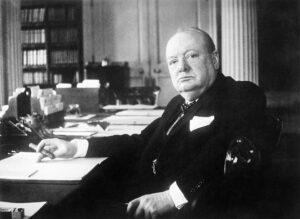
Winston Churchill – Downing Street, London – 1940
Discovered upstream from Vauxhall Bridge in 1993, timber from a Bronze Age bridge has been radiocarbon dated to somewhere between 1750–1285 BC. Meanwhile, downstream from Vauxhill Bridge, the foundation of a large timber structure dating to 4800-4500 BC was unearthed in 2010. Roman London became the area’s first major settlement in 47 AD following a Roman invasion four years prior. In 61 AD, Queen Boudica of the Iceni tribe stormed the Roman settlement and razed it to the ground. However, the Roman’s retook and rebuilt the area, with Londinium becoming the Roman province of Britannia’s principal city by 100 AD. Roman rule collapsed in the early 5th century, when the walled city of Londinium became abandoned. Known as Lundenwic, an Anglo-Saxon settlement developed just west of the old Roman city around 500 AD. Viking attacks, beginning in 851 AD, brought decline in what had again become a relatively major port. Around this time, London fell under Danelaw. Laws of the Danes presided, with the Danish warlord Guthrum ruling over East Angles from London to Chester. Danelaw was agreed upon between Guthrum and the West Saxon king Alfred the Great. Alfred retook London from the Vikings circa 886, as recorded by the Anglo-Saxon Chronicle. This “rebuilding” of Londinium saw to Lundenwic’s abandonment, and the revival of life and trade within the old Roman walls. Westminster Abbey was founded in 959 AD as a monastery dedicated to Saint Peter. William the Conquerer, in 1066 after winning the Battle of Hastings, was crowned King of England. Thereafter, William went on to build the Tower of London. In the mid-14th century, The Black Death brought carnage to nearly a third of the city. The 1361 Peasants’ Revolt resulted in the sacking of the Tower of London, mass execution of royal officials, charters being granted to rebel towns, and a subsequent rebel suppression / execution of rebel leaders. Prior to being expelled by Edward I (Edward Longshanks) in 1290, England’s Jewish population had been centered in London. A gradual shift to Protestantism occurred during the Tudor “Reformation” period, at which time much of London property passed from church to private ownership. With The Royal Exchange‘s founding in the 16th century, monopoly traders such as the East India Company expanded trade to the New World. In 1599 during the period of English Renaissance theatre, Richard and Cuthbert Burbage built the Globe Theatre, in which the Lord Chamberlain’s Men were rehoused, and William Shakespeare wrote many of his most famous plays. The 5th of November, 1605 Gunpowder Plot was an unsuccessful regicide attempt against King James I by a group of English Catholics, including the popularized Guy Fawkes. Eight plotters were sentenced to hanging and drawn and quartering. Beginning in August 1642, the English Civil War between Parliamentarians and Royalists resulted in a Parliamentarian victory, the execution of Charles I and the establishment of the Commonwealth of England. Tragic events occurred during the 17th century by way of the Great Plague and Great Fire of London. The Bow Street Runners, London’s first professional police force, was established in 1750 to fight rampant crime. Starting with George II in 1762, Buckingham House grew over the next 75 years into Buckingham Palace. In the early-19th century, Fleet Street became a center of the British press, around which time the Royal Navy became the world’s leading war fleet. Urbanization occurred during the Industrial Revolution. Teashops were founded on “High Streets” during the early-20th century. During the First and Second World Wars, London was bombed by the Germans via Blitzkriegs, or “lightning war”. Wembley Stadium hosted the 1948 Olympics. From the 1970s into the 1990s, bomb attacks occurred in London as a consequence of The Troubles in Northern Ireland.
The United Kingdom’s capital and largest city, London today is home to nearly 9 million “Londoners”. London’s most affluent neighborhoods include Kensington and Chelsea. The West End is a place to find entertainment and shopping areas. London boasts multiple Christmas markets at locations to include Hyde Park, Covent Garden and Southbank Centre. 42 of the city’s skyscrapers exceed 492 feet in height, with The Shard rising highest at 1,016 feet. A top European destination, London operates one of the world’s busiest airport systems. Heathrow Airport alone handles around 84 million passengers annually, while The Big Smoke itself accommodates around 20 million people per year. Over 300 languages are spoken in London. Defined by a temperate oceanic climate, London experiences warm / hot summers and cool winters. July summer high temperatures average around 75 °F, while January winter highs average about 46 °F. Rain falls roughly 33% of the year, with October typically being the rainiest month. Although heavy snow is rare, snowfall does occur during winter. Additional points of interest include Piccadilly Circus (road junction / public space – digital billboards, theaters, restaurants, shopping), St Margaret’s Westminster, Canary Wharf, London Stock Exchange, London St Pancras International, Victoria Coach Station, University of London, Imperial College London, London School of Economics, King’s College London, Royal Central School of Speech and Drama, Royal Observatory, Greenwich, Harrods, Sherlock Holmes Museum, Odeon Cinema and Abbey Road Studios. Local foods include fish and chips, bangers and mash, English breakfast, Sunday roast, chicken tikka masala, roast duck, scones, crumpets and sticky puddling. Popular drinks are gin and tonic, beer and tea. With some background information on the area, we’re ready for London accommodations that will help make for an unforgettable experience.
Nearby misc.: Zamarut – Speciality Coffee (coffee shop), The Pilates Klinik (Pilates studio), bar bar co (barber shop), St Botolph’s Church Hall (event venue), St Botolph-without-Bishopsgate (place of worship), Saint Botolph-without-Bishopsgate Gardens (garden)
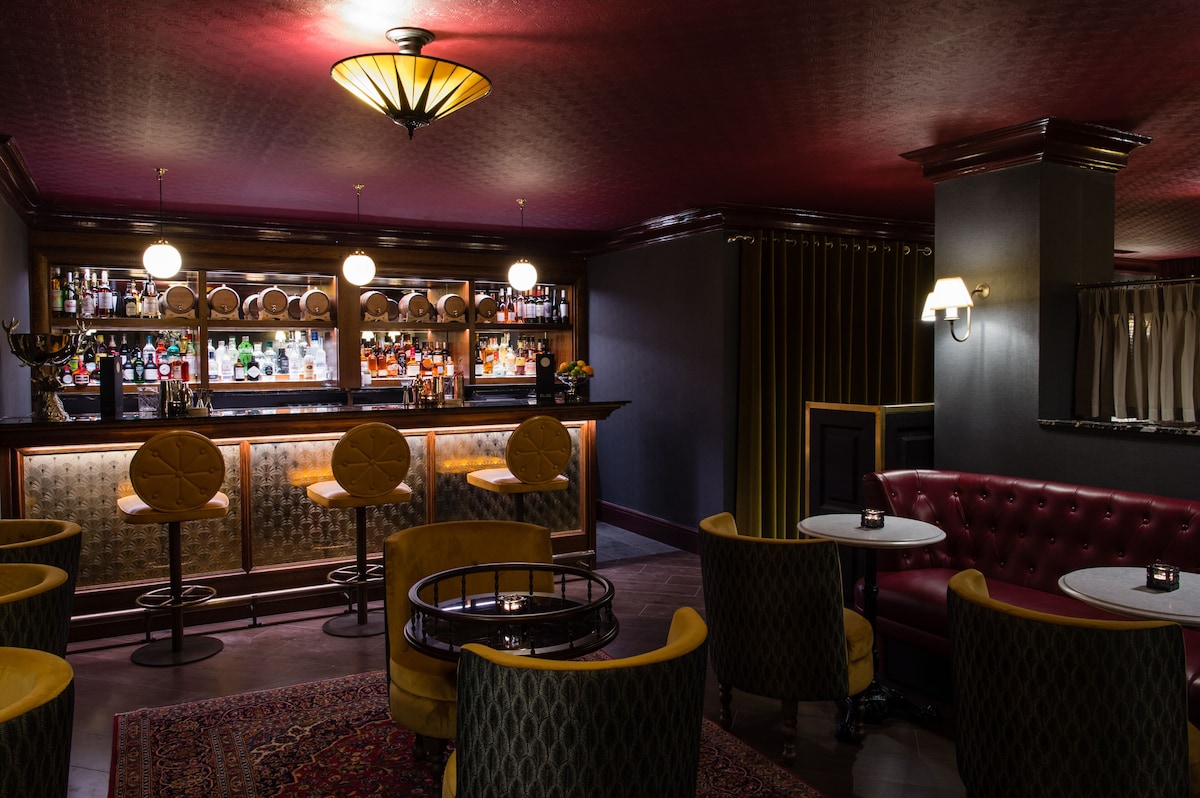
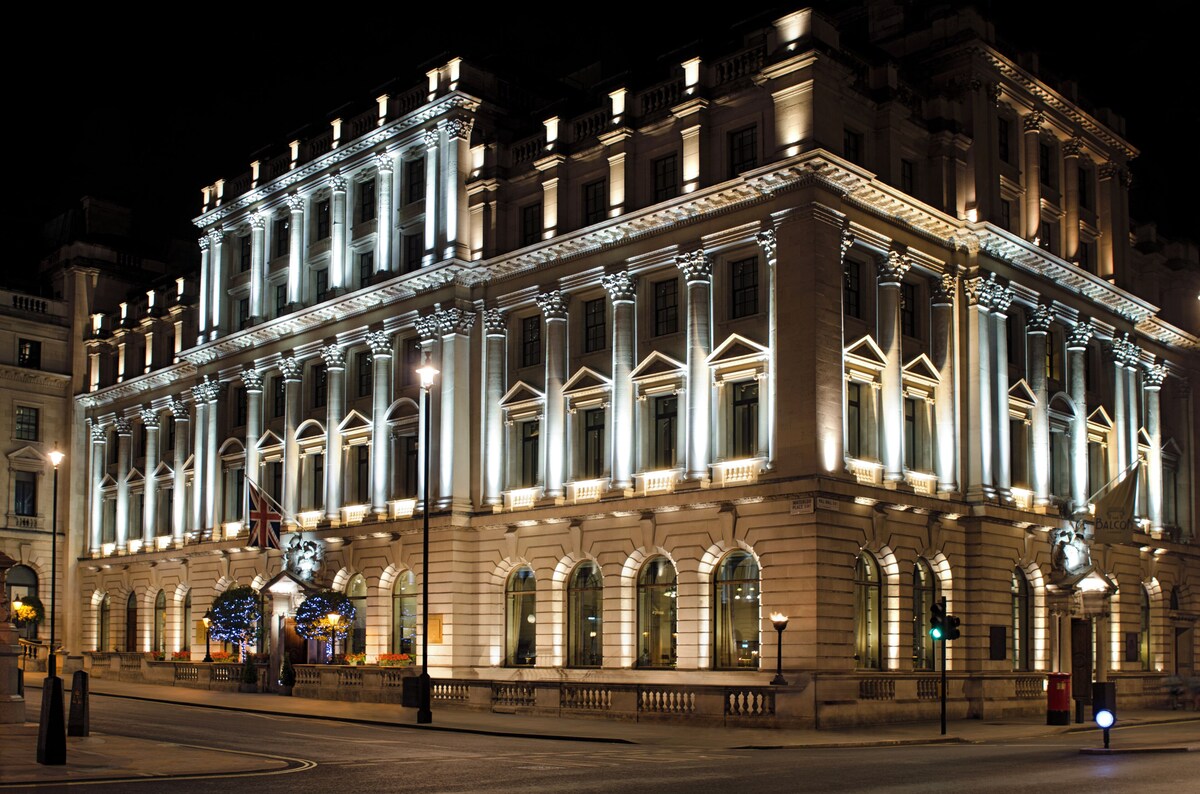
Nearby misc.:Guerlain Spa at Raffles London (spa and health club), ESPA Life at Corinthia (day spa), One Whitehall Place (wedding venue), Great Scotland Yard (notable street), The Civil Service Club (club), Old War Office Building (Churchill’s WWII headquarters), Whitehall Gardens (park), Trafalgar Theatre (performing arts theater), The Gurkha Soldier Statue (monument)
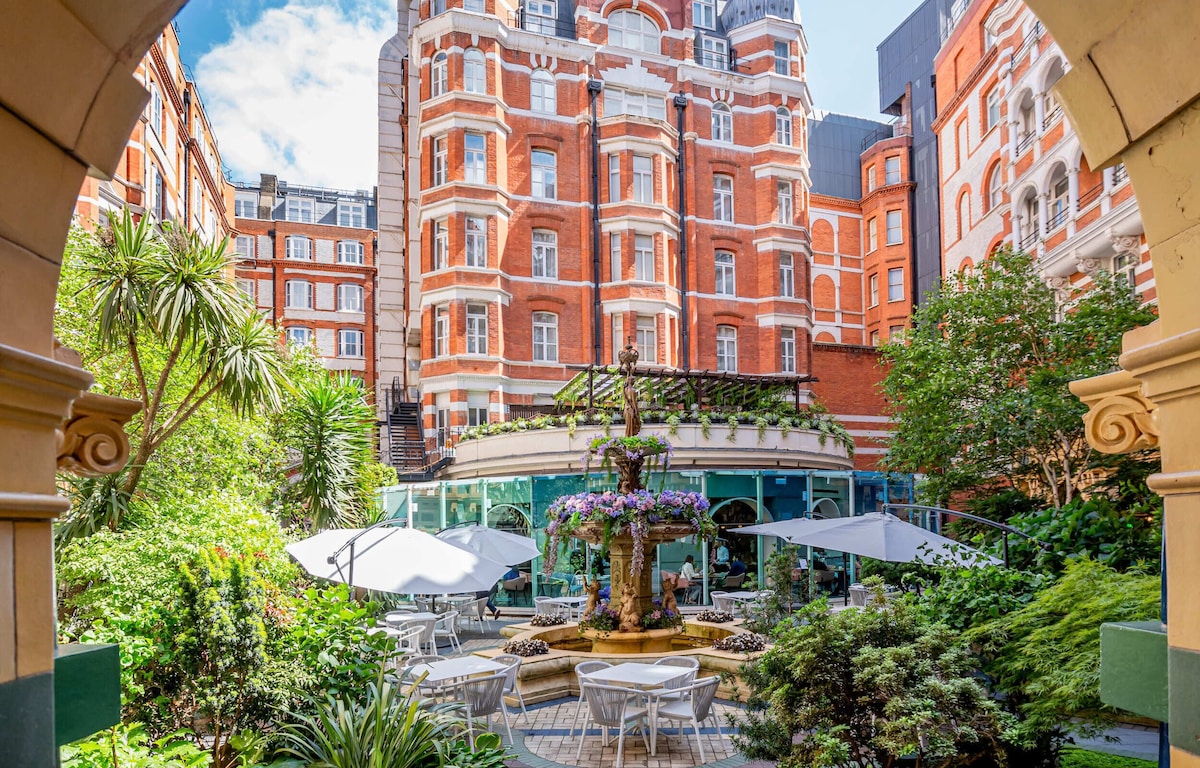
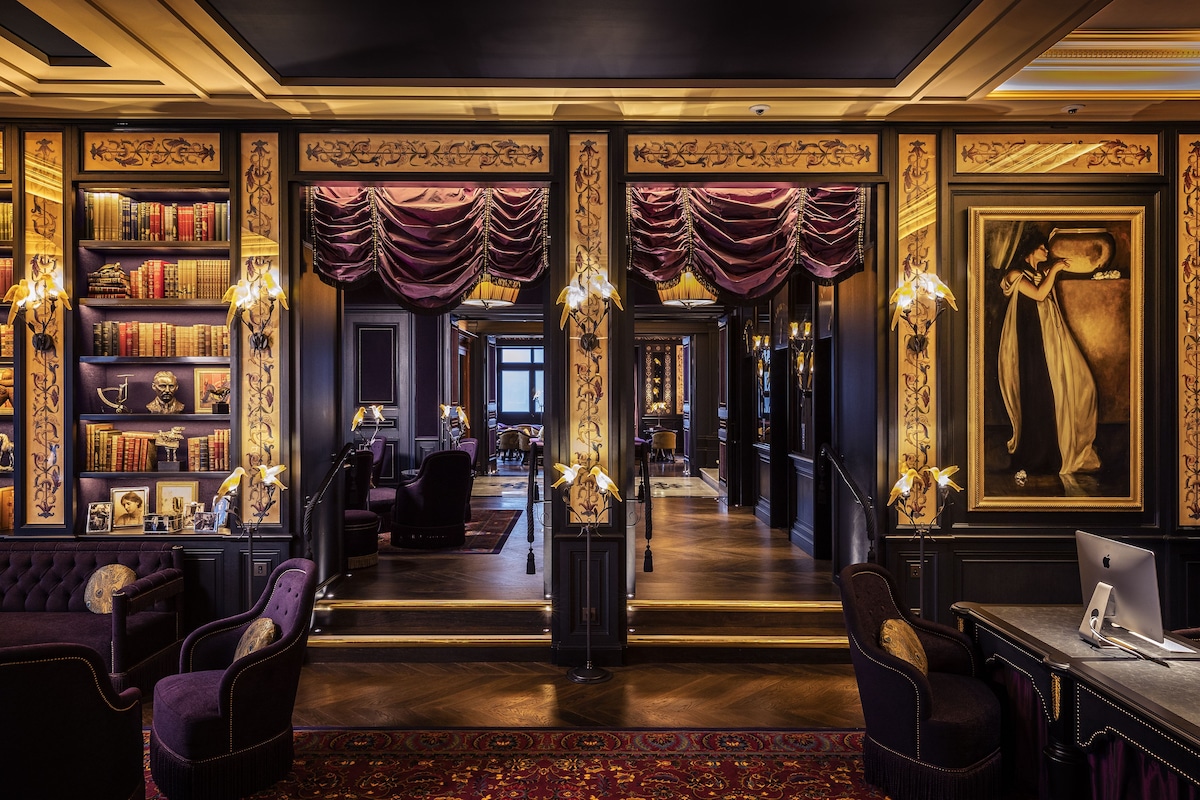
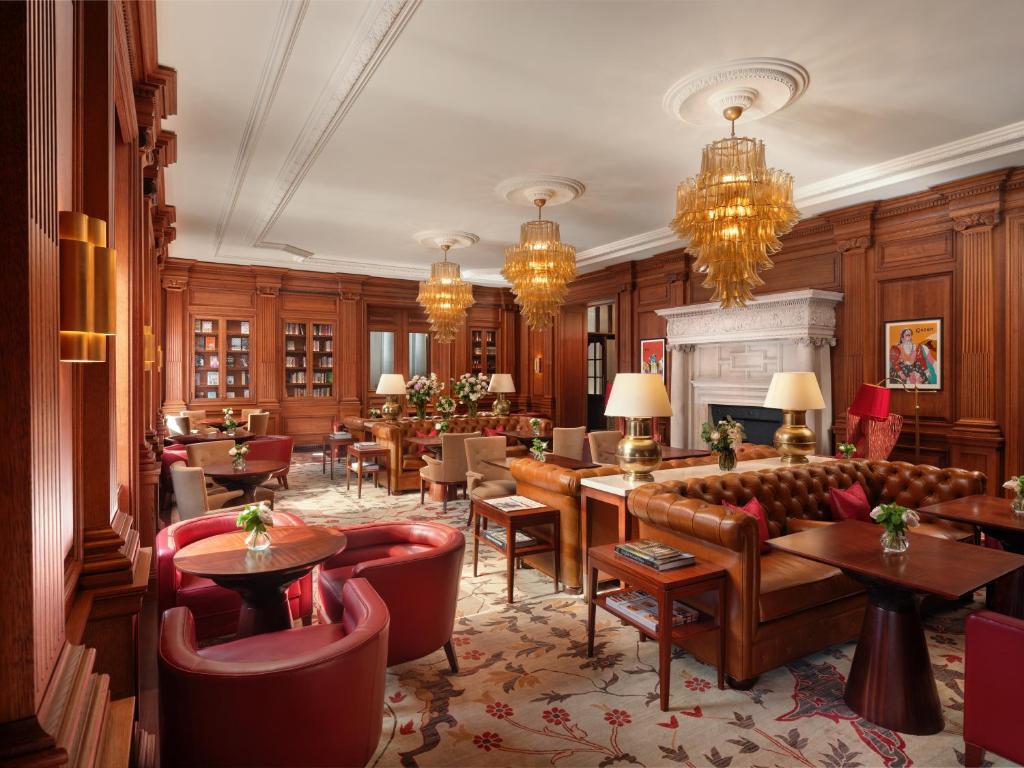
Hotel amenities: restaurant, bar, full breakfast (surcharge), library, lobby fireplace. spa, gym, air conditioning, free Wi-Fi, 24-hour front desk, concierge services, bellhop, luggage storage, laundry facilities, meeting rooms, conference space
Hotel amenities: multiple restaurants, bar, English breakfast (surcharge), terrace, garden, library, lobby fireplace, spa, sauna, steam room, gym, air conditioning, free Wi-Fi, 24-hour front desk, concierge services, bellhop, luggage storage, laundry facilities, business center, meeting rooms, conference center
Theatre Royal Haymarket | Her Majesty’s Theatre | Leicester Square | Regent Street
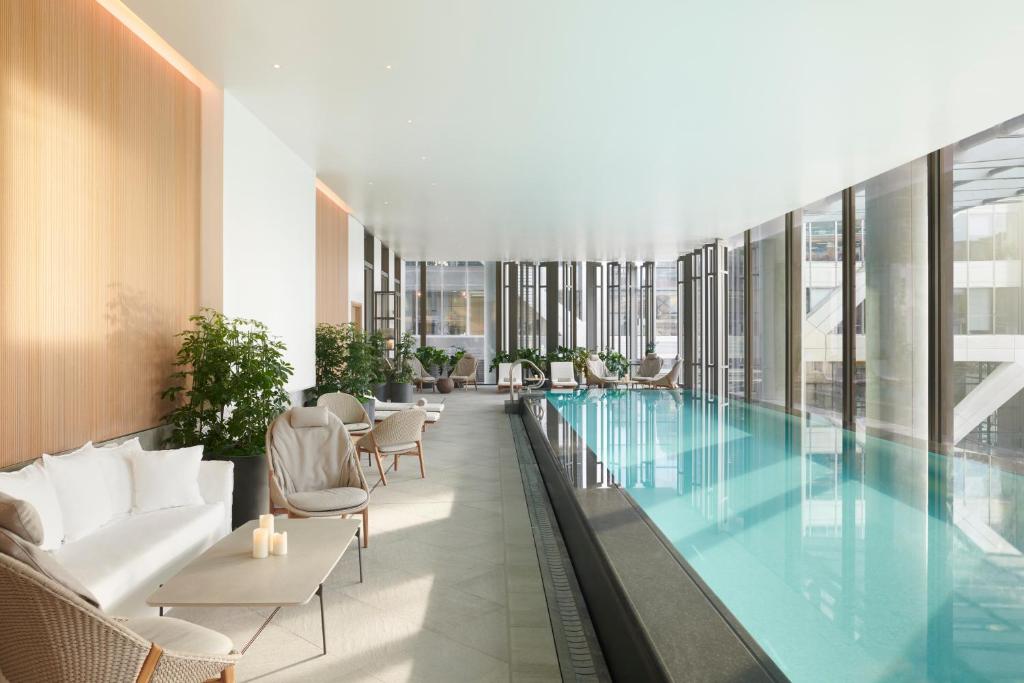
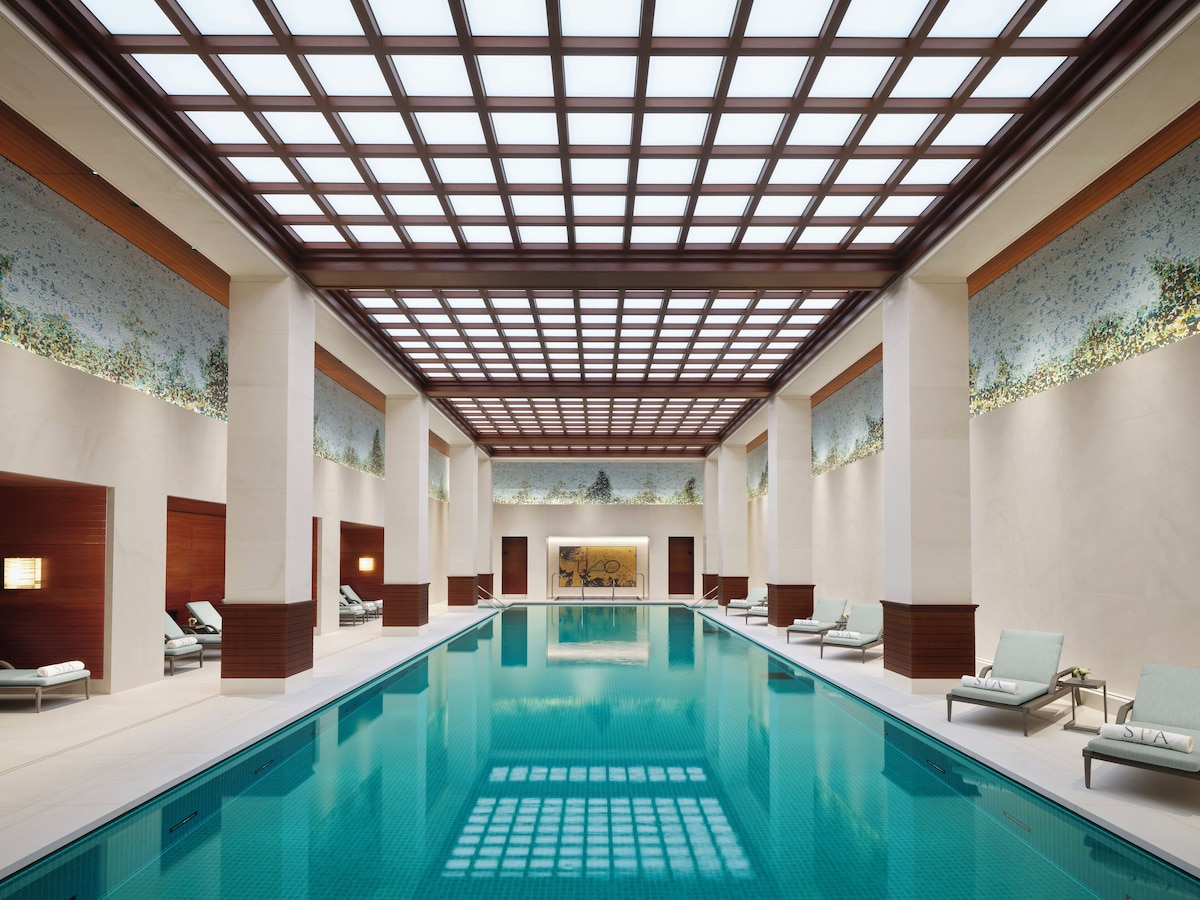
Hotel amenities: restaurant, bar, full breakfast (surcharge), indoor pool, library, spa, gym, air conditioning, free Wi-Fi, 24-hour front desk, concierge services, bellhop, luggage storage, laundry facilities, meeting rooms
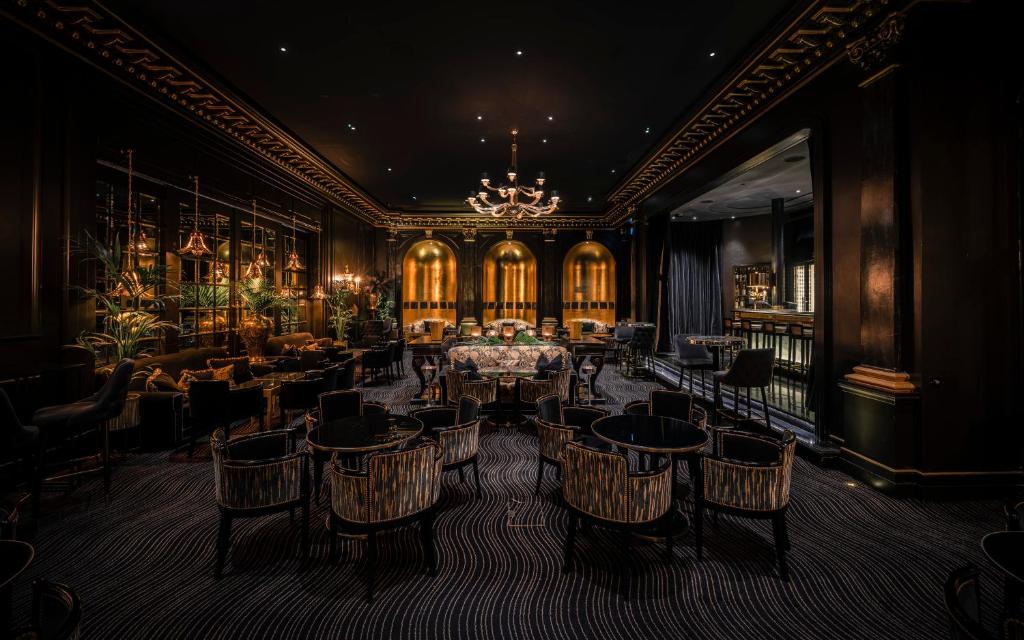
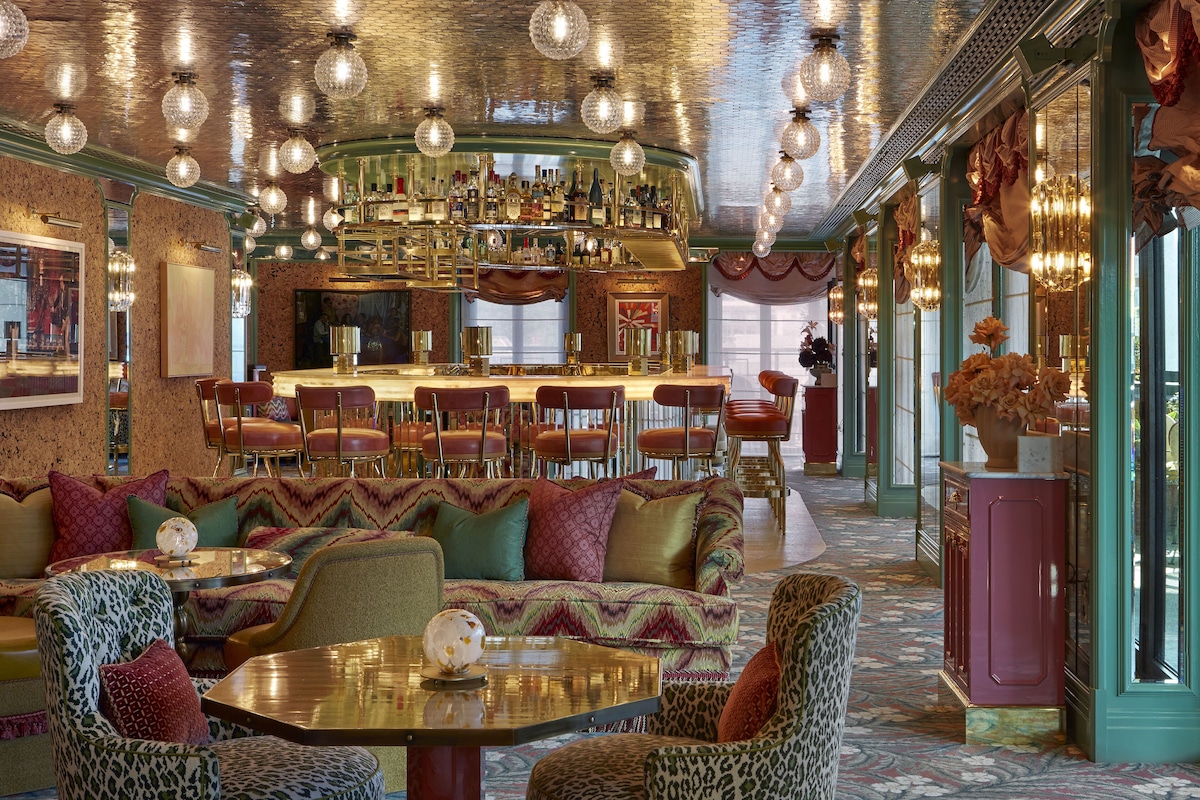
Hotel amenities: multiple restaurants, award-winning bar, 16-yard swimming pool, spa, treatment rooms, health club, sauna, steam room, gym, air conditioning, free Wi-Fi, flat-screen TVs
Nearby sculptures / statues: Mary Poppins Statue, Statue of William Shakespeare, Paddington Bear Statue, Charlie Chaplin Statue, Gene Kelly Statue, Mr. Bean Statue
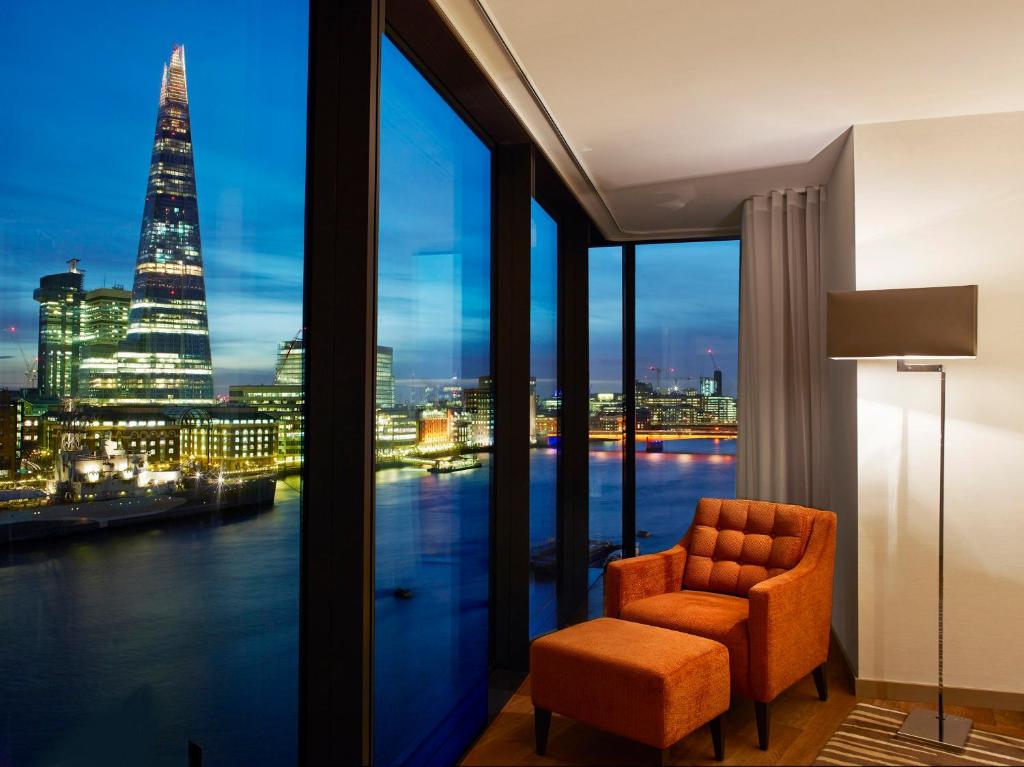
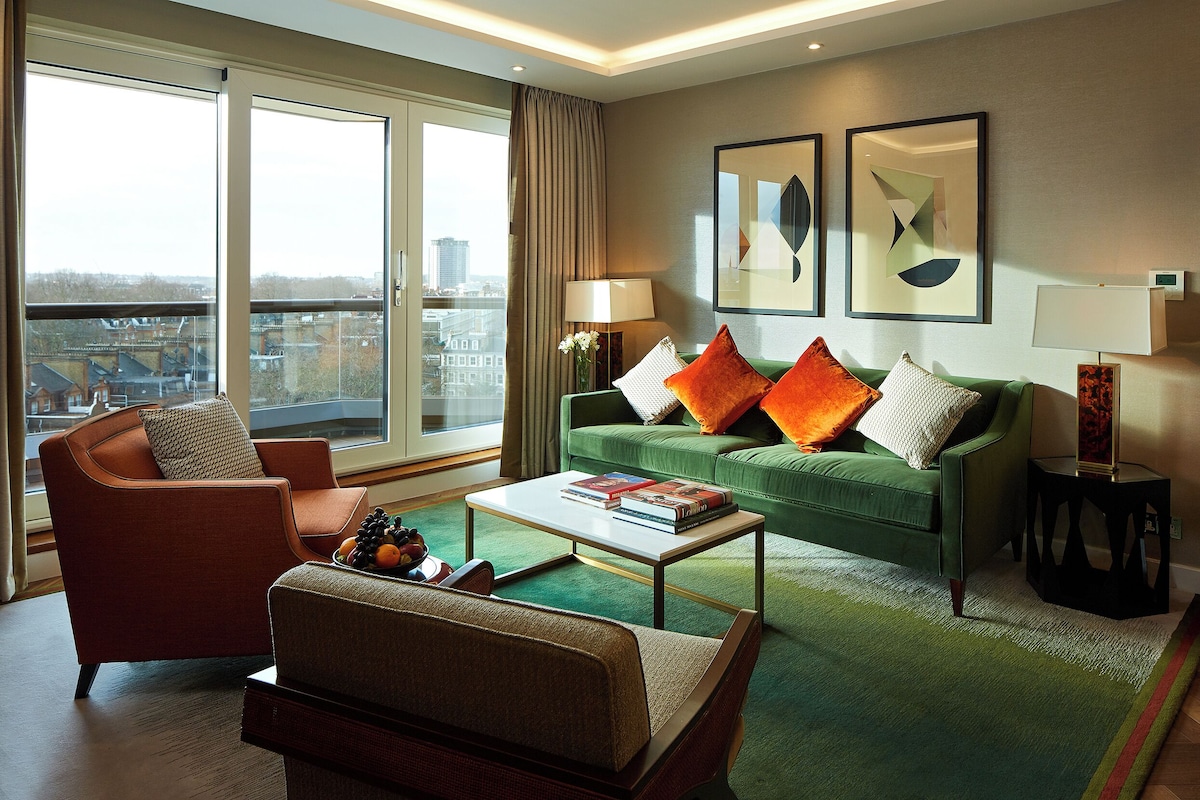
Hotel amenities:restaurant,bar, buffet / Full English breakfast, city views,air conditioning,free Wi-Fi, flat-screen TVs, kettles, desks,hairdryers, 24-hour front desk
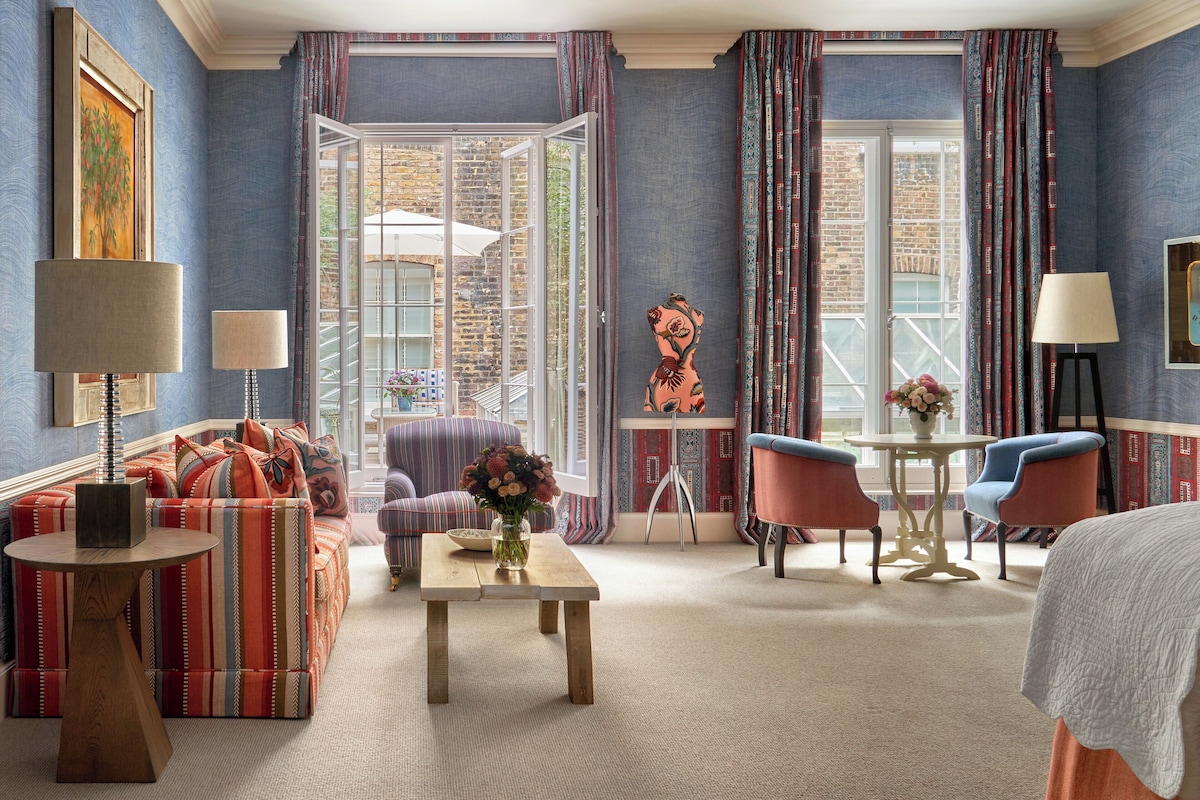
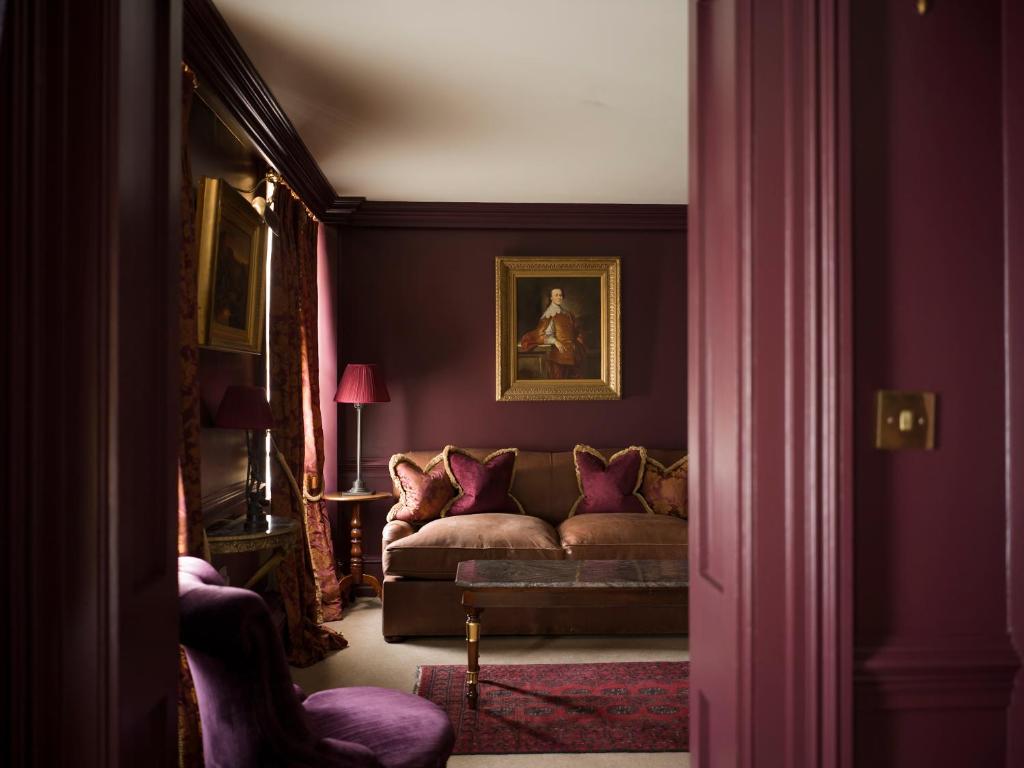
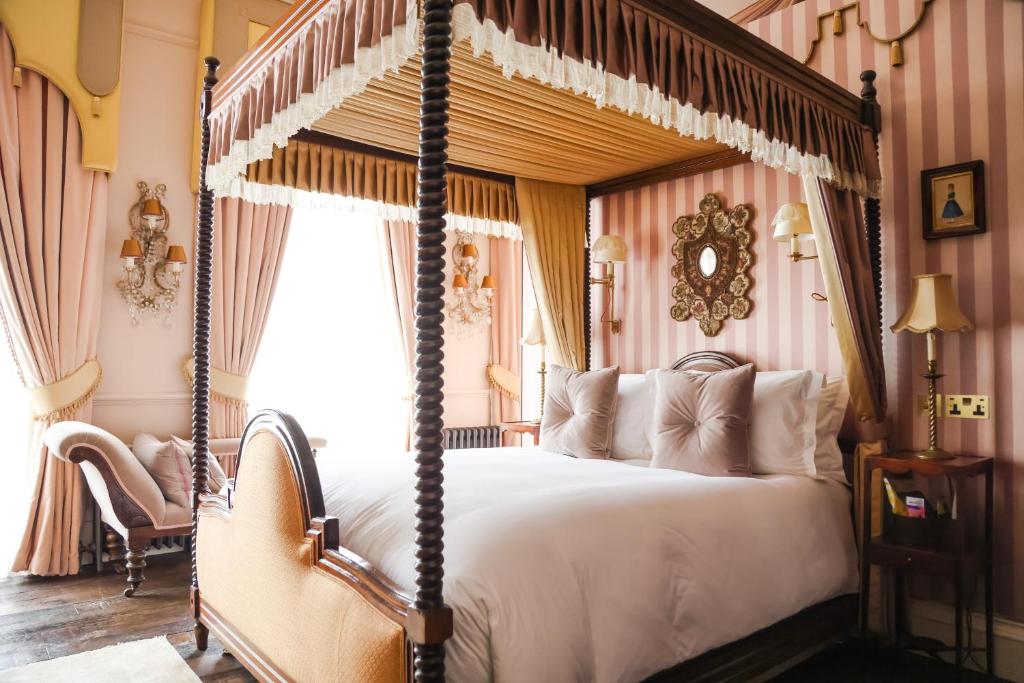
Hotel amenities:restaurant, resistance pool, spa,fitness center, antique furnishings,modern technology, air conditioning, flat-screen TVs, desks, mini-bars, hairdryers, complimentary treats,fresh flowers, fine fabrics, 24-hour front desk
Hotel amenities: restaurant, bar, garden views, spa, sauna, steam room, fitness center, art deco style, original artwork, antiques, free Wi-Fi, luxury bathrooms with black and white marble heated floors
Sicilian Ave | Bloomsbury Square | Lincoln’s Inn Fields
Hotel amenities: restaurant, bar, full breakfast (surcharge), terrace, gym, air conditioning, free Wi-Fi, 24-hour front desk, concierge services, luggage storage, laundry facilities, meeting rooms
Hotel amenities:bar,terrace, air conditioning,free Wi-Fi, flat-screen TVs,coffee machines,mini-bars,desks, safety deposit boxes, à la carte, continental or Full English/Irish breakfast, concierge service,bicycle rental service,shuttle service
Nearby misc.: The Garden Room at The Lanesborough, The Bath House (health spa), Bahar Babacan Beauty UK (beauty salon), Mr J Therapy (massage therapist), The Green Park, Royal Artillery Memorial (monument), Live At The Wellesley (event venue), Caledonian Club (social club)
Hotel amenities:restaurant, bar, buffet, à la carte or continental breakfast, city views, indoor pool, sauna, air conditioning, free Wi-Fi, flat-screen TVs, coffee machines, mini-bars, safety deposit boxes, Arabic, Mandarin, Danish and German-speaking front desk staff, private parking for an extra charge
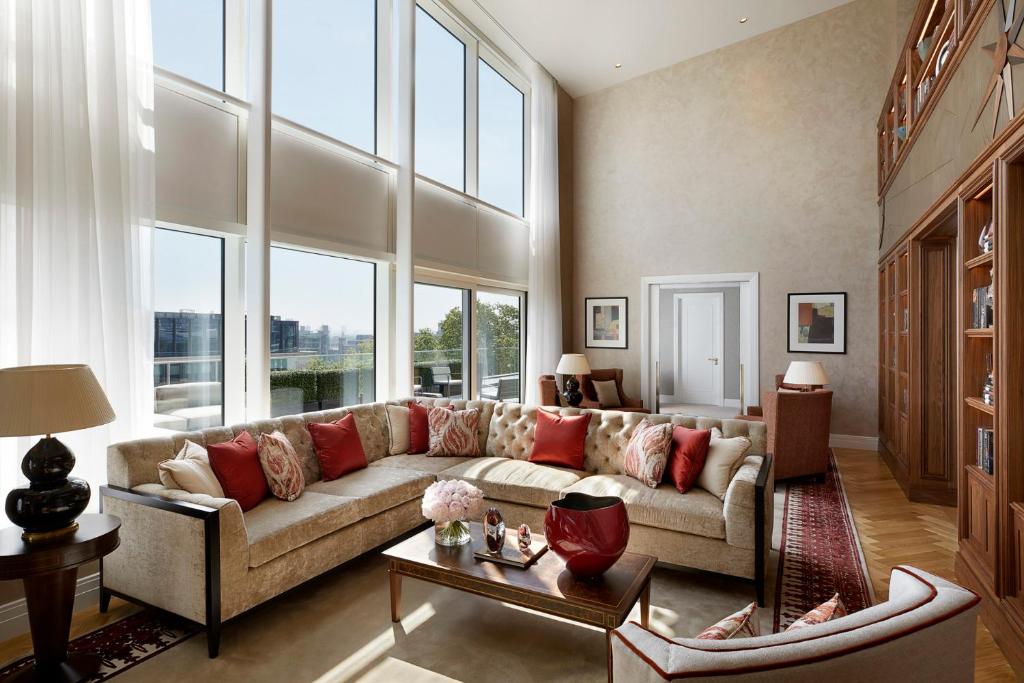
Hotel amenities: 2 restaurants (including a Michelin-starred), bar & lounge, spa, fitness center, 24-hour in-room dining, city views, flat-screen TVs, iPads,marble bathrooms
Hotel amenities:restaurant, bar,spa, fitness center,park views,19th-century style, modern amenities,air conditioning, free Wi-Fi, in-room tablets, tea / coffee making facilities, daily wake-up service, personal butler service
So there they are, London accommodations that will help make for an incredible trip. We hope you have found this information valuable and most importantly, that you enjoy your time in England!
London accommodations
We use cookies on our website to give you the most relevant experience by remembering your preferences and repeat visits. By clicking “Accept All”, you consent to the use of ALL the cookies. However, you may visit "Cookie Settings" to provide a controlled consent.
This website uses cookies to improve your experience while you navigate through the website. Out of these, the cookies that are categorized as necessary are stored on your browser as they are essential for the working of basic functionalities of the website. We also use third-party cookies that help us analyze and understand how you use this website. These cookies will be stored in your browser only with your consent. You also have the option to opt-out of these cookies. But opting out of some of these cookies may affect your browsing experience.
Necessary cookies are absolutely essential for the website to function properly. These cookies ensure basic functionalities and security features of the website, anonymously.
Cookie
Duration
Description
cookielawinfo-checkbox-analytics
11 months
This cookie is set by GDPR Cookie Consent plugin. The cookie is used to store the user consent for the cookies in the category "Analytics".
cookielawinfo-checkbox-functional
11 months
The cookie is set by GDPR cookie consent to record the user consent for the cookies in the category "Functional".
cookielawinfo-checkbox-necessary
11 months
This cookie is set by GDPR Cookie Consent plugin. The cookies is used to store the user consent for the cookies in the category "Necessary".
cookielawinfo-checkbox-others
11 months
This cookie is set by GDPR Cookie Consent plugin. The cookie is used to store the user consent for the cookies in the category "Other.
cookielawinfo-checkbox-performance
11 months
This cookie is set by GDPR Cookie Consent plugin. The cookie is used to store the user consent for the cookies in the category "Performance".
viewed_cookie_policy
11 months
The cookie is set by the GDPR Cookie Consent plugin and is used to store whether or not user has consented to the use of cookies. It does not store any personal data.
Functional cookies help to perform certain functionalities like sharing the content of the website on social media platforms, collect feedbacks, and other third-party features.
Performance cookies are used to understand and analyze the key performance indexes of the website which helps in delivering a better user experience for the visitors.
Analytical cookies are used to understand how visitors interact with the website. These cookies help provide information on metrics the number of visitors, bounce rate, traffic source, etc.
Advertisement cookies are used to provide visitors with relevant ads and marketing campaigns. These cookies track visitors across websites and collect information to provide customized ads.