Ottawa accommodations welcome you to a destination nicknamed “The City That Fun Forgot”. Known for its museums, art galleries, riverfront parks / beaches, waterfalls, hiking areas, Beaver Tails (fried dough), Canadian cheese, maple chocolate and hockey tradition, Ottawa is located at the Ottawa and Rideau Rivers’ confluence in southeastern Ontario. About 2 hours west of Montreal and 3.5 hours northwest of Burlington Vermont (driving), Ottawa’s iconic riverfront forms a natural border between the provinces of Ontario and Quebec. Ottawa is about midway between Quebec City (northeasterly) and Toronto (southwesterly).
Ottawa main attractions: Parliament Hill (neo-Gothic complex / Canada’s legislature – artworks, tours), CF Rideau Centre (shopping mall), ByWard Market (Beaver Tails origin, outdoor farmers market stalls, specialty food stalls, street art, retail / crafts stores, eateries), Canadian Museum of Nature, National Gallery of Canada (art gallery), Canadian War Museum, Canada Science and Technology Museum, Ottawa Train Yards (shopping mall), JOEY Rideau (restaurant), Canada Aviation and Space Museum, TD Place (stadium), Mooney’s Bay Park and Beach (riverfront park – beach swimming, playgrounds, sledding hill, family events / festivals), Notre Dame Cathedral Basilica (19th-century Catholic church), Hog’s Back Park (waterfalls, dam, hiking trails, green space, picnic areas), Diefenbunker: Canada’s Cold War Museum (massive underground bunker museum – exhibits, military artifacts, events), Britannia Park and Beach, Commissioners Park (lakeside park – paths, picnic areas, tulip festival), Canada Agriculture and Food Museum, Royal Canadian Mint (museum), Major’s Hill Park (city park – walking paths, seasonal events / gardens, river views), Mer Bleue Bog (boardwalk trail), Strathcona Park (riverfront park – seasonal splash pad, paths, benches, shade trees), Rockcliffe Park and the Rockeries, Ottawa Art Gallery, Remic Rapids Park (riverfront park – balanced rock sculptures), Fitzroy Provincial Park (wooded park – swimming beaches, boating, hiking trails, centennial trees, campgrounds), Stanley Park (riverside park), Chapman Mills Conservation Area (nature preserve), South March Highlands Conservation Forest (457-hectare nature preserve – hiking, mountain biking), Westboro Beach, Rink of Dreams (outdoor ice skating rink), Pinhey’s Point Historic Site (museum), Pine Grove Trail (hiking area), Eagle Creek Golf Club, Dewberry Trail (hiking area)
The Ottawa Senators play at Canadian Tire Centre on the southwest side. In Ottawa, English is widely spoken, though learning some French words and phrases might be helpful. Ottawa’s currency is the Canadian Dollar, cars travel on the right-hand side and the drinking age is 19 years old. Ottawa accommodations are some of eastern Canada’s best. Before we get to Ottawa accommodations, let’s take a look at some more background information on the area to help you along the way.
The word “Ottawa” derives from the Ottawa River, whose name itself comes from the Algonquin adawe, meaning “to trade”. Around 6,500 years ago, indigenous peoples settled in the Ottawa region after the Champlain Sea receded. As evidenced by archaeological findings (arrowheads, tools, pottery), the Algonquin likely engaged in hunting, fishing, foraging and trading. Thus, the area served as an important trade / travel center for thousands of years. During the 15th century, Europeans began settling and colonizing North America. Huron interpreter and guide Étienne Brûlé became the first known European to pass through the Ottawa-area on his way to the Great Lakes circa 1610. French explorer Samuel de Champlain, three years after Brûlé, passed through the area and wrote of its waterfalls and his encounters with the Algonquins. New England farmer, lumberman and entrepreneur Philemon Wright founded the area’s first non-Indigenous settlement, a lumber town (present-day Hull), on the river’s north side March 7, 1800. Wright’s Town became an agricultural town comprised of 6 families and 25 laborers. Pioneering the Ottawa Valley timber trade, which fueled the local economy, Wright transported timber via river from the Ottawa Valley to Quebec City. The British arrived in 1826 to construct the Rideau Canal and establish a community on the river’s south side. “Bytown” was named after British Lieutenant-Colonel John By, who oversaw the Rideau Canal’s construction. The Rideau Canal would help provide a secure route between Montreal and Kingston Ontario for supply ships, which were exposed to enemy fire near the border of New York during the War of 1812. Modern Parliament Hill was originally occupied by military barracks. Lieutenant-Colonel By also laid out a street grid and created the neighborhoods of Upper & Lower Towns. Upper Town was comprised of English-speaking Protestants, while Lower Town housed French / Irish Catholics. In 1827, ByWard Market was established. The Rideau Canal was completed in 1832, a year in which the area’s population had eclipsed 1,000. Arising from tensions amongst lumber operators, Shiners’ War (1835-1845) between Irish-Catholic immigrants and French Canadians led to Irish arrests. “King of the Shiners” Peter Aylen departed for Lower Canada near the conflict’s end, and the Shiners fizzled out. Evidenced by the 1849 Stony Monday Riot, Tories objected Bytown’s consideration as the Province of Canada’s capital. Nevertheless, Bytown was renamed and incorporated as Ottawa in 1855, and two years later became capital. Ottawa was chosen as capital due to its isolated location at the border between Canada West and Canada East. During the 1850s, lumber barons built some of the world’s largest sawmills in Ottawa. Parliament Hill, originally a limestone outcrop in primeval forest, was constructed between 1859 and 1876. Rail lines were built in 1854 and by 1885, Ottawa had become Canada’s only city with downtown street-lights powered entirely by electricity. The original Ottawa Senators ice hockey team, one of Canada’s first organized hockey clubs, existed from 1883 to 1954. Chaudière Falls hydroelectric generators started being utilized by local industrialists through “water leases” in 1889. In 1870, a horsecar transportation system began operating, but was replaced in the 1890s by an electric streetcar system, which ran until 1959. The 1900 Hull–Ottawa fire devastated much of Hull and Ottawa. Château Laurier hotel and Union Station opened alongside the Grand Trunk Railway on June 1, 1912. The city’s original Centre Block, destroyed by fire on February 3, 1916, was subsequently rebuilt in 1922, centered around Peace Tower. A former commercial district, Confederation Square was coronated by King George VI in 1939. The 1960 Greber Plan was implemented to make the National Capital Region more aesthetically pleasing, fit for a political scene. The 1960s-80s saw a large uptick in construction. Grant and Pam Hooker, founders of the legendary Beaver Tails pastry enterprise, opened their first store in Ottawa circa 1980. High tech was ushered into the city during the 1990s-2000s.
Canada’s capital, Ottawa today is home to over 1 million “Ottawans”. Ottawa is Canada’s fourth largest city, and naturally the country’s governmental center. Building height restrictions have kept Ottawa’s skyline minimal, though its tallest building is Claridge Icon at 469 feet. The oldest part of the city, known as Lower Town, is located between the Rideau Canal and rivers. Earthquakes, though rare, are possible due to the city’s location within the Western Quebec Seismic Zone. Home to a humid continental climate, Ottawa experiences four distinct seasons. Humidity is common during peak summertime, while snow and ice are typically abundant throughout winter. Additional points of interest include Downtown Ottawa, Rogers Centre, Centre Block on Parliament Hill, National War Memorial, Rideau Canal Skateway, Peace Tower (bell / clock tower), Library of Parliament, National Arts Centre, Gatineau Park, Discovery Trail (hiking trail), Lusk Cave (hiking area), Lac Philippe – Parc de la Gatineau (beach), Mont Cascades (waterpark), Eco-Odyssee (tourist attraction), Cafe Le Hibou (restaurant) and Caverne Laflèche par Arbraska (amusement park). Local foods include poutine (French fries, cheese curds, gravy), smoked meats, bacon, lobster rolls, bagels, bannock (flat-bread), butter tarts, French toast and Beaver Tails. Popular drinks are whiskey, lager beer, wine, various cocktails and hot chocolate. With some background information on the area, we’re ready for Ottawa accommodations that will help make for a fun trip.
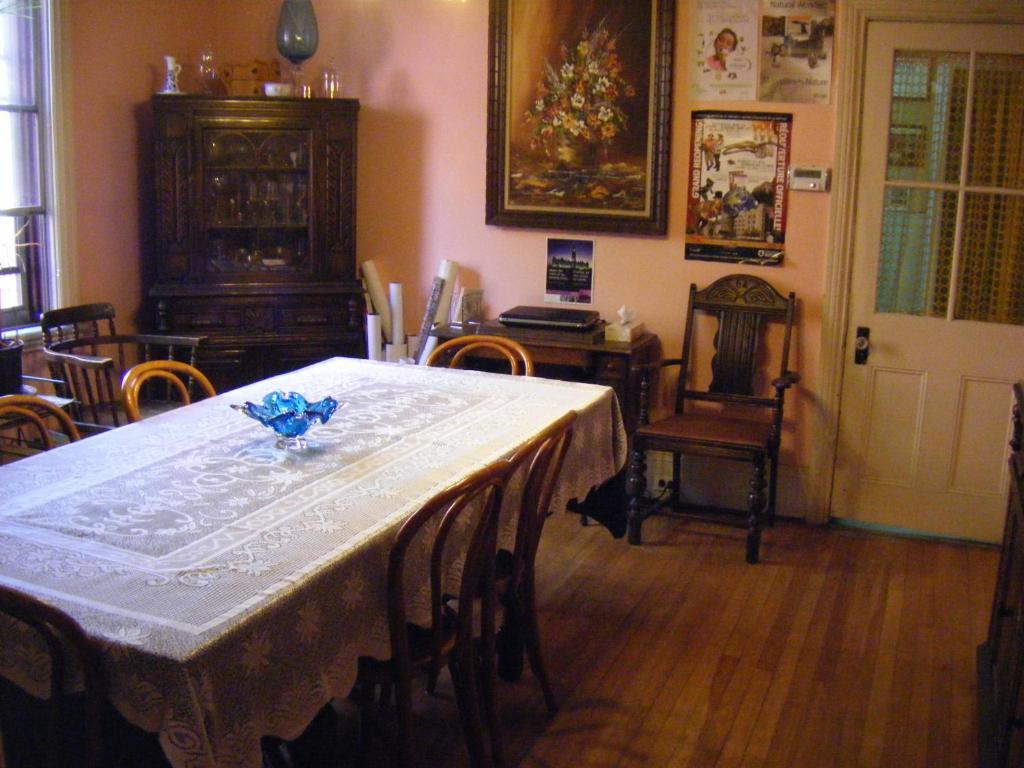
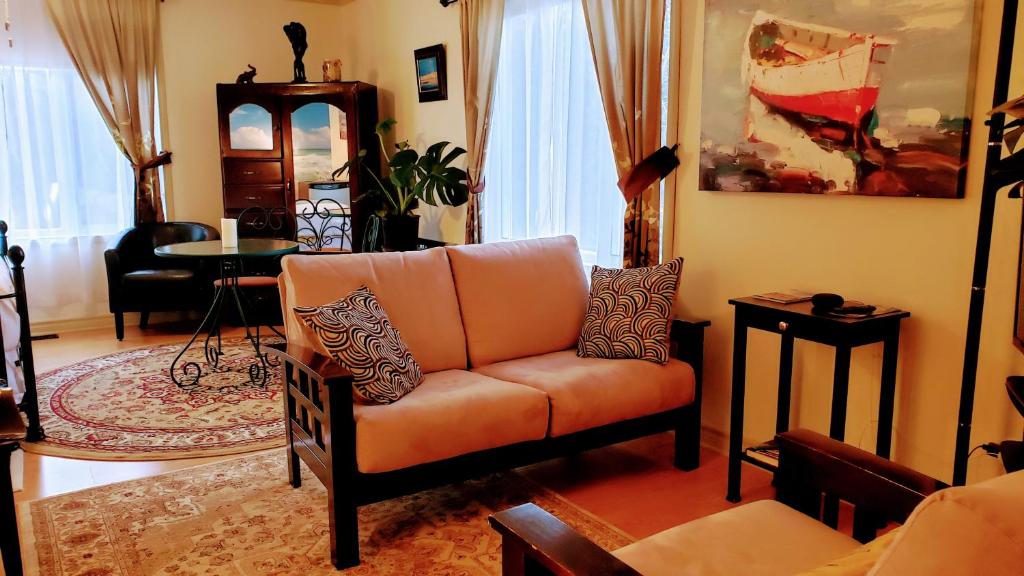
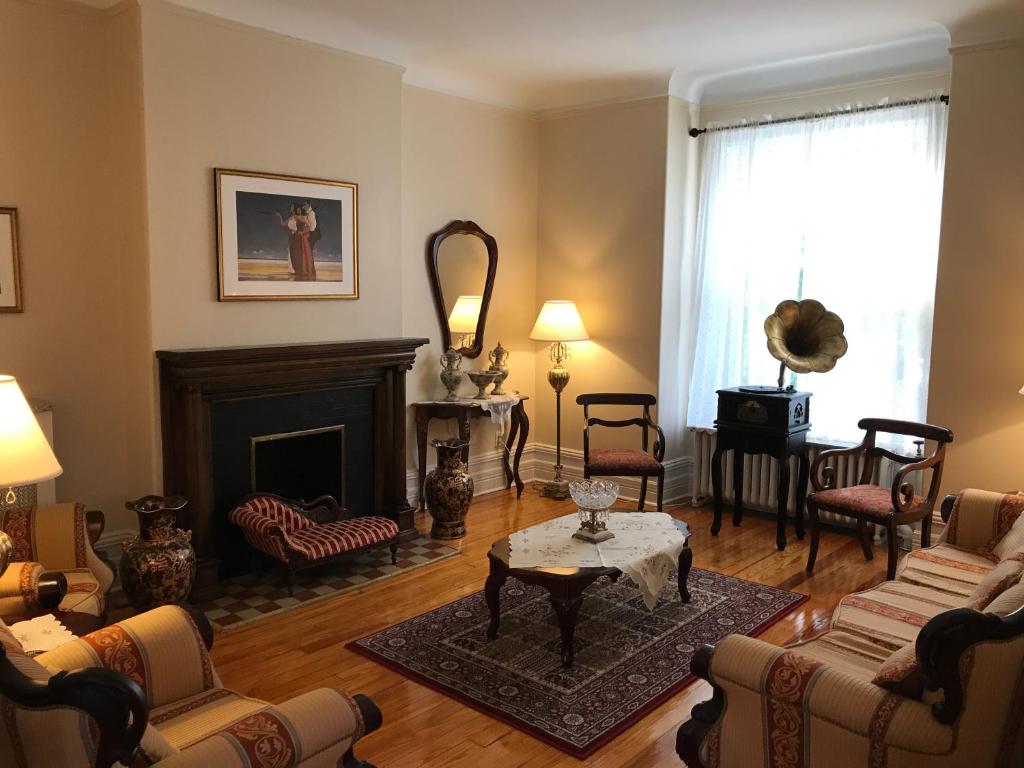
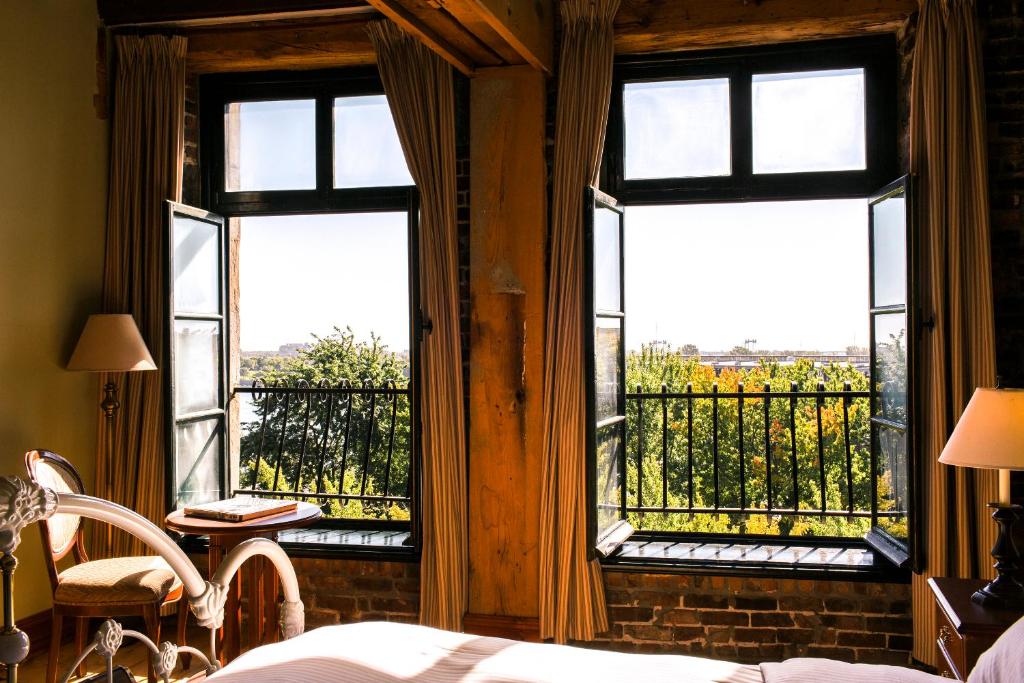
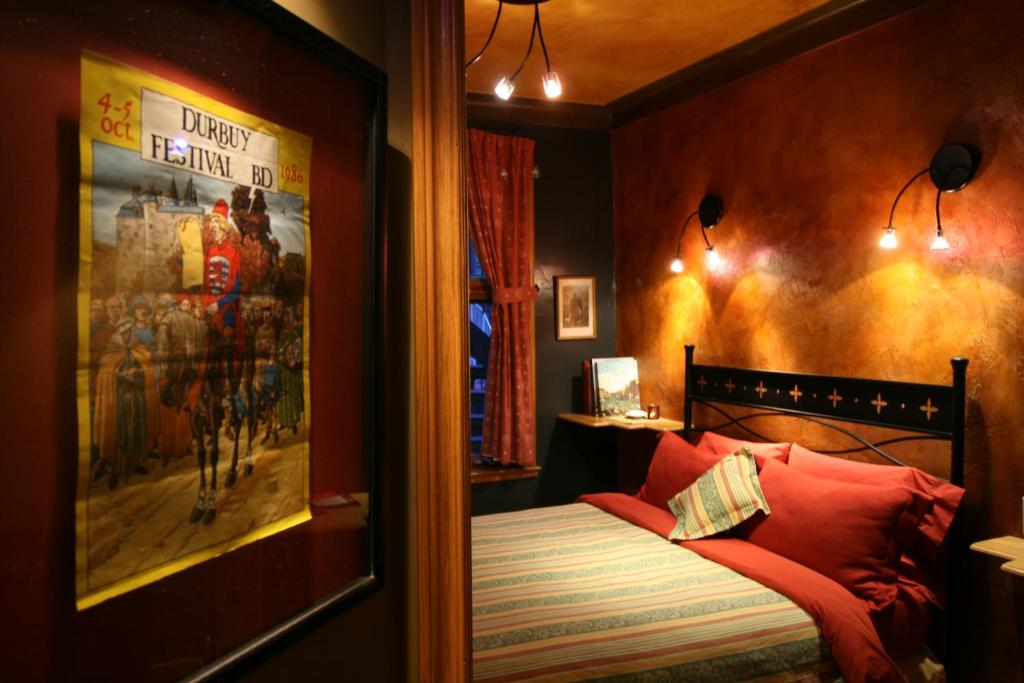
B&B amenities: outdoor pool, solarium with wrap-around terrace, hot tub, wooden floors, flat-screen TVs, spa baths, common living room with a baby grand piano & fireplace, dining room with antiques, artwork & Victorian furnishings, breakfast (bacon, eggs, eggs benedict, waffles)
So there they are, Ottawa accommodations that will help make for a memorable trip. We hope you have found this information valuable and most of all, that you enjoy your time in Canada!
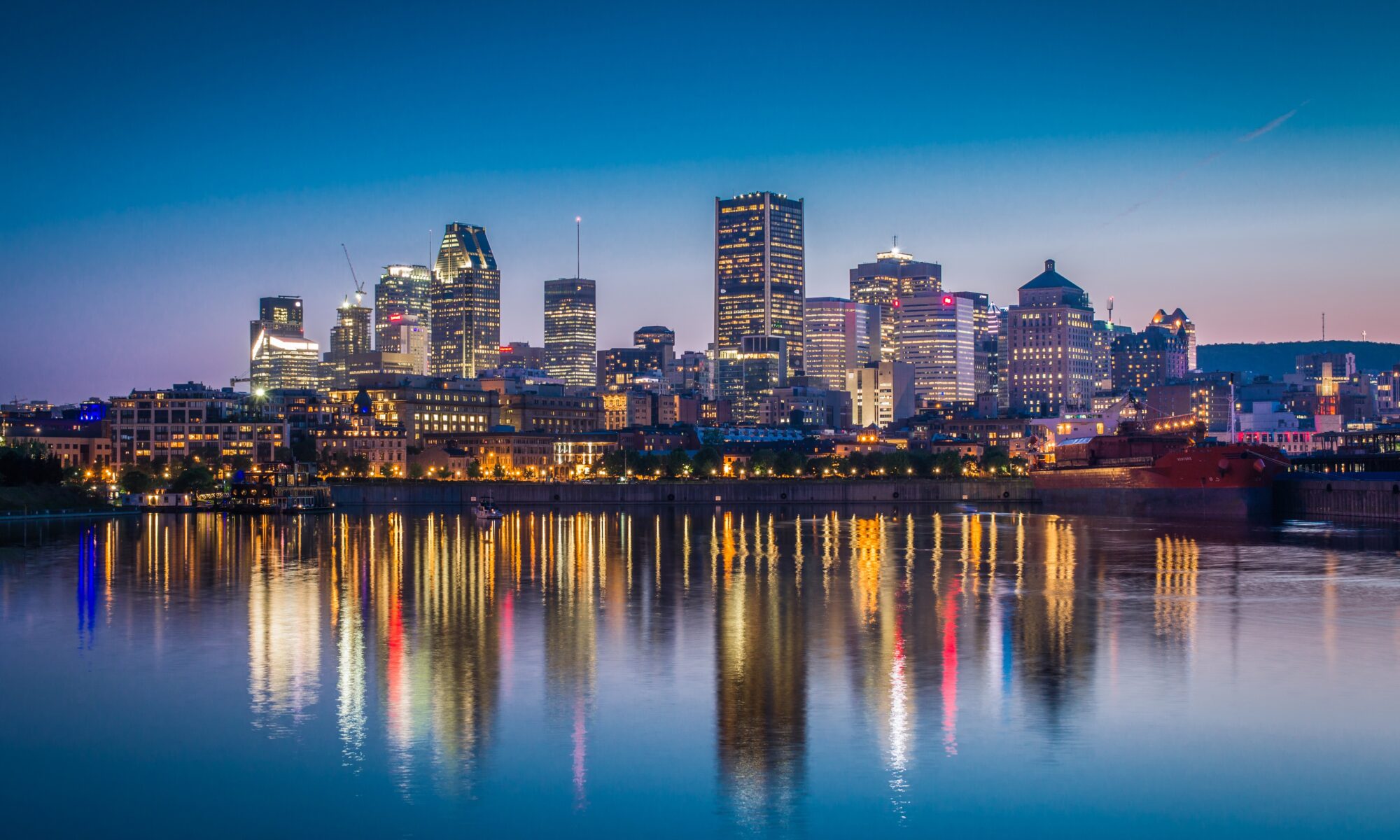
Montreal accommodations welcome you to a destination with nicknames to include “The City of a Hundred Steeples” (Mark Twain), Canada’s “Sin City” (Prohibition Era) and, more commonly, “MTL”. Known for its hockey, museums, riverfront attractions, squares, parcs (parks), rues (streets), convention / event centres, theatres, scenic spots, gardens, churches, basilicas, shopping malls, boutiques, brewpubs, restaurants, cocktail bars, cafes, salons, spas and nightlife, Montreal is located down-river from Quebec’s capital city, Quebec City. Across the Saint Lawrence River from the city of Saint-Lambert and set on an island, Montreal is the Canadian province of Quebec’s largest city.
During winter, roadways can get icy of course. When driving in Montreal, keep in mind that right-hand turns are not permitted due to a high number of pedestrians. Montreal has four-way vehicle stop signs. The first vehicle to stop advances first, while, in the case of two or more vehicles stopping simultaneously, the vehicle on the right has the right of way. Traffic cameras in certain areas will display “you’re-on-camera” signs. Before getting out of a car, watch behind for cyclists.
Be sure to pay attention while crossing the street at crosswalks. Politeness is always appreciated, but try not to hold doors open for too long if its cold and windy outside. Although Canada’s two official languages are French and English, Montreal’s official language is just French. If someone is speaking to you in French and you don’t understand, just tell them you don’t speak French. A 15% tip generally is customary in restaurants. One of the “Original Six” NHL hockey teams and winners of a league-leading 24 Stanley Cups, the Montreal Canadiens play at Centre Bell just south of downtown. Montreal’s currency is the Canadian Dollar, cars travel on the right-hand side and the drinking age is 18 years old. Happy hour, also known as 5 à 7s, is the best time to find food and drink deals. Montreal accommodations are some of Canada’s best. Before we get to Montreal accommodations, let’s take a look at some more background information on the area to help you along the way.
Evidenced by archaeological findings, First Nations natives are thought to have occupied the island of Montreal since at least 4,000 years ago, and began cultivating maze around the year 1000 AD. Two centuries before the French arrived, the Saint Lawrence Iroquoians had established the village of Hochelaga at the foot of Mount Royal. On October 2, 1535, French explorer Jacques Cartier visited Hochelaga and estimated the population at over a thousand. Migration, European disease epidemics and intertribal wars were likely causes of the St Lawrence Iroquoians’ disappearance from the area, as reported by French explorer Samuel de Champlain circa 1603. In 1611, de Champlain set up a fur trading post named La Place Royale at present-day Pointe-à-Callière. Roman Catholics established a presence in the area in 1639. Montreal’s original name was Ville-Marie, which was founded on May 17, 1642, when French military officer Paul Chomedey de Maisonneuve became the settlement’s first governor. Shortly thereafter, the settlement was hit with Iroquois raids. About a decade after Ville-Marie’s founding, de Maisonneuve returned to France to round-up 100 volunteers to help boost the settlement’s colonial population. If the effort had failed, Ville-Marie was to be abandoned. The fur trade helped Ville-Marie survive, and by 1685 the settlement had grown to roughly 600 colonists. Also, the settlement benefitted as it became a base for further exploration. New France’s worst massacre occurred in 1689, when English-allied Iroquois attacked the Island of Montreal’s undefended, small settlement of Lachine. Part of the Beaver Wars, the Lachine massacre saw around 1,500 Mohawk warriors surprise attack Lachine on August 5th, resulting in 250 colonist casualties. In the early 18th century, Sulpician Order priests persuaded the Mohawks to move away from Ville-Marie’s fur trading post and settle at Kahnewake, Kanesatake and Akwesasne, all three of which remain present-day Mohawk territories. Until 1760, the territory remained in French control, but subsequently was surrendered to Great Britain following the Seven Years’ War. On November 13, 1775, during the American Revolution, Montreal fell to American forces led by Major General Richard Montgomery. American Continental Army Major General and eventual turn-coat Benedict Arnold, following Montgomery’s death at the Battle of Quebec, overtook American command of Montreal in April 1776. Southwest of Montreal, The Battle of the Cedars from May 18–27, 1776 between Great Britain / Quebec Haudenosaunee and The United Colonies resulted in a British-Haudenosaunee victory. Great Britain Captain George Forster subsequently advanced to Fort Senneville, one of Montreal’s outlying forts, but eventually withdrew to Quinze-Chênes. Benedict Arnold, previously entrenched in Montreal’s borough of Lachine, chased Forster and after a few skirmishes, a prisoner exchange was negotiated, though was never followed-through by Arnold. Benedict Arnold abandoned Montreal in June 1776, attempting to burn it down in the process, and withdrew to Fort Ticonderoga in New York. In 1832, Montreal was incorporated as a city. Two significant developments around this time were the Lachine Canal, which allowed ships to bypass the Lachine Rapids, and the Victoria Bridge, which established Montreal as a major railway hub. In the Golden Square Mile at the foot of Mount Royal, Montreal business leaders started to build homes in the 1850s, and by 1860, Montreal had become British North America’s largest municipality, as well as Canada’s economic and cultural center. Potable drinking water became a problem during the 19th century, when the city’s population increased rapidly. Drinking water had, until that point, been taken directly from the city’s harbor. A relatively significant increase in waterway traffic, however, deteriorated water quality. In the mid-1840s, the City of Montreal installed cisterns, which would hold and help purify St. Lawrence River water to be transported to desired locations. From 1844 to 1849, Montreal was the Province of Canada’s capital city. The city lost its status as capital, however, when a Tory mob, in opposition to the controversial Rebellion Losses Bill, burned down the city’s Parliament building on April 25, 1849. During World War I, an internment camp was set up at Immigration Hall. Following the war, prohibition in the United States benefitted Montreal taverns. Montreal’s Red-Light District, centered on the intersection of Saint Laurent Boulevard and Saint Catherine Street in the borough of Ville-Marie, helped give Montreal its Prohibition-era nickname, “Sin City”. During World War II, Canada’s federal government held Montreal Mayor Camillien Houde in a prison camp for his protests against conscription, and his urging of Montrealers to disobey the federal government’s registry of all men and women. In exile, the Luxembourg royal family resided in Montreal during the Second World War. Montreal’s population exceeded 1 million by 1951. In 1959, the Saint Lawrence Seaway’s opening, which allowed ships to bypass Montreal, ended the city’s economic dominance over other Canadian cities. Skyscrapers, expressways and a subway system developed during the 1960s, and Montreal’s hosting of the 1967 World’s Fair naturally helped boost the city’s economy. Unsurprisingly, given the city’s history, tensions between the French and English cultures ushered social and political changes during the 1970s. The 1976 October Crisis resulted in the departure of many of the city’s businesses and people. During the same year, Montreal hosted the 1976 Summer Olympics. On January 1, 2022, Montreal merged with 27 surrounding municipalities to form a unified city, which encompassed the entire Island of Montreal.
Located at the Saint Lawrence and Ottawa Rivers’ confluence, the Island of Montreal is home to over 2 million “Montrealers”. Named after its triple-peaked Mount Royal, which tops-off at 761 feet above sea level, Montreal is a top North American international event host. Boasting one of Canada’s largest column-free exhibition halls, Montréal Convention Centre spans 7 floors at over 500,000 square feet altogether, with 113 multipurpose rental spaces. World-renowned Cirque de Soleil is headquartered in Montreal. Montreal is home to many pedestrian ways and hiking paths. In winter, cross-country skiing and snowshoeing make for fine outdoor activities. MTL neighborhoods, once independent cities, range in styles from cobblestoned, to French-colonial, to Gothic-revival to bohemian. 19 large boroughs comprise Canada’s second-largest city. About 60% of Montreal’s population is bilingual in French and English. Also at around 60% is the city’s largest demographic, which is of European descent. Catholicism is the area’s predominate religion. Apart from hockey, the Montréal Alouettes of the Canadian Football League have won 8 championships. Home to a warm-summer humid continental climate, Montreal has warm / hot and humid summers, and snowy, cold and sometimes bitter / icy winters. Summer highs average close to 80 degrees Fahrenheit, while winters average in the lower 20s. Montreal’s record low is -36 degrees (-49 with the wind chill). Additional points of interest include Downtown Montreal, Tour de la Bourse (skyscraper / Montreal Exchange). Old Montreal (neighborhood est. 17th century), Place Jacques-Cartier (square), Place d’Armes (square), Montreal City Hall, McGill University, Université de Montréal, Port of Montreal Cruise Terminal and Habitat 67. Local foods include maple donuts, bagels, smoked meats, cheese curds, fois gras poutine (French fries made with duck fat), pâté chinois (similar to Shepard’s pie), tourtiere (meat pie traditional at Christmastime), cretons (breakfast pork spread), tarte au sucre (sugar pie) and pouding chomeur (maple pudding dessert created during the Great Depression). Around since John Molson began exporting it from Montreal circa 1800, whiskey is popular to this day. The Canadian Caesar is a type of bloody Mary that pairs well with brunch, while lager beer such as Molson is widely enjoyed, particularly at Canadiens games. Coffee and hot chocolate are also hot items during winter months. With some background information on the area, it’s time for Montreal accommodations that will help make for a exciting trip.
Hotel amenities:indoor pool, sun deck, gym, flat-screen TVs, fully-equipped kitchens, safety deposit boxes, laundry facilities, business center, free newspapers
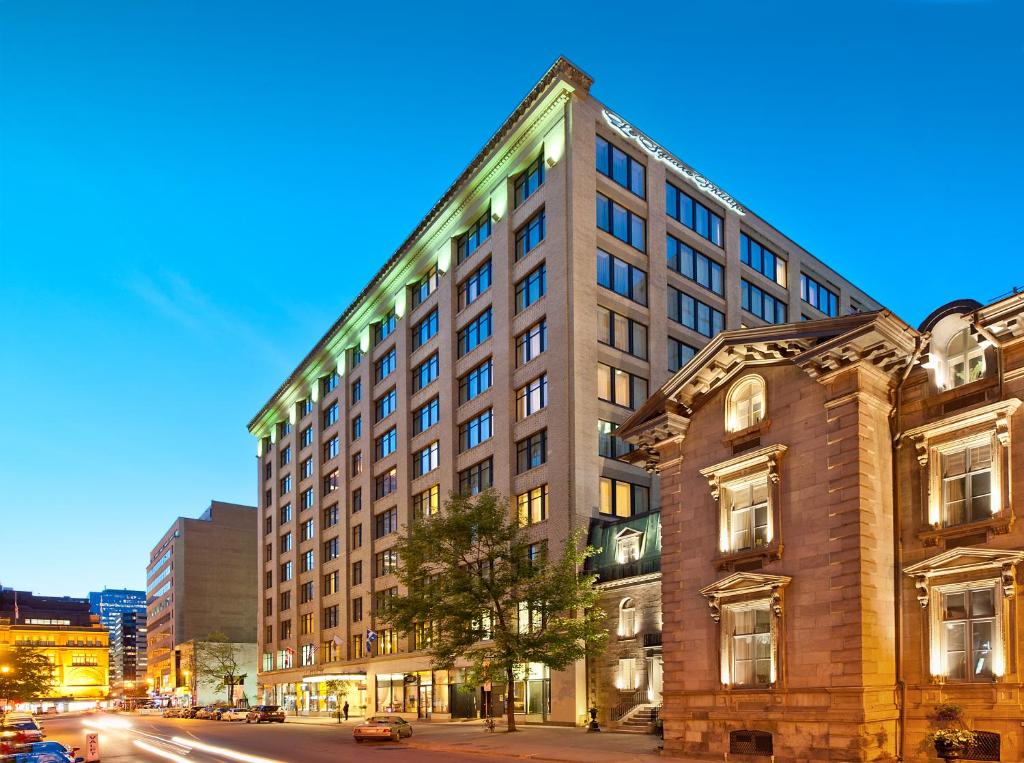
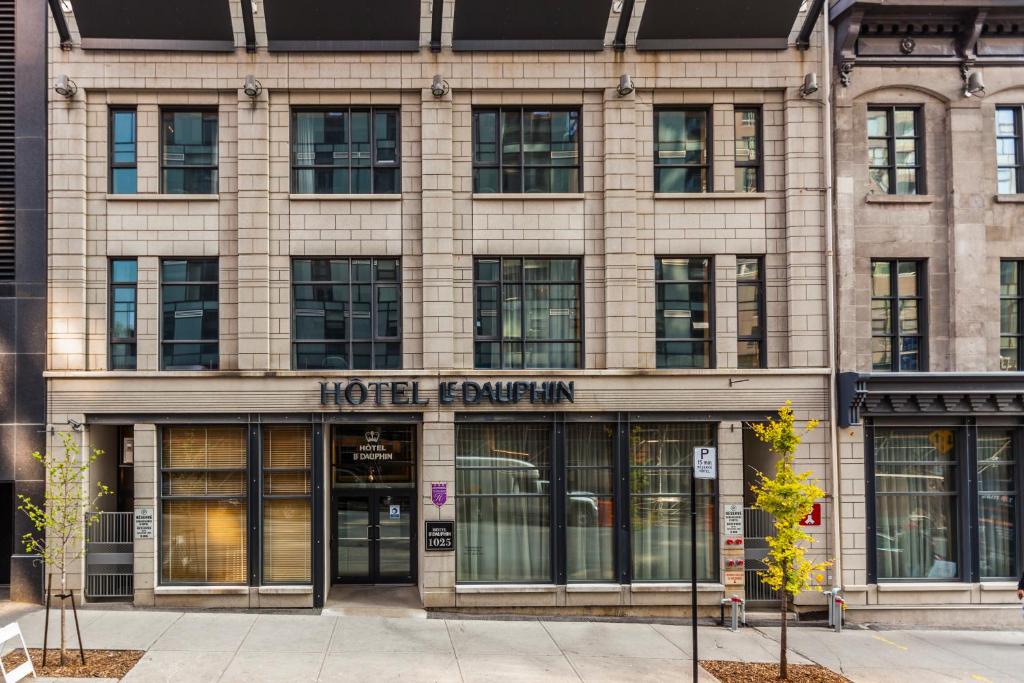
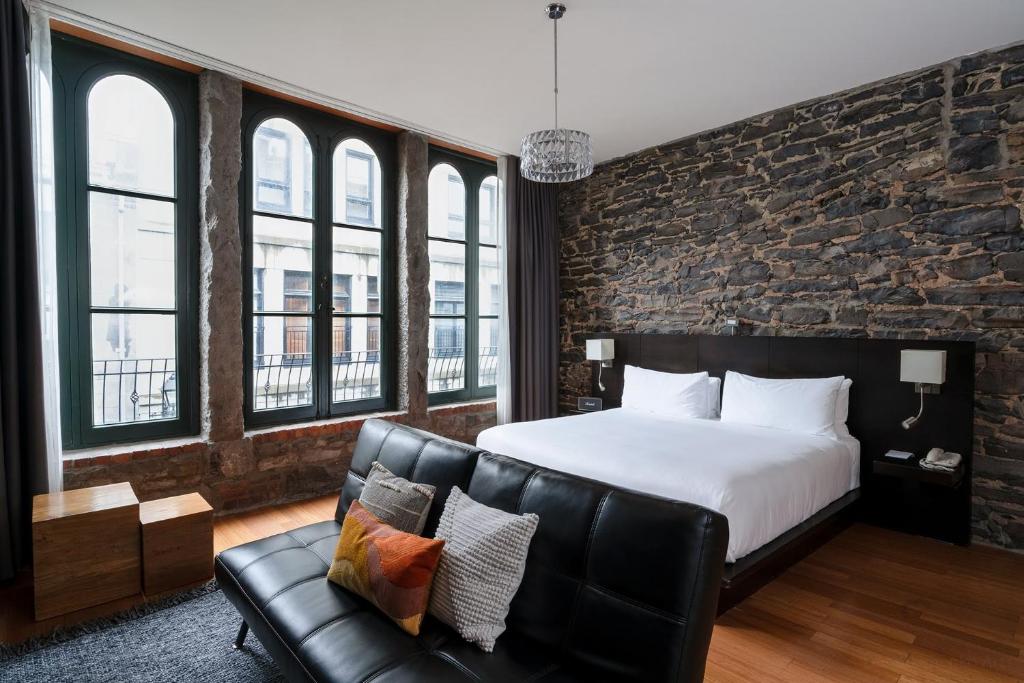
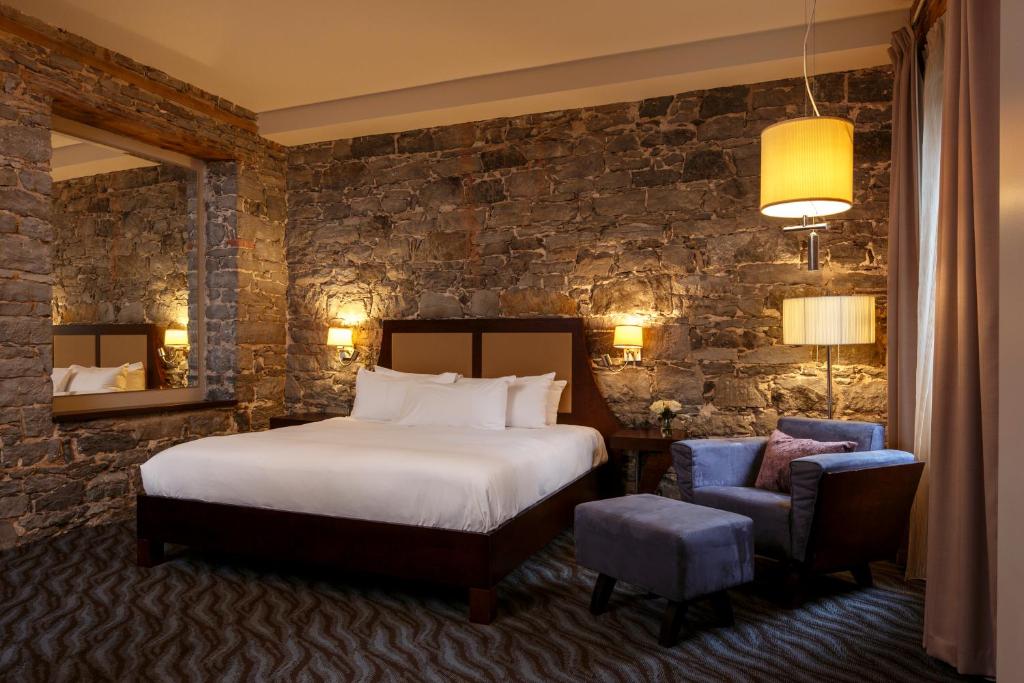
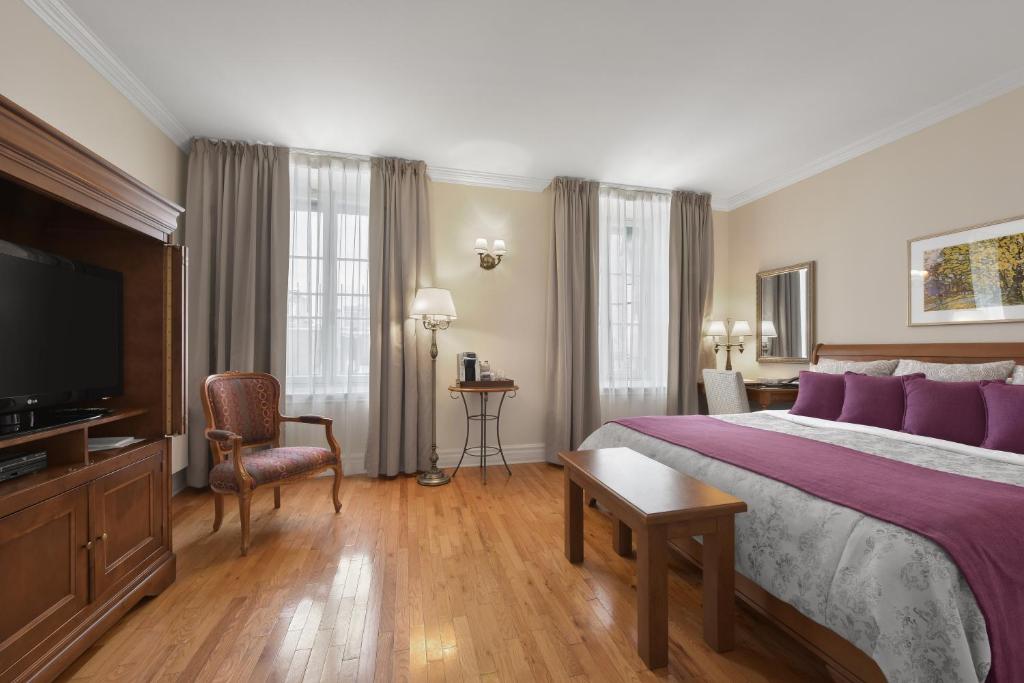
Hotel amenities: restaurant, continental / à la carte breakfast, city views, street-level terrace, individual terraces, spa, gas fireplaces, air conditioning, flat-screen TVs, desks, claw-foot baths, 24-hour front desk with English / French-speaking staff, valet service
Hotel amenities: bar, air conditioning, free Wi-Fi, flat-screen TVs, coffee machines, safety deposit boxes, desks, continental, vegetarian or vegan breakfast, 24-hour front desk, concierge service
Hotel amenities:multiple dining options, Old Montreal views, rooftop terrace, fitness center, large windows, flat-screen TVs, 24-hour concierge service
Hotel amenities: restaurant, bar, outdoor swimming pool, sun terrace, fitness center, air conditioning, free Wi-Fi, flat-screen TVs, safety deposit boxes, desks, 24-hour front desk, private parking
Bell Centre | Eaton Centre | The McCord Stewart Museum
Hotel amenities:restaurant, lounge bar with a fireplace, free espresso bar, spa, original artwork, free Wi-Fi, 42-inch flat-screen TVs, iPod docking stations, workstations, goose down duvets, feather pillows, in-room massage services
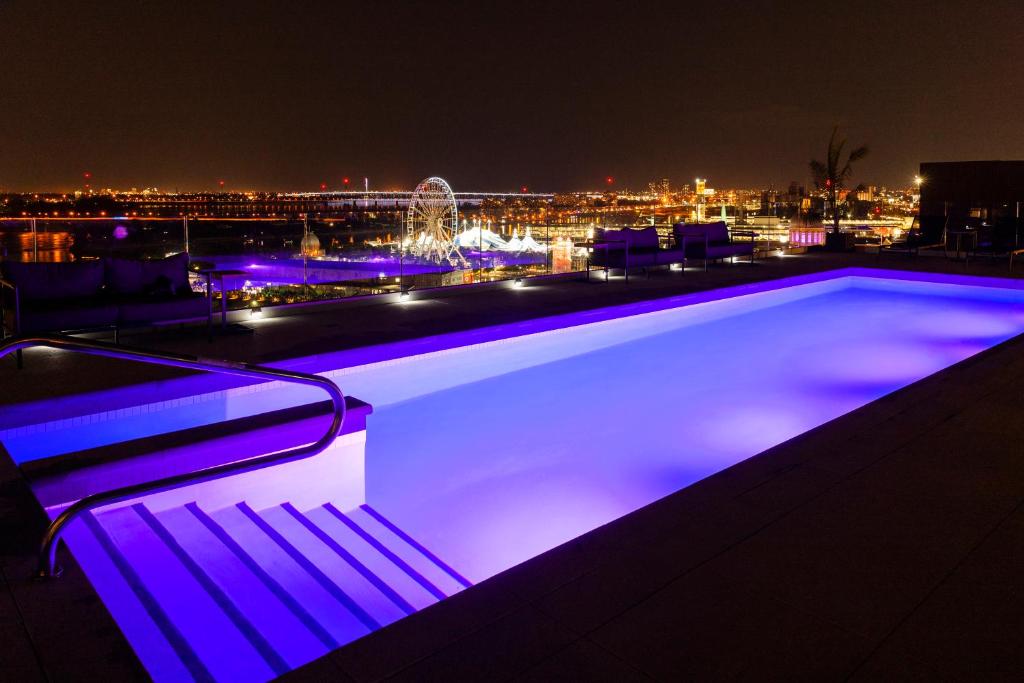
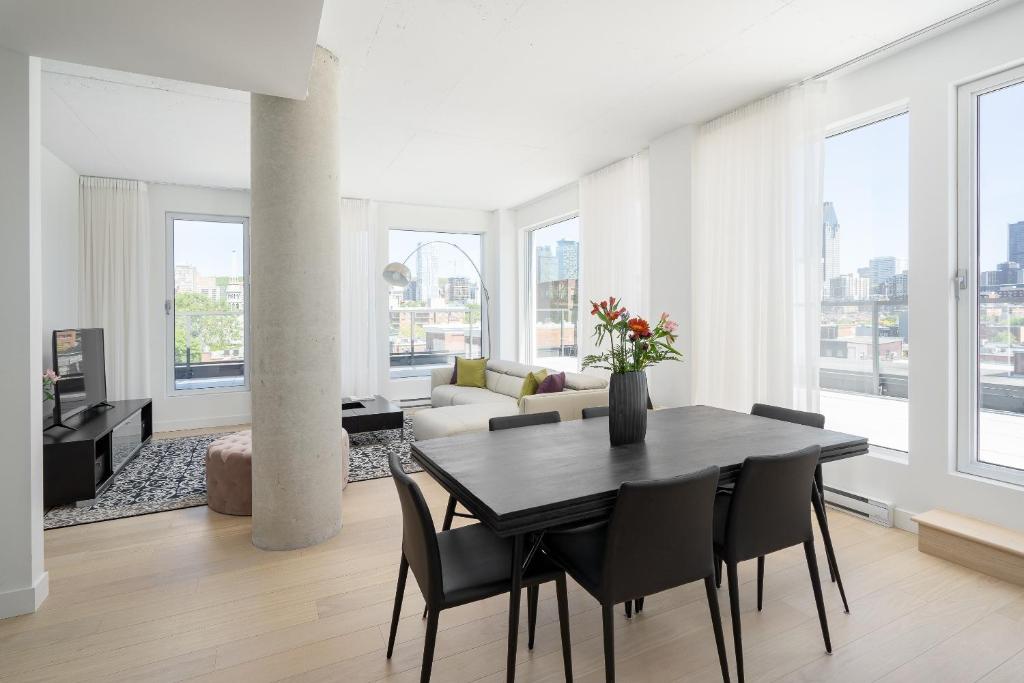
Penthouse amenities:seasonal outdoor swimming pool, pool views, balconies, fitness center, parquet floors, air conditioning, flat-screen TVs, free Wi-Fi, fully-equipped kitchens
Hotel bells and whistles: French restaurant, saltwater pool, fitness center, free Wi-Fi, flat-screen TVs, digital light / curtain controls, mini-bars, marble bathrooms with heated floors & 19-inch flat-screen TVs, Asprey bath products, in-room massage services, 24-hour concierge service, business center
Nearby restaurants / bars: Maison Boulud (restaurant), La Cantina (Mexican restaurant), Ô Lounge (bar), Cloakroom Bar (cocktail bar)
Nearby misc.:SPA ST. JAMES, Tella’s Santé ou Sucré (café), LEAVES HOUSE (coffee store), Salon Mute (hairdresser), O Coiffure & Spa (hair salon), Onglerie Bee (nail salon), Art Gallery Cosner, Christofle (boutique), Marie Saint Pierre (boutique), Anthropologie (women’s clothing store), Boutique Camomille (women’s clothing store), Burberry (clothing store), Tiffany & Co. (jewelry store), Maison Cloakroom (tailor), Brilliant College (language school)
So there they are, Montreal accommodations that will help make for a memorable trip. We hope you have found this information valuable and most importantly, that you enjoy your time in Canada!
We use cookies on our website to give you the most relevant experience by remembering your preferences and repeat visits. By clicking “Accept All”, you consent to the use of ALL the cookies. However, you may visit "Cookie Settings" to provide a controlled consent.
This website uses cookies to improve your experience while you navigate through the website. Out of these, the cookies that are categorized as necessary are stored on your browser as they are essential for the working of basic functionalities of the website. We also use third-party cookies that help us analyze and understand how you use this website. These cookies will be stored in your browser only with your consent. You also have the option to opt-out of these cookies. But opting out of some of these cookies may affect your browsing experience.
Necessary cookies are absolutely essential for the website to function properly. These cookies ensure basic functionalities and security features of the website, anonymously.
Cookie
Duration
Description
cookielawinfo-checkbox-analytics
11 months
This cookie is set by GDPR Cookie Consent plugin. The cookie is used to store the user consent for the cookies in the category "Analytics".
cookielawinfo-checkbox-functional
11 months
The cookie is set by GDPR cookie consent to record the user consent for the cookies in the category "Functional".
cookielawinfo-checkbox-necessary
11 months
This cookie is set by GDPR Cookie Consent plugin. The cookies is used to store the user consent for the cookies in the category "Necessary".
cookielawinfo-checkbox-others
11 months
This cookie is set by GDPR Cookie Consent plugin. The cookie is used to store the user consent for the cookies in the category "Other.
cookielawinfo-checkbox-performance
11 months
This cookie is set by GDPR Cookie Consent plugin. The cookie is used to store the user consent for the cookies in the category "Performance".
viewed_cookie_policy
11 months
The cookie is set by the GDPR Cookie Consent plugin and is used to store whether or not user has consented to the use of cookies. It does not store any personal data.
Functional cookies help to perform certain functionalities like sharing the content of the website on social media platforms, collect feedbacks, and other third-party features.
Performance cookies are used to understand and analyze the key performance indexes of the website which helps in delivering a better user experience for the visitors.
Analytical cookies are used to understand how visitors interact with the website. These cookies help provide information on metrics the number of visitors, bounce rate, traffic source, etc.
Advertisement cookies are used to provide visitors with relevant ads and marketing campaigns. These cookies track visitors across websites and collect information to provide customized ads.