Munich accommodations
Munich accommodations invite you to a destination nicknamed “Village of a Million People”.
Munich known for: Oktoberfest, lederhosen (leather trousers), dirndl (feminine dress), breweries, beer gardens, Bavarian restaurants, palaces, museums, parks, event venues, shopping malls, football
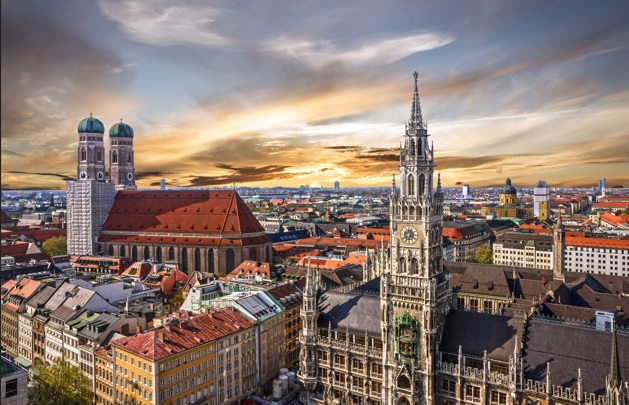
Also spelled München, Munich is located in southeastern Germany, about 90 miles northwest of the Austrian city Salzburg. Flowing through central Munich, the Isar River is sourced by the Bavarian Alps’ Karwendel mountain range. Central Munich is also home to medieval Old Town, the city’s oldest area (flagship stores, boutiques, Bavarian costumes, Marienplatz Square crowds, neo-Gothic architecture, beer gardens).
Munich main attractions: Marienplatz (plaza), English Garden (park), Hellabrunn Zoo (zoo), Deutsches Museum (technology museum), Nymphenburg Palace (castle), pep Einkaufscenter Neuperlach (shopping mall), Stachus (plaza), Olympia Shopping Center (shopping mall), Pasing Arcaden (shopping mall), Munich Residenz (castle), Riem Arcaden (shopping mall), Augustiner Bräustuben (Bavarian restaurant / brewery), Wildpark Poing (wildlife park), Messe München (convention center), Biergarten am Chinesischen Turm (beer garden), Westpark (park), Hirschgarten (park / beer garden), Flaucher (park), Munich Olympic Stadium (stadium), Pinakothek der Moderne (art museum), Bavaria Filmstadt (theme park), V-Markt (hypermarket), Circus Krone (circus), Motorworld Munich (event venue), Sendlinger Tor (historical landmark / 14th century gate & towers), Backstage Kulturzentrum (event venue), Paulaner am Nockherberg (brewpub), Ostpark (park), MS Utting on bridge Lagerhausstrasse (gastropub), Pflanzen-Kölle Gartencenter GmbH & Co. KG München (garden center), Augustiner Schützengarten (beer garden), Münchner Freiheit (tourist attraction), Moosacher Paradies (restaurant), Deutsches Museum Verkehrszentrum (museum)
60 miles southwesterly: Zugspitze (popular mountain peak / ski resort & cable car rides)
Additional Bavarian Alp ski destinations: Katzenkopf Leutasch, Ehrwalder Wettersteinbahnen, Rosshütte, Innsbruck – Nordkette, Speicherteich Grubigläcke, Kandahar-Abfahrt
Bavarian Alp ski-area accommodations: Hotel am Badersee, Ferienhaus Badersee, Haus Florian, Gästehaus Angela
Munich main airport: Franz Josef Strauss International Airport (aka Munich Airport)
Rideshare service: Uber
Oktoberfest
The world’s largest Volksfest. or “peoples’ festival”, Munich’s Oktoberfest draws about 6 million people annually.
Oktoberfest dates: mid / late September – first Sunday in October
Oktoberfest location (central-west side): Theresienwiese Square near the Deutsches Museum Verkehrszentrum & Bavaria Statue
Typical Oktoberfest beer prices: €12.50 – €15
Oktoberfest beers are usually sold in a large, 1-liter (not pint!) glass known as a Maß (pronounced mahs). Wine is also available and is most commonly served in a half-liter glass known as a Halben Liter.
If you plan on attending Oktoberfest, of course you’ll want to try and book accommodations well in advance. Keep in mind that there is no need to buy tickets for Oktoberfest, though you should arrive early and bring enough cash. Tips are greatly appreciated.
Munich main Christmas Market location: Marienplatz
Munich top events (aside from Oktoberfest): Filmfest München (film festival), Munich Opera Festival, Munich Biennale, Oben Ohne Open Air, Summer Tollwood, Kocherlball, Frühlingsfest, Auer Dult, Gasteig, Starkbierfest, Superbloom Festival, Greenfields Open Air Festival, Theatron Festival, Echelon! Festival (Bad Aibling, Bavaria), Munich Christmas Market
More fun things: King Ludwig’s Castles Trip, Third Reich Tour, Dachau Concentration Camp Tour
Winners of 33 national and 6 Champions League titles, FC Bayern Munich plays at Allianz Arena on the city’s far northeasterly side.
Legalized in 2010, river surfing at the man-made Eisbach wave (Englischer Garten / English Garden – southern edge) is permitted only for experienced surfers. Generally great people, Bavarians tend to be reserved. Although many Bavarians speak English, especially the younger crowd, learning at least some German is of course helpful. “Prost!” (cheers!) and “Wiesn” (Oktoberfest) are good places to start for the Oktoberfest-seeker. Keep in mind that Munich largely shuts down on Sundays, except for church services. Munich’s currency is the Euro, cars travel on the right-hand side and the drinking age is 16 years old for beer and 18 for liquor. Munich accommodations are some of Germany’s best. Before we get to Munich accommodations, let’s take a look at some more background information on the area to help you along the way.
In reference to 8th-century Benedictine-order monks, who once ran a monastery in Munich’s Old Town area, the name “Munich” derives from the Middle-High German term meaning, “to the monks”. A prehistoric trade route, the river Isar allowed Munich to develop into one of Bronze-Age-Europe’s largest raft ports, with excavated Munich settlements dating back four millennia. In Munich’s southeast Ramersdorf-Perlach (borough) Iron Age Celtic settlements have been discovered. Connecting the Bavarian town of Augsburg with Salzburg, the ancient Roman road Via Julia passed just south of Munich, through the towns of Baierbrunn and Gauting. Also excavated, a Roman settlement appears to have existed in the northeast Denning neighborhood. After the Roman era, the Munich area was populated by Baiuvarii, or Bavarians, with the first Christian church being built in Fröttmanning circa 815 AD. In order to control the salt trade, The Duke of Saxony and Bavaria’s Henry the Lion are considered as possible founders of Munich around the mid-12th century. Shards of 11th-century vessels, however, found in 2012 at Marienhof Square near Marienplatz may point to an earlier founding date than the officially recognized date, June 14, 1158. St. Peter’s Church, therefore, may have been built earlier as well. Regardless of Munich’s exact founding date is that upstream, near modern Old Town, Henry the Lion built a new toll bridge, a customs house and a coin market. Cistercian-German churchman Otto of Freising, in protest of the new toll bridge and through his connections with the Holy Roman Empire, eventually was awarded a third of the toll bridge’s income. Munich received city status and fortifications in 1175. Subsequently, through a falling-out with Roman Emperor Frederick Barbarosa (Otto of Freising’s uncle), Henry the Lion was exiled in 1180. Not surprisingly, Munich was given to the Bishop of Freising following Henry’s exile. Red-headed Otto I Wittelsbach, marking the beginning of an 800-year House of Wittelsbach Bavarian dynasty, became Duke of Bavaria in 1156. A native of Munich, Duke Louis IV was elected German king in 1314, and Holy Roman Emperor in 1328. Louis IV granted Munich a salt monopoly, which naturally contributed to the city’s growth. About a third of Munich was destroyed by fire on February 13, 1327, and in 1349 the Black Death further ravaged the town, along with Bavaria as a whole. In 1385, the first buildings of the Munich Residenz, or royal palace, were erected. Gothic arts revived Munich during the 15th century, a period when Old Town expanded and the modern Frauenkirche Gothic church was built in just 20 years. In 1506, following the Landshut War of Succession between Bavaria-Munich and Bavaria-Landshut / County Palatine of the Rhine, through which Bavaria-Munich arose victorious, Munich became the sole capital of Bavaria. A House of Wittelsbach Renaissance movement saw to the Antiquarium’s (collection of Greek / Roman antiquities) installment in the Munich Residenz along with a court orchestra, which promoted the city’s brief nickname, “German Rome”. Munich’s Hofbräuhaus, established solely for the purpose of supplying beer to the Bavarian court, was built for brewing brown beer on September 27, 1589 by Bavarian Duke Wilhelm the 5th. The Catholic League was founded in the city circa 1609. Around the Thirty Years’ War’s(1618–1648) midpoint, Munich was occupied briefly by Gustav II Adolph of Sweden. Bubonic plague struck again in 1634, killing a third of the city’s population. Throughout the 18th century, the House of Wittelsbach continued to hold power. Munich became an important center of Baroque life. German nobleman Charles Theodore, or Karl Theodor, of the House of Wittelsbach’s Suizbach branch, inherited Bavarian lands in 1777. Around the time of the American Revolution, Theodore invited Colonial Massachusetts-born, British physicist, inventor and lieutenant-colonel of the King’s American Dragoons (British provincial military unit – raised for Loyalist service) Count Rumford Benjamin Thompson to Munich in order to implement “social reforms”. Additionally, the Bavarian army, established in 1682, was to be restructured. Karl Theodor and Count Rumford demolished the city’s fortifications. As a result of their being forced to live in newly built workhouses, Munich’s residents, across multiple trades, decided to build a new community outside the city walls in 1793. Through an alliance with Napoleonic France, the Kingdom of Bavaria was formed in 1806, with Munich remaining its capital. Maximilian I Joseph (House of Wittelsbach – Palatinate-Birkenfield-Zweibrücken branch) became the Kingdom’s first king. Maximillian’s goals were to secularize Bavaria by dissolving all monasteries in 1802 and by generating state revenues from sold-off church lands, and to control beer-brewing rights by handing the brewing monopoly to Munich’s wealthiest brewers, who in turn paid considerable taxes on their beer production. In October 1810, the first beer festival, which would evolve into today’s Oktoberfest, was held to commemorate the crown price (Ludwig I) and princess Therese of Saxe-Hildburghausen‘s royal wedding. Beer became so important to Munich that it was even considered a staple food. Beginning in 1826, the city’s finest buildings would be constructed by the Bavarian kings Ludwig I, Ludwig II and Otto (never actively ruled – supposed mental illness). On June 10th, 1865, Richard Wagner’s tragic opera Tristan und Isolde premiered in Munich. About 75 miles east of Munich, in the Austrian town of Braunau am Inn, eventual German Führer Adolf Hitler was born on April 20, 1889. German mechanical engineer, physicist and professor of Physics at the University of Munich, Wilhelm Röntgen, for his production and detection of electromagnetic radiation in a wavelength range (X-rays), was awarded the Nobel Prize in Physics circa 1901. By the early 20th century, Munich had become a major center for the Jugendstil artistic movement, which combined liberal magazine culture with progressive industrial design and architecture. Also in the early-20th century, southern Germany was home to beer halls, where hundreds-to-thousands of people would come in the evenings to socialize, engage in political debates and even host political rallies. Following World War I, it was widely believed in Germany that the Imperial German Army did not, in fact, lose on the battlefield, but rather was betrayed, or “stabbed in the back”, on the home-front by certain citizens, particularly Jews, socialists and politicians who had overthrown the House of Hohenzollern. Adolf Hitler, who had fought in the German Army during the First World War, and who was a post-war agent of the Bavarian Army’s Intelligence Division, was ordered to infiltrate the German Workers’ Party (DAP), which Hitler, in turn, joined on September 12, 1919. Agreeing with many of the DAP’s underlying tenants, Hitler rose to its top-post during Munich’s post-war political chaos. Inspired by Benito Mussolini’s successful March on Rome, Hitler, along with a league of nationalist fighting societies known as the Kampfbund, began planning (October 22-29, 1922) a similar march against the Weimar Republic in Berlin, with Munich as his home-base. Roughly a year later, commencing in totalitarian-fashion during a period of terror and political violence in Munich, a ruling triumvirate (conservative monarchist politician and jurist Gustav Ritter von Kahr, state police chief Colonel Hans Ritter von Seisser and Reichswehr General Otto von Lossow) banned Hitler from holding 14 planned mass meetings in September 1923. Realizing that Kahr would stand in the way against his march against the Weimer Republic, Hitler undertook one of the most significant events in Munich’s more recent history, the Beer Hall Putsch. On November 8, 1923, Hitler, along with the Sturmabteilung (original Nazi Party paramilitary), marched on the Bürgerbräukeller beer hall where Kahr was making a speech in front of 3,000 people, surrounded the hall, and set up a machine gun in the auditorium. Now inside the beer hall with his associates, and unable to be heard above the crowd, Hitler fired a shot into the ceiling, jumped on a chair and yelled “The national revolution has broken out! The hall is surrounded by six hundred men. Nobody is allowed to leave.” Hitler’s putsch was not immediately successful and proved fatal, as 15 Kampfbund and 4 Weimar Republic belligerents were killed. Arrested shortly thereafter, Hitler was sent to trial. Pro-Nazi, the lay judges actually may have acquitted Hitler, had it not been for presiding Judge Georg Neithardt’s influence, and Hitler was sentenced to five years in Festungshaft (fortress confinement) for treason. During his confinement at Landsberg Prison, Hitler wrote the first volume of his autobiographical manifesto Mein Kampf, within which Chapter IV is titled “Munich”. In Chapter IV, Hitler starts with “One must know Munich if one would know Germany”. Hitler was released from Festungshaft after only eight months for good behavior. In retrospect, although unsuccessful, Hitler’s beer hall putsch was not only a defining moment for Munich, but also for the trajectory of the world, as it gave Hitler and the Nazis their first national attention, as well as a propaganda victory. Post-1933 Munich became an important city for the Nazi Party, as its headquarters was based at the Brown House between the Karolinenplatz and Königsplatz. Dachau, the first concentration camp, was built roughly 10 miles northwest of Munich. During World War II, Munich was bombed heavily. In 1945, after the war, a United States occupation of Munich saw to a meticulous rebuilding plan, whereby the city’s pre-war street grid would be preserved. Munich hosted the 1972 Summer Olympics, along with six 2006 FIFA Word Cup matches at Allianz Arena.
Bavaria’s capital and most populous city, Munich is home to around 1.5 million “Münchners” (male) and “Münchnerins” (female) altogether. Munich’s colors are black and yellow, while Bavaria’s are blue and white. Munich is Germany’s third-largest city behind Berlin and Hamburg. A high standard of living is expected in Village of a Million People, though its real estate prices and rental costs are some of Germany’s highest. About 30% of Munich’s residents are foreigners. BMW is based in Munich. Historically influential and at times volatile, Munich’s city council today consists of 13 different political groups. Munich’s Landtag of Bavaria (Bavarian State Parliament) assembles at the Maximilianeum (palatial building). Situated on Upper Bavaria’s elevated plains, Munich is surrounded by a number of varying natural habitats to include rivers, plateaus, foothills, flint areas, moraines, glacial out-washes and marshes. Beyond the skyline, the distant, snow-capped Bavarian Alps can be observed from certain higher points within the city. Munich experiences warm / hot summers and cold winters. July high temperatures average around 76 ℉, while January winters are around 38 ℉. During Oktoberfest, daytime highs average a pleasant 60 degrees. October is usually Germany’s driest month. In winter, snow and frost are not uncommon, though snow cover is typically brief. Additional points of interest include Neues Rathaus (New Town Hall), Heilig-Geist-Kirche (Holy Ghost Church), Feldherrnhalle (monumental loggia – site of the Beer Hall Putsch battle), Bavarian National Museum (decorative arts museum), National Theatre (historic opera house), The Glyptothek (sculpture museum), Olympiaturm (The Olympic Tower), Olympiapark (Olympic Park – site of 1972 Summer Olympics), BMW Welt (exhibition / event venue / museum), Old Town Hall (Gothic city council building), Ludwigstraße (royal avenue), Rindermarkt (old street – originally a cattle marketplace), Mariensäule (Marian column – Marienplatz), Ruffinihaus (three-sided house), Augustiner Brewery and Bahnwärter Thiel (cultural center). Local foods include schnitzel, bratwurst, weißwürste (white veal sausage), hendl (roast chicken), steckerlfisch (grilled fish on a stick), haxen (braised pork knuckle), leberkäse (loaf-formed sausage), allgäuer käsespätzle (Bavarian mac & cheese), obazda (Bavarian cheese spread), kartoffelsalat (German potato salad), kartoffelsuppe (German potato soup), leberknödelsuppe (Liver dumpling soup), spätzle (egg noodles), brezeln (pretzel), schmalznudel (Bavarian doughnut) and apfelstrudel (apple strudel). “Liquid bread” beer types include weissbier (wheat beer), helles (pale lager), dunkles (dark beer), starkbier (strong beer) and märzen (pale, amber or dark-brown lager – higher alcohol content than regular Helles – popular at Oktoberfest). Also popular are wine (red and white ) and cider. With some background information on the area, we’re ready for Munich accommodations that will help make for an excellent trip.
Hotel Torbräu
Tal 41, Altstadt – Lehel
Isartor Tower
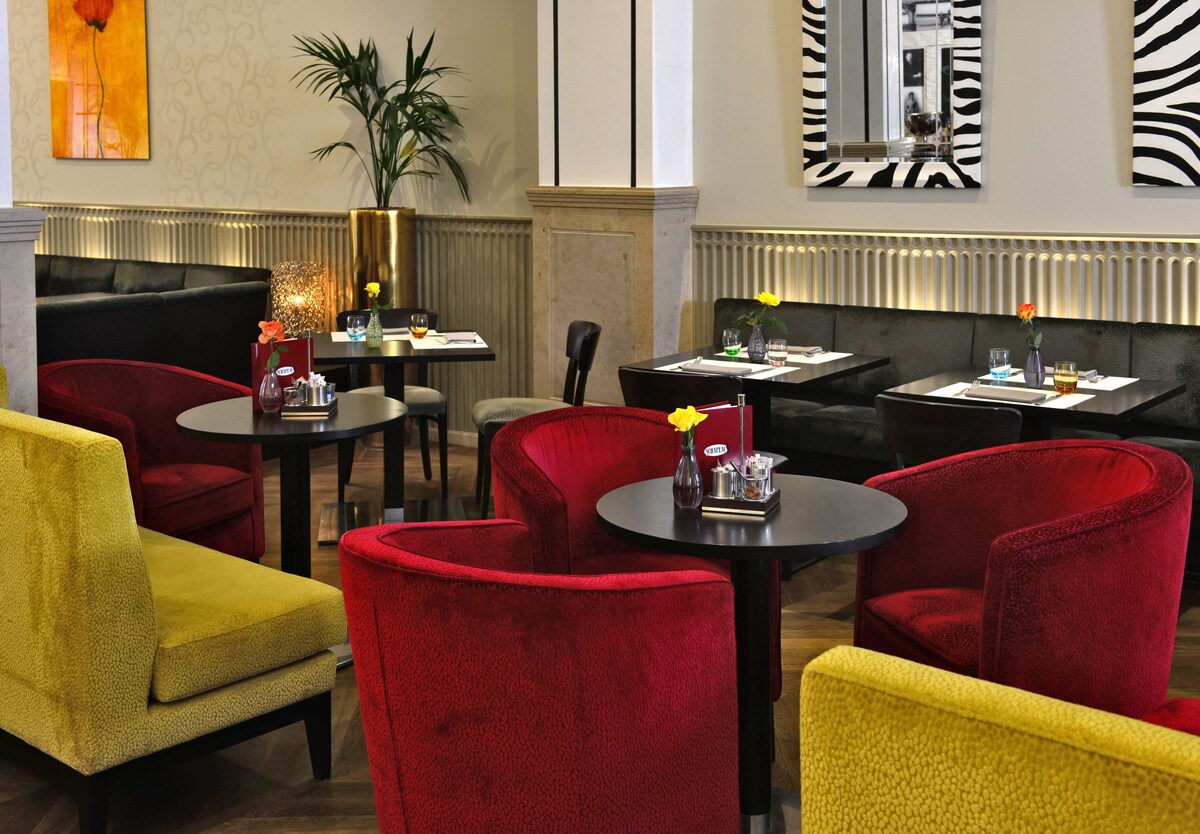
Hotel amenities: restaurant, bar, buffet breakfast, classical furnishings, free Wi-Fi, flat-screen TVs, modern bathrooms, hairdryers, parking spaces
Nearby restaurants / bars / pubs: Zum Dürnbräu (Bavarian restaurant), Little London (steakhouse), Weiberwirtschaft (restaurant), Barele (restaurant), Opatija Easy im Tal (restaurant), Takumi (restaurant), Sesam Falafel (Arab restaurant), Bar Milano – Torino (bar), Riva Bar, Simsalabim (bar), Scholars Lounge Irish Pub – München (Irish pub)
Nearby misc.: Turmstüberl (café), knuspr (grocery delivery service), Lederwaren Hetzenecker (leather goods store)
Within feet:
-
-
- Isartor Tower (historic Medieval gate)
- Räuberhöhle
- Mariensäule
- Rathaus-Glockenspiel
- Deutsches Museum
- Munich Residence
-
Within 1 mile:
-
-
- Konigsplatz
-
Within 2.4 miles:
-
-
- Englischer Garten
-
Within 3 miles:
-
-
- BMW Museum
-
Within 5 miles:
-
-
- Aalholz Forest
-
Hotel Torbräu is 15 miles from Munich Airport.
Approximate cost per night: $487
CORTIINA Hotel
Ledererstrasse 8, Altstadt – Lehel
Marienplatz
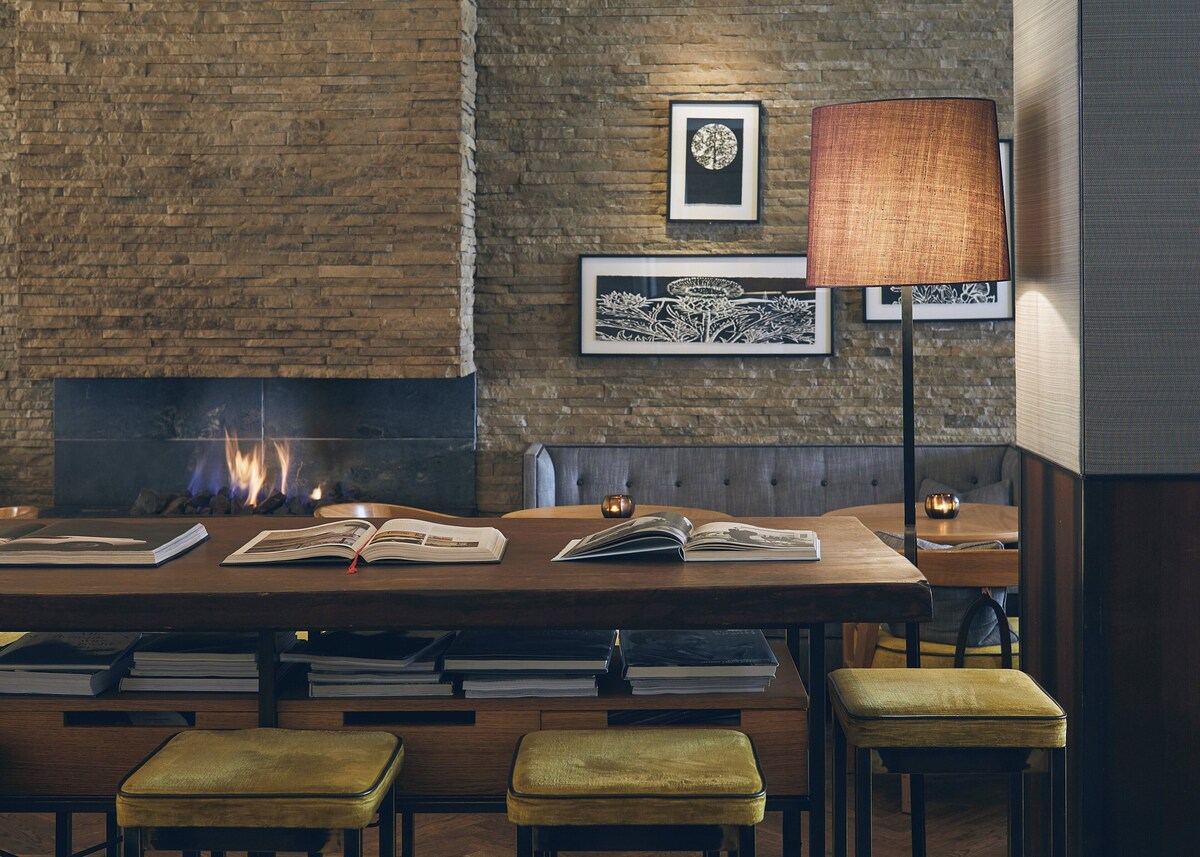
Hotel amenities: wine bar, specially designed furniture, free Wi-Fi, flat-screen TVs, continental / buffet breakfast
Also in the area: Mandarin Oriental, Munich
Within feet:
-
-
- Marienplatz
- Isartor
- Rathaus-Glockenspiel
- Marienplatz & New Town Hall
- Kabinettsgarten
- Räuberhöhle
-
Within 1 mile:
-
-
- Lenbachhaus
-
Within 12 miles:
-
-
- Drag Lift
-
Within 35 miles:
-
-
- Augsburg Airport
-
CORTIINA Hotel is 15 miles from Munich Airport.
Approximate cost per night: $379
Rocco Forte The Charles Hotel
Sophienstr. 28, Maxvorstadt
National Theatre
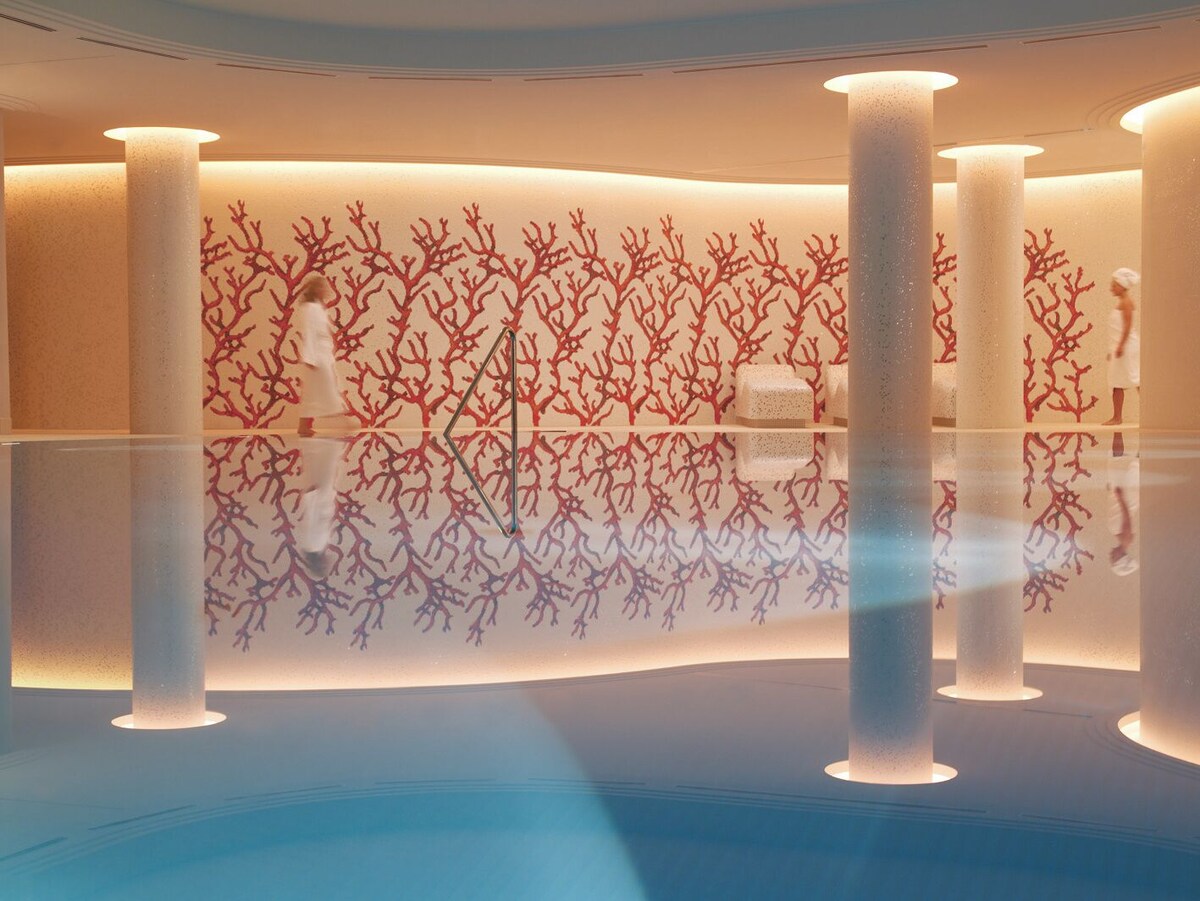
Hotel amenities: bistro with a bar & terrace, city / garden views, indoor pool, spa, sauna, steam room, gym, soundproofed rooms, air conditioning, free Wi-Fi, flat-screen TVs, limestone bathrooms
Nearby restaurants: Grill & Grace (steakhouse), Sophia’s Restaurant & Bar, Krua Thai Imbiss (Thai restaurant), Noppakao Thai Imbiss (Thai restaurant)
Nearby misc.: The Charles Spa, The Library (lounge), Cafe Central, PENNY (discount supermarket), National Graphic Arts Collection (art museum), Museum for Casts of Classical Structures, St. Boniface’s Abbey (monastery)
Within feet:
-
-
- National Theatre
- Bavarian State Opera
- Konigsplatz
- Deutsches Theater München
- Hofbräuhaus
-
Within 1 mile:
-
-
- Theresienwiese
-
Within 2.3 miles:
-
-
- Olympiapark
-
Rocco Forte The Charles Hotel is 17.9 miles from Munich Airport.
Approximate cost per night (Executive Suite): $2,399
Cost per person (three people): $799

Hotel Metropol by Maier Privathotels
Mittererstr. 7, Ludwigsvorstadt
Karlsplatz (Stachus)
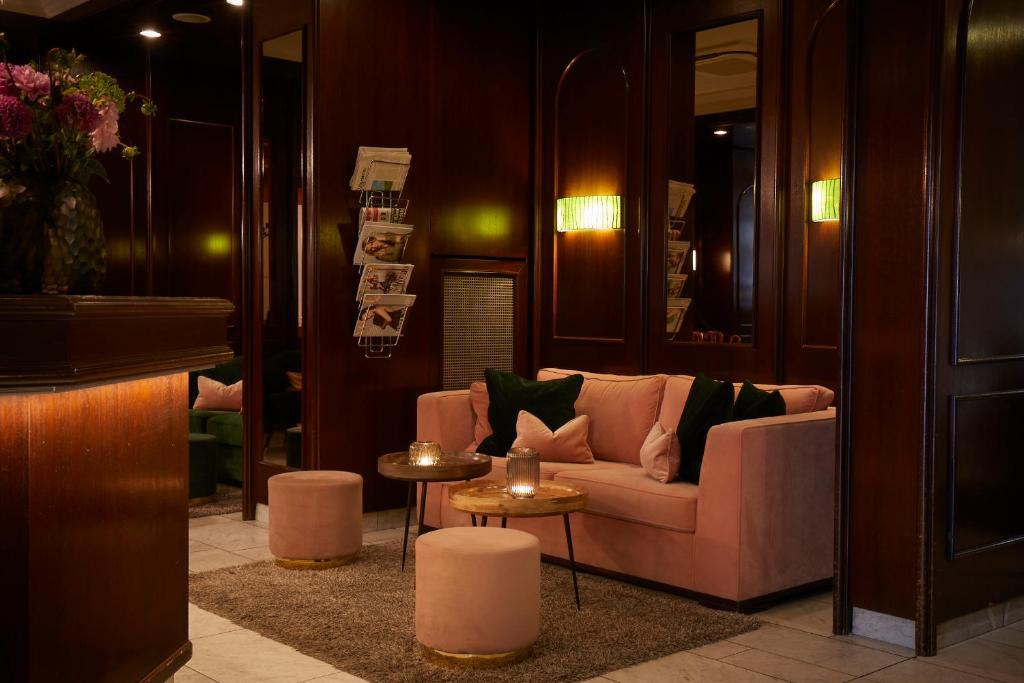
Hotel amenities: bar, air conditioning, free Wi-Fi, flat-screen Smart TVs, free shower gel, hairdryers, buffet breakfast
Nearby restaurants / bars: IRMI (Bavarian restaurant), Münchner Stubn (Bavarian restaurant), Ca’D’oro | Ristorante & Pizza Napoletana (Italian restaurant), Strada del Goethe – in der Münchner Stubn (restaurant), Oléo Pazzo Restaurant/Bar (Mediterranean restaurant), LOKANTA ev yemekleri (self service restaurant), ISARBAR – Hotelbar & Lounge (bar)
Nearby misc.: Daily Coffee (café), Café Konditorei Herrmann (bakery), Blumen Deluxe (florist)
Within feet:
-
-
- Karlsplatz Square
- Verkehrsinsel Stachus
- Sendlinger Tor
- Lenbachhaus
- Marienplatz & New Town Hall
-
Within 1.1 miles:
-
-
- Munich Residence
-
Within 1.3 miles:
-
-
- Deutsches Museum
-
Within 6 miles:
-
-
- Fröttmaninger Berg Ski Lift
-
Hotel Metropol by Maier Privathotels is 16 miles from Munich Airport.
Approximate cost per night: $273
Bavaria Boutique Hotel
Gollierstr. 9, Schwanthalerhöhe
Bavariapark
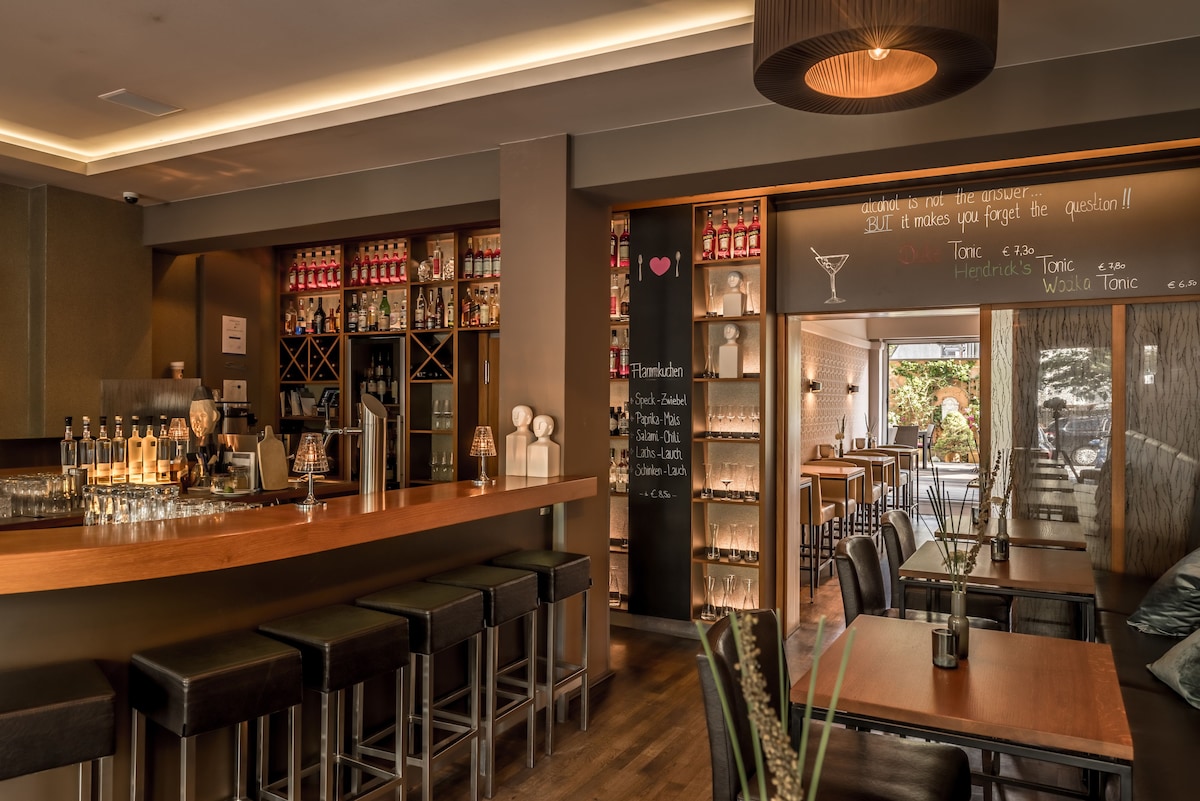
Hotel amenities: bar, buffet breakfast, free Wi-Fi, 24-hour front desk, business office
Nearby restaurants: Jiro Restaurant (Japanese restaurant), XIANG (Chinese restaurant), M-A-T Koreanische Küche (Korean restaurant), Istanbul Imbiss 2 (kebab shop), Barry‘s Boazn (bar), bnb – banh mi and beer (cocktail bar)
Nearby misc.: L‘Oca Bianca (deli), Champagne Character (wine store), Fabiana Oliveira Friseurmeisterin (hair salon)
Within feet:
-
-
- Bavariapark
- Georg-Freundorfer-Platz
- Arnulfpark
- Alter Botanischer Garten
-
Within 1 mile:
-
-
- Karlsplatz (Stachus)
-
Within 1.4 miles:
-
-
- Rathaus-Glockenspiel
-
Within 11 miles:
-
-
- Drag Ski Lift
-
Bavaria Boutique Hotel is 17 miles from Munich Airport.
Approximate cost per night: $328

Jugend- und Familienhotel Augustin
Am Bavariapark 16, Schwanthalerhöhe

Bavaria Statue | Oktoberfest
Hotel amenities: restaurant, bar, continental breakfast, air conditioning, free Wi-Fi, flat-screen TVs, 24-hour front desk, luggage storage space
Nearby restaurants: Fräulein Wagner (restaurant), Kongress Bar (bar)
Nearby misc.: Alte Kongresshalle (event venue), Bavarian Zugspitze Railway locomotive gear (museum), Große Schnecke – Sweet Brown Snail (sculpture), Bavariapark (park), Deutsches Museum Verkehrszentrum (museum)
Within feet:
-
-
- Bavaria Statue
- Oktoberfest
- Georg-Freundorfer-Platz
- Gollierplatz
-
Within 1 mile:
-
-
- Sendlinger
-
Within 1.4 miles:
-
-
- Marienplatz & New Town Hall
-
Within 1.7 miles:
-
-
- Munich Residence
-
Jugend- und Familienhotel Augustin is 17 miles from Munich Airport.
Approximate cost per night (Private 6-Bed Room): $195
Cost per person (six people): $32
DO & CO Hotel München
Filserbräugasse 1, Altstadt – Lehel
Rathaus-Glockenspiel
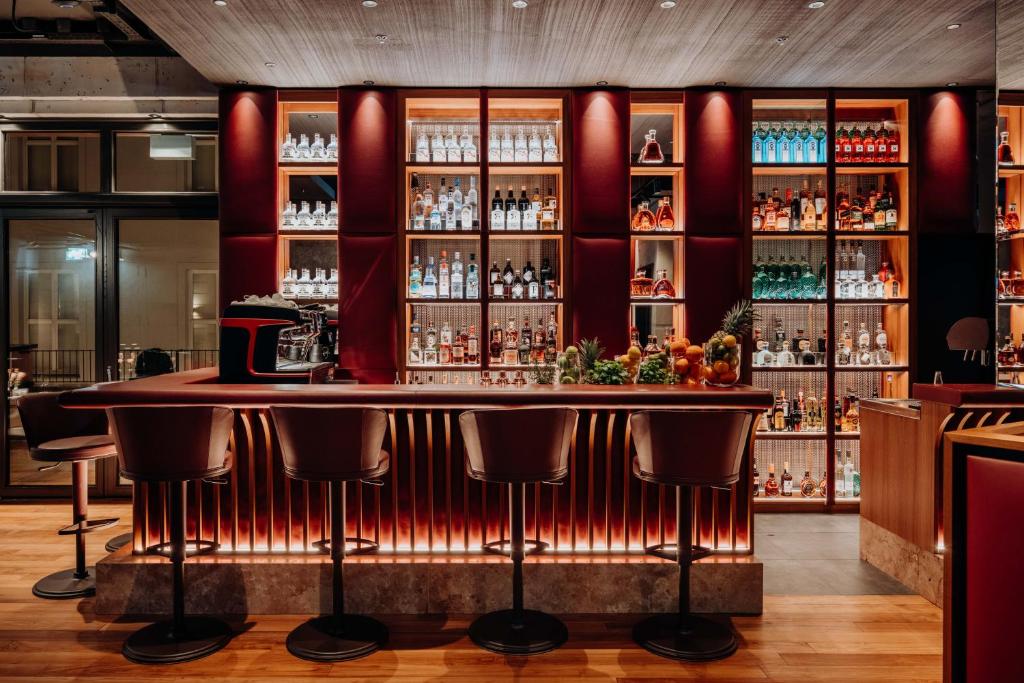
Hotel amenities: restaurant, bar, continental, vegetarian or vegan breakfast, terrace, fitness center, air conditioning, free Wi-Fi, flat-screen TVs, kitchens, coffee machines, safety deposit boxes, hairdryers, 24-hour front desk, airport transportation
Nearby restaurants / bars / pubs: Andechser am Dom (Bavarian restaurant), Nuernberger Bratwurst Gloeckl am Dom (Bavarian restaurant), Guido Al Duomo (Italian restaurant), Pizzarei (restaurant), DO & CO Bistro (restaurant), DO & CO Restaurant München (Asian restaurant), Pausenhof am Dom (restaurant), Stehausschank (bar), Kilians Irish Pub (Irish pub)
Nearby misc.: Marienplatz (plaza), Frauenkirche (Cathedral), Kosmetisches Institut (beauty salon), KATHRIN STOLL AESTHETIC (beautician), Strauss & Co. Boutique München (dress store), FERDINAND MÜNCHEN (clothing store), FC Bayern World mit Flagship Store (sports memorabilia store), CocoVero (traditional costume store), Noura El Massaoudi (traditional costume store), Wurmeck (historical landmark), Rathaus-Glockenspiel (historical landmark), Rathausturm (observation deck), New Town Hall (city hall)
Within feet:
-
-
- Rathaus-Glockenspiel (large mechanical clock)
- Mariensäule
- Munich Residence
- Dichtergarten
-
Within 2.4 miles:
-
-
- Englischer Garten
-
Within 2.8 miles:
-
-
- BMW Museum
-
DO & CO Hotel is 16 miles from Munich Airport.
Approximate cost per night: $811
Mandarin Oriental, Munich
Neuturmstrasse 1, Altstadt – Lehel
Hofbräuhaus München | Mariensäule
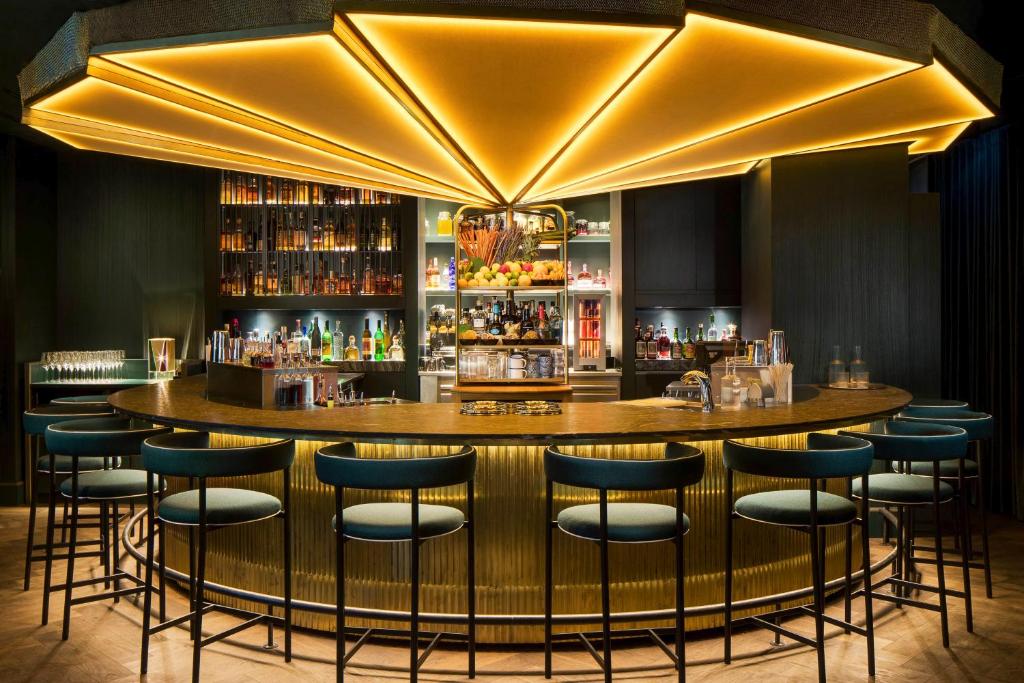
Hotel amenities: restaurant, lounge, panoramic city views, terrace, fitness center, Samsung entertainment systems, free mini-bars, marble bathrooms, high-quality toiletries
Nearby restaurants / bars / pubs: Augustiner am Platzl (German estaurant) Vino e Gusto (Italian restaurant), Osteria der Katzlmacher (Italian restaurant), Bar Centrale (Italian restaurant), La Pizza | Pizzeria Napoletana (pizza restaurant), Conviva im Blauen Haus (restaurant), buffet Kull bar (restaurant), Matsuhisa Munich (Japanese restaurant), GRAPES Weinbar (restaurant), Petit Cafe (bar), Weinbar Griabig (bar), Ory Bar, Landhaus (pub)
Nearby misc.: Hofbräuhaus Kunstmühle (bakery), Royal Secret Salon (hairdresser), Salon Minkh (hair salon), McMonagle Hair & Cosmetics (hair salon), Mike’s Bike Tours & Rentals
Within feet:
-
-
- Hofbräuhaus München (beer hall)
- Mariensäule (column)
- Isartor
- Munich Residence
- Dichtergarten
-
Within 2.4 miles:
-
-
- Englischer Garten
-
Within 6 miles:
-
-
- Fröttmaninger Berg Ski Lift
-
Mandarin Oriental, Munich is 16 miles from Munich Airport.
Approximate cost per night (Tower Suite): $4,841
Cost per person (three people): $1,613

Hotel Kreis Residenz München
15b Am Moosfeld, Trudering – Riem

Stahlgruberring
Hotel amenities: air conditioning, free Wi-Fi, flat-screen TVs, coffee machines, kettles, kitchens, bathrobes, private parking
Nearby : Walter & Sohn Weinhandlungen (wine store), Getränke City XXL (liquor store), groupfit (fitness center)
Within feet:
-
-
- Stahlgruberring (park)
- Zamilapark
- Schüleinplatz
-
Within 1.1 miles:
-
-
- Truderinger Wirtshaus
-
Within 1.6 miles:
-
-
- Munich Fairgrounds
-
Within 3.8 miles:
-
-
- Viktualienmarkt
-
Hotel Kreis Residenz München is 15 miles from Munich Airport.
Approximate cost per night (Executive Suite): $224
Cost per person (four people): $56
WESTSIDE Hotel
Eversbuschstr. 192 , Allach – Untermenzing
Nymphenburg Palace
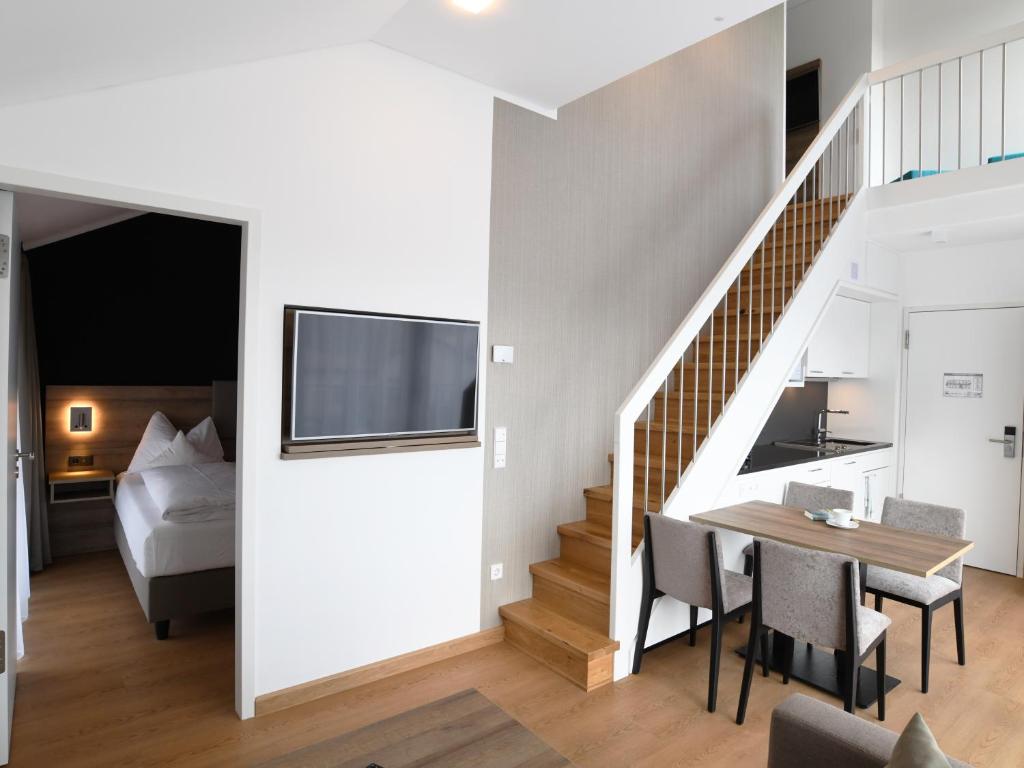
Hotel amenities: free Wi-Fi, large bathrooms, buffet breakfast
Nearby: Antica Osteria (Italian restaurant), Schuhmair (bakery), Weinhaus Rupert Mader (wine store), Wellness & Body Care (beauty salon), St. Peter and Paul (Catholic church), Kulturprojekt München (cultural center)
Within feet:
-
-
- Sommer-Eisstockbahn
- Prinzenpark
-
Within 2.7 miles:
-
-
- Bavarian State Collection of Zoology
-
Within 3.6 miles:
-
-
- Olympia Shopping Centre
- Nymphenburg Palace
-
Within 6.3 miles:
-
-
- Munich Central Station
-
Westside Hotel is 18.5 miles from Munich Airport.
Approximate cost per night (Deluxe Suite): $326
Cost per person (four people): $82
Gauting Apartment
Paul-Keller-Straße, Gauting-Stockdorf

Eichelgarten
Apartment amenities: 2 bedrooms, air conditioning, free Wi-Fi, kitchen
Nearby restaurants: Restaurant Mi Casa Su Casa (Italian restaurant), Kraillinger Brauerei (restaurant), Bräustüberl (European restaurant), La Terrazza (Italian restaurant), Gaststätte Alter Wirt (Bavarian restaurant), Gaststätte Zadar (Croatian restaurant), Mario Sushi (Asian restaurant), Imm Thai Food, Restaurant Kabir (Indian restaurant)
Nearby misc.: Café Bar lumbono – Showroom (cafe), Konditorei Harter (pastry shop), EDEKA Stefan Alex (supermarket)
Within feet:
-
-
- Eichelgarten (national forest)
-
Within 18 minutes:
-
-
- Klinikum Grosshadern
-
Within 21 minutes:
-
-
- Lake Starnberg
- Westpark
-
Gauting Apartment is 52 minutes from Franz Josef Strauss International Airport.
Approximate cost per night: $280
Cost per person (four people): $70

So there they are, Munich accommodations that will help make for an unforgettable experience. We hope you have found this information valuable and most of all, that you enjoy your time in the Free State of Bavaria!